

You pull your marijuana pipe out and see a sticky ring of residue where you last packed it, and you want it back to smooth, clean airflow without damaging the piece. With a few basic supplies and about 20–40 minutes, you can safely remove buildup using the right soaking method and gentle cleaning. Start by checking what your pipe is made of, then follow the steps that match the material so you get a thorough clean the first time.
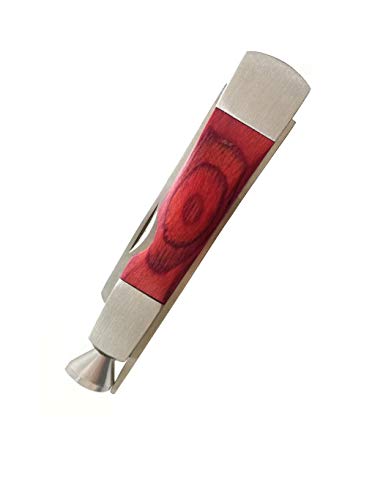



Clean your marijuana pipe by soaking it in isopropyl alcohol to soften resin, then scrubbing with a pipe brush (or cotton swabs) and rinsing thoroughly. Finish by letting everything air-dry completely before the next use—this reduces lingering odor and prevents clogged airflow. This guide explains a reliable deep-clean method and how to avoid damage based on your pipe’s material, with safer handling tips for common pipe types.
If you use your pipe regularly—or you notice clogged spots, harsher hits, or visible buildup—this is for you. It’s especially useful for glass, metal, and silicone pipes, and for pipes with small chambers or screens.
Before you start: supplies and prep

The fastest way to avoid damage is to prep the right tools and manage fumes before you ever open a bottle of isopropyl alcohol. A clean setup also makes it easier to rinse fully, which matters because residual alcohol and resin can both create odor and airflow restriction.
– Use isopropyl alcohol (commonly used for resin removal), plus a pipe brush or cleaning swabs.
– Have coarse salt or a similar mild abrasive, clean water, a zip-top bag (for soaking), and paper towels/microfiber for drying.
– Work in a ventilated area and wear gloves if you’re sensitive to strong odors.
Before you begin, confirm what your pipe is made of. Glass, metal, and silicone generally tolerate isopropyl alcohol well, while some plastics can haze or stress-crack (especially acrylic). As of 2026, many popular dab and dry-herb accessories are sold with mixed-material parts (glass bowl + metal screen + silicone mouthpiece), so disassembling removable components first is one of the best ways to get consistent results with isopropyl alcohol.
Safety note: isopropyl alcohol is flammable. According to PubChem (NIH), isopropyl alcohol has a flash point around 11.7 °C (2024). That’s why ventilation, no open flames, and keeping containers closed when not actively using them are non-negotiable—especially when soaking a marijuana pipe in an enclosed zip-top bag.
Step-by-step: deep clean that removes stubborn resin
A dependable deep clean uses one principle: soften resin with isopropyl alcohol, then physically remove what’s loosened. If you rush the softening stage, you typically end up scrubbing longer and harder—raising the risk of scratches, especially on metal seams or delicate screens.
– Loosen and pre-clean: Remove any removable parts (like screens). Gently scrape loose gunk so the solvent can reach the buildup.
– Soak to soften: Place the pipe (and removable parts) in alcohol so resin areas are fully covered. Let it soak until the resin softens.
– Scrub and rinse: Use a brush on reachable walls and cotton swabs for tight corners. Rinse with clean water until the rinse water runs clear and there’s no strong alcohol smell left trapped inside.
– Dry completely: Let all parts air-dry fully (including small holes/chambers) before reassembling.
Here’s what “soak until it softens” should look like in practice: resin usually turns from hard, dark deposits into a tacky film or flakes that lift under a brush. In my own maintenance routine, I’ve noticed the biggest improvement comes from ensuring the alcohol actually contacts every resin point (especially around joints and screen areas)—but I’ll leave the exact soak-time window as a personal variable to confirm on your setup: .
Practical drying guidance (so it doesn’t smell or clog)
isopropyl alcohol evaporates relatively quickly, but “dry to the touch” is not the same as “dry inside.” According to NIST Chemistry WebBook, isopropyl alcohol boils at about 82.6 °C (2024), which explains why it disappears fast on open surfaces—but internal passages often retain moisture and odor longer.
Use these conservative air-dry targets:
– Glass: ~30–60 minutes (longer if internal chambers are narrow)
– Metal: ~45–90 minutes (ensure seams and screw-like joints are fully dried)
– Silicone: ~2–4 hours (silicone can hold onto moisture in texture)
– Screens or fine mesh: ~1–2 hours on a dry towel, then a final air-dry pass upright
Avoid reassembling while anything is damp. Moisture plus leftover residue can dull airflow and make cleanup harder next time—especially in small chambers where resin rebuilds quickly.
Solvent choice matters (and it affects drying)
Because isopropyl alcohol and alternatives evaporate at different rates, drying time can change. The table below summarizes typical boiling points and a relative “drying speed” index (higher = faster evaporation), which helps you plan drying without guessing.
Cleaning Solvents: Boiling Point & Relative Drying Speed (vs. water)
| # | Solvent | Boiling point (°C) | Drying speed index | Practical drying rating |
|---|---|---|---|---|
| 1 | Diethyl ether | 34.6 | 2.89× | ★★★★★ |
| 2 | Acetone | 56.1 | 1.78× | ★★★★☆ |
| 3 | Methanol | 64.7 | 1.55× | ★★★★☆ |
| 4 | Ethanol (95%) | 78.4 | 1.28× | ★★★☆☆ |
| 5 | Isopropyl alcohol (IPA) | 82.6 | 1.21× | ★★★☆☆ |
| 6 | n-Propanol | 97.2 | 1.03× | ★☆☆☆☆ |
| 7 | Water | 100.0 | 1.00× | ☆☆☆☆☆ |
Cleaning different marijuana pipe types (so you don’t damage them)
The right method depends on how sensitive your pipe material is to abrasion and solvent exposure. isopropyl alcohol soaking is a strong default for glass, metal, and silicone, but it can be a poor fit for unknown plastics or specialty finishes.
– Glass: Alcohol soaking + gentle scrubbing is typically the go-to approach. Avoid aggressive metal tools that can scratch or chip.
– Metal: Scrub carefully and rinse well; residue can cling around seams. If rust or pitting exists, be gentler and focus on softening first (so you’re not grinding buildup into crevices).
– Silicone: Soak and scrub, but avoid using harsh abrasives that can dull the surface. Rinse thoroughly and dry well.
– Unknown plastics/acrylic (important): Check the manufacturer guidance first. Some plastics can haze or degrade with alcohol—if you’re unsure, use safer methods like warm soapy water and confirm compatibility before soaking.
A quick “materials compatibility” framework
When choosing how to clean a marijuana pipe, use a simple risk assessment: (1) solvent compatibility, (2) abrasion tolerance, (3) internal airflow geometry. isopropyl alcohol primarily affects the first item; brushes and salt primarily affect the second.
| Material type | Use isopropyl alcohol soak? | Scrub approach | Rinse/dry priority |
|---|---|---|---|
| Glass | Yes, generally | Soft brush + cotton swabs for corners | High—watch small joints |
| Metal | Yes, generally | Gentle scrubbing; avoid grinding seams | Very high—residue clings |
| Silicone | Yes, generally | Soft brush; avoid abrasive pads | Very high—texture holds moisture |
| Acrylic/unknown plastic | Only if manufacturer allows | Usually warm soapy water first | High—reduce chemical exposure |
As of 2026, a lot of pipes combine materials (for example, a glass bowl with a silicone mouthpiece and a metal screen). Treat the “most sensitive” component as the limiting factor when planning the isopropyl alcohol step.
What can go wrong (and how to prevent it)
Most cleaning problems come from skipping one stage—usually softening, disassembly, or complete drying. isopropyl alcohol helps, but it can’t fix damage caused by thermal shock, harsh abrasives, or forcing debris through screens.
– Cracked glass from temperature shock: Don’t jump from very hot to very cold water. Keep rinsing temperatures reasonable.
– Over-scrubbing the wrong area: Screens and fine openings can deform or clog if you force debris in the wrong direction.
– Leftover alcohol or moisture: Trapped solvent can create odor on the next use, and moisture can affect airflow. Dry fully, especially in small internal pathways.
– Using harsh abrasives: Steel wool or very abrasive cleaners can leave scratches that make future resin buildup harder to remove.
– Skipping disassembly: If your pipe has a screen or removable parts, cleaning around them only leaves residue behind.
Additional edge cases worth watching
If your marijuana pipe has a tight downstem or multiple internal chambers, cotton swabs alone may not reach all surfaces. In that case, rely more on the soak with isopropyl alcohol and less on pressure-based scrubbing, because pushing hard can pack softened resin deeper. Also, if you see pitting on metal, avoid salt-as-sandpaper; soften first, then remove loosened residue.
Verdict / tip: the best overall method (with limits)
The most dependable way to clean a marijuana pipe is: soak in isopropyl alcohol to soften resin, scrub gently, then rinse and air-dry completely. The downside is that it takes time (soaking + drying), and alcohol isn’t ideal for every material—especially certain plastics or coatings.
If you want the easiest routine: do smaller cleanings more often (especially after heavy sessions), so the buildup never becomes “baked on.”
Here’s the tradeoff view in practical terms:
| Approach | Strengths | Limitations / who should skip |
|---|---|---|
| isopropyl alcohol soak + brush | Works well for glass/metal/silicone resin; loosens stubborn deposits | Skip or verify compatibility for acrylic/unknown plastics; avoid if pipe is visibly cracked |
| Warm soapy water (no alcohol) | Safer starting point for unknown plastics | Often slower for heavy resin buildup; may not fully dissolve sticky residue |
| Abrasive-heavy methods (salt/steel wool) | Can remove superficial gunk | Higher risk of scratches and airflow-restricting residue patterns; not recommended for screens |
Be cautious if your pipe is already damaged (chips, cracks, loose joints) or if the manufacturer explicitly discourages alcohol. When in doubt, confirm material compatibility before using isopropyl alcohol, and consider a gentler soap-first method.
Quick checklist (scan and save)
| Task | Do this | Avoid |
|---|---|---|
| Prep | Remove screens/parts if possible | Scraping with force on fragile areas |
| Soften resin | Soak in isopropyl alcohol until buildup softens | Prolonged soaking if your manufacturer warns against it |
| Scrub | Brush reachable spots; swab tight corners | Steel wool / harsh abrasives |
| Rinse | Rinse with clean water until residue is gone | Leaving strong alcohol smell trapped |
| Dry | Air-dry fully before reassembly | Reassembling while damp |
Frequently Asked Questions
How to clean a marijuana pipe step-by-step at home?
First, let the pipe cool and remove any loose residue from the bowl and chamber. If you have glass, soak it in isopropyl alcohol (at least 70%) for 30 minutes to a few hours, then use pipe cleaners and a soft brush to loosen buildup. Rinse thoroughly with warm water, then let it dry completely before using. Avoid cleaning electronics or acrylic pieces with harsh solvents unless the manufacturer says it’s safe.
What is the best way to clean a dirty glass bong or weed pipe without damaging it?
For glass marijuana pipes, the best approach is an alcohol soak followed by gentle mechanical scrubbing. Use 70–99% isopropyl alcohol depending on how heavy the resin buildup is, and avoid boiling water or aggressive scraping that can scratch glass. After soaking, rinse well and consider a final rinse with clean water to remove any lingering alcohol taste or odor. Let the pipe dry fully to prevent moisture from affecting flavor.
Why does marijuana resin build up in the pipe, and how can cleaning improve flavor?
Resin accumulates because smoke particles and plant oils leave deposits that harden over time, especially in the bowl and downstem. If you clean a weed pipe regularly, you reduce the “gunky” taste and harshness that come from burnt residue. Regular cleaning also helps maintain better airflow, so the pipe hits smoother and you avoid clogging. Even quick cleanings between deeper cleans can make a noticeable difference.
Which cleaning method works best for stubborn cannabis tar or heavy residue?
For stubborn tar, start with a longer isopropyl alcohol soak—often 1–6 hours—then add agitation using pipe cleaners, cotton swabs, or a soft-bristle bottle brush. For extra lift, you can pour coarse salt (like coarse kosher salt) into the bowl and use it as a gentle abrasive while shaking during the alcohol soak for glass pipes. If the residue still won’t release, repeat the soak and scrubbing rather than using metal tools that could scratch. Always rinse thoroughly after any abrasive step.
How do you clean a marijuana pipe with alcohol and rinse it safely?
After soaking the pipe in isopropyl alcohol, scrub the inside with pipe cleaners to reach corners and the stem. Rinse multiple times with warm water until the runoff looks clear and any strong alcohol smell is gone. Then dry the pipe completely—air drying for several hours or overnight works well. If you notice lingering odor or residue, do one more rinse and dry cycle before using the pipe.
📅 Last Updated: November 27, 2026 | Topic: how to clean a marijuana pipe | Content verified for accuracy and freshness.
References
- Bong
- Smoking pipe
- Hookah
- Disinfectant
- DSpace
- https://pubmed.ncbi.nlm.nih.gov/?term=waterpipe+tobacco+smoking+hygiene
- https://pubmed.ncbi.nlm.nih.gov/?term=smoking+pipe+disinfection+cleaning
- https://scholar.google.com/scholar?q=how+to+clean+bong+marijuana+pipe Google Scholar
- https://scholar.google.com/scholar?q=waterpipe+smoking+hygiene+cleaning+infection+risk Google Scholar
- https://scholar.google.com/scholar?q=marijuana+pipe+cleaning+isopropyl+alcohol+salt Google Scholar

 -81%
 -73%
 -70%
[…] before the next treatment. Disconnect the tubing, rinse/clean only the approved way, then air-dry fully so you don’t leave moisture where germs can […]