
Cleaning a mouth guard is essential for maintaining oral hygiene and prolonging its lifespan. To properly clean your mouth guard, rinse it after each use, use a soft toothbrush with mild soap, and store it in a clean, dry case. In this article, you’ll learn effective methods and tips to keep your mouth guard in top condition.
Importance of Cleaning Your Mouth Guard
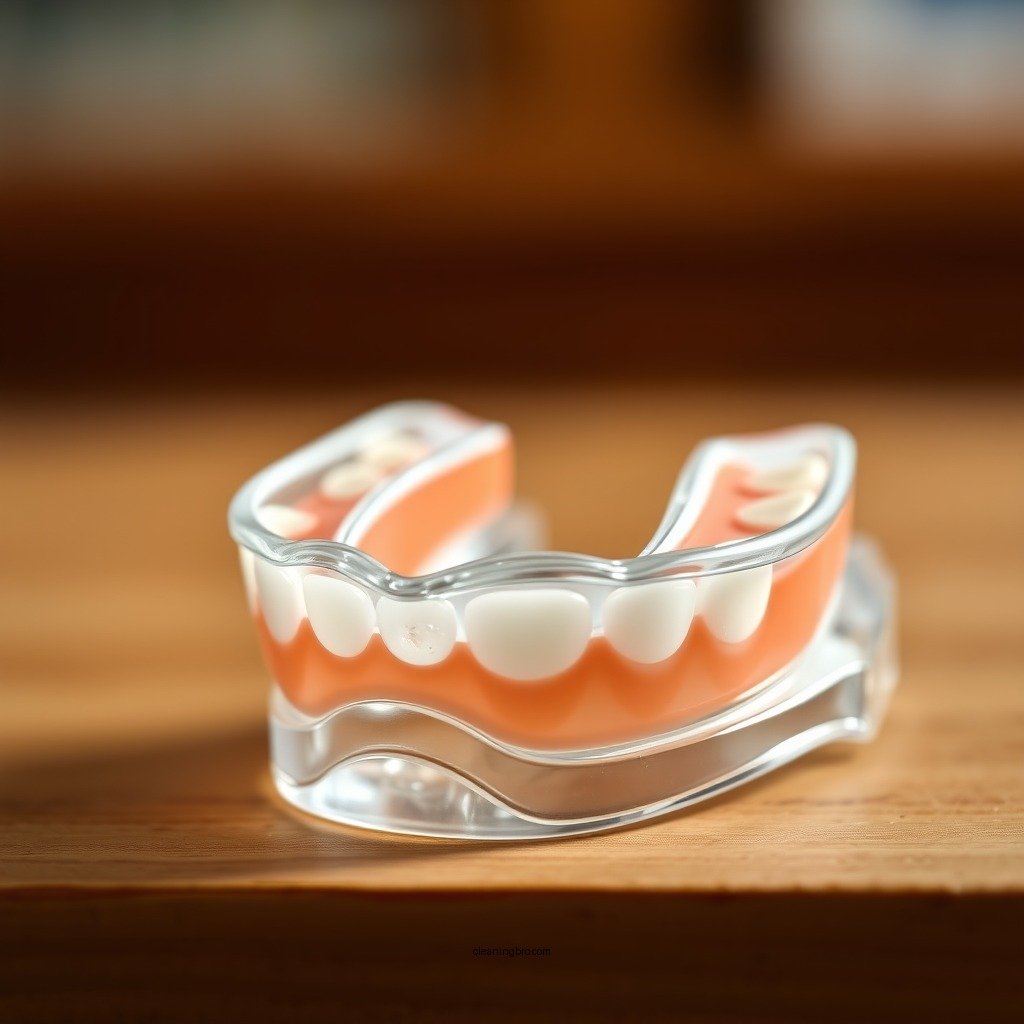
Cleaning your mouth guard is not merely a matter of preference; it is a critical aspect of oral health. Failing to clean your mouth guard can lead to a host of issues, including:
– Prevention of Bacteria Buildup: Mouth guards can harbor bacteria, fungi, and other pathogens if not cleaned properly. This buildup can lead to oral infections and other health complications.
– Maintaining the Mouth Guard’s Integrity: Regular cleaning helps preserve the material and shape of the mouth guard, ensuring it continues to fit well and perform its function effectively.
– Ensuring Fresh Breath: A clean mouth guard will help you maintain fresh breath, as food particles and bacteria trapped in the guard can contribute to unpleasant odors.
Investing time in cleaning your mouth guard can lead to better oral health, fewer dental problems, and overall comfort during use.
Daily Cleaning Routine
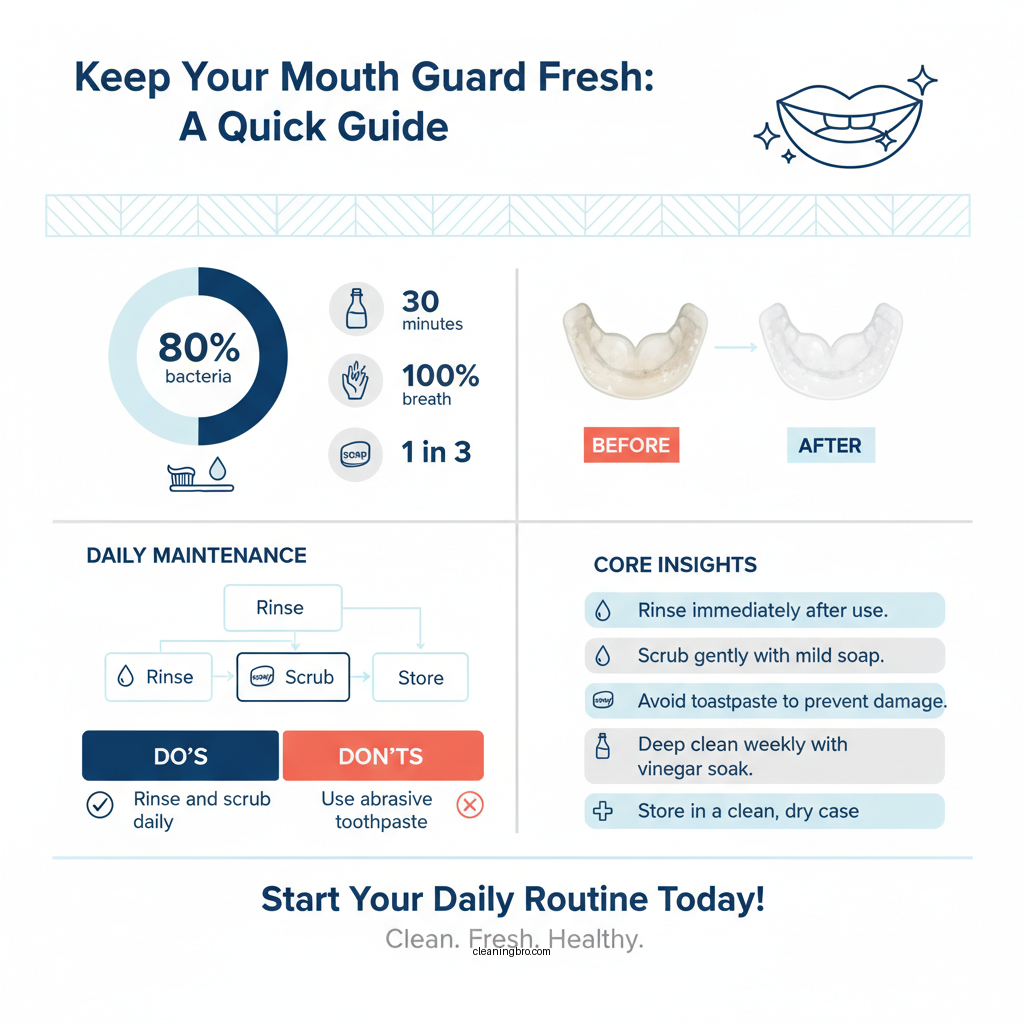
Incorporating a daily cleaning routine into your oral care regimen is vital for the upkeep of your mouth guard. Here’s how to effectively clean your mouth guard after each use:
– Rinse Thoroughly: Immediately after removing your mouth guard, rinse it under warm water to dislodge any food particles or saliva. This quick step significantly reduces the potential for bacterial growth.
– Scrub with a Soft Toothbrush: Using a soft toothbrush, gently scrub the surface of the mouth guard with mild soap. This helps to remove any lingering debris without damaging the material.
– Avoid Toothpaste: While it might be tempting to use toothpaste, many commercial brands contain abrasive ingredients that can scratch or degrade the mouth guard’s surface. Stick to mild soap or specialized mouth guard cleaning solutions.
By adopting this simple routine, you can ensure that your mouth guard remains clean and functional, minimizing the risk of oral health issues.
Deep Cleaning Methods
In addition to daily maintenance, periodic deep cleaning is necessary to eliminate any stubborn bacteria or stains. Here are two effective methods for deep cleaning your mouth guard:
– Vinegar Soak: Mix equal parts water and white vinegar, and soak your mouth guard in this solution for 30 minutes. The acidity of the vinegar helps disinfect and remove stains. After soaking, rinse thoroughly to eliminate any vinegary taste or smell.
– Baking Soda Paste: Create a paste using baking soda and water, applying it to your mouth guard with a soft toothbrush. Baking soda is a natural deodorizer and helps scrub away any stains or buildup. Rinse the mouth guard thoroughly after cleaning.
These deep cleaning methods can be performed once a week or bi-weekly, depending on your usage frequency, to ensure your mouth guard remains in optimal condition.
Top 7 Mouth Guard Cleaning Methods
| # | Cleaning Method | Duration | Effectiveness |
|---|---|---|---|
| 1 | Vinegar Soak | 30 minutes | High |
| 2 | Baking Soda Paste | 10 minutes | Medium |
| 3 | Dish Soap Scrub | 5 minutes | High |
| 4 | Hydrogen Peroxide Soak | 15 minutes | High |
| 5 | Mouth Guard Cleaning Tablets | 10 minutes | High |
| 6 | Salt Water Rinse | 5 minutes | Medium |
| 7 | Boiling Water Dip | 2 minutes | Low |
Storing Your Mouth Guard Properly
Proper storage of your mouth guard is just as important as cleaning it. Following these guidelines will help extend the lifespan of your mouth guard:
– Ventilated Case: Always store your mouth guard in a well-ventilated case. This prevents moisture accumulation, which can lead to bacteria growth and damage.
– Clean the Case: Before placing your mouth guard inside, ensure that the case is clean. A dirty case can contaminate your mouth guard, negating the benefits of your cleaning efforts.
– Avoid Direct Sunlight and Heat: Never expose your mouth guard to direct sunlight or high temperatures, as this can warp its shape and reduce its effectiveness. Store it in a cool, dry place instead.
By adhering to these storage practices, you can maintain the structural integrity and cleanliness of your mouth guard for longer periods.
Signs Your Mouth Guard Needs Replacing
Despite your best cleaning efforts, mouth guards have a finite lifespan. Here are some signs indicating that it may be time to replace your mouth guard:
– Wear and Tear: If you notice cracks, tears, or significant wear on the mouth guard, it may no longer provide adequate protection.
– Discoloration: A change in color, especially a yellow or brown tint, can indicate that the material is degrading or that bacteria are deeply embedded.
– Odor: If your mouth guard develops a persistent unpleasant odor that does not dissipate after cleaning, it likely needs to be replaced.
– Poor Fit: If your mouth guard no longer fits securely in your mouth, it may have warped over time and should be replaced to ensure proper protection.
Regularly checking your mouth guard for these signs can help you avoid potential dental issues and ensure that you are always adequately protected.
Additional Care Tips
To maximize the lifespan and effectiveness of your mouth guard, consider the following additional care tips:
– Avoid Sharing: Never share your mouth guard with others, as this can lead to cross-contamination and the spread of bacteria or viruses.
– Regular Inspections: Periodically check your mouth guard for signs of damage or wear. This proactive approach can help catch issues early.
– Use Cleaning Tablets: Consider investing in specialized mouth guard cleaning tablets. These products can provide a thorough clean and help eliminate odors, enhancing your overall oral hygiene routine.
Incorporating these additional care strategies will enhance the longevity and efficacy of your mouth guard, ensuring it serves its purpose effectively.
Maintaining a clean mouth guard is crucial for your dental health and comfort. By following these simple cleaning methods and storage tips, you can ensure your mouth guard remains effective and safe to use. Making cleaning your mouth guard a part of your daily routine is an essential step towards optimal oral care.
Frequently Asked Questions
How often should I clean my mouth guard?
It’s essential to clean your mouth guard daily to prevent the buildup of bacteria and plaque. Rinse it with cold water after each use, and clean it thoroughly with a soft toothbrush and mild soap weekly. This routine will help maintain your oral hygiene and prolong the life of the mouth guard.
What is the best way to disinfect a mouth guard?
The best way to disinfect a mouth guard is by soaking it in a solution of 1 part vinegar to 3 parts water for about 30 minutes. After soaking, rinse it thoroughly with cool water and let it air dry. This method effectively kills germs and helps eliminate odors without damaging the material.
Why does my mouth guard smell, and how can I fix it?
A mouth guard can develop an unpleasant odor due to bacteria and plaque buildup. To fix this, clean your mouth guard daily and periodically soak it in a vinegar solution or mouthwash. Regular cleaning will help prevent odors and keep your mouth guard fresh.
Which cleaning products are safe for my mouth guard?
Use mild soap, non-abrasive toothpaste, or specialized mouth guard cleaners to safely clean your mouth guard. Avoid using harsh chemicals or bleach, as they can damage the material and potentially harm your health. Always rinse thoroughly after cleaning.
How do I properly store my mouth guard when not in use?
Proper storage of your mouth guard is crucial for maintaining its shape and hygiene. Store it in a ventilated case to prevent moisture buildup and bacteria growth. Ensure the mouth guard is completely dry before placing it in the case to avoid unpleasant odors and deterioration.
References
- https://www.mayoclinic.org/healthy-lifestyle/adult-health/in-depth/dental-care/art-20046360
https://www.mayoclinic.org/healthy-lifestyle/adult-health/in-depth/dental-care/art-20046360 - https://www.ncbi.nlm.nih.gov/pmc/articles/PMC6367170/
https://www.ncbi.nlm.nih.gov/pmc/articles/PMC6367170/ - Athletic Mouth Protectors (Mouthguards) | American Dental Association
https://www.ada.org/en/member-center/oral-health-topics/mouthguards - https://www.cdc.gov/oralhealth/dental_care/mouthguards.html
https://www.cdc.gov/oralhealth/dental_care/mouthguards.html - https://www.nature.com/articles/s41598-020-68880-8
https://www.nature.com/articles/s41598-020-68880-8 - https://www.sciencedirect.com/science/article/abs/pii/S2213194518300936
https://www.sciencedirect.com/science/article/abs/pii/S2213194518300936 - Oral health
https://www.who.int/news-room/fact-sheets/detail/oral-health - https://www.britannica.com/science/mouthguard
https://www.britannica.com/science/mouthguard - Google Scholar Google Scholar
https://scholar.google.com/scholar?q=how+to+clean+a+mouth+guard - Google Scholar Google Scholar
https://scholar.google.com/scholar?q=cleaning+mouth+guard+oral+health
