
Cleaning your mouth after wisdom teeth removal is essential for promoting healing and preventing infection. Effective oral hygiene practices during recovery can significantly reduce the risk of complications. To maintain oral cleanliness, it is advisable to gently rinse your mouth with salt water, refrain from using straws, and adhere to your dentist’s specific post-operative instructions. In this article, you’ll learn effective techniques and tips to keep your mouth clean while ensuring a smooth healing process.
The Importance of Oral Hygiene Post-Surgery
Moreover, diligent oral care promotes faster healing and recovery. The body needs an optimal environment to heal, and cleanliness plays a crucial role in creating that environment. By keeping the mouth clean, you can help ensure that the surgical site heals correctly and without additional complications, leading to a quicker return to your normal routine.
Recommended Rinsing Techniques
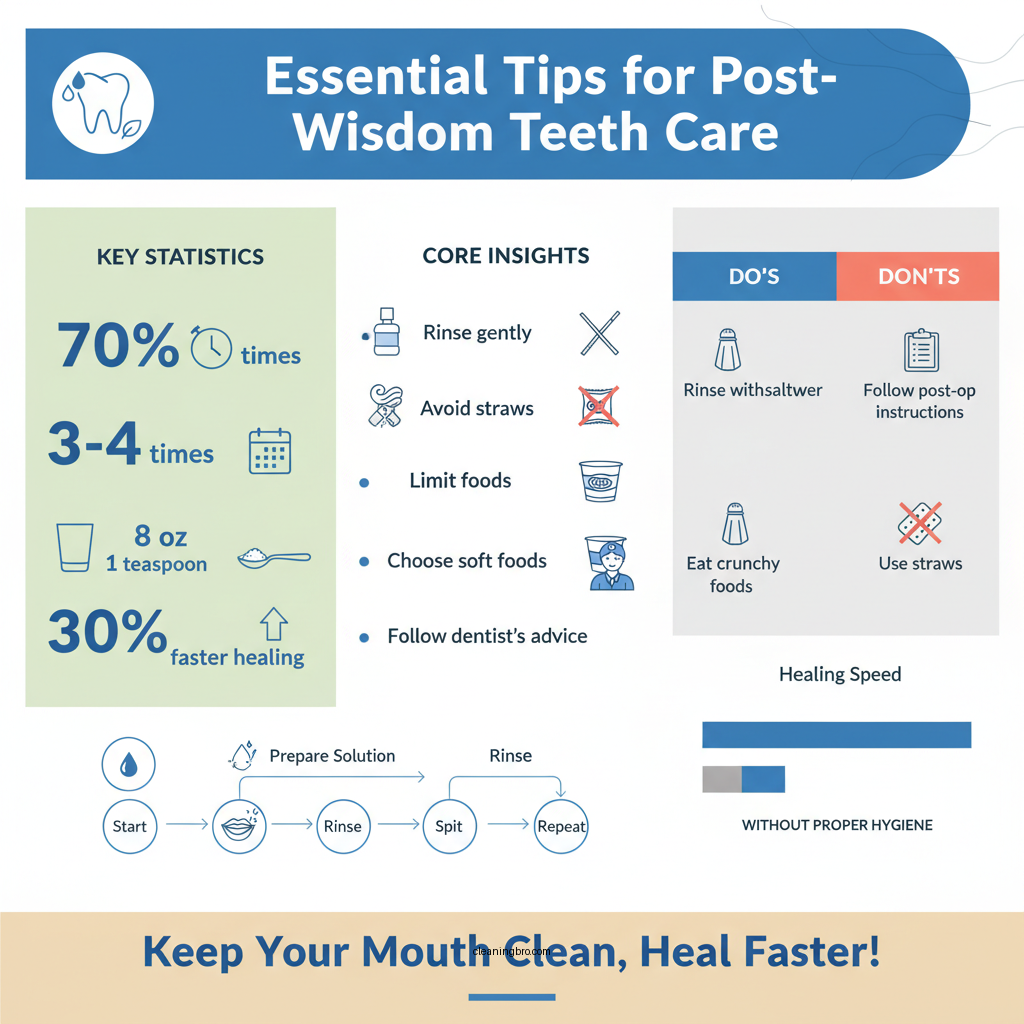
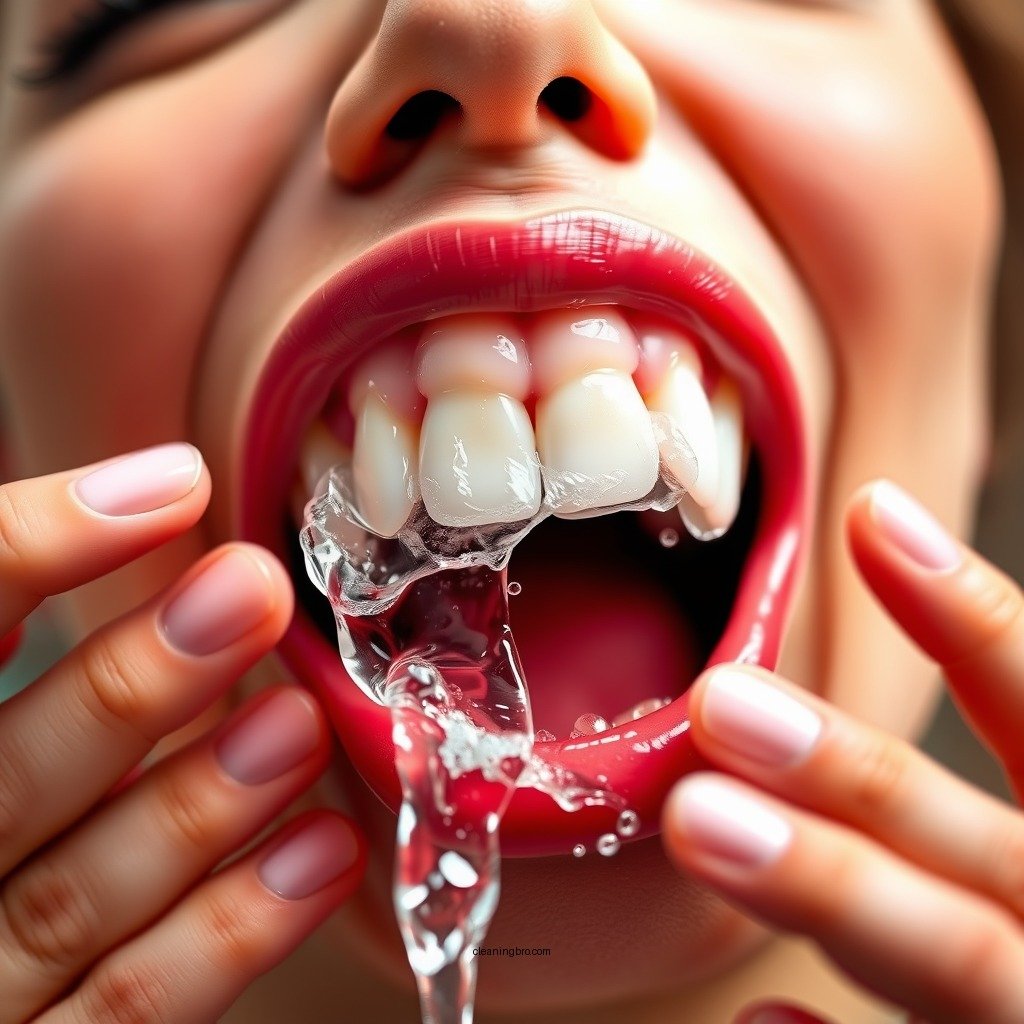
One of the most effective ways to keep your mouth clean post-surgery is through rinsing with warm salt water. This natural antiseptic helps to soothe the extraction site, reduce inflammation, and promote healing. To prepare a saltwater rinse, dissolve about half a teaspoon of salt in eight ounces of warm water.
When rinsing, it’s important to do so gently. Vigorous swishing can dislodge blood clots that are essential for proper healing. Instead, tilt your head slightly and let the solution swish around your mouth before spitting it out gently. Aim to rinse your mouth with salt water about three to four times a day, especially after meals, starting 24 hours after your surgery.
Foods to Avoid for a Clean Mouth

Diet plays a critical role in oral hygiene, especially after wisdom teeth removal. Certain foods can irritate the extraction site and hinder the healing process. It is advisable to avoid hard, crunchy, or spicy foods, as these can cause discomfort and even damage the surgical area. Foods such as chips, nuts, and raw vegetables should be avoided until you are fully healed.
Additionally, sugary foods can foster bacterial growth in your mouth, which can lead to infection. Opt for soft, bland foods such as yogurt, mashed potatoes, and smoothies during your recovery. These options will not only be easier to consume but will also help maintain a cleaner environment in your mouth.
Timing for Mouth Cleaning
Timing is critical when it comes to cleaning your mouth after oral surgery. It is recommended to wait at least 24 hours post-surgery before you begin rinsing your mouth. This waiting period allows the blood clot to form properly, protecting the surgical site from bacteria and irritation.
As healing progresses, you can gradually introduce more comprehensive cleaning methods. After the first few days, you can start to gently brush the surrounding teeth, but avoid the extraction site until your dentist gives you the green light. Following your dentist’s specific instructions regarding the timing of resuming regular oral hygiene practices is crucial for a successful recovery.
Recommended Foods for Recovery After Wisdom Teeth Removal
| # | Food Type | Benefits | Avoid |
|---|---|---|---|
| 1 | Yogurt | Provides protein and probiotics | Crunchy granola |
| 2 | Mashed Potatoes | Soft and easy to eat | Fried foods |
| 3 | Smoothies | Easy to consume with nutrients | Spicy foods |
| 4 | Bananas | Soft and nutritious | Nuts and seeds |
| 5 | Applesauce | Soft and easy to swallow | Hard candies |
| 6 | Oatmeal | Gentle on the mouth | Granola bars |
| 7 | Pudding | Soft dessert option | Chewy candies |
Signs of Infection to Watch For
After wisdom teeth removal, it is crucial to monitor your recovery closely for any signs of infection. One of the first indicators may be increased pain that seems to worsen rather than improve over time. Additionally, swelling around the extraction site is common, but if it becomes pronounced or persists beyond a few days, it could signal a problem.
Another key sign to watch for is unusual discharge from the extraction site. If you notice any pus or an unpleasant odor, this could be indicative of an infection. Fever and persistent discomfort are also alarming symptoms that should prompt immediate consultation with your dentist. Early detection of an infection can lead to more effective treatment and a quicker resolution.
When to Resume Normal Oral Care
Resuming regular oral care after wisdom teeth removal should be approached with caution. Most dentists recommend that patients wait a few days before gently brushing their teeth, particularly the area surrounding the extraction site. After about three to four days, you may begin to brush your teeth carefully, avoiding the extraction area until it has healed sufficiently.
It’s essential to consult with your dentist regarding the timeline for returning to your normal dental hygiene practices. Each patient’s recovery is unique, and following your dentist’s advice is critical for ensuring that you do not disrupt the healing process.
Post-Operative Care Products: A Comparison of Options
| Feature | ⭐ Saltwater Rinse | Antiseptic Mouthwash | Chlorhexidine Rinse |
|---|---|---|---|
| Ease of Use | Very Easy | Easy | Moderate |
| Cost | Low (Homemade) | Moderate | High |
| Effectiveness | ✅ Good | ✅ Very Good | ✅ Excellent |
| Antimicrobial Properties | Limited | Yes | Strong |
| Alcohol Content | No | Yes | Yes |
| Flavors | Natural | Varied | Limited |
| Duration of Use | Short-term | Short-term | Long-term |
| Flavoring Agents | Natural | Artificial | Artificial |
| Taste | Salty | Minty | Minty |
| 🏆 Best For | Cost-effective healing | General oral care | Infection prevention |
Additional Tips for a Smooth Recovery
In addition to the techniques mentioned, there are several other strategies to ensure a smoother recovery after wisdom teeth removal. Staying hydrated is vital; drinking plenty of water aids in the healing process and helps keep your mouth moist. However, be cautious about using straws, as the suction can dislodge blood clots and delay recovery.
Eating soft foods is equally important. Foods such as mashed potatoes, soups, and smoothies can provide essential nutrients while minimizing discomfort. Additionally, following any specific instructions provided by your dental care provider is crucial. They may offer tailored advice based on your unique situation, including medication for pain management or specific oral care products to use.
Monitoring your recovery and maintaining open communication with your dentist will also help ensure that any issues are addressed promptly.
Keeping your mouth clean after wisdom teeth removal is essential for a successful recovery. By following these tips and techniques, you can effectively manage your oral hygiene and promote healing. If you have any concerns or notice signs of infection, don’t hesitate to reach out to your dentist for guidance.
Frequently Asked Questions
How soon can I start cleaning my mouth after wisdom teeth removal?
You can start rinsing your mouth gently with warm salt water 24 hours after your wisdom teeth removal. This helps to keep the extraction site clean and promotes healing. Avoid using mouthwash with alcohol or vigorous rinsing for the first few days to prevent dislodging the blood clot.
What is the best way to clean my mouth after wisdom teeth removal?
The best way to clean your mouth post-surgery is by using a saltwater rinse made from one teaspoon of salt in a cup of warm water. Rinse gently to avoid disturbing the healing area, and do this several times a day, especially after eating, to remove food particles and bacteria.
Why should I avoid brushing my teeth immediately after wisdom teeth removal?
Avoid brushing your teeth near the extraction site for at least 72 hours to prevent irritation and dislodgment of the blood clot. Brushing too soon can lead to complications such as dry socket, which can be painful and delay healing.
Which mouthwash is safe to use after wisdom teeth removal?
After wisdom teeth removal, it’s best to use an alcohol-free mouthwash or a gentle saline solution. Alcohol-based mouthwashes can irritate the healing tissues and should be avoided until you are fully healed, typically a week or two post-surgery.
How can I manage bad breath while cleaning my mouth after wisdom teeth removal?
To manage bad breath after wisdom teeth removal, maintain a consistent routine of rinsing with saltwater to help eliminate bacteria and food particles. Staying hydrated and avoiding certain foods can also help; if bad breath persists, consult your dentist for further advice.
References
- https://www.mayoclinic.org/diseases-conditions/wisdom-teeth-removal/symptoms-causes/syc-20358031
https://www.mayoclinic.org/diseases-conditions/wisdom-teeth-removal/symptoms-causes/syc-20358031 - https://www.ncbi.nlm.nih.gov/pmc/articles/PMC4890144/
https://www.ncbi.nlm.nih.gov/pmc/articles/PMC4890144/ - https://www.wisewisdomteeth.com/articles/how-to-take-care-of-your-mouth-after-wisdom-teeth-removal
https://www.wisewisdomteeth.com/articles/how-to-take-care-of-your-mouth-after-wisdom-teeth-removal - What civil society does in and for health: a framework – Civil society and health – NCBI Bookshelf
https://www.ncbi.nlm.nih.gov/books/NBK459034/ - https://www.cdc.gov/oralhealth/publications/faq_wisdom_teeth.html
https://www.cdc.gov/oralhealth/publications/faq_wisdom_teeth.html - Wisdom Teeth | MouthHealthy – Oral Health Information from the ADA
https://www.mouthhealthy.org/en/az-topics/w/wisdom-teeth - Google Scholar Google Scholar
https://scholar.google.com/scholar?q=cleaning+mouth+after+wisdom+teeth+removal - Google Scholar Google Scholar
https://scholar.google.com/scholar?q=post-operative+care+wisdom+teeth - Google Scholar Google Scholar
https://scholar.google.com/scholar?q=dental+hygiene+after+wisdom+teeth+extraction - Google Scholar Google Scholar
https://scholar.google.com/scholar?q=how+to+clean+mouth+after+wisdom+teeth+removal
