
Cleaning your nightguard is essential for maintaining oral hygiene and ensuring its longevity. To effectively clean your nightguard, rinse it daily, use a gentle cleanser, and store it properly. In this guide, you will learn the best practices for keeping your nightguard fresh and safe for use.
Nightguards, also known as occlusal splints or bite guards, serve an important function in protecting your teeth from grinding and clenching, which can lead to dental damage and discomfort. Regular cleaning not only helps maintain the nightguard’s integrity but also prevents the buildup of bacteria and harmful substances that could adversely affect your oral health. This article provides a comprehensive overview of how to clean a nightguard effectively while also highlighting key practices for its maintenance.
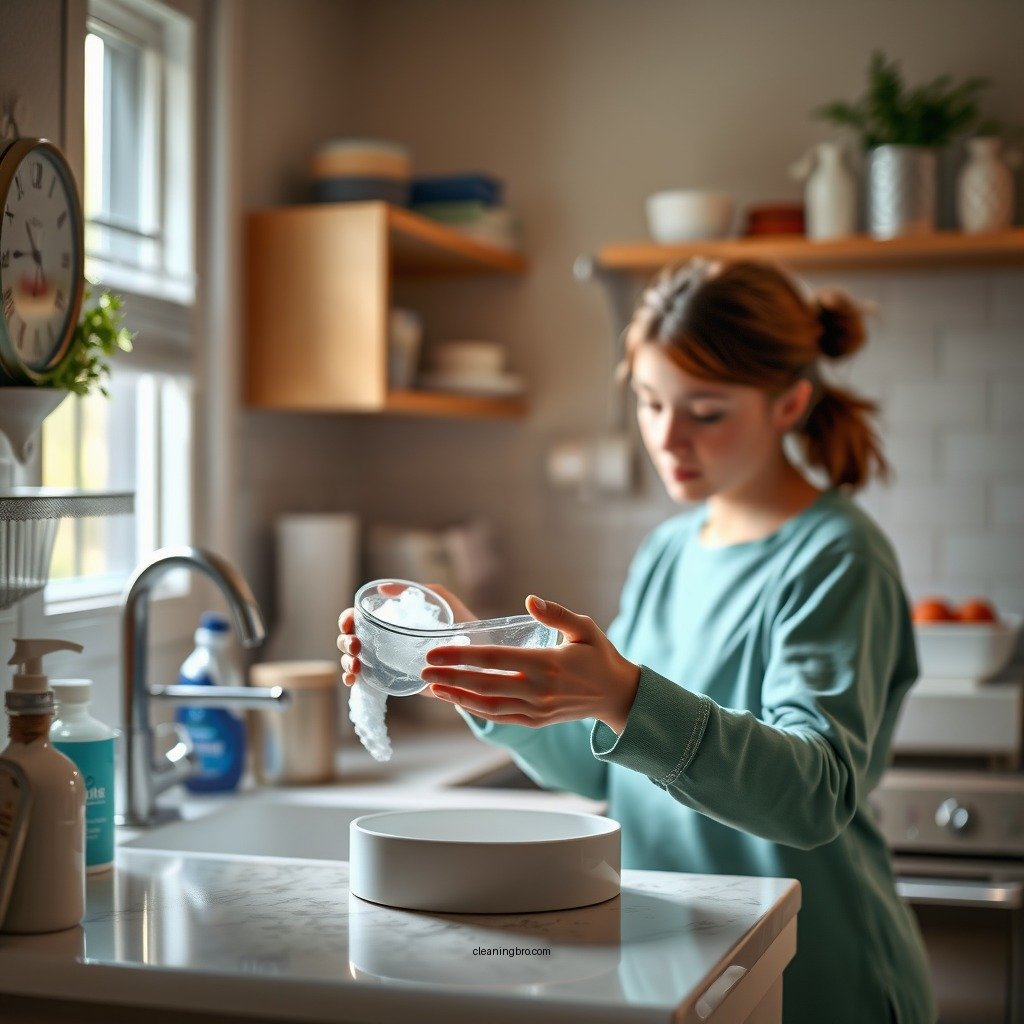
Daily Rinsing
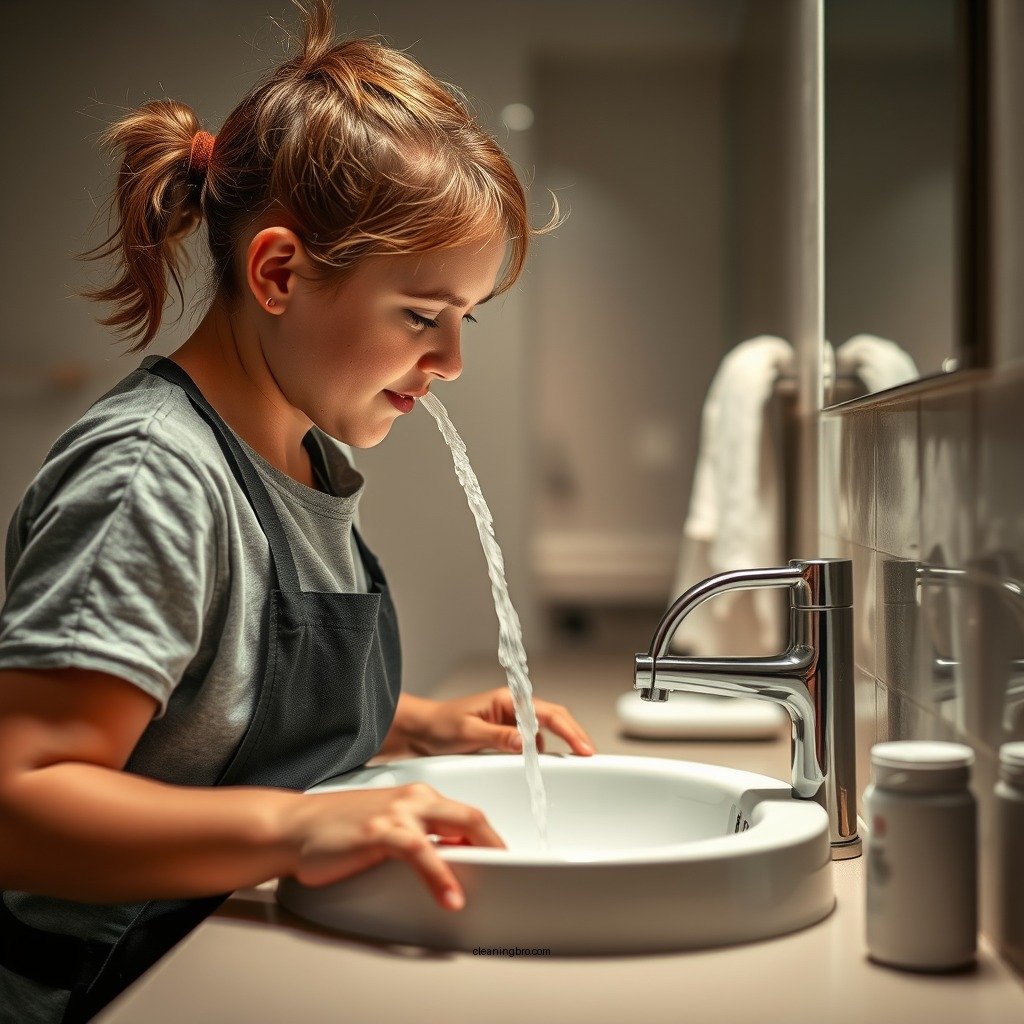
One of the simplest yet most effective ways to keep your nightguard clean is to rinse it daily.
– Morning Routine: Rinse your nightguard with lukewarm water every morning right after removing it. This helps to wash away saliva, food particles, and bacteria that may have accumulated overnight.
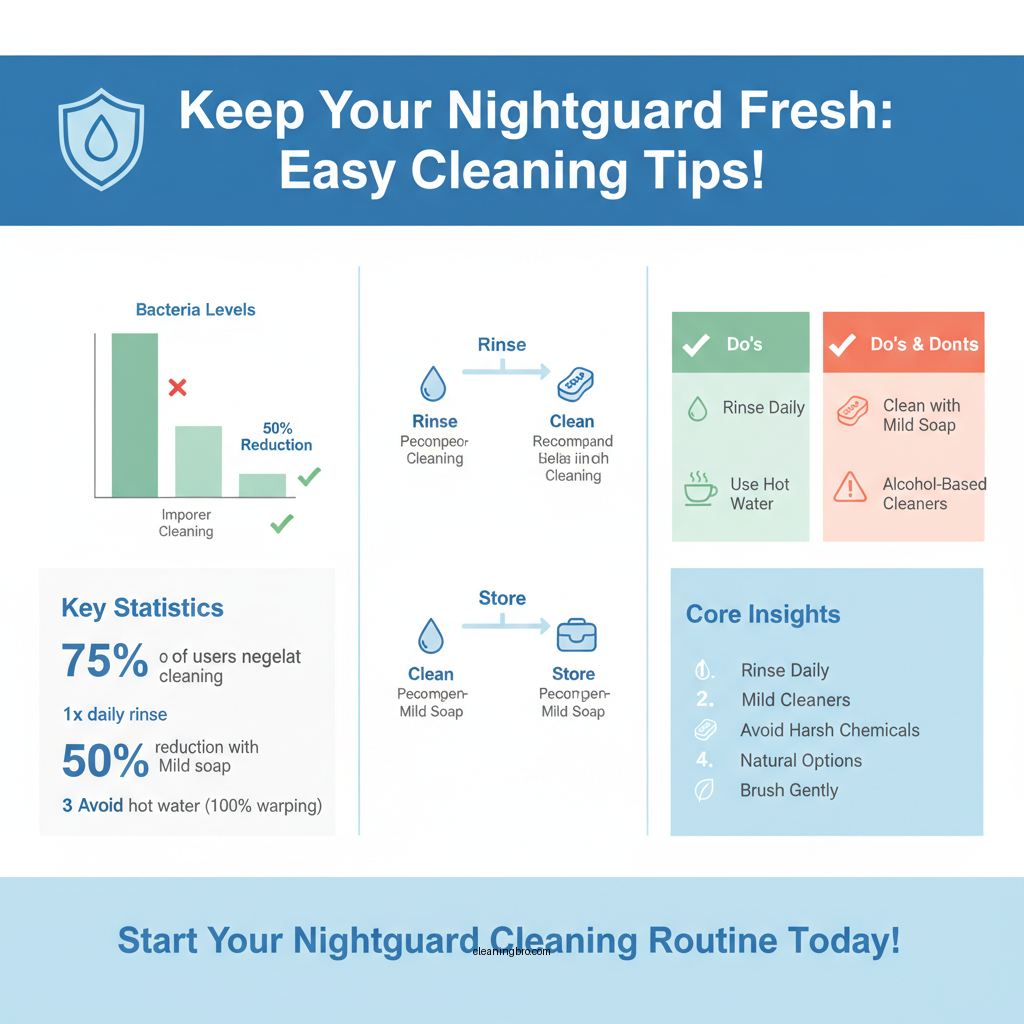
– Avoid Hot Water: It is crucial to avoid using hot water when rinsing your nightguard, as high temperatures can warp the material, leading to a poor fit and reduced effectiveness.
In addition to daily rinsing, you should also consider rinsing your nightguard after any meals or snacks, especially if you consume acidic or sugary foods. This extra measure can help minimize plaque buildup and keep your nightguard fresh.
Gentle Cleansing Solutions
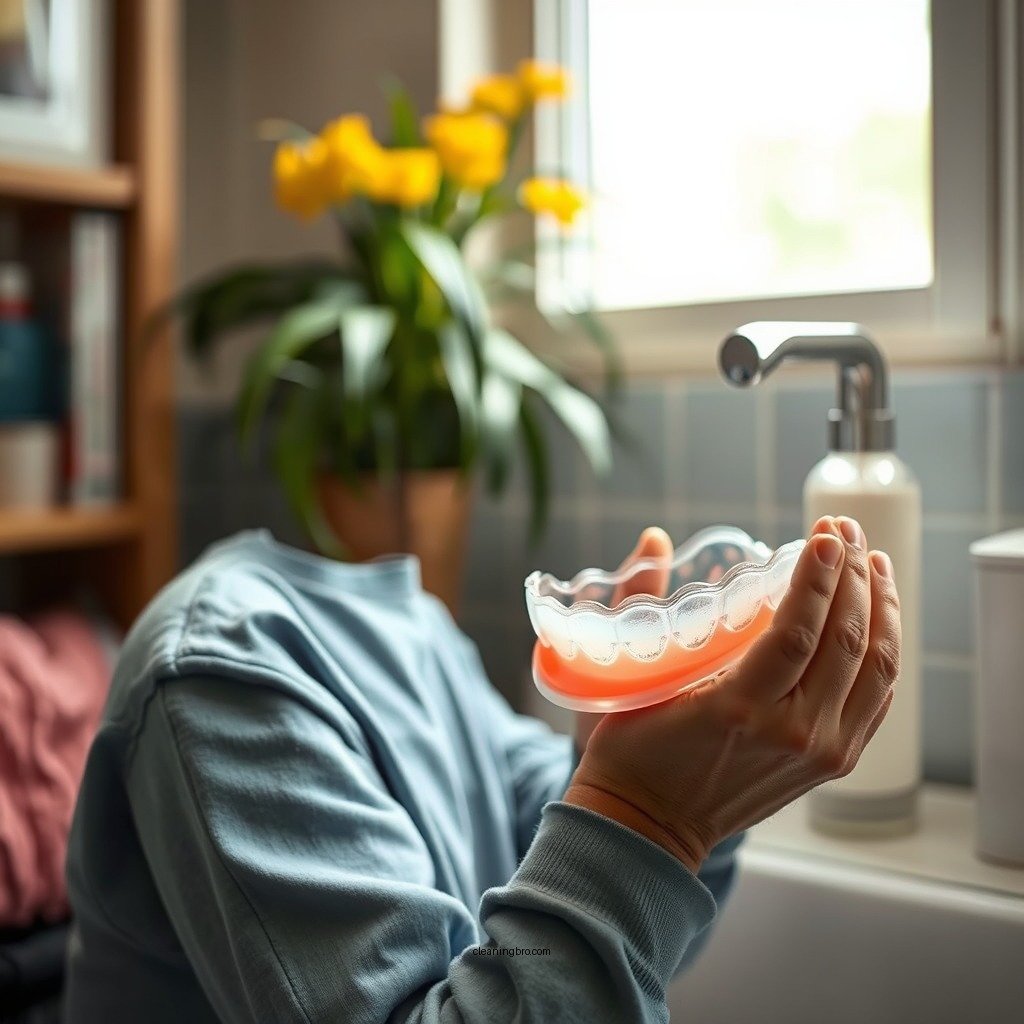
After rinsing, a more thorough cleaning is essential to maintain the nightguard’s hygiene.
– Mild Cleaners: Use a mild dish soap or a non-abrasive toothpaste to clean your nightguard. Apply a small amount to your soft-bristled toothbrush and gently scrub all surfaces of the nightguard.
– Avoid Harsh Chemicals: Steer clear of harsh chemicals or alcohol-based cleaners, as these can damage the material of the nightguard and lead to degradation over time.
For those who prefer natural methods, a solution made from equal parts water and white vinegar can be effective as a gentle cleaning agent. However, it should be used sparingly to prevent any potential damage from prolonged exposure.
Proper Brushing Techniques
When it comes to cleaning your nightguard, using the right brushing techniques is vital.
– Soft-Bristled Toothbrush: Utilize a soft-bristled toothbrush to gently scrub your nightguard. This helps to avoid scratching or damaging the material.
– Surface Coverage: Focus on all surfaces, paying special attention to the areas that come into contact with your teeth. A thorough cleaning will help eliminate any built-up plaque and bacteria that could affect your oral health.
It is advisable to establish a specific time for cleaning your nightguard, such as after brushing your teeth at night or in the morning. Consistency will help ensure that the cleaning process becomes a part of your daily routine.
Deep Cleaning Methods
In addition to daily maintenance, deep cleaning your nightguard on a weekly basis is also recommended to keep it in optimal condition.
– Vinegar Soak: Soak your nightguard in a mixture of equal parts water and white vinegar for about 30 minutes once a week. This solution can help disinfect the nightguard and eliminate any odors.
– Denture Cleaner: Alternatively, consider using a denture cleaner specifically designed for nightguards. These products can provide a more thorough cleaning while ensuring compatibility with the material of your nightguard.
It’s important to thoroughly rinse your nightguard with lukewarm water after any deep cleaning to remove any residue from the cleaning solution.
Top 7 Nightguard Cleaning Products (2024)
| # | Product | Type | Size | Price |
|---|---|---|---|---|
| 1 | Retainer Brite | Cleaning Tablets | 40 Tablets | $9.95 |
| 2 | Mouthguard Cleaner | Liquid Cleaner | 8 oz | $5.99 |
| 3 | Sonicare UV Sanitizer | UV Sanitizer | 1 Unit | $49.99 |
| 4 | Denture Cleanser | Cleaning Tablets | 32 Tablets | $8.50 |
| 5 | Smile Brilliant | Cleaning Gel | 4 oz | $14.99 |
| 6 | Oclean U2 | Ultrasonic Cleaner | 1 Unit | $89.99 |
| 7 | Fresh Guard | Foam Cleaner | 4 oz | $10.99 |
Safe Storage Tips
Proper storage of your nightguard is just as important as cleaning it.
– Ventilated Case: After cleaning, store your nightguard in a ventilated case. This prevents moisture buildup, which can lead to bacterial growth and unpleasant odors.
– Temperature Control: Keep your nightguard in a cool, dry place away from direct sunlight and high temperatures. Heat can warp the material, compromising its fit and effectiveness.
Regularly inspect your storage case for cleanliness as well. A dirty case can introduce harmful bacteria back onto your nightguard, negating your cleaning efforts.
Signs Your Nightguard Needs Replacement
Despite your best cleaning and storage efforts, there may come a time when your nightguard needs to be replaced.
– Physical Damage: Look for cracks, tears, or significant wear on the surface. These can diminish the protective function of the nightguard and might cause discomfort.
– Fit Issues: If the nightguard no longer fits comfortably or feels loose, it’s time for a new one. An improper fit can lead to irritation of the gums and teeth, negating the benefits of wearing a nightguard.
Consult your dentist if you notice any of these signs. They can provide professional advice and help you find a suitable replacement.
Maintaining your nightguard is crucial for oral health and comfort. By following these straightforward cleaning steps and storage tips, you can ensure your nightguard remains in excellent condition. For best results, incorporate these practices into your daily routine and consult your dentist if you notice any signs of wear or discomfort. A clean and well-maintained nightguard will not only serve its purpose effectively but also help you maintain optimal oral hygiene.
Frequently Asked Questions
What is the best way to clean a nightguard?
The best way to clean a nightguard is to rinse it with lukewarm water after each use and gently brush it with a soft toothbrush. Avoid using toothpaste, as it can be abrasive. For a deeper clean, soak the nightguard in a solution of equal parts water and white vinegar for about 30 minutes, then rinse thoroughly.
How often should I clean my nightguard?
You should clean your nightguard daily to prevent the buildup of bacteria and plaque. Additionally, it’s beneficial to give it a more thorough cleaning at least once a week using a vinegar solution or a specialized nightguard cleaner to maintain its hygiene and longevity.
Why is it important to clean my nightguard regularly?
Regular cleaning of your nightguard is crucial to prevent bacterial growth, which can lead to bad breath, oral infections, and discoloration. Keeping your nightguard clean not only ensures better oral health but also prolongs the lifespan of the device, saving you money in the long run.
Which products are safe to use for cleaning a nightguard?
Safe products for cleaning a nightguard include mild liquid soap, denture cleaning tablets, or a mixture of water and vinegar. Avoid harsh chemicals, alcohol-based cleaners, and abrasive materials, as they can damage the nightguard’s surface and affect its fit and comfort.
How can I store my nightguard to keep it clean?
To keep your nightguard clean, store it in a breathable container, preferably one with ventilation holes, to prevent moisture buildup. Always ensure it is completely dry before storing, and avoid leaving it in direct sunlight or high temperatures, which can warp the material.
References
- https://www.mayoclinic.org/healthy-lifestyle/adult-health/in-depth/dental-night-guards/art-20045504
https://www.mayoclinic.org/healthy-lifestyle/adult-health/in-depth/dental-night-guards/art-20045504 - https://www.ncbi.nlm.nih.gov/pmc/articles/PMC6470106/
https://www.ncbi.nlm.nih.gov/pmc/articles/PMC6470106/ - https://www.healthline.com/health/cleaning-night-guard
https://www.healthline.com/health/cleaning-night-guard - https://www.scholar.google.com/scholar?q=how+to+clean+a+nightguard Google Scholar
https://www.scholar.google.com/scholar?q=how+to+clean+a+nightguard - https://www.scholar.google.com/scholar?q=nightguard+cleaning+methods Google Scholar
https://www.scholar.google.com/scholar?q=nightguard+cleaning+methods - https://www.scholar.google.com/scholar?q=oral+health+nightguard+care Google Scholar
https://www.scholar.google.com/scholar?q=oral+health+nightguard+care - Oral health
https://www.who.int/news-room/fact-sheets/detail/oral-health - https://pubmed.ncbi.nlm.nih.gov/29217057/
https://pubmed.ncbi.nlm.nih.gov/29217057/ - Google Scholar Google Scholar
https://scholar.google.com/scholar?q=how+to+clean+a+nightguard - how to clean a nightguard – Search results
https://en.wikipedia.org/wiki/Special:Search?search=how+to+clean+a+nightguard
