
To clean a mouth guard effectively, rinse it with water after each use and use a gentle soap or mouthwash for deeper cleaning. This routine will help eliminate bacteria and keep your mouth guard fresh. In this article, you’ll learn the best methods for cleaning, tips for maintenance, and how to store your mouth guard properly.
Maintaining the cleanliness of your mouth guard is essential for both your oral health and the longevity of the device. Regular cleaning not only prevents bacteria and germs from proliferating but also ensures that your mouth guard remains in optimal condition. The buildup of plaque and other substances can lead to unpleasant odors and a compromised fit. Below, we will discuss the importance of cleaning your mouth guard, establish a daily cleaning routine, outline deep cleaning techniques, and highlight proper drying and storage methods.
Understanding the Importance of Cleaning Your Mouth Guard
The importance of cleaning your mouth guard cannot be overstated. First and foremost, regular cleaning is vital to prevent bacterial buildup that can lead to oral infections. Mouth guards are often used during contact sports or for teeth grinding, making them susceptible to the accumulation of saliva, food particles, and bacteria. If these are not removed, they can lead to health issues such as gum disease or tooth decay.
Moreover, maintaining the mouth guard’s integrity is crucial for its longevity. A clean mouth guard will last longer and perform better, providing adequate protection for your teeth and gums. Failing to clean it may result in a need for premature replacement, leading to unnecessary expenses. Overall, a clean mouth guard contributes to better oral health and ensures that you get the maximum benefit from your investment.
Daily Cleaning Routine
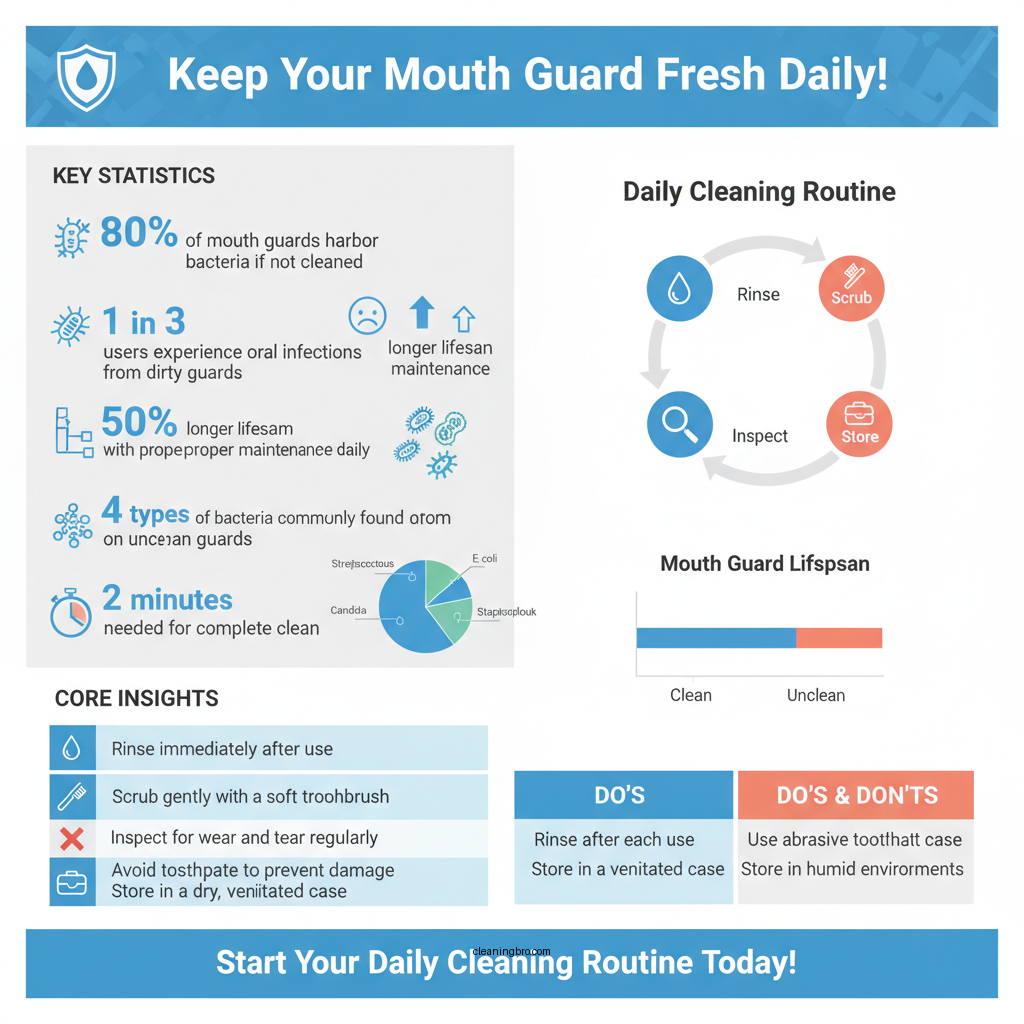
Implementing a daily cleaning routine is a simple yet effective way to maintain your mouth guard. Here are the steps to follow:
1. Rinse with Warm Water: Immediately after use, rinse the mouth guard under warm water. This helps to remove saliva and any loose debris.
2. Use a Soft Toothbrush: Take a soft-bristled toothbrush and apply a small amount of mild soap or gentle mouthwash. Using the toothbrush, gently scrub the surface of the mouth guard to eliminate any bacteria. Avoid using toothpaste as it may be abrasive and damage the material.
3. Rinse Again: After scrubbing, rinse the mouth guard thoroughly with warm water to remove any soap residue.
4. Inspect for Damage: This is also a good time to inspect the mouth guard for any signs of wear and tear, ensuring it is still fit for use.
By following this simple daily routine, you can ensure that your mouth guard stays fresh and hygienic.
Deep Cleaning Techniques
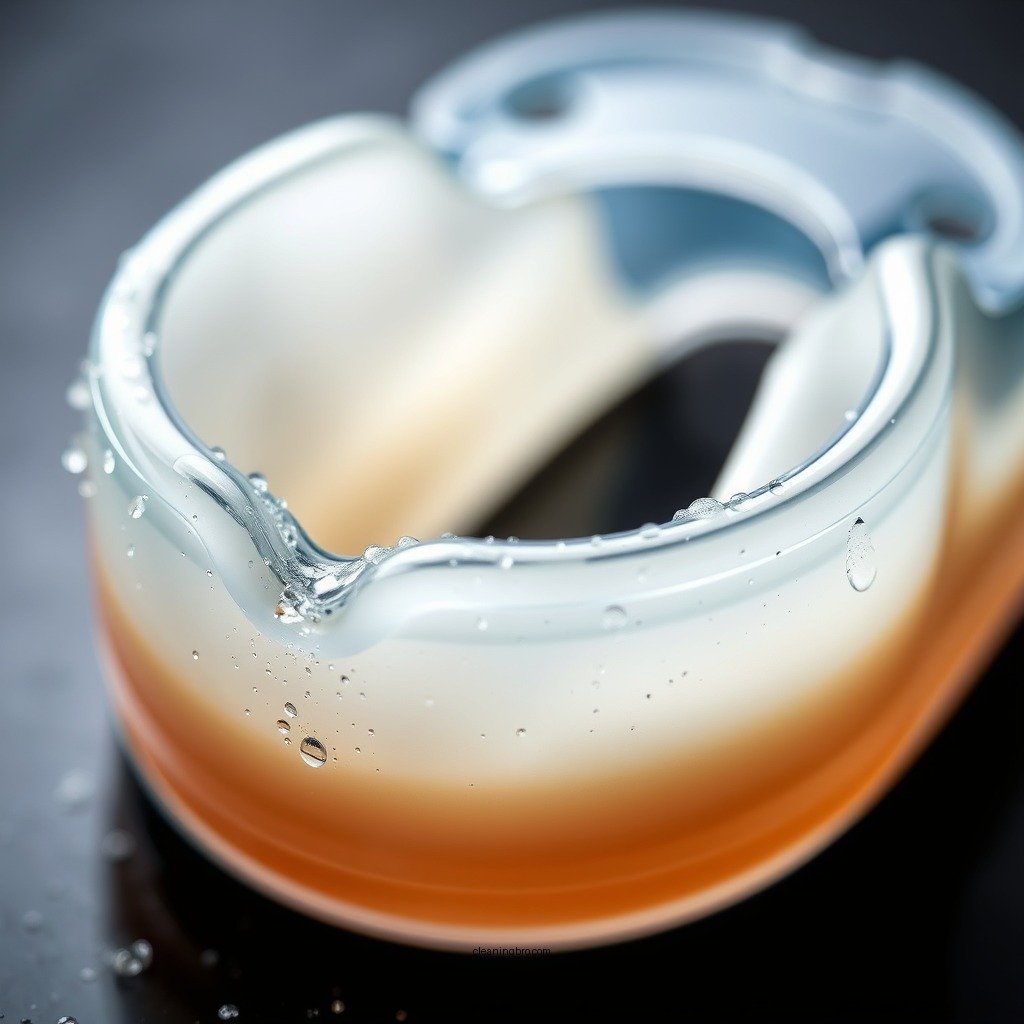
While a daily cleaning routine is essential, you should also incorporate deep cleaning techniques periodically to ensure your mouth guard remains in excellent condition. Here are some effective methods:
1. Vinegar and Water Solution: Mix equal parts of white vinegar and water and soak your mouth guard in the solution for about 30 minutes. Vinegar is a natural disinfectant and will help kill bacteria and remove stains.
2. Hydrogen Peroxide: Another effective solution is hydrogen peroxide. Soak your mouth guard in a 3% hydrogen peroxide solution for 30 minutes. This will disinfect the mouth guard and help eliminate any odors.
3. Cleaning Tablets: Consider using specialized cleaning tablets designed for dental appliances. Dissolve one tablet in a glass of water and soak the mouth guard according to the package instructions. These tablets are specifically formulated to eliminate bacteria and tartar buildup.
4. Avoid Boiling Water: It’s important to note that you should never use boiling water to clean your mouth guard, as this can warp or damage the material.
Top 5 Cleaning Solutions for Mouth Guards
| # | Cleaning Solution | Main Ingredient | Soaking Time | Effectiveness |
|---|---|---|---|---|
| 1 | Vinegar & Water | Vinegar | 30 mins | High |
| 2 | Hydrogen Peroxide | Hydrogen Peroxide | 30 mins | High |
| 3 | Mouth Guard Cleaning Tablets | Various | Follow package instructions | Very High |
| 4 | Baking Soda & Water | Baking Soda | 15 mins | Moderate |
| 5 | Dish Soap & Water | Dish Soap | 10 mins | Low |
Proper Drying and Storage
After cleaning your mouth guard, proper drying and storage are essential to prevent any moisture-related issues such as mold or bacteria growth. Here are some best practices:
1. Air Dry Completely: Allow your mouth guard to air dry completely before storing it. This helps to eliminate any remaining moisture, which can be a breeding ground for bacteria.
2. Use a Ventilated Case: Store your mouth guard in a case that allows for ventilation. A well-ventilated case will help keep the mouth guard dry and prevent moisture buildup that could lead to unpleasant odors or deterioration of the material.
3. Avoid Sealing in Plastic Bags: Do not store your mouth guard in airtight containers or plastic bags, as these can trap moisture and promote bacterial growth.
4. Keep Away from Heat: Store the mouth guard in a cool, dry place, away from direct sunlight or high temperatures, which can warp the material.
By following these guidelines, you can ensure that your mouth guard remains fresh and ready for use.
Signs It’s Time to Replace Your Mouth Guard
Even with regular cleaning and maintenance, there may come a time when you need to replace your mouth guard. Here are some signs to watch for:
1. Noticeable Wear and Tear: If you see cracks, tears, or significant wear on the mouth guard, it is a sign that it may no longer provide adequate protection.
2. Persistent Odors: If your mouth guard continues to have an unpleasant smell even after thorough cleaning, it may be time to replace it.
3. Stains: Stains that do not come out with cleaning, especially those that seem to be embedded in the material, can indicate that the mouth guard is no longer hygienic.
4. Poor Fit: If your mouth guard no longer fits snugly or comfortably, it may have stretched or warped, compromising its protective qualities.
Being mindful of these signs will help you ensure that you always have a functional and hygienic mouth guard.
Tips for Maintaining Your Mouth Guard
Proper maintenance of your mouth guard is crucial for its efficacy and longevity. Here are some practical tips to help you keep your mouth guard in top shape:
1. Avoid High Temperatures: Do not expose your mouth guard to boiling water, hot surfaces, or direct sunlight, as heat can warp the material.
2. Regular Inspections: Frequently check your mouth guard for signs of damage or dirt buildup. If you notice any issues, consider cleaning it more thoroughly or replacing it.
3. Keep Out of Reach of Pets: Store your mouth guard in a safe place away from pets, as they may chew on it, causing damage.
4. Communicate with Your Dentist: Regular dental check-ups can help identify any issues with your mouth guard and ensure that it continues to fit properly.
By following these maintenance tips, you can prolong the life of your mouth guard and ensure it effectively protects your oral health.
In summary, maintaining a clean and functional mouth guard is essential for both oral health and the longevity of the device. By establishing a daily cleaning routine, employing effective deep-cleaning techniques, and following proper drying and storage practices, you can keep your mouth guard fresh and efficient. Be vigilant for any signs that indicate a need for replacement, and adhere to maintenance tips to ensure your mouth guard remains in excellent condition.
Take control of your oral health by implementing these cleaning techniques regularly. Your mouth guard will not only stay fresh but will also serve its purpose effectively, protecting your teeth and gums for years to come.
Frequently Asked Questions
How often should I clean my mouth guard?
You should clean your mouth guard daily to prevent bacteria growth and ensure optimal oral hygiene. Rinse it with cool water after each use, and thoroughly clean it with a mild soap or a specialized mouth guard cleaner at least once a week.
What is the best way to clean a mouth guard at home?
The best way to clean a mouth guard at home is to use a mixture of warm water and mild dish soap. Soak the mouth guard for about 20 minutes, then gently brush it with a soft toothbrush to remove any debris and bacteria before rinsing it thoroughly with cool water.
Why is it important to clean my mouth guard regularly?
Cleaning your mouth guard regularly is crucial to prevent the buildup of bacteria, plaque, and foul odors, which can lead to oral infections and decreased effectiveness of the guard. A clean mouth guard also ensures better breath and overall oral health, enhancing your comfort during use.
Which cleaning products are safe for mouth guards?
Safe cleaning products for mouth guards include mild dish soap, hydrogen peroxide, or specialized mouth guard cleaning tablets. Avoid using abrasive cleaners or harsh chemicals, as they can damage the material of the mouth guard and compromise its protective qualities.
How can I store my mouth guard properly after cleaning?
After cleaning, store your mouth guard in a ventilated case that allows airflow to prevent moisture buildup and bacterial growth. Make sure the mouth guard is completely dry before placing it in the case, and keep it in a cool, dry place away from direct sunlight.
References
- https://www.mayoclinic.org/healthy-lifestyle/adult-health/in-depth/oral-hygiene/art-20046045
https://www.mayoclinic.org/healthy-lifestyle/adult-health/in-depth/oral-hygiene/art-20046045 - https://www.ncbi.nlm.nih.gov/pmc/articles/PMC6326348/
https://www.ncbi.nlm.nih.gov/pmc/articles/PMC6326348/ - Oral health
https://www.who.int/news-room/fact-sheets/detail/oral-health - https://www.cdc.gov/oralhealth/conditions/index.html
https://www.cdc.gov/oralhealth/conditions/index.html - https://www.britannica.com/science/mouthguard
https://www.britannica.com/science/mouthguard - https://www.sciencedirect.com/topics/medicine-and-dentistry/mouthguard
https://www.sciencedirect.com/topics/medicine-and-dentistry/mouthguard - Google Scholar Google Scholar
https://scholar.google.com/scholar?q=how+to+clean+mouth+guard - Google Scholar Google Scholar
https://scholar.google.com/scholar?q=cleaning+mouth+guards+oral+hygiene - Google Scholar Google Scholar
https://scholar.google.com/scholar?q=mouthguard+maintenance - M-Plasty – StatPearls – NCBI Bookshelf
https://www.ncbi.nlm.nih.gov/books/NBK482275/
