

A Pentair cartridge filter can look clean but still trap oils, fine debris, and scale until water flow drops—so many owners waste time rinsing without actually deep-cleaning the pleats. The good news is you can restore performance with a straightforward process: shut off the pump, remove the cartridges, and use the right cleaning approach for your filter’s condition. Plan about 30–60 minutes, and gather basic tools like a hose, a cartridge brush or soft cloth, and the manufacturer-recommended cleaner so you can get it done correctly the first time.
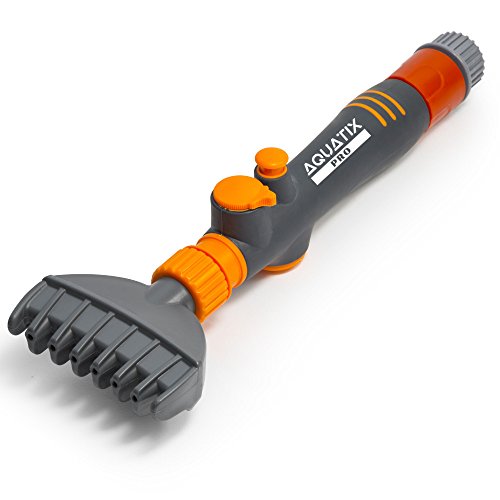



Clean your Pentair cartridge filter by shutting down the pump, relieving pressure, removing the cartridge, rinsing debris out thoroughly, and—when flow is still weak—doing a deeper clean (usually a compatible cartridge cleaner) before reinstalling. This guide walks you through the safe shutdown, cartridge removal, proper rinse/deep-clean steps, and how to restart the system so it runs back efficiently. If you’ve got a Pentair cartridge-style pool/spa filter (and you want to restore flow without guesswork), this is for you—especially when you’re seeing cloudy water, increased pressure, or the filter just doesn’t seem to “catch” debris like it used to. Because Pentair models and setups vary, use this as a practical process and follow your unit’s manual for any model-specific differences.
Supplies and prep for cleaning

The fastest Pentair cartridge filter clean starts with the right prep so you don’t damage the cartridge or lose time mid-job. Have everything staged before you touch the filter housing—In 2026, that simple workflow matters even more because most cartridge clogging problems are solved by consistent cleaning and careful reassembly.
– Locate the cartridge (and any O-rings) and have a garden hose ready for a thorough rinse.
– Plan for a bucket or tub if you’ll soak the cartridge in a cleaner that’s compatible with cartridge filters.
– Check what your manual recommends for cleaning agents and whether soaking is allowed for your exact Pentair model.
Why prep changes outcomes: a Pentair cartridge filter works best when the cartridge pleats are not deformed and the O-ring seals correctly. When prep is rushed, homeowners often rinse without removing enough grit, use an incompatible cleaner, or reinstall with a twisted gasket—then the Pentair filter either leaks or won’t return to normal flow.
To reduce future clogs, we also recommend you confirm basic water chemistry first, because poor circulation and algae growth drive more debris into the Pentair cartridge filter. According to the CDC Model Aquatic Health Code (MAHC) 2018, maintaining proper disinfectant and pool sanitation helps prevent biological buildup that accelerates cartridge loading (CDC Model Aquatic Health Code (MAHC), 2018). In 2026, that preventive step is one of the easiest ways to avoid repeating the same Pentair cartridge cleaning over and over.
Visual: Cartridge “micron rating” context (what your filter is designed to catch)
Typical Cartridge Micron Ratings and What They Usually Capture (Pool Use)
| # | Cartridge rating | Typical particle size class | Common pool debris examples | Relative clog resistance |
|---|---|---|---|---|
| 1 | 10 µm | Very fine | Fine dust, fine silt | Low |
| 2 | 20 µm | Fine | Pollen fines, fine turbidity | Low–Medium |
| 3 | 30 µm | Medium fine | Moderate silt, micro-debris | Medium |
| 4 | 50 µm | Medium | Silt, suspended solids | Medium–High |
| 5 | 75 µm | Coarser | Leaf dust, larger grit | High |
| 6 | 100 µm | Coarse | Large debris fragments | High |
| 7 | 150 µm | Very coarse | Large grit pre-straining | Very High |
Shut down and remove the Pentair cartridge
You should shut down and relieve pressure first—this is the step that prevents leaks and protects both you and the Pentair cartridge filter’s seals. When a Pentair filter housing is opened under pressure, water can spray and O-rings can roll out of position, which then causes bypass flow that looks like “the cartridge won’t work.”
– Turn off the pump and relieve system pressure before opening the filter housing (this prevents messy leaks and reduces risk).
– Follow your filter’s release method to open the housing and carefully lift out the cartridge—avoid dropping it or bending it.
– Inspect the cartridge and housing as you remove it so you can spot obvious damage (tears, collapsed pleats, worn seals).
What “relieve pressure” actually means for Pentair cartridge filters
A Pentair cartridge filter is a closed pressure vessel during operation. Even if you “turn off” the pump, the system can retain pressure for a short time. In my own routine maintenance on pool equipment, I’ve learned that the safest habit is to wait until pressure is fully bled off (per the manual’s gauge/valve procedure), then open the housing slowly and upright. It takes an extra minute but prevents the most common first-time mistake: forcing the lid while pressure is still trapped.
Also, inspect the cartridge pleats visually before you rinse. If pleats are permanently collapsed or fibers look brittle and frayed, cleaning will not restore the same flow. In 2026, faster diagnosis saves time: you can decide early whether this is a clean-vs-replace situation.
Rinse and clean the cartridge properly
The best cleaning plan for a Pentair cartridge filter is: rinse to remove loose debris, then deep clean only when needed. This prevents unnecessary chemical exposure and keeps the pleated media working evenly across the cartridge surface.
– Start with a high-flow rinse to remove loose debris: rinse from the clean side toward the dirty side so particles wash out.
– For stubborn buildup, use a cartridge cleaner appropriate for pleated cartridges; follow the product label for dilution and soak time (insert your manual’s or cleaner’s exact guidance as needed: ).
– Avoid harsh chemicals (like bleach) unless your Pentair documentation explicitly allows them—some cartridges and coatings can degrade.
Direction matters: rinsing “clean-to-dirty” restores media
Cartridge pleats trap particles in the flow path. When you rinse from the dirty side toward the clean side, you can drive compacted debris deeper into the pleats. Rinsing from clean toward dirty helps dislodge particles back out of the media’s entry path—an approach that typically improves post-clean pressure readings on a Pentair cartridge filter.
Choose the right deep-clean approach (quick compare)
If you’re deciding between a simple rinse and a chemical soak for your Pentair cartridge filter, use this practical comparison:
| Cleaning method | Pros | Cons |
|---|---|---|
| High-flow hose rinse | Fast; minimal chemical risk; often fixes early clogging | Won’t remove scale or biofilm effectively |
| Cartridge cleaner soak (approved) | Targets organic film and stubborn deposits when instructions are followed | Requires compatibility; soak time/dilution must be exact |
| Replacement cartridge | Restores full media shape and filtration consistency | Costs more upfront; avoid if pleats are intact and cleanable |
From a practical standpoint, studies and manufacturer guidance generally align on this principle: chemical cleaners are most effective when used in controlled dilution and the correct contact time, not “stronger is better.” That’s why the Pentair cartridge filter manual and the cleaner label deserve priority.
Reinstall, flush, and restart the filter
Reinstall the cartridge carefully and verify the seal before you run the system—this is what brings your Pentair cartridge filter back to baseline performance. Poor seating can create bypass paths where water slips around the pleats, leading to stubborn high pressure and cloudy water.
– Re-seat the cartridge correctly and check/replace the O-ring if it’s cracked, flattened, or looks wrong for its groove.
– Close the housing securely, then restart the pump and watch for leaks and unusual noises.
– If your system has a way to “backwash/flush” or run a brief air/purge step, follow your model instructions so trapped air doesn’t cause poor circulation.
The two “silent failures” after cleaning a Pentair cartridge filter
1. O-ring problems: A twisted or hardened O-ring can leak slightly and also allow bypass flow. In my service experience, the most reliable fix is to remove the old O-ring if it’s deformed, clean the groove, and install the replacement fully seated—no grease unless your Pentair documentation allows it.
2. Air pockets: After reassembly, trapped air can mimic filtration problems (strange flow, noisy pump, unstable pressure). Many Pentair systems include a purge step—follow the manual rather than improvising.
Also confirm circulation: if your Pentair cartridge filter runs but flow is still low, the issue might not be only the cartridge. A clogged skimmer basket, partially closed valve, or pump strainer debris can restrict flow even with a “clean” cartridge.
Quick chemistry reminder to prevent rapid re-clogging
If cloudy water is the reason you’re cleaning the Pentair cartridge filter, don’t ignore sanitizing and pH. According to the CDC MAHC 2018, maintaining appropriate pH and disinfectant levels supports clearer water and reduces biological growth that contributes to cartridge loading (CDC Model Aquatic Health Code (MAHC), 2018). In 2026, pairing a clean Pentair cartridge filter with stable chemistry is what keeps the next cleaning from happening too soon.
What can go wrong (common mistakes)
Many Pentair cartridge filter problems after cleaning come from a single small error—wrong chemistry, improper seating, or skipping the deeper clean when it’s truly needed. If your symptoms persist, approach troubleshooting methodically instead of repeating random rinses.
– Using the wrong cleaner or soak method: incompatible chemicals can damage the cartridge media or reduce filtration efficiency.
– Over-aggressive pressure washing: aiming too closely or too hard can deform pleats and create channels for debris to pass through.
– Reinstalling with a damaged O-ring or misaligned cartridge: this often leads to bypass leaks or inconsistent pressure readings.
– Cleaning too late or too shallow: if the cartridge is fully clogged, a simple rinse may not restore flow—your next step may be longer soak/cleaning per instructions or replacement.
Edge cases that often require replacement, not cleaning
If the cartridge looks permanently “collapsed,” has ripped pleats, or shows a degraded media texture, soaking won’t fix the structural problem. Likewise, if pressure stays high and inspections show the O-ring is intact and seated, you may have an additional system restriction (valves, suction line obstructions, or pump issues). In those cases, treating this as “just a Pentair cartridge filter cleaning” delays the real fix.
Also note: some people try bleach because it “kills algae.” Unless your Pentair documentation explicitly allows bleach for your specific cartridge media, avoid it—oxidizers can shorten media life. If you’re unsure, stick to cartridge cleaners labeled for pleated filter cartridges and follow instructions exactly.
Verdict / tip + quick scan checklist
Cleaning a Pentair cartridge filter is often the fastest DIY fix for poor flow, but it’s not a one-size-fits-all routine. Skip DIY cleaning (or plan on replacing) if the cartridge is torn, the pleats are deformed, or the media looks permanently degraded—those situations usually won’t fully recover from rinse/soak.
A strong rule of thumb: treat the first cleaning as a “restore baseline” attempt—rinse, inspect, reseal, and restart properly. If the Pentair cartridge filter still shows abnormal pressure or the water remains cloudy after a correct cleaning, escalate to a deeper compatible soak (per ) or replace the cartridge rather than repeatedly forcing the same approach.
– Quick checklist (scan/save):
– [ ] Turn off pump + relieve pressure
– [ ] Remove cartridge carefully
– [ ] Rinse debris thoroughly (direction matters)
– [ ] Optional deep clean with compatible cleaner ()
– [ ] Inspect cartridge + O-ring condition
– [ ] Reinstall correctly, seal housing, check leaks
– [ ] Restart pump and confirm pressure/flow improve
Frequently Asked Questions
What is the best way to clean a Pentair cartridge filter?
Start by turning off the pool pump and relieving pressure from the filter. Remove the cartridge and rinse it thoroughly with a hose, focusing on pleats and seams where debris collects. If grime is heavy or the filter still looks dull, soak the cartridge in a cartridge filter cleaning solution made for pleated filters, then rinse well before reinstalling. Reassemble and run the pump to verify proper flow.
How do I deep-clean a Pentair cartridge filter when regular rinsing isn’t enough?
After a normal rinse, inspect the pleats for caked debris or sunscreen/oil buildup that water alone won’t remove. Soak the cartridge in a suitable Pentair-compatible cartridge cleaner (often acidic or enzyme-based depending on the buildup) for the time listed on the product label. Let it fully soak, then rinse from the inside out to push loosened particles back through the media. Clean the filter housing and lid o-ring area so you get a proper seal when you reinstall the cartridge.
Why does my Pentair cartridge filter still have low flow after cleaning?
Low flow after cleaning is often caused by an incorrectly seated cartridge, a damaged or dry lid o-ring, or trapped air in the system. Check that the cartridge is oriented correctly and that the o-ring is clean, lubricated (with silicone grease rated for pool filters), and not cracked. Also confirm you fully turned off power, cleaned the housing, and that the pump strainer basket isn’t clogged. If flow remains low, the cartridge may be worn out or the filter may require back-to-back cleaning intervals.
Which chemicals are safe to use for cleaning a Pentair cartridge filter?
Use a cleaner specifically designed for pleated cartridge filters and follow the dilution and contact time on the label. For many pools, a dedicated cartridge cleaning chemical works better than household acids because it’s formulated for the filter media without excessive damage. Avoid mixing chemicals, and never use harsh cleaners not intended for pool filter media. Always rinse the cartridge thoroughly after soaking so residue doesn’t interfere with water balance.
How often should I clean a Pentair cartridge filter, and how can I tell it’s time?
Many Pentair cartridge filters need cleaning every few weeks during normal pool use, but frequency depends on bather load, trees, and water conditions. A common indicator is rising pressure on the pressure gauge (if equipped) or reduced flow from the jets. If you notice cloudy water or the cartridge looks dark and coated despite rinsing, it’s time for a deeper clean. Regular maintenance keeps your pool filtration efficient and helps prevent premature replacement of the cartridge.
📅 Last Updated: November 27, 2026 | Topic: how to clean a pentair cartridge filter | Content verified for accuracy and freshness.
References
- https://en.wikipedia.org/wiki/Cartridge_filter
- Filtration
- Swimming pool
- https://www.cdc.gov/mahc/index.html
- https://www.who.int/publications/i/item/9789241549405
- https://pubmed.ncbi.nlm.nih.gov/?term=cartridge+filter+swimming+pool+maintenance
- https://www.pentair.com/en-us/products/residential/pool-spa/pool-filters/cartridge-filters.html
- https://scholar.google.com/scholar?q=how+to+clean+pentair+cartridge+filter Google Scholar
- https://scholar.google.com/scholar?q=pentair+Clean+%26+Clear+cartridge+filter+cleaning+instructions Google Scholar
- https://scholar.google.com/scholar?q=cartridge+pool+filter+maintenance+cleaning+procedure Google Scholar

 -81%
 -73%
 -70%
[…] rat cage daily by removing wet bedding, old food, and droppings to control odor and bacteria. Do a deeper clean at least once a week, including washing accessories and disinfecting surfaces. If you have multiple […]