
To clean a rubber watch band, you can use mild soap and water, along with a soft cloth or toothbrush for scrubbing. This method effectively removes dirt and grime while ensuring that the band remains in good condition. In this article, you’ll learn the best techniques and tips for keeping your rubber watch band looking fresh and new.
Rubber watch bands are a popular choice due to their durability, comfort, and resistance to water. However, like any accessory worn frequently, they can accumulate dirt, oils, and sweat over time, which may lead to discoloration and unpleasant odors. Regular cleaning not only enhances the appearance of your rubber watch band but also prolongs its lifespan. Below, we will explore the materials involved, the necessary tools, a step-by-step cleaning process, deep cleaning techniques, drying and maintenance tips, and additional care recommendations to keep your rubber watch band in pristine condition.
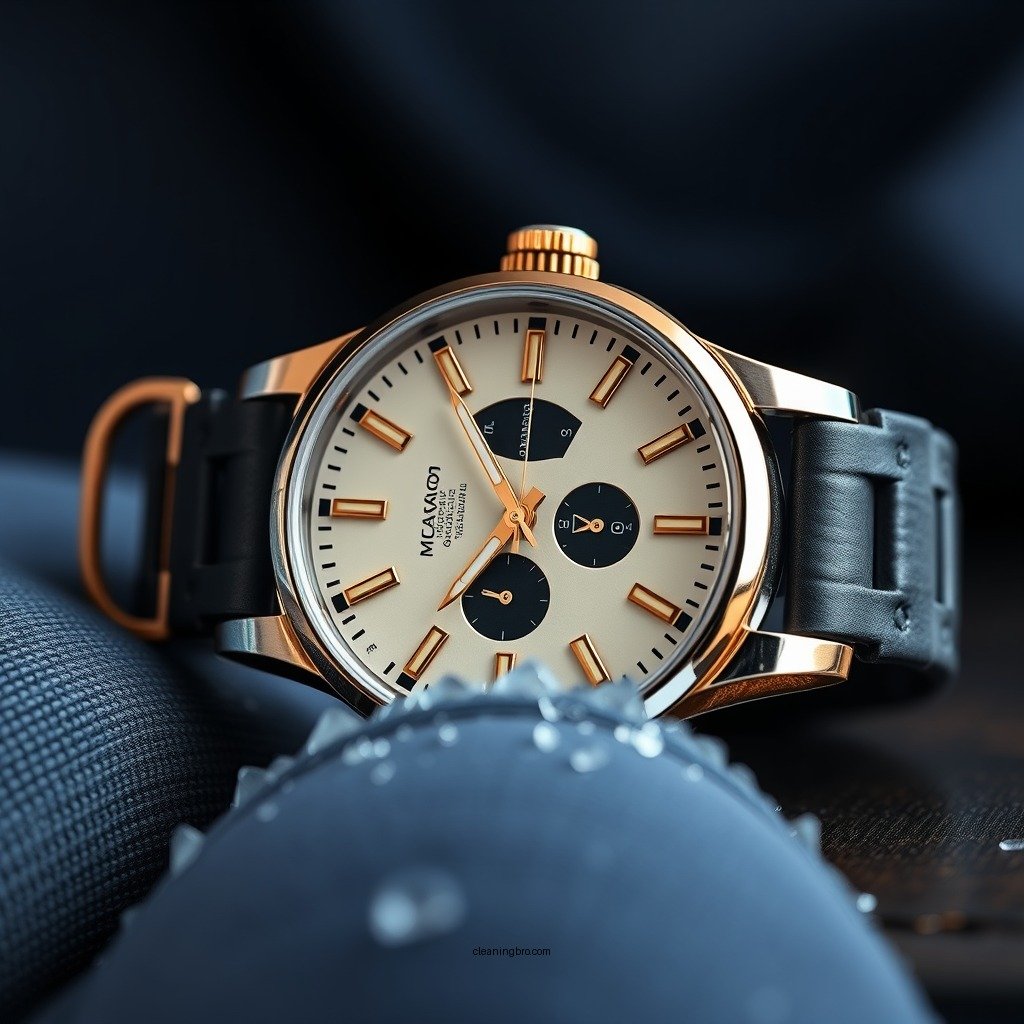
Understanding the Materials

Rubber watch bands are made from various types of materials, including silicone, natural rubber, and synthetic rubber. Each type has distinct properties that may affect the cleaning process:
– Silicone: Known for its flexibility and comfort, silicone bands are often resistant to water and sweat. They are easy to clean, but may require gentle handling to avoid scratches.
– Natural Rubber: This type is often more durable but can be prone to discoloration and degradation from exposure to harsh chemicals or sunlight. Cleaning natural rubber requires a mild approach to maintain its integrity.
– Synthetic Rubber: Typically used for budget-friendly watch bands, synthetic rubber may not hold up as well under extreme conditions. Cleaning synthetic bands should be done with caution to avoid damage.
Understanding the specific type of rubber your watch band is made of can inform your cleaning method, ensuring effective and safe care.
Tools You’ll Need
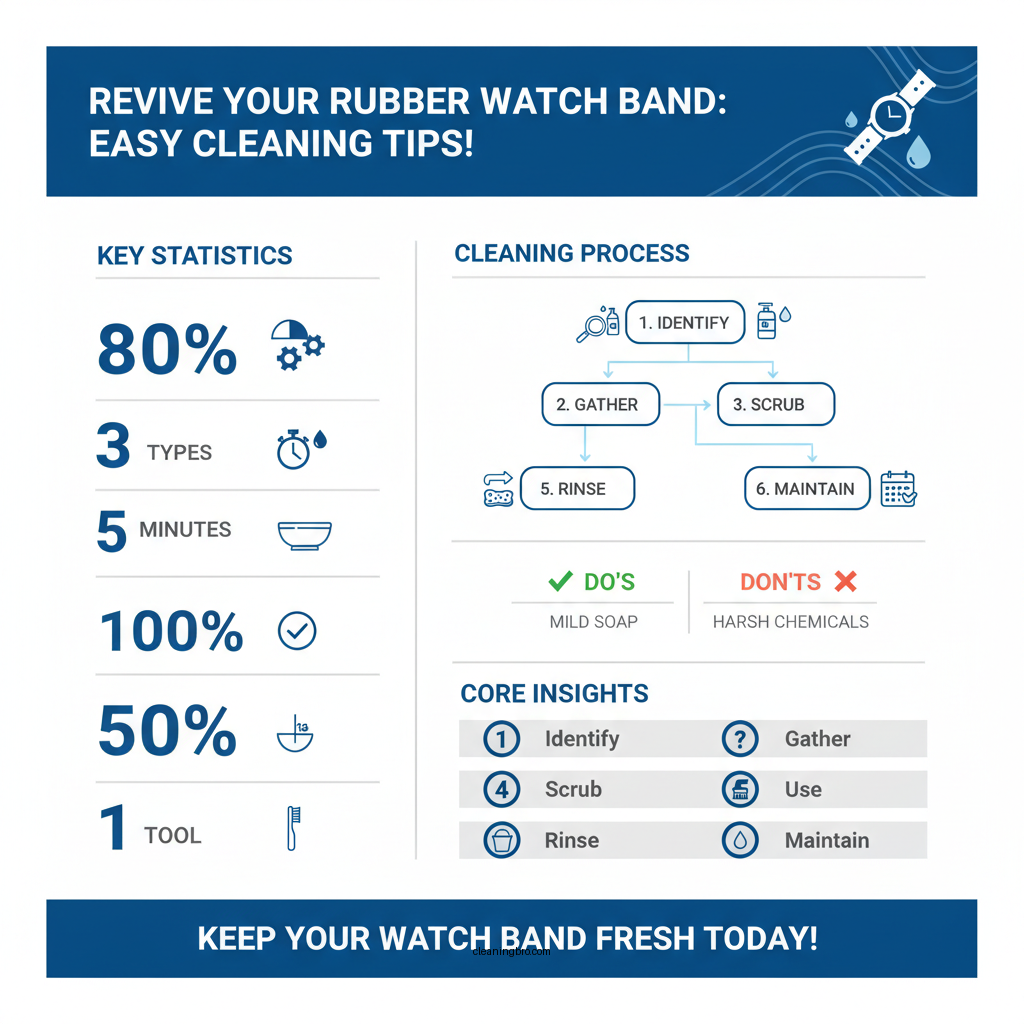

Before you begin cleaning your rubber watch band, gather the necessary tools:
– Mild Soap or Dish Detergent: Look for a gentle soap that won’t irritate the material. Avoid harsh chemicals that can cause damage.
– Soft Cloth or Sponge: Use a microfiber cloth or a soft sponge to prevent scratching the surface of the band.
– Old Toothbrush: An optional but useful tool for scrubbing hard-to-reach areas and crevices.
– Bowl of Warm Water: Warm water can help dissolve dirt and oils, making the cleaning process more effective.
Having these tools ready will streamline the cleaning process and help ensure thorough results.
Step-by-Step Cleaning Process
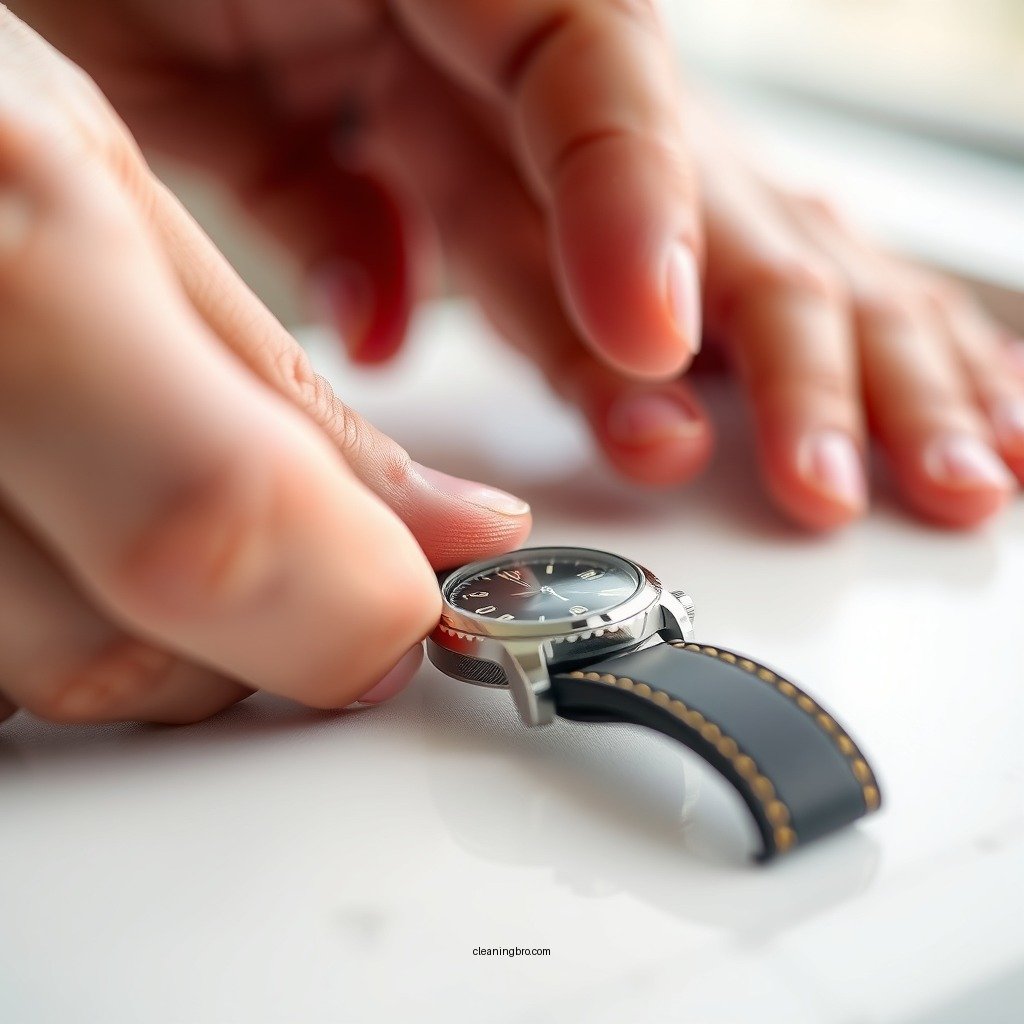
To effectively clean your rubber watch band, follow these simple steps:
1. Prepare the Cleaning Solution: Mix a small amount of mild soap with warm water in a bowl. The solution should be soapy but not overly concentrated, as too much soap can leave a residue.
2. Soak the Cloth or Sponge: Dip your soft cloth or sponge into the soapy water. Wring it out to avoid excess water dripping.
3. Wipe Down the Band: Gently wipe the rubber band, paying special attention to any crevices, grooves, or areas that may have accumulated grime. Use a light touch to avoid damaging the band.
4. Rinse if Necessary: If the band is particularly dirty, you may want to rinse it under warm water after scrubbing to ensure all soap is removed.
5. Dry the Band: Use a clean, dry cloth to pat the band dry before allowing it to air dry completely.
By diligently following this process, you can restore your rubber watch band to its former glory.
Deep Cleaning Techniques
For rubber watch bands that require a more thorough cleaning, consider these deep-cleaning techniques:
1. Use an Old Toothbrush: For areas that are difficult to reach with a cloth or sponge, an old toothbrush can be particularly effective. Dip the brush in the soapy water and gently scrub the band, focusing on stubborn dirt and buildup.
2. Rinse Thoroughly: After scrubbing, ensure you rinse the band thoroughly under warm running water. Any residual soap can lead to discoloration or irritation on the skin.
3. Inspect for Damage: While cleaning, take the opportunity to inspect the band for any signs of wear or damage that may need addressing.
By employing these deep cleaning techniques periodically, you can maintain the aesthetics and hygiene of your rubber watch band.
Top 7 Rubber Watch Bands by Durability and Comfort (2024)
| # | Brand | Material Type | Comfort Rating | Durability Rating |
|---|---|---|---|---|
| 1 | Casio | Silicone | ★★★★☆ | ★★★★★ |
| 2 | Suunto | Natural Rubber | ★★★★☆ | ★★★★☆ |
| 3 | Garmin | Silicone | ★★★★★ | ★★★★★ |
| 4 | Timex | Synthetic Rubber | ★★★☆☆ | ★★★☆☆ |
| 5 | Fossil | Silicone | ★★★★☆ | ★★★★☆ |
| 6 | Tissot | Natural Rubber | ★★★☆☆ | ★★★★☆ |
| 7 | Seiko | Silicone | ★★★★★ | ★★★★★ |
Drying and Maintenance Tips
Proper drying and maintenance are crucial for extending the life of your rubber watch band. Here are some key tips:
– Pat Dry: After cleaning, use a clean towel to gently pat the band dry. Avoid rubbing, as this can cause wear.
– Air Dry Completely: Lay the band in a well-ventilated area to air dry completely. Avoid direct sunlight or high temperatures, which can warp or discolor the band.
– Regular Wipe-Downs: After each use, especially after workouts or exposure to moisture, wipe the band down with a damp cloth to remove sweat and dirt. This practice helps prevent buildup and extends the time between deep cleanings.
By implementing these drying and maintenance practices, you can keep your rubber watch band looking new for longer.
Additional Care Recommendations
To ensure the longevity of your rubber watch band, consider the following care recommendations:
– Avoid Harsh Chemicals: Stay away from products containing alcohol, bleach, or other harsh chemicals that can degrade the rubber.
– Temperature Sensitivity: Keep your watch band away from extreme temperatures. Avoid leaving it in a hot car or exposing it to freezing conditions, as this can cause the rubber to crack.
– Proper Storage: When not in use, store your watch in a cool, dry place, preferably in its original box or a soft pouch to prevent scratches and dust accumulation.
By following these care recommendations, you can maintain the integrity and appearance of your rubber watch band.
Regular cleaning will extend the life of your rubber watch band. Follow these steps to keep it looking its best, and consider setting a cleaning schedule to maintain its appearance. Try these tips today for a refreshed watch band!
Frequently Asked Questions
How do you clean a rubber watch band effectively?
To clean a rubber watch band effectively, start by removing the band from the watch. Use a soft cloth and warm, soapy water to gently scrub the surface, paying attention to any grooves or textured areas. Rinse it under running water and dry it thoroughly with a clean towel to prevent moisture buildup.
What household items can I use to clean my rubber watch band?
You can use common household items such as dish soap, baking soda, and white vinegar to clean your rubber watch band. Mix a small amount of dish soap with water for a gentle solution, or create a paste with baking soda and water for tougher stains. Always rinse and dry the band thoroughly after cleaning.
Why does my rubber watch band smell, and how can I eliminate the odor?
Rubber watch bands can develop unpleasant odors due to sweat, moisture, and bacteria buildup. To eliminate the odor, clean the band regularly using a mixture of water and white vinegar, which helps neutralize smells. Make sure to dry it completely after cleaning to prevent further odor development.
What is the best way to maintain the longevity of a rubber watch band?
The best way to maintain the longevity of a rubber watch band is to clean it regularly and avoid exposing it to harsh chemicals or extreme temperatures. Additionally, store the watch in a cool, dry place when not in use, and consider using a protective spray designed for rubber materials to enhance durability.
Which cleaning methods should I avoid when cleaning a rubber watch band?
When cleaning a rubber watch band, avoid using abrasive materials like steel wool or harsh chemical cleaners, as they can damage the band’s surface. Additionally, do not submerge the band in water for long periods, especially if it has any electronic components, as this can lead to water damage.
References
- https://www.britannica.com/science/rubber
https://www.britannica.com/science/rubber - https://www.mayoclinic.org/healthy-lifestyle/consumer-health/in-depth/cleaning-your-watches-and-jewelry/art-20046057
https://www.mayoclinic.org/healthy-lifestyle/consumer-health/in-depth/cleaning-your-watches-and-jewelry/art-20046057 - https://www.sciencedirect.com/topics/engineering/rubber
https://www.sciencedirect.com/topics/engineering/rubber - https://www.ncbi.nlm.nih.gov/pmc/articles/PMC7513692/
https://www.ncbi.nlm.nih.gov/pmc/articles/PMC7513692/ - https://www.cdc.gov/healthywater/hygiene/cleaning/cleaning.html
https://www.cdc.gov/healthywater/hygiene/cleaning/cleaning.html - https://www.huffpost.com/entry/how-to-clean-your-watch_n_5e3f7e8bc5b6f48c73b8e4f4
https://www.huffpost.com/entry/how-to-clean-your-watch_n_5e3f7e8bc5b6f48c73b8e4f4 - Google Scholar Google Scholar
https://scholar.google.com/scholar?q=cleaning+rubber+watch+band - Google Scholar Google Scholar
https://scholar.google.com/scholar?q=maintenance+of+rubber+materials - Google Scholar Google Scholar
https://scholar.google.com/scholar?q=care+for+rubber+watch+bands - Google Scholar Google Scholar
https://scholar.google.com/scholar?q=how+do+you+clean+a+rubber+watch+band
