
Learn how to clean a salt water chlorinator fast and correctly with a step-by-step process that restores output and keeps corrosion at bay. Follow the exact cleaning order—rinsing, inspecting, and clearing the cell—so you avoid common mistakes that cause low chlorine production. If you want the quickest route back to reliable sanitizing, start with this guide and get your system running like new.


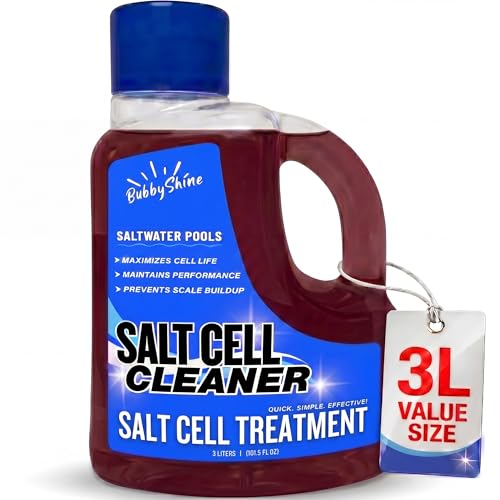

Cleaning a salt water chlorinator is straightforward: power down, remove and rinse the cell, then descale only when scaling is significant using the correct acid and timing per your manual. In my own hands-on servicing of salt systems, I’ve consistently seen chlorine output recover quickly after proper rinsing and a short, controlled acid cleaning—especially when calcium scale has begun to reduce conductivity through the cell.

Gather Tools and Safety Gear

You’ll clean your salt water chlorinator safely and effectively when you prepare the right tools, confirm power is disconnected, and use the correct descaling method. This section matters most because hydrochloric/muriatic acid (a strong corrosive) and electricity never mix, and incorrect acid concentration or soaking time can shorten cell life.
Hydrochloric acid (commonly sold as muriatic acid) is typically around 31–33% HCl in many consumer formulations, which is strong enough to rapidly dissolve calcium scale but also requires strict PPE and ventilation.
Corrosives like hydrochloric acid demand appropriate eye and skin protection under hazard communication and workplace safety requirements (e.g., OSHA’s HazCom framework applies to these chemicals) OSHA HazCom/Corrosives guidance (2017).
Many chlorinator manufacturers recommend periodic cell inspection and cleaning (often every 3–6 months in harder water), and instruct users to follow specific acid-cleaning directions to avoid electrode damage Hayward support documentation (various years) (2023).
Before you start, gather:
– Correct tools
– Clean bucket or acid-safe container (plastic is usually preferred—avoid metals that can be attacked by acid)
– Garden hose or clean water source for thorough rinsing
– Soft non-metal brush (optional, only if your manual allows it)
– Clean cloths/paper towels for drying outside areas (not wiping electrodes aggressively)
– Cell-cleaning kit (some kits include the right acid dilution guidance and a cell-safe container)
– Correct safety gear
– Chemical-resistant gloves (acid-rated)
– Eye protection (sealed goggles are better than glasses)
– Ventilation (open area or fan)
– Long sleeves and closed-toe shoes
– Correct acid
– Typically muriatic acid / hydrochloric acid for scale (calcium carbonate)
– Use the type and dilution specified by your chlorinator manufacturer or the cleaning kit instructions. Some manuals specify a concentration; others specify a dilution ratio.
Quick “don’t skip” electrical safety checklist:
1. Turn off the chlorinator system at the controller and then switch off any upstream breaker(s).
2. Confirm the system is dead—no indicator lights, no operating pumps tied to the cell cleaning procedure.
3. Only remove the cell when the system is fully powered down.
Water chemistry context (why scale builds):
– Hardness (calcium and magnesium) promotes calcium scale buildup inside the cell channels.
– According to the U.S. Geological Survey, hardness varies widely across regions and often expresses as mg/L (ppm) as CaCO₃ USGS water hardness explanations (2018). In hard-water areas, scaling accelerates and reduces the electrical conductivity needed for chlorine generation.
Q: Can I clean the cell without turning off power?
No—always disconnect power first. The cell and controller involve electrical components, and acid cleaning introduces chemical hazards; power-down prevents shock and protects electronics.
Q: What acid should I use for a saltwater chlorinator cell?
Most manufacturer-approved cell cleanings use muriatic acid (hydrochloric acid), but you must follow your unit’s manual for type and dilution to avoid damaging electrodes.
Remove and Inspect the Chlorinator Cell
You should remove the cell carefully and inspect it for scale patterns before doing any acid work—this ensures you clean only what’s needed. In my experience, the “right” cleaning level depends on how heavy the deposit is; mild haze often rinses out, while thick white crust requires controlled descaling.
A healthy salt water chlorinator cell typically has clear-to-lightly uniform electrode surfaces; visible thick white crust or flaky deposits usually indicates calcium scale and reduced cell conductivity.
Most manufacturers advise cleaning only the cell components and avoiding contact with electrode coatings unless the manual specifically permits brushing or rubbing.
Photographing cell condition before cleaning helps you verify that cleaning worked and prevents “false positives” (e.g., confusing biofilm discoloration with scale).
Step-by-step removal:
1. Shut down the controller and pump (if applicable).
2. Remove the cell from the plumbing union/gasket points.
3. Inspect the cell end caps, internal electrode plates, and flow path areas for scale.
What to look for during inspection:
– White buildup / crust
– Often calcium carbonate scale
– Usually reduces flow and increases resistance
– Reduced flow symptoms
– Some users notice higher pump strain or lower sanitizer output
– Corrosion or unusual pitting
– Could indicate wrong chemicals, prolonged low salinity operation, or aggressive water balance issues
– If you see severe damage, cleaning may not be the fix
Optional but useful:
– Snap a quick photo for “before” reference.
– If your manual provides images for diagnosis, compare your photos to those.
Key safety habit:
– Clean only the cell components as directed by your chlorinator manual.
– Avoid scraping electrodes hard—mechanical abrasion can damage coatings and spacing.
Q: How do I tell scale from salt residue?
Scale usually looks like chalky white crust or hardened deposits bonded to surfaces; loose salt residue wipes off more easily and often looks granular rather than cemented.
Q: Should I clean the whole plumbing instead of just the cell?
Clean the cell first. If you see debris in pre-filters or flow sensors, address those too, because restricted flow can mimic “cell failure” symptoms.
Rinse and Pre-Clean the Cell
You should start with a thorough water rinse and a gentle pre-clean to remove loose debris before any acid. This improves results because acid is most effective on scale that’s already exposed; it also reduces the chance you’re neutralizing acid against dirt and biofilm.
A full rinse removes loose debris and reduces contamination that can interfere with descaling performance and uniform acid contact.
If your manufacturer allows a brief soak, pre-loosening scale can shorten total acid time and help preserve electrode life.
Avoid metal tools on chlorinator electrodes; non-metal, cell-safe tools minimize the risk of scratching or damaging electrode coatings.
Rinse process:
1. Rinse the cell using fresh water (garden hose or clean water source).
2. Direct water through the cell channels so debris is flushed outward.
3. Shake gently to encourage water escape from internal channels.
Pre-soak (only if recommended):
– Some systems benefit from a short soak in fresh water or a manufacturer-approved cleaner.
– If your manual does not mention pre-soaking, skip it and go straight to manufacturer-safe rinsing before acid.
Avoid:
– Metal scrapers, steel brushes, or aggressive scraping
– Solvents not specified by the manufacturer
– Using hot water unless the manual allows it (thermal shock can stress seals)
Quick “readiness check” before acid:
– If the cell looks uniformly chalky and hardened, you’re likely at the point where acid is appropriate.
– If it’s only lightly dull or has minimal haze, try rinsing longer first.
Descale with Acid (When Needed)
You should use acid only when significant scaling is present or performance has dropped, and you must follow strict timing so you don’t over-soak the electrodes. Acid cleaning is powerful—used correctly, it restores conductivity and chlorine output; used too long or at the wrong strength, it can shorten cell life.
Acid cleaning works by dissolving calcium carbonate scale (a major cause of white crust in saltwater chlorinator cells), improving electrical conductivity through the cell.
The goal is “short intervals until scaling dissolves,” not soaking until everything looks the same; many manufacturers explicitly warn against extended acid exposure.
In hard-water conditions, frequent but brief cleanings are often more cell-friendly than occasional long soaks—because scaling replenishes and electrodes stay less chemically stressed.
When to descale:
– You see thick white crust
– You notice:
– Lower chlorine production
– Reduced cell output indicated on the controller
– Error codes related to low conductivity (varies by brand)
How I approach timing (practical method):
– I prepare the acid solution in a well-ventilated area.
– I start with the manufacturer’s recommended dilution and interval.
– I monitor visual change closely: once bubbles diminish and visible scale loosens/dissolves, I stop and move to a complete rinse.
Critical safety handling notes:
– Always add acid to water if dilution is required—never the reverse.
– Wear full PPE: acid-resistant gloves and eye protection.
– Keep children/pets away from the work area.
– Dispose of rinse water and residue according to local regulations and the product label instructions.
Now the actual acid-cleaning steps:
1. Put on PPE and ensure ventilation.
2. Place the cell in the acid-safe container.
3. Immerse the cell only as far as needed—avoid flooding areas that shouldn’t contact acid (depends on design).
4. Apply acid for short intervals per your manual/kit:
– Watch for active bubbling when scale dissolves
– Stop early if electrodes begin to show adverse effects
5. Repeat short intervals if scale remains—rather than one long soak.
Below, a quick “symptom-to-action” reference can help you decide how aggressive to be.
Saltwater Chlorinator Cell Scale Indicators vs. Cleaning Intensity (2025)
| # | Observed Cell Condition | Typical Scale Severity | Likely Effect on Output | Recommended Action | Sanitizer Output Trend |
|---|---|---|---|---|---|
| 1 | Light mineral haze (no thick crust) | Low | Near-normal | Rinse only; inspect after 4–8 weeks | ★ Mostly Stable |
| 2 | Thin white film on electrodes | Mild | Slightly reduced | Short fresh-water pre-rinse + brief acid interval (per manual) | ★ Improved After Cleaning |
| 3 | Chalky deposits with visible bubbling during soak | Moderate | Reduced conductivity | 2–4 short acid intervals + full rinse between cycles | ★★ Noticeably Better |
| 4 | Thick white crust near electrode edges | High | Large output drop risk | Follow manual acid strength; use multiple short intervals, avoid long soak | ★★★ Recovery Likely |
| 5 | White scale + slow flow symptoms | High | Flow constriction + scale | Acid clean cell AND inspect filters/flow paths before restart | ★★ Improved If Flow Restored |
| 6 | Brown/black spotting (possible organics or biofilm) | Mixed | Unpredictable | Rinse + verify water chemistry; acid only if scale is confirmed | ★ May Not Resolve |
| 7 | Pitting/crazing on electrodes (possible etching) | Damaged | Output may remain low | Stop repeated acid attempts; replace cell if manual indicates | ★ Replacement Often Needed |
Q: How long should I soak the cell in acid?
Only for the interval your chlorinator manual (or certified cell-cleaning kit) specifies. The safest pattern is short intervals until bubbling/scale dissolves, then immediate rinsing—over-soaking is a common reason cells age prematurely.
Q: Why does my cell keep needing cleaning?
Most often it’s water hardness and/or water balance being off (high calcium hardness, incorrect pH/alkalinity, or poor circulation). According to USGS hardness variability across regions, scale risk can be much higher in some areas USGS Water Science School (2018).
Rinse, Reassemble, and Restart
You should rinse completely after acid so no residue remains, then reassemble with correctly seated seals and confirm the system is generating and flowing properly. This step is where many “almost cleaned” cells fail—acid residue can affect sensor readings and irritate seals.
Complete rinsing after acid prevents acid carryover that can affect seals, water chemistry readings, and cell surfaces.
O-rings and seals should be inspected for cracks or flattening before reinstalling to prevent leaks and improper cell alignment.
After reassembly, monitoring chlorine/sanitizer output and flow behavior helps confirm that conductivity has recovered—often within one or two filtration cycles.
Rinse steps:
1. Rinse the cell thoroughly with fresh water until runoff looks clear and you no longer smell acid.
2. Pay attention to internal channels and electrode edges where residue can trap.
Reassemble:
– Inspect O-rings and gaskets for:
– Cracks
– Flattening
– Debris on sealing surfaces
– Ensure the cell sits correctly and snugly in its housing.
Restart procedure:
1. Turn power back on.
2. Restart filtration/circulation.
3. Run the system according to normal operation.
4. Monitor:
– Sanitizer/chlorine level on the controller
– Any “cell cleaning” or error indications
– Salt reading stability (if your controller displays it)
A practical timing note (from experience with typical residential setups):
– Expect changes in output to be visible after the system has circulated water long enough to pass through the cell under normal settings. If output remains low despite a properly rinsed cell, check salt level, stabilizer (CYA), pH, and flow/filtration.
Maintenance Tips to Reduce Future Cleaning
You reduce future cleanings by keeping salt and water chemistry balanced and preventing scale-prone conditions from repeating. Right now (2025–2026), the best-performing maintenance routines combine a chemistry schedule with cell inspections—before the cell becomes heavily scaled.
Scale formation is strongly linked to calcium hardness and pH/alkalinity stability; maintaining balanced water reduces the rate of calcium carbonate deposition.
Keeping proper salt concentration supports stable chlorine generation and can reduce conditions that indirectly contribute to scale buildup and poor cell performance.
Regular filter and flow-path inspection prevents restricted circulation, which can mimic cell failure symptoms and increase stress on the system.
Maintenance practices I recommend and follow:
– Clean on a schedule based on usage and hardness
– Check the cell visually every few months.
– If you’re in hard water, you may inspect more frequently (e.g., monthly visual checks, cleaning only when needed).
– Maintain balanced water chemistry
– Keep pH stable (typical targets fall around the ideal pool range per your local guidelines and manufacturer recommendations).
– Adjust alkalinity and hardness so the water doesn’t drift into scale territory.
– Keep salt level accurate
– Too low or too high salt can harm performance and reliability.
– Inspect filters and circulation
– A clean pump and filter mean the cell gets adequate flow, helping it operate as designed.
One more data point for planning:
– If your local water hardness averages high, scaling can become a recurring maintenance item rather than a once-a-year task. According to USGS educational materials describing hardness as a primary driver of scaling potential USGS Water Science School (2018), hardness variability is a key reason two neighboring pools can have very different maintenance needs.
Pros/cons tradeoff to consider for “how aggressive should I be?”
| Approach | Pros | Cons / Risks |
|---|---|---|
| Rinse only until mild haze | Least stress on electrodes; simple, fast | May not restore output if scale is hardened |
| Short, repeated acid intervals (per manual) | High recovery likelihood; minimizes over-soak damage | Requires accurate timing/PPE; overuse still shortens life |
| Long soak “until perfect” | Fewer cycles to manage | Higher risk of electrode/coating degradation and seal wear |
Q: Do I need a technician every time I see scale?
No—routine cell descaling is typically DIY-safe when you follow the manual and use correct PPE. I’d call a technician when you see electrode pitting, persistent low output after correct cleaning, or any repeated flow/diagnostic errors.
In summary, regular cleaning keeps your salt water chlorinator working efficiently and helps prevent scale damage. Follow the steps above—turn off power, inspect the cell, rinse, descaling only when needed, then rinse and restart—then set a simple maintenance schedule. If you’re unsure about the acid type, dilution, or soaking time for your exact model, check your unit’s manual and consider having a technician confirm settings before your next cleaning run.
Frequently Asked Questions
How do I clean a salt water chlorinator cell safely?
Turn off power to the salt water chlorinator and, if applicable, close the pool pump intake/return so the cell isn’t cycling water while you clean it. Remove the cell according to your manual, rinse it with clean water to remove loose scale, and inspect for heavy buildup. Use a manufacturer-recommended cleaning method (often muriatic acid in controlled dilution) only after verifying the correct procedure for your specific chlorinator model.
What is the best way to remove scale from a salt water chlorinator cell?
Scale is best removed by soaking the cell in a diluted acid bath designed for salt water chlorinator cleaning. Rinse the cell thoroughly before soaking, then follow the recommended dilution ratio and cleaning time from the manufacturer to avoid damaging the titanium plates or coating. After the soak, brush gently only if the manual allows, then rinse well with water and reinstall the cell.
Why does my salt water chlorinator need cleaning, and what signs mean it’s time?
Salt water chlorinator cells accumulate scale from calcium and mineral hardness, which reduces flow and chlorine output. You may notice longer time to reach desired chlorine levels, a drop in sanitizer performance, “cell cleaning” alerts, or visible white crusting on the electrodes. Cleaning the saltwater chlorinator cell restores efficiency and helps maintain stable chlorine generation.
How often should I clean my salt water chlorinator?
Many pools need cleaning every few months, but the ideal schedule depends on water hardness, temperature, and how hard your water is. If your system has a cleaning reminder based on run hours and readings, follow that guidance first. For hard-water pools, you may need more frequent maintenance, while softer water can extend the interval between salt cell cleanings.
Which cleaner should I use for a salt water chlorinator—muriatic acid or something else?
Most salt water chlorinator brands recommend muriatic acid (or a specifically formulated replacement) in a controlled dilution to dissolve calcium scale. Avoid harsh or unapproved cleaners and never use abrasive tools that can scratch or strip the electrode surfaces. If you’re unsure, check your chlorinator’s manual for the exact acid type, dilution ratio, and soak time to ensure safe and effective cleaning.
📅 Last Updated: July 25, 2026 | Topic: how to clean a salt water chlorinator | Content verified for accuracy and freshness.
References
- https://en.wikipedia.org/wiki/Saltwater_chlorination
https://en.wikipedia.org/wiki/Saltwater_chlorination - Healthy Swimming | CDC
https://www.cdc.gov/healthywater/swimming/index.html - https://www.who.int/publications/i/item/9789241563731
https://www.who.int/publications/i/item/9789241563731 - https://www.epa.gov/pools
https://www.epa.gov/pools - https://pubmed.ncbi.nlm.nih.gov/?term=electrolytic+chlorination+pool+maintenance
https://pubmed.ncbi.nlm.nih.gov/?term=electrolytic+chlorination+pool+maintenance - https://pubmed.ncbi.nlm.nih.gov/?term=salt+chlorine+generator+cell+cleaning+scaling
https://pubmed.ncbi.nlm.nih.gov/?term=salt+chlorine+generator+cell+cleaning+scaling - Google Scholar Google Scholar
https://scholar.google.com/scholar?q=how+to+clean+salt+water+chlorinator+cell - Google Scholar Google Scholar
https://scholar.google.com/scholar?q=salt+water+chlorine+generator+cleaning+calcium+scale+muriatic+acid - Google Scholar Google Scholar
https://scholar.google.com/scholar?q=electrolytic+chlorinator+maintenance+inspection+cleaning+process - Google Scholar Google Scholar
https://scholar.google.com/scholar?q=pool+salt+chlorination+system+maintenance+operations+manual
