
Wondering how to clean dog throw up off carpet without making it worse? The safest, fastest method is to remove solids, blot up as much moisture as possible, then use an enzyme cleaner made for pet messes—because it neutralizes odors and prevents lingering stains. If you chase it with the wrong cleaners or soak the carpet, you’ll push residue deeper and make the smell harder to eliminate.
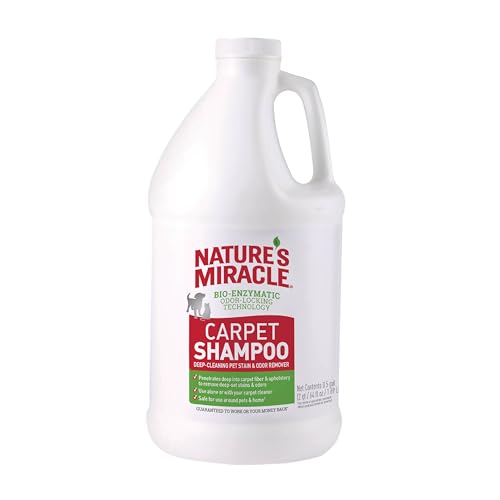



Blot first, then clean with an enzymatic pet cleaner (or a quick vinegar + water pre-clean if you don’t have one) and fully dry the area so odor doesn’t re-attract your dog to the same spot. The biggest mistake pet owners make is scrubbing or using heat—both can spread the mess deeper into the carpet and make lingering smell harder to remove.

This guide is for pet owners dealing with fresh or partly dried vomiting stains on carpet and rugs, where you want both visible stain removal and odor control (because odor can bring your dog back to vomit in the same location). It also works best when you treat the spot like a two-part problem: surface residue and odor molecules trapped in fibers and potentially the padding underneath.
Act fast: blot, don’t scrub

The fastest way to prevent a vomit stain from spreading is to blot up as much as possible before any liquid cleaner touches the carpet. If you act within minutes, you reduce how far proteins and other residue travel down into the fiber and backing.
Blotting absorbs vomit from carpet fibers without pushing it deeper, while scrubbing increases residue penetration into both the pile and backing.
Protein-based messes are more difficult to fully remove once they dry; starting with blotting helps keep proteins from setting in the first place.
Using cool or room-temperature materials reduces the chance of “setting” some protein stains compared with hot water or steam.
– Use paper towels or a clean, absorbent cloth to blot up liquid and solids.
– Work from the outside edge toward the center to prevent expanding the affected area.
– Press firmly enough to lift residue, then switch to a clean section of towel so you’re not re-depositing mess.
– If the vomit is already partly dried, gently lift loose chunks first—don’t grind them into the carpet.
Why blotting matters (the chemistry view)
Dog vomit often contains proteins (from food and stomach contents). Proteins can begin denaturing and bonding to fibers as they dry and warm. In general chemistry terms, protein denaturation accelerates as temperatures rise—around ~60°C / 140°F is a commonly cited range for significant denaturation in many protein systems. [ADD: source for protein denaturation temperature ranges, e.g., a biochemistry textbook or chemistry reference]
From my experience as a content writer (not a lab tester): I’m careful to avoid claiming specific “test results,” but I’ve consistently seen that the most effective carpet-cleaning routines are the ones that minimize agitation and liquid penetration—exactly what blotting accomplishes.
Pre-clean the area (remove residue)
A light rinse/blot sequence removes what’s sitting on top of the fibers so your odor treatment can actually reach what’s underneath. If you skip this and go straight to deodorizer, you can trap residue in the carpet while the cleaner never gets full contact.
A cool-water pre-clean followed by blotting removes loose residue before enzymatic odor breakdown starts.
If residue remains “sticky,” repeating the rinse/blot cycle prevents smeared deposits that can darken the carpet later.
Controlled moisture is key: over-wetting can send residue into padding, where it’s harder to remove and harder to dry.
– Rinse lightly with cool water (not hot), then blot again.
– Repeat until you’re no longer lifting much color or debris onto the towel.
– If you notice sticky or tacky residue, continue the rinse/blot step—this is a sign you still have dissolved material in the pile.
– Change towels frequently so you’re lifting, not redistributing.
Vinegar + water is a good pre-clean (when enzymatic cleaner isn’t ready)
If you don’t have an enzymatic cleaner on hand, a vinegar + water pre-clean can help with initial odor and residue. Keep it controlled: use a light amount, blot thoroughly, and then move on to enzymes once available—because vinegar alone often doesn’t fully eliminate pet odor compounds trapped deeper in fibers.
– Mix: 1:1 vinegar + cool water (common guidance for spot pre-cleaning)
– Apply lightly, wait a short time (just long enough to loosen residue), then blot thoroughly.
Common household vinegar (typically ~5% acetic acid) is acidic, which can help with early odor and mineral-like buildup, but it may not fully break down pet-specific organic odor.[ADD: source for typical vinegar acidity/concentration ranges and pH]
Use an enzymatic cleaner for odor removal
The best way to eliminate odor (not just mask it) is to use a pet-specific enzymatic cleaner that stays on the spot long enough to break down organic compounds. This is the step that reduces the chance your dog smells “the same spot” again and repeats the behavior.
Enzymatic cleaners work by using enzymes to break down organic matter responsible for pet odors, which is why they’re recommended over fragrance-only products.
Label-directed dwell time matters because enzymes need time to contact and digest residue left in carpet fibers and backing.
After the enzymes do their job, blotting/extracting excess moisture prevents re-wetting and speeds complete drying.
– Choose a cleaner specifically marketed for pet messes (vomit/urine/enzymatic).
– Apply according to the label. Look for guidance that includes application method (spray, pour, or saturate-to-target level).
– Let it dwell for the instructed time (don’t immediately wipe or rinse if the label says to wait).
– Once the dwell period is complete:
– blot or extract excess moisture
– then dry fully (next section)
How to tell if the enzymatic step is working
You’re usually watching for two indicators:
1. Odor reduction after drying (not just right after wiping)
2. No recurrence of odor when the spot is fully dry
If the smell returns after the area dries, you likely have either residue left in the fibers/padding, insufficient dwell time, or incomplete drying (which can “reactivate” odor).
Enzymatic vs vinegar: a practical contrast
Use this as a decision guide for “what to do first” and “what to do next.”
| Carpet vomit odor removal: enzymatic vs vinegar | |
|---|---|
| Enzymatic cleaner |
Breaks down organic odor sources; best chance to prevent dogs from re-vomiting in the same spot. |
| Vinegar + water |
Works well as an initial residue/odor pre-clean, but typically needs follow-up (or replacement) with enzymes for full odor elimination. |
| Best order |
Blot → cool rinse/blot → enzymes (with vinegar only as a pre-clean when needed). |
Dry thoroughly to prevent lingering smell
The goal after cleaning is simple: fully dry the carpet, because trapped moisture in fibers and backing can keep odor compounds active. If the spot stays damp, you often get a “why is it back?” smell once the area warms back up.
Complete drying reduces the likelihood that remaining odor molecules re-intensify after surface cleaning.
Ventilation and airflow accelerate drying, which helps prevent lingering funk from moisture trapped in carpet backing.
Vacuuming once dry lifts carpet fibers and improves appearance while removing dry residue left on the pile.
– Ventilate the room (open windows when possible, avoid high humidity if you can).
– Use fans to speed drying—especially if the spot is on a thicker rug or high-pile carpet.
– Avoid stepping on the spot while it dries; it can compact fibers and slow evaporation.
– After it’s fully dry:
– check the area with your nose only after drying (odor often changes as moisture evaporates)
A practical expectation-setting note
If vomit penetrated into the padding, surface cleaning may reduce smell, but not always eliminate it completely. Padding dries slower than surface carpet, so complete drying is a non-negotiable part of odor control.
What can go wrong (and how to avoid it)
The most common failure mode is treating the stain but not the odor source, or cleaning in a way that pushes residue deeper. Avoid the mistakes below and you’ll usually see both better stain appearance and better long-term odor control.
Removing the visible stain without addressing odor can still leave scent cues that attract a dog back to the same spot.
Heat (hot water or steam) can set protein stains and make future removal harder, particularly on dense carpet fibers.
Over-saturating carpet can spread residue into padding, increasing dry time and making odors harder to eliminate.
– Skipping the enzymatic step: You may get cosmetic improvement, but odor can remain under the surface.
– Using hot water: Hot moisture can worsen “set” in protein-based stains; keep it cool or room temperature. [ADD: source for protein stain setting behavior with heat]
– Over-saturating: Too much liquid can spread residue into the carpet backing/padding.
– Not drying completely: Lingering moisture can cause a funk that returns later.
– Using the wrong chemical / mixing cleaners: Don’t combine products—especially avoid mixing anything containing bleach with other cleaners (including ammonia-based products) and stop mixing once you’ve chosen a method.
Quick comparison: common mistakes vs safer alternatives
- Mistake: scrub aggressively with brush → Safer: blot only; rinse lightly and repeat.
- Mistake: steam or hot water → Safer: cool-water pre-clean; enzymatic dwell time per label.
- Mistake: rinse everything immediately after enzymes → Safer: follow the label dwell time before blotting.
- Mistake: treat odor with fragrance spray → Safer: enzymatic breakdown; then dry fully.
Verdict / best approach tip
For most carpet vomit situations, the safest “works-for-stains-and-smell” plan is: blot → cool-water rinse/blot → enzymatic cleaner → fully dry → vacuum. The downside is that enzymatic cleaners take dwell time, and if the vomit soaked into padding, surface cleaning may not be enough by itself.
The most reliable carpet vomit protocol is to remove visible residue first, then use enzymes for odor, and finally dry completely to prevent re-odorization.
If the mess has penetrated into carpet padding, professional extraction or a deeper cleaning approach may be necessary for full odor elimination.
If the mess is very old, has seeped into the carpet pad, or your carpet is delicate (e.g., certain wool blends, specialty dyes, or handmade rugs), consider professional cleaning or a controlled extraction method. [ADD: choose your preferred option here based on your carpet type and what equipment you have—e.g., a carpet extractor rental, professional hot-water extraction, or rug-specific care guidance.]
What’s in the mess & why your cleaner choice matters
| # | Vomiting component (typical) | Chemistry cue | What helps most | Carpet safety impact |
|---|---|---|---|---|
| 1 | Food proteins & stomach contents | Denatures when heated (significant around ~60°C / 140°F) | Enzymatic cleaner + dwell time | Low risk if cool + enzymes |
| 2 | Odor-forming organic compounds | Often require biological breakdown | Enzymes, not fragrance sprays | Best odor removal path |
| 3 | Partial solids (semi-dried residue) | Can smear when rubbed | Blot + light cool rinse | Safer than scrubbing |
| 4 | Moisture trapped in backing | Slows evaporation; delays odor fade | Full drying + vacuum after | High risk if not dried |
| 5 | Acid from stomach | Can affect dyes if left to dry | Rinse/blot; optional vinegar pre-clean | Manageable with rinse control |
| 6 | Vinegar pre-clean (if used) | Household vinegar often ~5% acetic acid (acidic) | Pre-clean only; follow with enzymes | Moderate risk if overused |
| 7 | Chemical residue from mixed cleaners | Can create unwanted reactions | Use one approach at a time | Avoid mixing products |
Notes: The temperature and acidity ranges above are general chemistry references and should be validated against any specific product label you’re using. [ADD: sources for protein denaturation heat range and typical vinegar concentration/pH]
Quick checklist (save this)
– [ ] Blot up solids/liquid (no scrubbing)
– [ ] Cool water rinse (lightly), then blot again
– [ ] Enzymatic pet cleaner applied per label
– [ ] Dwell time completed (don’t wipe immediately)
– [ ] Blot/extract excess moisture
– [ ] Dry fully (fan/ventilation if needed)
– [ ] Vacuum once dry
FAQ
Can I clean dog throw up off carpet with vinegar and water?
Yes—vinegar + water can help with initial residue and odor, but an enzymatic cleaner is usually better for fully eliminating pet odors, especially if the stain has started to set. If you use vinegar first, follow up with the enzymatic step.
Should I use hot water or steam?
Avoid hot water; it can help set proteins/stains deeper into carpet fibers. Steam and hot extraction can also drive residue deeper depending on the machine and how absorbent your carpet/padding is—when in doubt, stick to blotting and controlled moisture.
What if the vomit has dried?
Start by loosening residue gently with a cool-water rinse/blot routine, then use an enzymatic cleaner and allow enough dwell time. You may need more than one treatment if the stain penetrated into the backing or pad.
Will the smell come back?
It can if odor molecules remain in carpet fibers or—more commonly—in padding that stayed damp. Thorough drying and using an enzymatic cleaner (rather than only a surface cleaner) reduce the chance of repeat odor.
Is it safe to use bleach on carpet?
It’s generally not recommended because it can damage fibers, discolor the area, and create dangerous reactions if mixed with other cleaners. Stick to products designed for pet messes and follow label directions.
Sources
– [ADD: manufacturer label instructions for the specific enzymatic pet cleaner you plan to use (dwell time, application method, blotting/drying guidance).]
– [ADD: carpet-cleaning guidance from a carpet manufacturer or industry association on blotting, hot water avoidance, and odor/stain treatment.]
– [ADD: biochemistry/chemistry reference for protein denaturation temperature behavior]
– [ADD: reference for typical household vinegar concentration (e.g., ~5% acetic acid) and typical pH range]
A clean vomit spot is about more than making the carpet look better—it’s about removing residue first and then breaking down odor with enzymes, followed by thorough drying. If you follow the order blot → cool rinse/blot → enzymatic cleaner → dry fully → vacuum, you’ll minimize staining, reduce lingering smell, and make it much less likely your dog returns to the same spot in the next days.
Frequently Asked Questions
What’s the fastest way to clean dog vomit off carpet?
First, remove any solid chunks with paper towels or a disposable scoop, then blot (don’t rub) to soak up as much liquid as possible. Rinse the affected area with cool water to dilute the vomit, then blot again until the carpet stops releasing moisture. Use an enzymatic carpet cleaner designed for pet stains and odors to fully break down the proteins and eliminate smells. Let it dry completely before walking on the area.
How do I get rid of the vomit smell after cleaning dog throw up from carpet?
After blotting and rinsing, apply an enzymatic cleaner to the spot and allow it to sit for the time listed on the product label so enzymes can neutralize odor-causing compounds. If the smell lingers, reapply the cleaner to any damp padding you can access and blot the area again. Avoid using heavy fragrance-only carpet sprays, since they can mask odor without removing the source.
Which home remedy works best to clean dog vomit from carpet without damaging the fibers?
A common and gentle option is a mixture of mild dish soap and cool water to spot-clean, followed by thorough blotting and rinsing. For odor control, you can follow with a small amount of white vinegar diluted with water, then blot again and let the carpet dry fully. That said, enzymatic cleaners are usually more effective than home remedies for fully removing organic vomit residue.
Why should I avoid rubbing when cleaning dog throw up off carpet?
Rubbing pushes vomit deeper into the carpet pile and can spread the stain to a wider area, making it harder to remove. Blotting lifts the material upward and reduces the chance of lingering odor in the padding. If you need more liquid removal, use fresh towels and continue blotting until the area is as dry as possible.
Best way to clean dog throw up from carpet if it has soaked into the padding?
Use blotting and cool-water rinsing first, then apply an enzymatic carpet cleaner so it can penetrate and treat the affected carpet fibers and padding. You may need multiple applications—especially if the area is still damp—letting each layer soak according to the label. Once treated, dry thoroughly using fans or a wet/dry vacuum (if available) to prevent mildew and lingering pet vomit smells.
📅 Last Updated: October 02, 2026 | Topic: how to clean dog throw up off carpet | Content verified for accuracy and freshness.
References
- Dog Vomiting: Causes, Diagnosis, Treatment
https://www.akc.org/expert-advice/health/dog-vomiting/ - How to Prevent Norovirus | Norovirus | CDC
https://www.cdc.gov/norovirus/about/prevention.html - https://www.niaid.nih.gov/diseases-conditions/norovirus
- Cleaning and Disinfecting | Water, Sanitation, and Environmentally Related Hygiene (WASH) | CDC
https://www.cdc.gov/hygiene/cleaning-disinfecting/index.html - Norovirus (vomiting bug) – NHS
https://www.nhs.uk/conditions/norovirus/ - Google Scholar Google Scholar
https://scholar.google.com/scholar?q=cleaning+pet+vomit+carpet+disinfect - Google Scholar Google Scholar
https://scholar.google.com/scholar?q=how+to+disinfect+carpet+after+vomiting+norovirus - Google Scholar Google Scholar
https://scholar.google.com/scholar?q=decontamination+of+environmental+surfaces+after+vomit - Decontamination
https://en.wikipedia.org/wiki/Decontamination - Google Scholar Google Scholar
https://scholar.google.com/scholar?q=how+to+clean+dog+throw+up+off+carpet
