
Cleaning a septic tank naturally can be achieved through eco-friendly methods that maintain the functionality of your system without resorting to harmful chemicals. This article guides you through effective maintenance strategies using natural solutions, ensuring your septic tank operates efficiently while protecting the environment.
Understanding Your Septic System
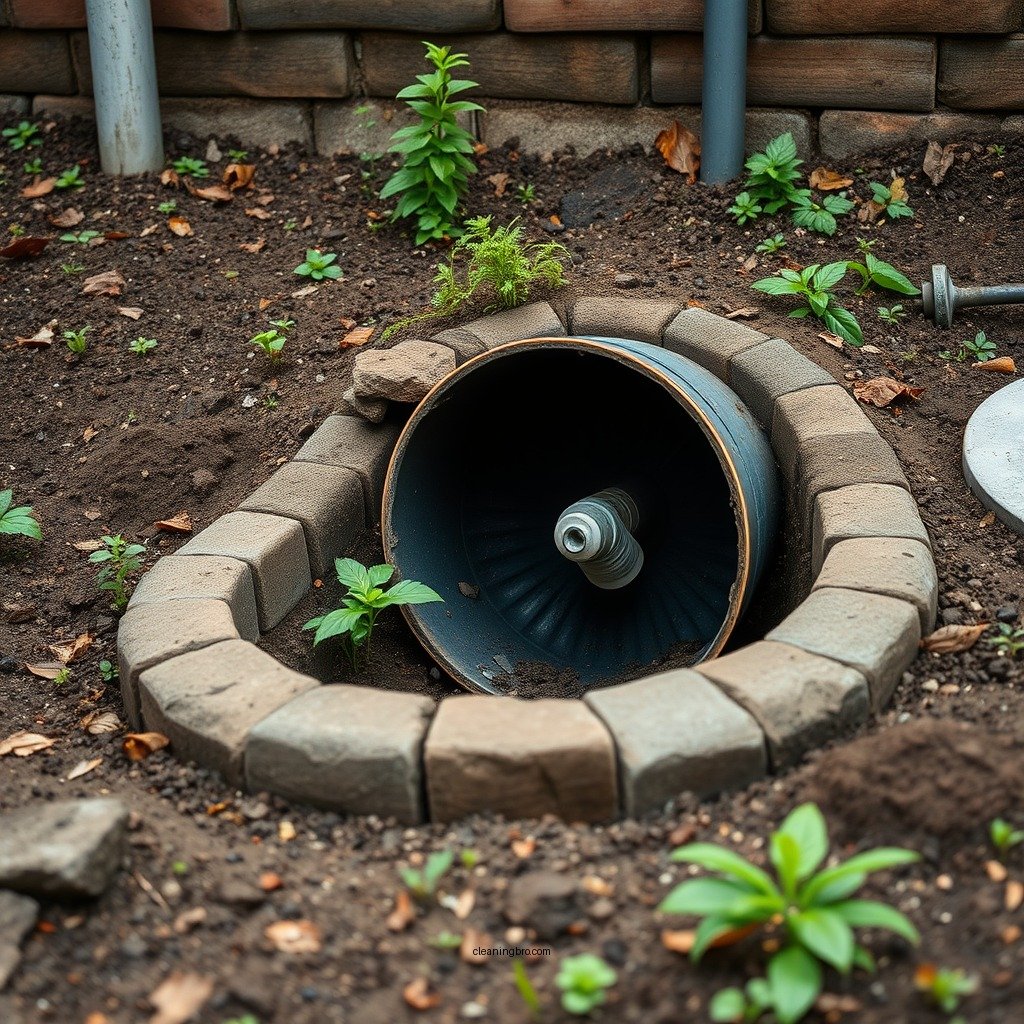
A septic system is an underground wastewater treatment structure commonly used in rural areas without centralized sewer systems. It consists of a septic tank and a drain field. Wastewater from the home flows into the septic tank, where solids settle to the bottom, forming sludge, while lighter materials, such as grease, float to the top, creating a scum layer. The bacteria in the tank break down organic matter, allowing the liquid effluent to flow out into the drain field, where it is further purified by soil filtration.

Maintaining a healthy septic tank is crucial not only for the longevity of the system but also for protecting the surrounding environment. Neglecting routine maintenance can lead to clogs, backups, and costly repairs, as well as potential contamination of groundwater and nearby water sources.
Benefits of Natural Cleaning Methods
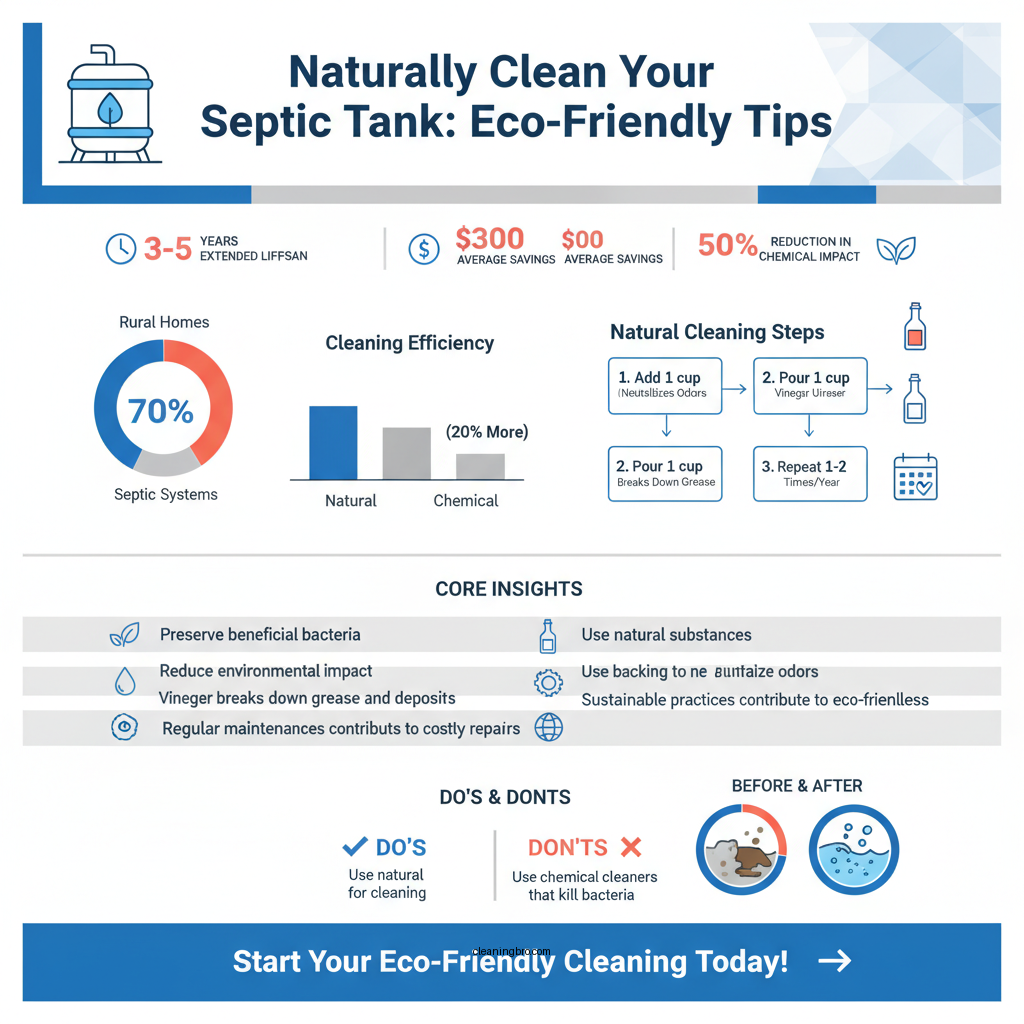

Using natural cleaning methods for septic tanks offers several advantages over chemical cleaners. Firstly, natural substances, such as baking soda and vinegar, are less likely to disrupt the essential bacteria that break down waste in the septic system. Chemical cleaners can kill these beneficial microorganisms, leading to a buildup of sludge and increased frequency of pump-outs.
Additionally, natural cleaning methods are safer for the environment. They minimize the risk of groundwater contamination and lessen the impact on local ecosystems. By opting for eco-friendly solutions, homeowners can contribute to sustainable practices while maintaining their septic systems effectively.
Natural Cleaning Solutions
Several natural substances can be effectively used to clean and maintain your septic tank. Here are some common options:
1. Baking Soda: This versatile compound can be used to neutralize odors and promote a healthy bacterial balance. Sprinkle 1 cup of baking soda into your toilet or sink drain, followed by hot water. This helps dissolve any buildup in pipes and maintains a balanced pH.
2. Vinegar: A powerful yet gentle cleaning agent, vinegar can help break down grease and mineral deposits. Pour 1 to 2 cups of vinegar down your drains, allowing it to sit for 30 minutes before flushing with hot water.
3. Yeast: Adding dry yeast to your septic tank can introduce beneficial bacteria that help break down waste. You can use 1 packet of active dry yeast mixed with warm water and pour it down the toilet.
4. Epsom Salt: This can help control odors and maintain a healthy environment within the tank. Adding 1 cup of Epsom salt occasionally can help prevent clogs.
5. Essential Oils: Some essential oils, like tea tree or lavender, possess antibacterial properties. Adding a few drops into your drains can help keep odors at bay while supporting good bacterial growth.
Cleaning Table
Top 5 Natural Cleaning Solutions for Septic Tanks
| # | Solution | Benefits | Usage Frequency |
|---|---|---|---|
| 1 | Baking Soda | Neutralizes odors | Monthly |
| 2 | Vinegar | Breaks down grease | Monthly |
| 3 | Yeast | Boosts bacteria | Every 3 months |
| 4 | Epsom Salt | Controls odors | Every 6 months |
| 5 | Essential Oils | Natural fragrance | As needed |
Regular Maintenance Practices
Maintaining your septic tank involves more than just occasional cleaning. Regular maintenance practices are essential to ensure the system operates efficiently. Key practices include:
– Routine Inspections: Have your septic system inspected at least once a year to check for any signs of malfunction or buildup.
– Pump-Out Schedule: Depending on the size of your tank and the number of occupants in your home, pumping out the septic tank every 3 to 5 years is generally recommended.
– Water Conservation: Reducing water usage can help prevent overwhelming the system. Simple practices such as fixing leaks and using water-saving appliances contribute significantly.
– Avoid Flushing Non-Biodegradable Items: Only human waste and toilet paper should be flushed. Items like wipes, feminine hygiene products, and other non-biodegradables can cause clogs.
Maintenance Comparison Table
Septic Tank Maintenance Practices
| Practice | ⭐ Routine Inspection | Pump-Out Schedule | Water Conservation |
|---|---|---|---|
| Frequency | Annually | Every 3-5 years | Always |
| Cost | $100 – $300 | $300 – $600 | Variable |
| Impact on System | ✅ Prevents failure | ✅ Reduces clogs | ✅ Supports longevity |
| Environmental Benefits | Protects local water | Reduces waste overflow | Conserves water |
Signs Your Septic Tank Needs Attention
Recognizing the signs that your septic tank requires attention can save you from costly repairs and health hazards. Key symptoms to watch for include:
– Foul Odors: Unpleasant smells near the septic tank or drain field can indicate a buildup of gases or a malfunctioning system.
– Slow Drains: If your sinks, toilets, or bathtubs are draining slowly, it may suggest a clog or blockage in the septic system.
– Pooling Water: Standing water or wet spots in your yard, especially near the drain field, can signal a failing system.
– Backups: Frequent backups in your home’s plumbing are a clear indication that the septic tank is full or damaged.
If you observe any of these symptoms, it’s essential to consult a professional. Regular maintenance and timely intervention can significantly extend the life of your septic system.
DIY Cleaning Tips
Implementing a DIY cleaning process for your septic tank can be straightforward and economical. Here’s a simple step-by-step guide:
1. Gather Your Materials: You will need baking soda, vinegar, and possibly Epsom salt.
2. Clear Drains: Begin by ensuring that your drains are clear of any debris or non-biodegradable items.
3. Add Baking Soda: Pour 1 cup of baking soda down the toilet or sink drain, followed by hot water. Let it sit for about 30 minutes.
4. Pour Vinegar: Next, pour 1 to 2 cups of vinegar down the same drain. Allow it to fizz and work for another 30 minutes.
5. Flush with Water: Finally, flush the system with hot water to remove any loosened debris.
6. Repeat Regularly: For optimal results, repeat this process every few months or as needed, depending on your system’s usage.
Eco-Friendly Products for Septic Maintenance
Choosing the right products for septic maintenance is crucial in supporting a healthy system. Here are some recommended eco-friendly products:
1. Baking Soda: As mentioned, it’s a versatile and effective cleaner.
2. Biodegradable Cleaners: Look for cleaners specifically labeled as septic-safe, which are designed to work with the natural bacteria in your tank.
3. Natural Enzyme Products: These products contain enzymes and bacteria that break down waste and are safe for the environment.
4. Compostable Wipes: If you must use wipes, choose compostable options that won’t harm your septic system.
When selecting products, always check for certifications or endorsements that indicate they are safe for septic systems to ensure you are making the best choice for your home and the environment.
By implementing these natural cleaning methods and regular maintenance practices, you can keep your septic tank running smoothly without harming the environment. Take the time to integrate these solutions into your home routine, and consider sharing this knowledge with friends and family to promote eco-friendly septic care.
Frequently Asked Questions
What are the best natural methods to clean a septic tank?
The best natural methods to clean a septic tank include using enzymes and beneficial bacteria, which can break down waste and organic matter. Adding ingredients like baking soda, vinegar, or yeast can also promote a healthier septic environment by maintaining pH balance and enhancing microbial activity.
How often should I clean my septic tank naturally?
It is recommended to clean your septic tank naturally every 1 to 3 years, depending on the size of your household and water usage. Regular natural maintenance, such as adding enzymes or bacteria, can extend the time between cleanings and help prevent clogs and backups.
Why is it important to clean a septic tank naturally?
Cleaning a septic tank naturally is important because it minimizes chemical use that can harm beneficial bacteria essential for breaking down waste. Natural cleaning methods also reduce the risk of environmental contamination and ensure the longevity and efficiency of your septic system.
Which natural products are effective for septic tank maintenance?
Effective natural products for septic tank maintenance include enzymes, probiotics, and organic additives like baking soda and molasses. These products help break down solids, improve flow, and promote a healthy bacterial balance within the tank.
How can I tell if my septic tank needs cleaning?
Signs that your septic tank needs cleaning include slow drains, unpleasant odors around the tank area, and wastewater pooling in your yard. If you notice these symptoms, it may indicate that your septic system is not functioning properly and requires natural maintenance or cleaning.
References
- Septic Systems (Decentralized/Onsite Systems) | US EPA
https://www.epa.gov/septic - How to Clean a Septic Tank (with Pictures) – wikiHow
https://www.wikihow.com/Clean-a-Septic-Tank - https://www.ncbi.nlm.nih.gov/pmc/articles/PMC7247960/
https://www.ncbi.nlm.nih.gov/pmc/articles/PMC7247960/ - https://www.cdc.gov/healthywater/septic/index.html
https://www.cdc.gov/healthywater/septic/index.html - https://www.mayoclinic.org/healthy-lifestyle/adult-health/in-depth/septic-tank-cleaning/art-20447757
https://www.mayoclinic.org/healthy-lifestyle/adult-health/in-depth/septic-tank-cleaning/art-20447757 - https://www.nature.com/articles/s41598-019-44507-4
https://www.nature.com/articles/s41598-019-44507-4 - https://www.sciencedirect.com/topics/earth-and-planetary-sciences/septic-tank
https://www.sciencedirect.com/topics/earth-and-planetary-sciences/septic-tank - Google Scholar Google Scholar
https://scholar.google.com/scholar?q=how+to+clean+septic+tank+naturally - Google Scholar Google Scholar
https://scholar.google.com/scholar?q=natural+methods+for+septic+tank+cleaning - Google Scholar Google Scholar
https://scholar.google.com/scholar?q=septic+tank+maintenance+natural+cleaning+methods
