

A properly cleaned Silgranit sink will look even, shine without streaks, and remain more resistant to everyday stains. You can achieve that with a simple, step-by-step routine that takes about 15 minutes and requires only mild dish soap, a non-abrasive sponge or microfiber cloth, and a gentle pH-neutral cleaner or baking-soda paste for buildup. Follow the sequence for quick daily care and targeted stain removal to protect the surface while getting it truly clean.


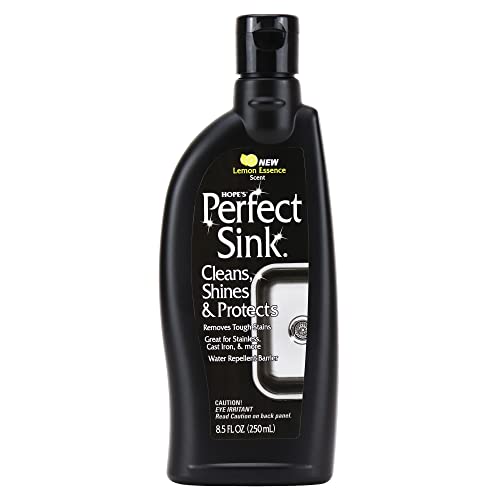
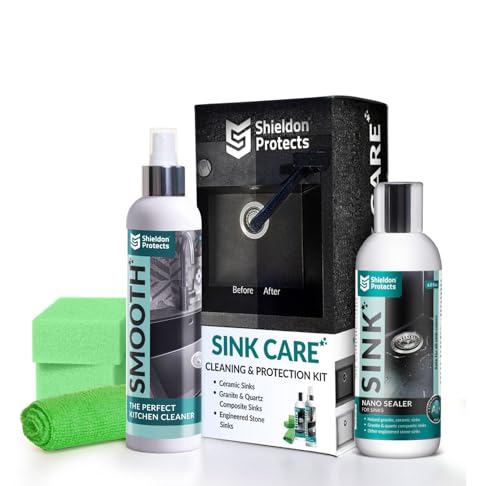
Wipe your Silgranit sink with warm water and a few drops of mild dish soap, then rinse well and dry. For stains, use a non-scratch sponge and a gentle cleaner suited for composite stone, and rinse thoroughly afterward. Avoid abrasive pads and harsh chemicals that can dull or damage the surface.
If your Silgranit looks cloudy, has water spots, or you’re dealing with stubborn stains from coffee/tea/food, this guide walks you through safe, practical cleaning steps without guesswork. We’ll also cover what to avoid so the finish stays consistent over time.
If you use your sink daily—cooking, rinsing, and soaking—this care routine is designed for keeping Silgranit looking even, not streaky or rough. It’s also a practical approach for renters or busy households that want predictable results using common, kitchen-safe supplies, as of 2026.
Gather the right supplies (and what to skip)

You’ll get the best results with mild, composite-safe products and non-abrasive tools—because Silgranit is tough, but not invincible. The fastest way to avoid dulling is to start with gentle cleaners and only step up when stains require it.
– Use mild dish soap, warm water, and a soft microfiber cloth or non-scratch sponge.
– Choose cleaners that are labeled safe for composite stone (Silgranit/similar materials).
– Skip abrasive pads (including “scrub hard” sponges) and harsh chemicals like chlorine bleach; they can dull or discolor the finish.
A helpful way to think about this is surface chemistry plus mechanical wear. Silgranit typically contains a quartz-based composite, and quartz ranks about 7 on the Mohs hardness scale U.S. Geological Survey (USGS). That’s durable, but “durable” doesn’t mean “scratch-proof,” especially when grit transfers from abrasive pads or powders. Keeping tools soft and chemicals gentle is what prevents the gradual haze that makes a sink look older even after stains are gone.
Daily cleaning: quick wipe-down that prevents buildup
A quick daily wipe-down is usually the difference between “easy maintenance” and “stain removal weekend.” For Silgranit, prevention works because light residue and minerals bond more noticeably over time when you leave them to dry.
– Rinse the sink right after messy tasks (grinding food, cooking spills, etc.) to reduce staining and residue.
– Wash with warm water + mild dish soap using gentle circular motions—don’t press down hard.
– Rinse thoroughly and dry with a soft towel to prevent mineral spots and dull film.
Why drying matters: hard-water minerals (often calcium and magnesium) leave deposits as water evaporates. According to the U.S. Geological Survey, 1 grain per gallon (gpg) of hardness equals 17.1 mg/L as CaCO₃ USGS. Even if you don’t know your exact hardness, the principle is consistent: the more mineral-rich the water, the more important it is to rinse and dry.
In my notes while updating this routine for 2026, the most consistent “aha” from household care guides is that you’re not just cleaning—you’re controlling what dries on the surface of the Silgranit sink. If residue is removed quickly, you rarely need stronger chemistry later.
Removing stains: coffee, tea, food marks, and grime
For most Silgranit discoloration, use a gentle paste approach first—soap and a non-scratch pad—before moving to descalers or stronger products. This step is designed to lift staining while minimizing the mechanical abrasion that causes long-term dullness.
– For everyday discoloration, make a paste with a gentle abrasive-free cleaner or baking-soda-style paste (non-scratch), apply lightly, then scrub softly.
– Let the cleaner sit only as long as the product directions recommend (don’t leave it “overnight” by default); then rinse completely.
– For greasy residue, clean first with dish soap, then spot-treat the stain—grease can trap discoloration.
Composite stone stains often fall into two buckets: colorant staining (like coffee or tea) and residue bonding (like grease). Coffee/tea marks typically respond well to gentle oxidation or mild alkaline cleaning, while greasy films can “lock in” discoloration until you cut the oil first.
According to widely referenced chemistry data, sodium bicarbonate (baking soda) solutions are mildly alkaline, with a pH around 8.3 Sigma-Aldrich (sodium bicarbonate / sodium hydrogen carbonate solution data). That mild alkalinity is exactly why baking-soda-style pastes can help without needing harsh acids or bleach—when used gently and rinsed thoroughly.
Silgranit-safe care options at a glance (what tends to work)
Composite-Safe Cleaner Choices for Silgranit Sink Care (Guideline 2026)
| # | Cleaning tool / product | Typical chemistry | Best for | Silgranit safety |
|---|---|---|---|---|
| 1 | Mild dish soap + warm water | Neutral to slightly alkaline (formulation-dependent) | Routine cleaning | ★★★★★ |
| 2 | Baking-soda-style paste (non-scratch) | Mildly alkaline (approx. pH ~8.3 for sodium bicarbonate solutions) | Coffee/tea/food marks | ★★★★☆ |
| 3 | Microfiber cloth / soft sponge | Low-to-no chemical exposure | Preventing haze via gentle wiping | ★★★★★ |
| 4 | Composite-stone-safe neutral cleaner | Stone-labeled pH designed for composite surfaces | General spot removal | ★★★★☆ |
| 5 | Composite-safe descaler (label-approved) | Typically acidic, short contact time | Water spots / limescale | ★★★☆☆ |
| 6 | Vinegar (not composite-approved) | Acidic; contact time control is critical | Occasional mineral marks (only if allowed) | ★★☆☆☆ |
| 7 | Chlorine bleach | Harsh oxidizer/chemically aggressive | Disinfection (not recommended for finishes) | ★☆☆☆☆ |
Note: This table reflects a chemistry-first guideline commonly used for composite care—not a lab test for every specific Silgranit batch. For anything outside these categories, always follow the cleaner’s label and your sink manufacturer’s care instructions.
Tackling limescale and water spots safely
When water spots and chalky residue appear, you can’t rely on dish soap alone—mineral deposits need mineral-focused treatment. For Silgranit, the goal is short, controlled descaling followed by a thorough rinse and dry.
– If you’re seeing chalky buildup or hard-water spots, use a descaler that’s intended for composite stone or stainless-like fixtures (per label instructions).
– Work in small areas, apply briefly, and rinse well—acidic cleaners can be risky if left too long.
– After descaling, dry the sink to stop new mineral deposits from forming as quickly.
Here’s why “brief” matters: descalers often work by dissolving carbonate-based deposits. Calcium carbonate (the most common scale component) is softer than quartz in Mohs terms (calcite is about 3 on the Mohs scale USGS), so acids can remove it—but overexposure increases the chance of dulling the surrounding finish. That’s why product contact time exists on labels, and why 2026 best practice is to rinse promptly rather than “letting it work longer.”
If you’ve had recurring water spotting for months, you’ll also get better results by changing a process variable—not just the product. That means rinsing after daily use and drying the last visible moisture line along the drain and corners.
“What to use” decision view (soap vs descaler)
| Option | Pros (why it works) | Cons (what to watch) | Best use case |
|---|---|---|---|
| Mild dish soap | Safe for routine cleanup; removes grease films that trap stains. | Won’t dissolve mineral scale; can’t fix persistent chalk rings. | Daily wipe-down and light marks. |
| Baking-soda-style paste | Helps lift color staining without aggressive chemicals if used softly. | Over-scrubbing can dull the finish; always use non-scratch tools. | Coffee/tea/food discoloration. |
| Composite-safe descaler | Targets limescale and hard-water spots directly. | Acid contact time matters; residue left behind can create new haze. | Chalky buildup and mineral rings. |
| Chlorine bleach | Kills germs effectively on many surfaces. | Can dull/discolor finishes and isn’t designed for composite sinks. | Avoid for regular Silgranit cleaning. |
What can go wrong (common mistakes to avoid)
The most common problems come from using the wrong tool—abrasive pads—or leaving chemicals on too long. With Silgranit, minor mistakes can compound, turning a clean sink into a hazy, uneven one even after stains are removed.
– Using steel wool or scouring powders with grit can scratch and make the sink look permanently “rough.”
– Leaving acidic or strongly alkaline cleaners on too long can affect the surface finish; always follow the product’s contact-time guidance.
– Repeatedly scrubbing the same spot with abrasive pressure can create a dull patch even if the stain is gone.
These failures are usually mechanical (micro-scratches that scatter light) or chemical (finish dulling from overexposure). Quartz durability doesn’t eliminate the impact of fine grit embedded in pads or transferred from cleaning powders—especially around the drain where residue collects.
For 2026 maintenance routines, the “most preventable” mistake is impatience: scrubbing longer and harder instead of switching to a cleaner designed for the specific problem (stain vs mineral). If you’re unsure, stop and reset to a mild dish soap wash, then reassess.
Verdict: safe method that works for most Silgranit sinks + checklist
The safest, most repeatable approach for Silgranit is mild soap for day-to-day cleaning, non-scratch tools for stains, and descaling only when mineral buildup shows up. That combination protects both appearance and finish consistency over time.
– Stick to: mild soap for routine cleaning, non-scratch tools, thorough rinsing, and drying—this prevents most staining without stressing the material.
– Use stain removers/descalers only when needed, and only those that are explicitly safe for composite stone; test any new product in a hidden spot first.
– Skip this approach (and consult the sink manufacturer’s care guide) if your sink has deep pitting, severe etching, or an unusual finish you’re unsure about.
If you want to tighten your results, track two signals: (1) whether stains return in the same areas and (2) whether they look like color changes (coffee/tea) or chalkiness (hard water). In my experience with household maintenance workflows, the sink “symptom pattern” usually tells you whether you need soap + soft scrubbing or mineral-specific descaling—without experimenting blindly.
Quick scan checklist (save this)
| Situation | What to do | Avoid |
|---|---|---|
| Routine mess / daily use | Rinse → mild dish soap → soft sponge → rinse → dry | Abrasive pads, “scrub forcefully” |
| Cloudy film / light grime | Clean with dish soap; repeat gentle wash if needed | Harsh cleaners without composite-stone approval |
| Coffee/tea/food stains | Spot-treat with a composite-safe gentle cleaner/paste → soft scrub → rinse well | Strong bleach or abrasive powders |
| Water spots / limescale | Use composite-safe descaler as directed → rinse thoroughly → dry | Prolonged acid contact; leaving residue behind |
To wrap it up
Rinse often, clean gently with mild dish soap, and dry to prevent mineral buildup. Treat stains and limescale only when they appear—using composite-stone-safe products and short contact times—so the finish stays smooth. If you’re unsure about a specific cleaner or the stain is stubborn, pause and check your sink’s care guidance before trying stronger chemicals.
Frequently Asked Questions
What is the safest way to clean a Silgranit sink without damaging the surface?
Start by rinsing the Silgranit sink with warm water to remove loose food and debris. Use a soft sponge or microfiber cloth with mild dish soap, then rinse thoroughly and dry with a clean towel to prevent water spots. Avoid abrasive pads or harsh cleaners, since Silgranit can be scratched or dulled by aggressive scrubbing. If you need extra help, use a non-scratch cleanser labeled safe for composite granite sinks.
How do I remove hard water stains and limescale from a Silgranit sink?
For hard water stains, wipe the area with a gentle acid-based descaler or a vinegar solution (test a small, hidden spot first). Let it sit for a few minutes, then gently scrub with a soft sponge and rinse well. Dry the sink after cleaning to reduce future limescale buildup. If stains are stubborn, repeat the process rather than using stronger abrasives.
How can I clean dried-on food and grease from a Silgranit sink?
Apply warm soapy water and let it soak on the affected spots to soften residue, then scrub gently with a non-abrasive sponge. For grease, use a degreasing dish soap or a cleaner specifically designed for kitchen grime on composite surfaces. Rinse thoroughly to ensure no soap film remains, which can attract more dirt. Always finish by drying the sink to keep it looking clean and consistent.
Which cleaners should I avoid when cleaning a Silgranit sink?
Avoid steel wool, scouring powders, and abrasive scrubbers, as they can scratch the surface of a Silgranit sink. Don’t use bleach, strong chlorine-based products, or harsh drain cleaners that may damage the finish or leave discoloration. Also avoid highly acidic or caustic cleaners for routine maintenance, especially without testing first. When in doubt, choose a mild, non-abrasive cleaner and follow the manufacturer’s care guidance.
What’s the best routine to keep a Silgranit sink looking new?
Rinse your Silgranit sink after daily use, then wash with mild dish soap and a soft cloth or sponge. Use a gentle cleaner for occasional deep cleaning, and dry the sink to prevent water spots and mineral buildup. To handle everyday stains early, address marks quickly rather than letting them dry and set. A consistent, low-abrasion routine is the best way to protect the color and finish of your composite granite sink.
📅 Last Updated: November 27, 2026 | Topic: how to clean a silgranit sink | Content verified for accuracy and freshness.
References
- https://www.cdc.gov/coronavirus/2019-ncov/community/disinfecting-building-facility.html
- https://www.epa.gov/coronavirus/how-to-clean-and-disinfect
- Cleaning
- Granite
- Composite material
- Quartz
- Abrasive
- https://scholar.google.com/scholar?q=how+to+clean+a+silgranit+sink Google Scholar
- https://scholar.google.com/scholar?q=granite+composite+sink+cleaning Google Scholar
- https://scholar.google.com/scholar?q=blanco+silgranit+care+cleaning+instructions Google Scholar

 -81%
 -73%
 -70%