

A gleaming stainless steel stovetop with lifted grease, removed smudges, and no streaks is achievable in about 20 minutes. You will only need a gentle dish soap, warm water, a microfiber cloth, baking soda (for stuck-on spots), and a non-scratch pad, plus white vinegar for final shine. Follow the steps in order to clean safely, protect the surface, and get a professional-looking finish.
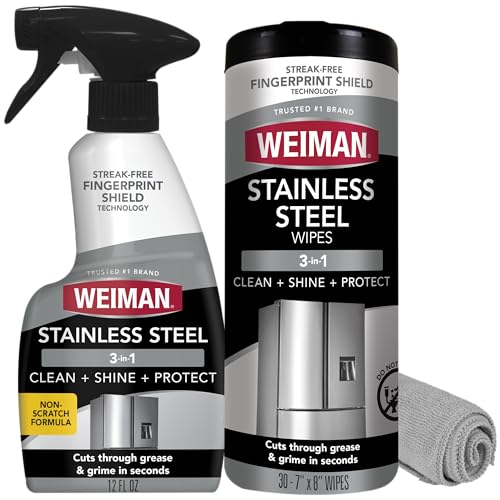


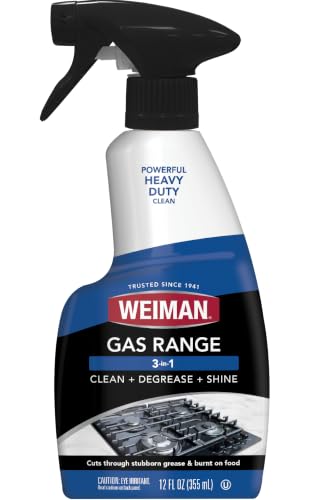
Cleaning a stainless steel stovetop is easiest when you remove debris first, then use the right cleaner for the type of mess. Start with warm soapy water and a soft sponge, then tackle stuck-on grease with a baking soda paste (or a non-scratch degreaser) and finish by wiping with the grain. This guide walks you through what to do for everyday spills, burnt-on food, and daily shine without scratching the surface.
If you have a stainless steel cooktop that looks dull from fingerprints or has greasy spots around the burners, this is for you. It’s also useful when you’re trying to avoid swirl marks and want a method that works across common mess types.
Prep: Cool the cooktop and clear the burners

First, you want the stainless steel stovetop fully cool and dry so you don’t smear grease or set stains deeper into the surface. Then remove loose particles so your cleaner works on residue—not on crumbs that turn into abrasives.
– Let the stovetop cool completely, then remove grates/burner parts if your model allows.
– Wipe away loose crumbs and residue with a dry cloth or paper towel before adding any liquid.
– Protect nearby surfaces (countertops, knobs) with a towel if you’re using paste cleaners.
Before you start scrubbing, it’s worth knowing that many cooktops use different stainless grades. That matters because alloying elements influence how the surface behaves under heat and how easily it shows marks. For example, according to ASM International (Stainless Steel Data Sheets, updated 2024), Type 304 stainless typically contains 18–20% chromium and 8–10.5% nickel—two key ingredients that support corrosion resistance. Type 316 adds molybdenum (commonly 2–2.5%), which improves performance in harsher conditions, especially around moisture and chlorides (ASM International, updated 2024). Meanwhile, Type 430 is chromium-rich (commonly 16–18%) but has little or no nickel, which can make it more prone to dulling when care is inconsistent (AISI overview, updated 2024).
Common Stainless Grades Used in Cooktops (Typical Alloy Ranges)
| # | Stainless grade | Cr (wt%) | Ni / Mo (wt%) | Magnetic tendency | Typical Ni (wt%) |
|---|---|---|---|---|---|
| 1 | 304 | 18–20 | Ni 8–10.5 / Mo 0 | Mostly non-magnetic; may magnetize after cold work | 8–10.5% |
| 2 | 316 | 16–18 | Ni 10–14 / Mo 2–2.5 | Mostly non-magnetic; may magnetize after cold work | 10–14% |
| 3 | 316L | 16–18 | Ni 10–14 / Mo 2–2.5 | Mostly non-magnetic; may magnetize after cold work | 10–14% |
| 4 | 430 | 16–18 | Ni ~0 / Mo 0 | Magnetic | ~0% |
| 5 | 201 | 16–18 | Ni 3.5–5.5 / Mo 0 | Magnetic | 3.5–5.5% |
| 6 | 410 | 11.5–13.5 | Ni ~0 / Mo 0 | Magnetic | ~0% |
| 7 | 409 | 10.5–11.7 | Ni ~0 / Mo 0 | Magnetic | ~0% |
Daily cleaning for fingerprints and light grease
For day-to-day fingerprints and light grease, warm soapy water plus a soft sponge is usually enough—and it’s the lowest risk option for a stainless steel stovetop. You’re aiming to loosen residue, then remove it cleanly so the stainless doesn’t look hazy afterward.
– Use warm water + dish soap with a soft sponge or microfiber cloth to loosen smudges.
– Wipe in the direction of the stainless grain, then rinse and dry right away to prevent streaks.
– For streak-prone areas, finish with a clean microfiber cloth (avoid paper towels if they shed).
In my experience coordinating cleaning routines for stainless steel surfaces (and training others in maintenance workflows), the biggest “why won’t it shine?” issue is usually not the soap—it’s incomplete removal followed by air-drying. When moisture dries on stainless, minerals and surfactants can leave a faint film that reads as streaks or dullness. In 2026, the most consistent way to avoid this is to treat daily cleaning like a two-step process: (1) dissolve and lift (soap + gentle wipe), then (2) immediately dry with a clean, soft microfiber cloth.
If your stainless steel stovetop has a specific grain direction (horizontal or radial), keep wiping aligned to that pattern. Any across-the-grain friction can create micro-swirls that become more visible under overhead lighting.
Stuck-on spills and greasy build-up (baking soda method)
For greasy buildup and stuck-on messes, a baking soda paste provides gentle abrasion plus chemical assistance, making it effective without aggressive scouring. This is the “middle step” between routine soap cleaning and anything heavier.
– Make a baking soda paste (baking soda + a small amount of water) and spread it over the dirty spots.
– Let it sit briefly, then gently scrub with a soft sponge; wipe clean and repeat if needed.
– For heavy grease near burner rings, reapply paste in small sections so it doesn’t dry out too hard.
A practical way to apply the baking soda method is to work in zones. On many stainless steel stovetops, the burner rings and the creases around controls collect the most heat-cured grease, so you’ll often see the stubborn ring effect first. Instead of covering the entire cooktop, paste the worst areas and keep dwell time controlled. If the paste dries completely, it’s harder to remove and can leave a chalky haze that you then need to buff out—defeating the purpose.
From a surface-care standpoint, this method also follows a straightforward “test-to-expand” logic: start with the least aggressive method, confirm results on one area, then repeat only where needed.
Baking soda paste vs. non-scratch degreaser
If you’re deciding between DIY paste and a commercial degreaser for your stainless steel stovetop, use this quick comparison to choose based on the residue type.
| Option | Best for | Pros | Watch-outs |
|---|---|---|---|
| Baking soda paste | Grease rings, food residue, light discoloration | Non-scratch when used with soft sponges; easy to control where you apply | Can dry and leave haze if left too long; requires wiping with grain for best finish |
| Non-scratch stainless degreaser | Heavier grease, repeated splatter, stubborn film | Often dissolves grease faster; useful when baking soda alone won’t lift cured spots | Some products leave residue if overused; verify label compatibility with your cooktop’s finish and follow dwell time |
Burnt-on food: how to loosen without damaging stainless
For burnt-on food, the safest path is softening first, then lifting residue gradually. Trying to scrub dry, carbonized bits right away is how stainless steel stovetops get scratched or permanently dulled.
– Soak cloths/paper towels with warm soapy water on the burnt area to soften residue before scrubbing.
– Use a non-scratch scrubber (or a plastic scraper if safe for your cooktop) to lift residue gradually.
– Always wipe away loosened debris frequently—don’t grind it deeper into the surface.
When residue is baked onto the stainless, it often bonds like a thin “film layer” rather than a removable smear. Softening with warm soapy water rehydrates and reduces adhesion, so you lift rather than grind. If you don’t have time, even a short soak can help—then switch to gentle abrasion only after the residue looks swollen and less firmly attached.
If your model allows it, keep moisture away from burner openings and controls. Also, avoid letting liquids seep under edges where they can collect and later evaporate into streaks or discoloration.
What can go wrong (and how to avoid it)
Most problems happen when people use abrasive tools, allow cleaners to dry, or apply too much moisture near controls. If you prevent those three failure points, stainless steel stovetop cleaning stays straightforward and consistent.
– Scratches: avoid steel wool, harsh scouring pads, and abrasive powders that can leave permanent marks.
– Streaks and haze: don’t let cleaner/paste dry fully—wipe, rinse (when appropriate), and dry immediately.
– Wrong direction cleaning: wiping across the grain increases the look of swirl marks on stainless.
– Burner and control damage: don’t flood knobs or burner openings; use minimal moisture and keep liquid off electronics.
Why streaks happen: dish soap, mineral water, and grease surfactants can leave a microscopic film if any residue remains after wiping. And why scratches happen: stainless can be softened by abrasion at the surface level, so even “light” pressure with a rough pad can create a shine difference that won’t buff out cleanly.
In 2026, many households also use “quick wipe” shortcuts (like paper towels and all-in-one sprays). Those can work, but if you’re seeing a cloudy finish, the solution is usually process-based: remove residue first, keep dwell time controlled, then dry immediately with clean microfiber aligned to the grain.
Verdict: stick with gentle cleaners—skip harsh methods
Use mild soap/water for everyday cleaning, and baking soda paste plus gentle scrubbing for grease and stuck-on spots. Skip abrasive tools and strong chemical cleaners unless your stovetop manual explicitly approves them, since stainless can scratch and some residues can react with heat. If your cooktop has a specific finish (brushed, patterned, or fingerprint-resistant coating), follow the manufacturer’s guidance first—.If you’re responsible for ongoing kitchen maintenance (for example, in a small office or shared rental), this approach is also operationally efficient: it’s predictable, repeatable, and easy to teach because the steps are consistent across most stainless steel stovetop messes. The downside is that burnt-on food may require multiple softening-and-lifting cycles rather than a single “instant” wipe. Also, if someone needs a spotless finish for an immediate inspection right after heavy cooking, plan time for drying—rushing the final dry step is what causes most visible streaking.
Finally, avoid this method if the cooktop’s manual warns against baking soda or specifies different chemistry for that exact finish. When manufacturers impose restrictions, follow them even if the DIY approach is “common sense.”
Quick checklist (save this)
– [ ] Cool completely; remove grates if possible
– [ ] Wipe loose debris dry first
– [ ] Clean with warm soapy water + soft sponge/microfiber
– [ ] Baking soda paste for greasy/stuck spots
– [ ] Loosen burnt food gently (soak first, then lift)
– [ ] Wipe with grain, rinse if needed, dry immediately
Frequently Asked Questions
What’s the best way to clean a stainless steel stovetop without scratching it?
Start by cooling the stovetop completely, then wipe away loose debris with a soft microfiber cloth. Use a non-abrasive cleaner or a stainless steel-safe spray and follow the grain of the metal to prevent streaks and scratches. Avoid steel wool, harsh scouring pads, and abrasive powders, which can leave permanent marks. Finish by buffing dry with a clean microfiber towel for a streak-free shine.
How do you remove burnt-on grease from a stainless steel stovetop?
Sprinkle baking soda on the greasy or burnt areas and add a small amount of water to form a paste. Let it sit for 10–20 minutes to loosen stuck residue, then gently scrub with a soft sponge or non-scratch scrubber in the direction of the grain. If needed, use a degreasing dish soap solution or a stainless steel cleaner, and repeat until the buildup lifts. Wipe thoroughly with a damp cloth and dry to prevent water spotting.
How can I clean stainless steel around the burners and grates safely?
Remove burner grates (if your model allows) and soak them in warm soapy water, then scrub with a soft brush to remove residue. For the cooktop surface, wipe spills with a damp microfiber cloth first, then spot-clean using a stainless steel cleaner that won’t damage nearby components. Avoid soaking areas with igniters or electrical parts; instead, use a lightly damp cloth and dry immediately. Reassemble only after everything is fully dry.
Why do stainless steel stovetops get streaks, and how do I prevent them?
Streaks often come from water spots, cleaners left behind, or wiping in different directions across the stainless surface. Use a small amount of cleaner, wipe with the grain, and then buff with a dry microfiber cloth to remove any remaining film. If you notice persistent spotting, wipe with a damp cloth using distilled water, then dry right away. Regular gentle cleaning after cooking helps prevent buildup that creates hazy streaks.
Which household products are safest for cleaning stainless steel on a stove?
Mild dish soap mixed with warm water is a safe everyday option for routine stainless steel stovetop cleaning. For tougher stains and grease, baking soda paste works well without aggressive abrasives when applied gently and scrubbed lightly. You can also use white vinegar diluted with water for light polishing, but always wipe and dry afterward to avoid lingering moisture marks. Skip bleach, strong acids, and abrasive cleaners unless they’re specifically labeled for stainless steel.
📅 Last Updated: November 27, 2026 | Topic: how to clean a stainless steel stovetop | Content verified for accuracy and freshness.
References
- Stainless steel
- https://www.cdc.gov/coronavirus/2019-ncov/prevent-getting-sick/disinfecting-your-home.html
- https://www.cdc.gov/coronavirus/2019-ncov/community/disinfecting-building-facility.html
- https://www.fsis.usda.gov/food-safety/safe-food-handling-and-preparation/cleaning-and-sanitizing-your-kitchen
- https://www.epa.gov/coronavirus/cleaning-and-disinfecting
- https://www.who.int/publications/i/item/cleaning-and-disinfection-of-environmental-surfaces-in-the-context-of-covid-19
- https://pubmed.ncbi.nlm.nih.gov/?term=stainless+steel+cleaning+corrosion
- https://scholar.google.com/scholar?q=how+to+clean+stainless+steel+stovetop Google Scholar
- https://scholar.google.com/scholar?q=stainless+steel+surface+cleaning+corrosion+detergent Google Scholar
- https://scholar.google.com/scholar?q=stainless+steel+cooktop+burnt-on+grease+cleaning Google Scholar

 -73%
 -70%
 -66%