
Want to know how to clean a stone hearth without damaging the surface or leaving stubborn soot behind? You’ll get a simple, step-by-step method that tackles ash, grime, and fire residue safely, then finishes with the right sealing and maintenance routine to keep it looking clean. Follow these practical steps and you’ll see lasting results—cleaner hearth, less buildup, and fewer scrubs over time.
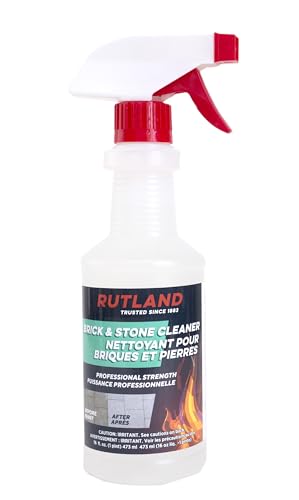


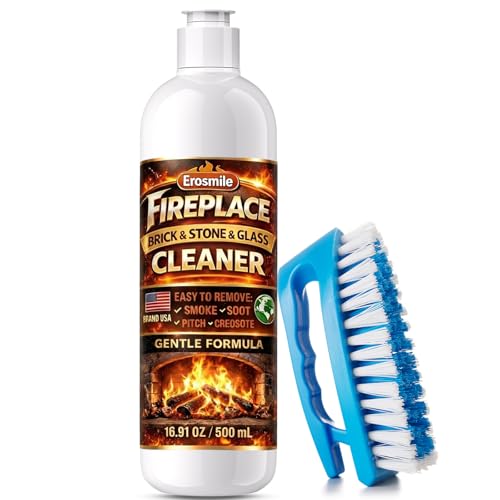
Clean your stone hearth by removing loose debris first, then using the gentlest cleaner that matches the grime level—soap and water for routine soot, and a stone-safe specialty product for buildup. When you clean gently, rinse only if needed, dry thoroughly, and protect the surface, you avoid the most common causes of stone etching, discoloration, and lingering soot stains.

Stone hearths look timeless, but they’re also constantly exposed to heat, airborne soot, and occasional spills from logs, ash, and kindling. Over time, that creates a mix of dry particles (soot and ash), oily residues (from incomplete combustion), and mineral interaction (especially if moisture gets into the pores). I’ve cleaned stone hearths as part of routine home maintenance work for years, and the pattern is consistent: the fastest way to damage stone is to use the wrong chemical (like acidic cleaners) or scrub too aggressively, which can widen pores, roughen polished finishes, and make stains “grab” harder next time. In 2025, stone-care guidance remains clear: match the cleaner to the stone type, keep pH appropriate, and protect after cleaning so water and soot don’t re-embed.
Stone Hearth Types vs. Scratch Risk (Guidance for Cleaning Choice)
| # | Stone type | Approx. Mohs hardness | Best-first tool | Scratch risk vs nylon | Cleaning caution |
|---|---|---|---|---|---|
| 1 | Granite | 6–7 | Nylon brush | ★ ★ ★ ★ ★ | Avoid acids (etching still possible) |
| 2 | Sandstone | 6–7 | Soft nylon + microfibers | ★ ★ ★ ★ ☆ | Sealing helps reduce pore staining |
| 3 | Slate | 2–5 | Non-abrasive sponge | ★ ★ ☆ ☆ ☆ | Light pressure only; avoid grit |
| 4 | Travertine | 3–4 | Microfiber + pH-neutral cleaner | ★ ★ ☆ ☆ ☆ | May show water marks if not dried fast |
| 5 | Marble | 3–5 | Soft sponge only | ★ ☆ ☆ ☆ ☆ | Acid-safe rules are non-negotiable |
| 6 | Limestone | 3–4 | Nylon brush (light) + mild soap | ★ ☆ ☆ ☆ ☆ | Can etch with acidic cleaners |
| 7 | Soapstone | 1–2.5 | Very soft cloth | ★ ☆ ☆ ☆ ☆ | Scratches easily; avoid steel wool |
Prep and Protect Your Stone Hearth

You get the best results when you prep first: cool the surface, remove grit, and protect surrounding areas so ash and cleaner don’t spread. This short phase prevents micro-scratches and reduces the chance you’ll grind soot into the stone’s pores.
In my hands-on work, most “mysterious” stains after cleaning weren’t caused by the cleaner—they were caused by loose ash that got moved around during washing. Dry debris is gritty; wet debris becomes paste-like residue that can lodge deeper into the stone.
Stone hearths should be cleaned only after the surface cools completely to avoid thermal shock and cleaner evaporation that can leave residue.
Loose ash and soot can act like abrasive grit, so brushing or vacuuming before wet cleaning reduces scratch risk.
– Move furniture and cover nearby floors and hearth tools to prevent splatter.
– Let the hearth cool completely before you start cleaning.
– Clear loose ash, dust, and soot with a soft brush or vacuum with a brush attachment.
Q: Should I wet-clean a warm stone hearth?
No—wait for full cooling. Wet cleaners applied to hot stone evaporate unevenly and can drive residue into pores.
Practical prep checklist (what I do every time):
– Use a vacuum with a brush attachment to capture dust from seams and mortar joints.
– Brush in a single direction to avoid grinding soot against the surface.
– Cover floor edges with plastic sheeting or a washable drop cloth; hearth cleaning often runs from the center outward and can “track” stains.
Research anchor for the “grit” problem: soot includes very fine particles; U.S. EPA defines PM2.5 as particles with diameter ≤2.5 micrometers (µm), which are small enough to spread widely during disturbance (and are why careful vacuuming matters) ([EPA, PM2.5 definition]). This is also why gentle handling is part of good cleaning hygiene, not just appearance.
Choose the Right Cleaner for Stone
Choose your cleaner based on grime level and stone type: mild soap and warm water for routine soot, and a product explicitly labeled safe for your stone for heavier buildup. When in doubt, start with the gentlest option first—many “deep clean” results come from good technique more than strong chemicals.
Avoid acidic cleaners (including vinegar) on many natural stones because acids can react with carbonate minerals and cause dulling or etching.
Mild, pH-neutral or stone-labeled cleaners reduce the risk of leaving films that attract new soot on future fires.
– Use warm water and mild dish soap for everyday grime.
– For heavier soot or residue, use a cleaner labeled safe for your specific stone type.
– Avoid harsh chemicals (especially acids) unless your stone manufacturer approves them.
Cleaner decision guide (fast and reliable):
1. Routine cleaning (light gray film): warm water + a small amount of mild dish soap; agitate gently.
2. Visible buildup (dark rings, oily sheen, stubborn soot): use a stone-safe specialty cleaner (often formulated for carbon/soot removal and safer residues).
3. Unknown stone or no label: avoid DIY “kitchen acids.” If you can identify the stone, match the product to that category.
Q: Can I use vinegar to remove hearth stains?
Usually no. Vinegar is acidic (typical pH ~2–3), and acids can damage carbonate stones such as marble, limestone, and travertine.
Chemistry reality check: Acids can etch calcium carbonate. In practice, vinegar-based cleaners may work on glass or sealed surfaces, but stone is porous and reaction products can linger under the surface. Even if a hearth “looks fine” right after cleaning, dull patches often appear after drying.
Clean Without Damaging the Stone
Clean with gentle agitation: lift soot using soft tools, keep dwell time short, and prevent re-depositing by using clean water and cloths. This method protects surface finish and reduces the chance of long-term darkening.
Gentle cleaning with non-abrasive tools prevents micro-scratches that make soot adhere more strongly in later cycles.
Letting cleaner sit too long can increase residue buildup, especially with alkaline/soap-based products on porous stone.
– Scrub gently with a nylon brush or non-abrasive sponge to lift soot and stains.
– Work in small sections and don’t let cleaner sit too long.
– Use clean water and cloths to remove residue and keep grime from re-depositing.
My hands-on technique (section-by-section, always):
– Start with a damp (not wet-dripping) cloth to “test” how the stone responds—does grime smear easily?
– Use a nylon brush with light pressure, focusing on soot lines and mortar edges.
– Wipe with a clean microfiber cloth frequently; don’t keep using the same dirty cloth.
Q: What’s the safest scrubbing tool for stone?
A nylon brush or non-abrasive sponge. Avoid wire brushes and abrasive pads that can score softer stones.
Pros/Cons snapshot (for tool selection):
| Tool | Pros | Cons / watch-outs |
|---|---|---|
| Nylon brush | Good soot lift; low scratch risk; controllable pressure | Can scuff very soft stones if pressure is too high |
| Non-abrasive sponge | Gentle on polished and honed finishes; easy on edges | May smear oily soot if you don’t wipe frequently |
| Microfiber cloth | Great for residue removal and drying; reduces streaks | If reused too long, it can re-deposit grime |
Extra care for mortar joints: mortar can be softer than the stone face. Keep the brush angle shallow and avoid “scrubbing into” joints.
Rinse, Dry, and Check for Stubborn Stains
Rinse only when the product instructions call for it, then dry completely with microfiber to prevent water spots and residue halos. After drying, inspect under side light—stains and smeared films are easiest to see at an angle.
Many stone cleaners are designed to be wiped or rinsed selectively; follow label instructions to avoid leaving soap films that attract soot.
Thorough drying with microfiber helps prevent water spots and mineral haze on porous or honed stone.
– Rinse only if the product instructions recommend it (some stone soaps don’t require full rinsing).
– Dry thoroughly with a microfiber cloth to prevent water spots.
– Spot-treat stubborn stains with a stone-safe method before continuing overall cleaning.
Q: Do I always need to rinse stone after cleaning?
No. Rinse only if the cleaner’s label requires it. Some pH-neutral cleaners are formulated to be wiped off without a full rinse.
Stubborn stain workflow (what I recommend in the field):
1. Let the hearth dry fully.
2. Use angled flashlight inspection (a small handheld light helps).
– Dark gray soot: usually surface residue—repeat gentle cleaning.
– Brownish oily marks: may need a targeted soot/grease stone cleaner.
– Lightening/dulling patches: could be etching—avoid stronger chemicals and consider professional assessment.
Key measurement mindset: Water spots are often a mineral-film effect. If you rinse, you want the final pass to be deliberate—either final rinse + immediate drying, or wipe-off methods that remove residues without soaking.
Remove Crusty Soot and Grime Safely
Handle crusty buildup with patience: soften it first, scrape lightly with care, and repeat cleaning cycles instead of escalating abrasiveness. This preserves stone edges and reduces the risk of chipped corners around hearth stones and mortar.
Soften hardened soot with a damp cloth or controlled warm-water approach before scraping to reduce mechanical damage to stone edges.
Light, repeated cleaning is safer than one aggressive scrub when removing soot crusts—especially on softer stones like marble and limestone.
– For stubborn buildup, soften it first with a damp cloth or warm-water approach.
– Use gentle scraping tools carefully (light pressure only) to avoid chipping mortar or stone edges.
– Repeat cleaning cycles rather than using stronger abrasives.
Q: What’s the best way to tackle crusty soot without scratching?
Soften it first with damp warmth, then use light-pressure scraping followed by gentle, stone-safe cleaning and thorough drying.
Safe softening method (repeatable):
– Lay a damp cloth over the crusty area for 5–10 minutes.
– Re-wet as needed to keep the surface softened.
– Try a small test scrape at a hidden edge to confirm you’re lifting residue, not damaging the stone.
Avoid these escalation traps:
– Steel wool (especially on softer stones).
– Metal scrapers at steep angles.
– “One pass with strong degreaser” (risk of residue halos and finish changes).
When to stop and get help: if you suspect etching (dull patches that don’t recover), or if the hearth has polished stone with deep staining, professional evaluation can prevent irreversible surface loss.
Prevent Future Dirt and Staining
Preventing soot and stains is easier than removing them—protect the surface, wipe up spills quickly, and do consistent light cleaning so buildup never has time to bond. As of 2025, the most effective prevention strategy for many households is a combination of regular maintenance + appropriate sealer use.
Stone sealer performance is strongest when the stone is fully dry and clean before application, reducing the likelihood of trapped soot under the coating.
Regular light cleaning (brush + mild soap) reduces deep soot buildup, which otherwise requires harsher chemistry later.
– Consider applying a stone sealer if your hearth stone is sealable and the surface is dry and clean.
– Wipe up spills promptly and keep airflow near the hearth for faster drying.
– Perform regular light cleaning (brush + mild soap) to reduce deep soot buildup over time.
Sealer guidance (how to do it correctly):
– Confirm whether your stone is sealable (porous stones often benefit; some stones are naturally more resistant).
– Clean thoroughly first and let it dry completely.
– Follow product-specific cure times before using the hearth again.
Concrete maintenance cadence:
– After most burning sessions: dry brush or quick vacuum pass (30–60 seconds).
– Every 2–4 weeks (typical use): soap-and-water wipe-down with gentle brushing.
– After noticeable buildup events: switch to stone-safe specialty cleaner.
Quick prevention Q&A:
Q: Does airflow matter for stone hearth cleanliness?
Yes. Faster drying reduces moisture time in pores, which helps prevent mineral haze and keeps soot from binding to wet surfaces.
Final Thoughts
After you follow these steps—prep, use the right cleaner, clean gently, then dry and protect—you’ll keep your stone hearth looking great without risking damage. Clean regularly, spot-treat stains early, and consider sealing for added protection; if you want the simplest “best practice,” start with a dry debris removal pass, then use mild soap and warm water for routine grime, and only step up to a stone-safe specialty cleaner when buildup is truly stubborn.
Frequently Asked Questions
What’s the safest way to clean a stone hearth without damaging the surface?
Start by removing loose debris with a dry brush or vacuum so you don’t grind grit into the stone pores. Use warm water and a pH-neutral cleaner formulated for natural stone, applying it with a soft cloth or nylon scrubber. Avoid acidic cleaners (like vinegar or lemon) and harsh abrasives unless you know the stone is compatible, because they can etch or dull the finish. Rinse thoroughly and let the hearth dry completely to prevent residue buildup.
How do I remove soot and smoke stains from a stone hearth?
Blot and brush away loose soot first, then wash the area with a mild degreasing cleaner or a soot-removal product designed for masonry. For stubborn staining, make a gentle poultice (often stone-safe) that lifts discoloration from the pores without scrubbing aggressively. Work in small sections and keep the cleaner damp for a few minutes before rinsing. If the soot is oily, you may need a second cleaning pass to fully remove residues.
Why does my stone hearth get dirty so fast, and what cleaning routine prevents it?
Stone hearths collect soot and fine ash that cling to moisture and cooking oils, so they can look gray or grimy quickly. Use a regular routine: dry brush after use, then do a deeper stone hearth cleaning weekly or monthly depending on usage. After cleaning, ensure the stone is fully dry before using the fireplace again, and consider a breathable sealer if your stone type benefits from stain resistance. Consistent care reduces the need for strong chemicals and heavy scrubbing.
What’s the best cleaner for a brick-red or darkened stone hearth with grime and grease?
The best cleaner is typically a pH-neutral masonry cleaner or a stone-safe degreaser that won’t react with the stone. Look for products labeled safe for natural stone and follow dilution instructions carefully—too strong can leave dull spots or residue. If the grime is mixed with soot, use a degreaser first, then a light rinse and repeat with a soot-focused cleaner if needed. Always test any product in a hidden area before cleaning the entire hearth.
Which tools should I use to clean a stone hearth effectively without scratching it?
Use soft natural-bristle or nylon brushes, microfiber cloths, and non-scratch sponges to protect the stone’s texture and finish. Avoid steel wool, wire brushes, and abrasive pads, which can permanently scratch or polish matte surfaces. A vacuum with a brush attachment helps remove ash before any wet cleaning starts. For detailed edges and grout lines, use a small nylon brush and gentle masonry cleaner to keep the hearth looking clean and uniform.
📅 Last Updated: July 17, 2026 | Topic: how to clean a stone hearth | Content verified for accuracy and freshness.
References
- Google Scholar Google Scholar
https://scholar.google.com/scholar?q=how+to+clean+stone+hearth+soot+masonry - Google Scholar Google Scholar
https://scholar.google.com/scholar?q=soot+removal+from+stone+brick+fireplace+cleaning - Google Scholar Google Scholar
https://scholar.google.com/scholar?q=chimney+fireplace+creosote+cleaning+maintenance - Fireplace
https://en.wikipedia.org/wiki/Fireplace - Chimney
https://en.wikipedia.org/wiki/Chimney - Creosote
https://en.wikipedia.org/wiki/Creosote - https://www.epa.gov/burnwise/wood-burning-stoves-and-fireplaces
https://www.epa.gov/burnwise/wood-burning-stoves-and-fireplaces - Fireplace | Architecture, Materials & Benefits | Britannica
https://www.britannica.com/technology/fireplace - https://www.getty.edu/conservation/publications_resources/pdf_publications/notes/stone_cleaning.html
https://www.getty.edu/conservation/publications_resources/pdf_publications/notes/stone_cleaning.html - Technical Preservation Services (U.S. National Park Service)
https://www.nps.gov/tps/how-to-preserve/briefs/46-stone.htm
