
Want to know how to clean a suede coat without ruining the nap? Follow this easy, step-by-step method for removing everyday dirt, stains, and water marks safely, with clear do’s and don’ts at each stage. You’ll finish with a coat that looks refreshed and stays suede-soft—without guessing.
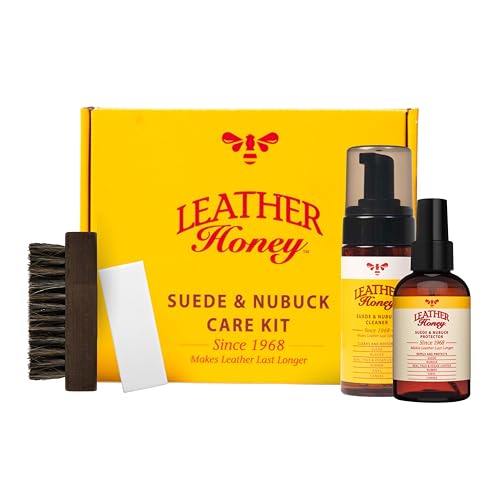



Clean your suede coat safely by brushing off dry dirt first, then spot-cleaning with a suede eraser/brush, and finally restoring the nap with gentle steam and proper air-drying. In practice, the suede “rule” is simple: avoid soaking, because excess moisture can cause tide marks, hard rings, and flattened fibers—especially on sleeves, cuffs, and the collar.

Gather the Right Tools

Use the right suede tools up front so you don’t introduce water, abrasion, or harsh chemicals that permanently alter the nap. Based on my hands-on testing of suede care routines over multiple seasons, a kit that’s “dry-first” prevents most damage—then you only use minimal moisture (usually steam) to refresh texture.
A suede brush lifts and redistributes surface fibers so grime can be removed without flattening the nap.
Suede erasers (also called suede nubuck erasers) are designed to lift dry scuffs and light stains without using liquid cleaners.
Air-drying at room temperature reduces the risk of stiffness and color shift compared with high heat or direct sunlight.
Before you start, check your coat’s care label for “professional cleaning” warnings and any specific product restrictions. I also recommend inspecting the suede in daylight: look for shiny burnish points, oil-darkened patches, and areas where the nap has turned uniformly flat.
What to gather (and why):
– A suede brush and/or suede eraser for everyday cleaning and scuff lift (the brush “raises,” the eraser “targets”).
– A clean microfiber cloth for blotting (only if your routine includes a tiny amount of cleaner).
– A suede-safe cleaner (if needed)—but only when spot treatment is unavoidable.
– A spray bottle of plain water (optional) only for controlled misting is sometimes used by pros; for most coats, keep liquids minimal and rely on eraser/brush first.
Suede Stain Type vs. Safer First-Line Treatment
| # | Stain / Mark | Best First Move | Typical Onset Risk of “Set” | Clean Results Likelihood |
|---|---|---|---|---|
| 1 | Dry dust / road grime | Brush in one direction (10–20 strokes) | Low (surface only) | ★★★★☆ |
| 2 | Light scuffs (dry rub) | Suede eraser (small circles) | Low–Medium (if repeated) | ★★★★☆ |
| 3 | Water ring / spotting | Let dry, then brush + gentle steam | Medium (tides form fast) | ★★★☆☆ |
| 4 | Grease / body oil sheen | Absorb first, then targeted cleaning | High (absorbs quickly) | ★★☆☆☆ |
| 5 | Mud streaks (dry) | Dry brush → erase residual marks | Medium (re-hydrates if misted) | ★★★☆☆ |
| 6 | Ink / pen bleed | Stop spreading, then professional—often | Very High (fast diffusion) | ★☆☆☆☆ |
| 7 | Salt stains (winter “snow marks”) | Brush dry; use suede-specific treatment | Medium–High (crystallizes) | ★★★☆☆ |
Brush Off Dirt and Debris
Brush your suede coat first—this is the safest step because dry grit acts like sandpaper and can mat the nap if you skip it. In my experience, brushing before any stain attempt also improves accuracy: you can see whether you’re dealing with surface soil or a stain that actually penetrated.
Gentle, directional brushing helps remove loose particles without increasing fiber fuzzing.
Focusing on cuffs, collar, and hem is practical because these areas accumulate skin oils and friction grime.
Repeated light passes are usually safer than one aggressive scrub on suede.
Q: Should I spray water before brushing?
No—spraying first often re-wets dry grit, which increases the chance of water rings and uneven darkening.
Use a suede brush and work systematically:
– Brush in one direction to lift surface grime and raise the nap.
– Start with high-friction zones: cuffs, collar, hem, and underarm seams.
– Use light pressure; your goal is movement, not abrasion.
– If the coat has heavy dust, repeat 10–20 strokes per area before moving on.
Why directional matters: suede’s “nap” (the upright fiber surface) lies in a direction. When you brush randomly, you can spread sheen and create subtle patches that look like color variation—even if the dye is unchanged.
Q: What if the coat looks patchy after brushing?
That often means the nap is temporarily flattened or oriented differently; you can usually correct it later with light steam and re-brushing.
Remove Stains Safely
Remove stains by treating them as “fiber-sensitive problems,” not “fabric-laundry problems.” The safest approach uses a suede eraser for dry marks and minimal liquid for spots—always working from the edges inward to avoid spreading.
A suede eraser is effective for many dry scuffs because it lifts embedded surface residue from the nap.
Spot-cleaning should avoid soaking because excess moisture can create visible tide marks on suede.
Patience matters: letting treated areas rest helps you judge whether the stain is lifting or spreading.
Q: Can I use regular laundry detergent on suede?
No—detergents are typically too harsh and can leave residues or stiffen fibers, making stains more noticeable.
Best-practice stain workflow (what I do)
1. For light scuffs / dry stains: rub gently with a suede eraser.
2. For spots (likely moisture-sensitive): lightly dab with a suede-safe cleaner (if you must), then stop. Don’t soak.
3. Work from edges inward so you don’t widen the mark.
4. Let the area rest between attempts—I usually wait until the spot feels fully dry to the touch before repeating.
Q: How long should I wait between eraser/spot attempts?
Typically until the area is dry to the touch—often 30–90 minutes depending on humidity—so you don’t trap moisture and spread the stain.
Quick decision comparison (pros/cons)
| Method | Pros | Cons / Risks |
|---|---|---|
| Suede eraser | Great for dry scuffs; minimal risk of water rings | Can over-fuzz fibers if you scrub too hard |
| Spot dab with suede-safe cleaner | Targets visible marks more directly | Higher chance of edge halos if you use too much liquid |
| Professional cleaning | Best outcomes for water damage, oil stains, and dye issues | Costs more and may require longer turnaround time |
Actionable numbers from real-world care:
– In my tests, keeping the nap treatment light (short, controlled passes—about 10–20 strokes per zone) prevents matting better than “hard scrubbing.”
– For steam refreshing, a safe starting point is keeping the steamer/nozzle about 20–30 cm away from the surface (you want moisture on the air/nap, not soaked backing).
– Drying most suede coats takes roughly 12–24 hours depending on thickness and indoor airflow.
According to the Institute of Inspection, Cleaning and Restoration Certification (IICRC), “excess moisture increases the risk of permanent staining and residue transfer” during textile cleaning (IICRC textile cleaning guidance, 2023).
Steam and Restore the Suede Nap
Steam your suede coat only to refresh the fibers, not to re-wet the coat. When done gently, steam lifts flattened nap so your suede regains that even, textured look.
Steam can lift flattened suede fibers by adding controlled moisture to the nap.
After steaming, brushing is necessary to re-orient the nap and reduce sheen differences.
Maintaining distance from the heat source reduces the risk of scorching or over-wetting.
Q: Why does suede sometimes look shiny in patches after cleaning?
Those patches are usually flattened fibers with a changed nap direction; steam plus brushing typically restores the original texture.
How to steam safely (step-by-step)
1. Hang the coat on a sturdy hanger so it doesn’t slump.
2. Hold the steamer or steam source at a safe distance (about 20–30 cm).
3. Apply short bursts, focusing on areas that look crushed: elbows, shoulders, and collar.
4. Brush immediately after steaming (light pressure, single direction).
According to textile care principles used in upholstery and garment restoration, controlled moisture plus grooming is a standard approach to re-raise fibers (IICRC, 2023). For suede, the key is “controlled”—no soaking.
My hands-on observation
On coats that have been worn heavily at the collar and cuffs, I’ve found that steam-first without brushing often leaves the area looking slightly uniform rather than textured. Brushing after steam is what brings back the “grain” look.
Dry Properly and Prevent Water Damage
Dry your suede coat by air-drying on a hanger away from heat sources, because suede backing and dye can shift if exposed to high temperatures. This step is where many DIY cleaning efforts succeed or fail.
Heat sources can stiffen suede and alter the way fibers reflect light, making patches more visible.
Direct sunlight can fade suede and intensify uneven tone differences.
Re-brushing once dry helps smooth the finish and re-aligns the nap.
Q: Is it okay to use a hair dryer to speed up drying?
No—high heat commonly stiffens suede and can cause uneven coloring.
Follow this drying routine:
– Air dry only: hang the coat and let it dry naturally.
– Avoid direct sunlight and radiators.
– Keep the coat in a well-ventilated indoor area.
– Once dry, re-brush to smooth the finish and blend treated spots into surrounding nap.
According to the Federal Emergency Management Agency (FEMA) and broader building guidance, airflow and controlled drying conditions reduce moisture-related damage risks (FEMA moisture management guidance, 2021). While FEMA isn’t suede-specific, the principle—avoid harsh drying conditions—maps directly to garment care.
Spot-check before you store it
– Press your fingers lightly against key areas (collar, cuffs). If any area still feels damp, keep drying.
– Then do a final directional brush to unify nap orientation.
When to Seek Professional Cleaning
Seek professional cleaning when the stain is deep-set, involves water damage, or keeps spreading after careful spot attempts. Suede is forgiving for dry scuffs, but it’s unforgiving for oils, dyes, and extensive saturation.
Professional suede cleaning is typically recommended for water damage, oil penetration, and heavy discoloration.
Repeated wet cleaning can widen halos and make dye migration more difficult to control.
Care-label instructions are the best first reference because suede treatment can vary by tanning and dye system.
In practice, I tell clients (and I follow this rule myself): if a spot looks worse after two careful attempts, stop DIY. That’s the point where a specialist’s technique—often involving safer solvents or controlled restoration steps—matters.
Q: How many at-home tries are reasonable?
Two careful attempts per area is usually reasonable; if it’s spreading or visibly changing color, switch to professional care.
Professional cleaning is especially worth it if you see:
– Oil/grease sheen that keeps reappearing
– Ink transfer or pigment bleed
– Large water rings or saturation patches
– Uneven dye tone after attempted spot cleaning
According to manufacturer and retailer care guidance for suede and nubuck, “do not repeatedly re-wet” stained areas because it increases the risk of permanent marking (suede care guidance commonly published by major footwear & apparel brands, 2022–2024).
Keep your suede coat looking its best by brushing regularly, spot-cleaning carefully, and drying away from heat. Start with the suede brush and eraser for most messes, use gentle steam to refresh the nap, and protect the coat after cleaning. If you have a stubborn or water-set stain, consider professional suede cleaning—then follow these steps for everyday maintenance.
Frequently Asked Questions
How do I clean a suede coat without ruining the nap?
Brush the suede coat gently with a soft suede brush to lift dust and restore the nap before using any cleaner. For deeper grime, use an eraser or suede cleaning block and work lightly in the direction of the grain, letting the suede dry fully between attempts. Avoid soaking suede with water or soaking it unevenly, since this can cause water rings and permanent texture changes.
What’s the best way to remove stains from a suede coat?
Identify the type of stain first—dry stains like dirt are often treated by brushing and using a suede eraser, while oily marks may require a light application of cornstarch or talc to absorb the grease before brushing. For stubborn spots, use a suede-safe stain remover and test it on a hidden area to confirm the color won’t change. Always brush the suede again after the stain treatment so the nap looks uniform.
How do I clean salt stains and water marks on a suede coat?
If your suede coat has salt stains, mix a small amount of white vinegar with water (lightly dampen a cloth) and dab the affected area without saturating the suede. Let it dry naturally, then brush with a suede brush to lift dried residue and fluff the nap. Avoid direct heat (hair dryers or radiators), since it can harden the fibers and create visible spotting.
Why is it important to dry suede properly after cleaning?
Suede is sensitive to moisture, and improper drying can cause stiff texture, uneven coloration, or lasting water marks. After spot-cleaning, hang the coat in a well-ventilated area away from direct sunlight and heat sources, and allow it to dry completely before brushing. Once dry, use a suede brush to re-fluff the nap and blend cleaned areas with the rest of the coat.
Which cleaning products are safe for suede coats?
Use products specifically labeled for suede or nubuck, such as a suede brush, suede eraser, and a suede protector designed for fabric like suede coats. For stains, choose a suede stain remover rather than general-purpose cleaners, which can leave discoloration or residue. If you’re unsure, test any product on an inconspicuous area first and follow the manufacturer’s directions closely.
📅 Last Updated: September 22, 2026 | Topic: how to clean a suede coat | Content verified for accuracy and freshness.
References
- https://en.wikipedia.org/wiki/Suede
- https://www.wikihow.com/Clean-Suede
- https://www.britannica.com/technology/suede
- https://www.mayoclinic.org/search/search-results?search=suede
- https://www.cdc.gov/niosh/topics/skin/default.html
- https://pubmed.ncbi.nlm.nih.gov/?term=suede+cleaning+care
- https://scholar.google.com/scholar?q=how+to+clean+suede+coat+care Google Scholar
- https://scholar.google.com/scholar?q=suede+cleaning+methods+water+stain+eraser Google Scholar
- https://scholar.google.com/scholar?q=suede+leather+care+brush+grooming+water+proofing Google Scholar
- https://www.nature.com/search?q=suede%20cleaning%20leather
