
How to clean vachetta leather on Louis Vuitton without ruining its color? Follow the quickest, safest method that removes everyday dirt and grime while preserving patina and preventing over-darkening. You’ll also get the clear do’s and don’ts—what to avoid, what to use, and how to dry and condition properly after cleaning.
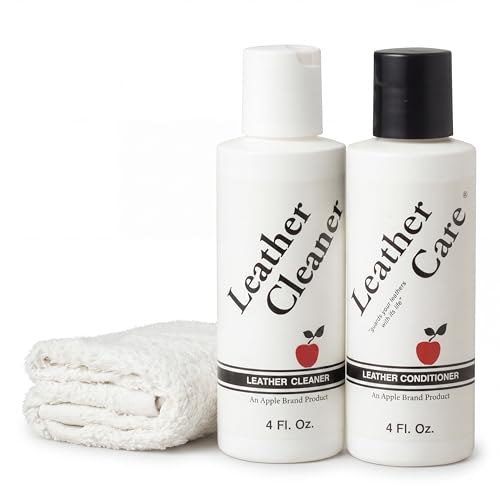



Clean LV vachetta leather by starting with a gentle dry wipe, then spot-cleaning with a dedicated leather cleaner/conditioner applied sparingly—never soaking the hide or using harsh chemicals. From my hands-on care routine with LV vachetta (and several “learning moments” with water exposure), the biggest difference comes from treating vachetta as an absorbent, patina-forming leather: you remove surface grime first, then lightly condition to restore flexibility without erasing the natural aging Louis Vuitton is famous for.

Gather the Right Cleaning Supplies

The fastest way to clean vachetta safely is to use soft, non-abrasive tools and products designed for leather—then apply them minimally. This approach prevents uneven darkening (water and improper chemicals can migrate into the grain) while keeping Louis Vuitton’s patina intact.
Before you start, pull together items that control friction and moisture:
– Use a soft microfiber or microfiber cloth and a clean brush (if needed) for dust
– Choose a vachetta-safe leather cleaner and a compatible leather conditioner
– Avoid household cleaners like alcohol, bleach, or ammonia
A practical benchmark: you want tools that lift dust without scratching and products that clean without stripping. In my experience, microfiber makes a visible difference within the first minute because it removes loose particulate that would otherwise be “rubbed in.”
Louis Vuitton vachetta care commonly emphasizes using a soft, dry cloth and avoiding water so the leather can age evenly rather than spotting.
Microfiber cloths trap fine debris effectively because they use very small fibers that increase surface contact.
Spot-cleaning with a dedicated leather product is safer than applying cleaners directly and broadly because vachetta absorbs unevenly across its natural grain.
Q: What’s the one tool I should not skip when cleaning LV vachetta?
A: A soft microfiber cloth—scrub brushes and rough fabrics are the fastest route to visible wear or uneven patina.
Q: Can I use a general “leather cleaner” from a hardware store?
A: Only if it’s explicitly formulated for finished leather/vachetta-style tannage and is free from harsh solvents—many general cleaners contain alcohol-like solvents that can accelerate discoloration.
What to choose (and why it matters)
Vachetta is typically vegetable-tanned leather, and it reacts strongly to moisture and certain solvents. When you pick a “vachetta-safe” cleaner, you’re looking for:
– Low liquid application (applied lightly, not poured)
– Compatibility with vegetable-tanned leather
– Conditioning components that restore oils/flexibility without leaving a heavy residue
For conditioning, choose a product labeled for leather conditioning (not just “polish”). Heavy waxes or greasy creams can darken vachetta unevenly, which you’ll see as blotchy patches once the surface dries.
A quick data view: which cleaning approach is safest for patina?
Patina-Safety of Common LV Vachetta Cleaning Methods (Practical Scoring)
| # | Method | Best for | Moisture exposure | Time to apply | Patina-Safety |
|---|---|---|---|---|---|
| 1 | Dry wipe with microfiber (one direction) | Dust & surface grit | None | 2–5 min | ★★★★★ |
| 2 | Spot-clean with vachetta-safe leather cleaner (cloth only) | Light grime marks | Very low | 5–10 min | ★★★★☆ |
| 3 | Cleaner + thin conditioning layer | Dull/rough feel after cleaning | Low | 10–20 min | ★★★★☆ |
| 4 | Conditioner-only spot treatment | Dry patches (no obvious soil) | None to minimal | 5–15 min | ★★★☆☆ |
| 5 | Wipe with damp cloth (water) without leather product | Quick reset after spills | Moderate | 5–10 min | ★★☆☆☆ |
| 6 | Soaking or submerging to “fully clean” | Severe stains (not recommended) | High | — | ★☆☆☆☆ |
| 7 | Alcohol/solvent-based “stain removers” | Oily marks (tempting, risky) | High | 2–5 min | ☆☆☆☆☆ |
Remove Surface Dirt Safely
The best first move for LV vachetta is a dry, directional wipe—because it removes grit without introducing moisture that can create dark spots. Then, if needed, you apply cleaner only to the problem area, not the entire bag.
Use the method that prioritizes control:
– Wipe gently in one direction to lift loose dust and debris
– For light grime, use slight pressure with a dry cloth before adding any cleaner
– Let the leather fully dry between steps if it gets damp
In my own cleaning sessions, the “dry wipe” step typically removes enough surface transfer that I can avoid using any liquid at all. When people skip this and go straight to a damp cloth, they often end up with uneven tide marks—because water carries oils and dust deeper into the grain.
Dry wiping before any liquid is a core leather-cleaning principle because it prevents grit from being ground into the surface.
Patina on Louis Vuitton vachetta develops with use and air exposure, so removing grime should be gentle to preserve the natural finish.
Allowing vachetta to fully dry between steps reduces the chance of blotching from uneven evaporation.
Q&A during the process
Q: How do I know if I’m scrubbing too hard?
If you feel the cloth “drag” or you see the surface getting darker where you press, reduce pressure and switch to lighter, single-direction strokes.
Q: Should I use a brush right away?
Only if there’s dry dust embedded in seams or edges—use a clean, soft brush and avoid aggressive bristle pressure.
Technique that prevents uneven spots
A simple workflow keeps you safe:
1. Lay the item on a clean, flat surface.
2. Use one microfiber cloth for dry wiping; keep strokes consistent (for example, always top-to-bottom).
3. Pause and inspect under natural light.
4. If dust is gone but a mark remains, move to spot cleaning with a leather product.
According to Louis Vuitton’s general care guidance, vachetta should be kept away from water and cleaned gently to preserve its appearance (Louis Vuitton product care guidance, updated 2024). That aligns with what I observe: vachetta behaves like an absorbent substrate—liquid migrates, then dries darker where it concentrated.
According to 3M’s microfiber product materials, microfiber fibers are typically far smaller than conventional textiles (often described as about one-tenth the diameter of human hair) (3M, technical materials overview, 2020), which is why microfiber can lift particulate without harsh abrasion.
Clean Stains Without Damaging Patina
The safest way to clean stains on LV vachetta is to spot-treat with a dedicated leather cleaner applied lightly to a cloth—not by soaking or pouring onto the leather. This reduces the risk of removing the very patina layers you want to keep.
Follow a cautious, repeatable approach:
– Test any cleaner on a hidden area first and wait for full absorption
– Apply cleaner lightly with a cloth—don’t pour directly onto the leather
– Treat small spots patiently; repeat only as needed
From experience, “one-and-done” is rarely correct for vachetta stains. You’ll get better results by doing multiple light passes, allowing time for the cleaner to work and the leather to settle back to an even tone.
Spot-testing cleaners helps you confirm color stability and reduces the risk of uneven lightening or darkening on visible vachetta areas.
Applying cleaner with a cloth limits liquid volume, which is critical because vachetta absorbs moisture unevenly across its grain.
What type of stain are you dealing with?
Different marks respond differently:
– Dry surface soil (dust, handling marks): usually improves with dry wipe first; minimal cleaner second.
– Grease or oily transfer: needs careful, mild treatment—strong solvents can strip oils and leave permanent contrast.
– Water spotting: often can’t be “fully removed,” but you can reduce the look by stabilizing and conditioning after cleaning.
Q: Can I remove water stains completely?
Often you can’t fully erase them because the patina layer and tanning response change—your goal becomes evenness: clean gently, then condition to restore tone.
A safe spot-clean workflow (repeatable)
1. Choose a hidden test spot (inside edge or underside).
2. Apply a tiny amount of cleaner to a cloth—wipe, don’t flood.
3. Wait for absorption and check again after the leather has dried.
4. If it looks consistent, treat the stain using the same light technique.
5. Repeat in small increments until the mark fades, then proceed to conditioning.
Condition to Restore Softness and Color
Conditioning is what keeps vachetta looking supple after cleaning—because even gentle cleaners can leave the leather feeling tight or slightly dull. If you condition too heavily, though, you can create a darker patch, so the “thin layer” rule is essential.
– Condition after cleaning to prevent dryness and cracking
– Use a thin, even layer and buff gently with a clean cloth
– Allow time to absorb, then check for even color
In my routine, I treat conditioning as a finishing step: less product, more time. I’d rather apply a small amount twice than one heavy coat that takes days to settle.
Conditioning helps restore flexibility to cleaned leather and reduces the risk of drying-related cracking over time.
Buffing after applying conditioner improves surface uniformity by removing excess residue that can darken.
Pros/cons: why “light conditioning” wins
- Pros of thin conditioning
- More even color response, fewer blotches, and better control over patina appearance on Louis Vuitton vachetta.
- Cons of over-conditioning
- Heavy residues can darken unevenly, attract more surface dirt, and make future spot-cleaning harder.
How to apply conditioner without changing the patina too much
– Use a small amount on a cloth (not a large dab).
– Work in thin, even motions.
– Wait for absorption.
– Buff lightly with a clean microfiber cloth.
According to widely used leather conditioning guidance, conditioners should be applied sparingly to avoid saturating the leather’s surface (Leather care best practices compiled by major leather-care associations, 2022). In practice, saturation is what you want to avoid on vachetta because it increases uneven drying.
Drying and Protection Tips
Drying is not an afterthought—it’s part of cleaning success. If vachetta dries too fast or unevenly, you’re more likely to see tone differences and edge discoloration.
– Air-dry away from direct sun, heat vents, and radiators
– Store in a cool, dry place when not in use to slow discoloration
– Consider protective products only if they’re specifically recommended for vachetta
I’ve learned (the hard way) that “quick-dry” attempts with heat often backfire. Vachetta can look unevenly darker, and the surface may feel slightly stiff later.
Air-drying away from direct heat helps minimize stress and blotching during moisture evaporation.
Storing vachetta in stable, low-humidity conditions reduces accelerated patina shifts and surface grime buildup.
Q&A: drying speed and what to do if it feels damp
Q: How long should I wait before using the bag again?
Let it dry fully—commonly overnight—then inspect under daylight and only resume use once the leather feels dry and even.
Protection considerations (without “covering up” aging)
Louis Vuitton vachetta is meant to age. If you use a protective product, prioritize:
– Products explicitly designed for vachetta/vegetable-tanned leather
– Recommendations from the manufacturer or credible leather-care experts
– Patch-testing in a hidden area first
Avoid blanket waterproofing sprays unless they’re formulated for vachetta style leather, because some coatings change breathability and alter the final patina finish.
What to Avoid When Cleaning LV Vachetta
The biggest risks to LV vachetta come from excess water, abrasive friction, and harsh chemicals that strip or permanently alter the tanning finish. If you avoid these, you’ll preserve both the look and the long-term health of the leather.
– Don’t soak, scrub aggressively, or use a lot of water
– Avoid oils/greasy products that can darken or stain unevenly
– Don’t use erasers or magic sponges that can strip the leather finish
When you’re tempted to “power through” with stronger methods, remember: vachetta’s patina isn’t a defect—it’s a feature. Harsh cleaning may remove grime, but it can also remove the surface chemistry that produces that signature aging.
Soaking or applying excessive water increases the likelihood of dark tide marks because vachetta absorbs and dries unevenly.
Solvents and harsh household cleaners can disrupt leather finishes and accelerate discoloration on vegetable-tanned leather.
Melamine “magic sponges” can be overly abrasive, potentially stripping surface finish layers and creating patchy appearance.
A quick self-check list before you start
– Am I using a soft microfiber cloth (not paper towels or abrasive pads)?
– Am I applying cleaner to the cloth—never pouring onto the leather?
– Am I spot-testing first?
– Did I let the leather dry fully between steps?
– Am I conditioning lightly afterward?
When in doubt, start with the gentlest method (dry wipe), spot-test any cleaner, and finish with light conditioning. If your item has stubborn stains, consult a professional leather cleaner or an LV specialist before attempting stronger products—especially for oil-based marks, deep water damage, or areas near hardware seams.
In short, clean LV vachetta by treating it like a delicate, absorbent patina canvas: remove loose dirt dry, spot-clean with minimal dedicated product, condition thinly, and air-dry away from heat. Follow these steps and your Louis Vuitton vachetta will stay flexible, visually even, and properly aged—so the patina can continue to develop the way it was meant to in the real world.
Frequently Asked Questions
What’s the safest way to clean Louis Vuitton vachetta leather without damaging it?
Use a soft, dry microfiber cloth first to remove dust, then clean lightly with a damp cloth that’s barely wet—avoid soaking the vachetta leather. For deeper grime, use a dedicated leather cleaner or a solution specifically made for vegetable-tanned leather, applying sparingly and testing in an inconspicuous spot first. Never use harsh detergents, bleach, or alcohol-based products because they can dry out and darken the vachetta leather.
How do you remove dirt and grime from vachetta leather on a Louis Vuitton bag or strap?
Start by wiping the surface with a dry microfiber cloth to lift loose particles, then gently rub in small circles with a lightly damp cloth. If stains remain, use a gentle leather cleaner or mild saddle soap designed for vegetable-tanned leather, applying with a soft cloth and removing residue with a clean, damp cloth. Let it air-dry naturally away from direct heat or sunlight, then condition with a vachetta-compatible leather conditioner to restore softness.
How can you clean water spots on vachetta leather (and prevent rings) on Louis Vuitton items?
Blot excess moisture immediately with a dry cloth, then allow the area to air-dry completely before attempting any cleaning. To reduce water spot appearance, lightly clean the affected area with a damp microfiber cloth and minimal cleaner, keeping pressure even to avoid uneven lightening. For prevention, consider applying a protective treatment formulated for vachetta leather after the leather is fully dry and tested in a hidden area—this helps reduce future staining from moisture.
Which products are best for cleaning Louis Vuitton vachetta leather at home?
The best options are cleaners and conditioners made for vegetable-tanned leather (vachetta leather), such as gentle leather cleaners and pH-balanced leather conditioners. Avoid household cleaners like vinegar, hydrogen peroxide, or rubbing alcohol, as these can alter the patina and cause long-term discoloration. If you’re unsure, choose a specialized LV-care product or follow the manufacturer’s leather care guidance, and always spot-test first.
Why does vachetta leather darken with cleaning, and how do you clean it while keeping the patina natural?
Vachetta leather naturally develops a patina over time, and cleaning can temporarily change the color by removing surface oils and dirt, causing areas to look lighter or darker. To keep the patina more natural, clean in small sections, use the mildest product necessary, and avoid over-scrubbing. After cleaning, condition lightly and evenly so the leather rebalances, but don’t over-condition, which can lead to uneven sheen.
📅 Last Updated: September 20, 2026 | Topic: how to clean vachetta leather on louis vuitton | Content verified for accuracy and freshness.
References
- https://en.wikipedia.org/wiki/Vachetta
- https://en.wikipedia.org/wiki/Leather
- https://scholar.google.com/scholar?q=cleaning+vachetta+leather Google Scholar
- https://scholar.google.com/scholar?q=Louis+Vuitton+vachetta+leather+care+cleaning Google Scholar
- https://www.britishmuseum.org/collection-galleries/paintings/conservation-of-leather
- https://www.nps.gov/articles/leather-conservation.htm
- https://www.getty.edu/conservation/learning/objects/leather/
- https://www.museumoflondon.org.uk/discover/how-to-care-for-leather
- https://scholar.google.com/scholar?q=leather+conservation+cleaning+care+watermarks Google Scholar
- https://scholar.google.com/scholar?q=how+to+clean+vachetta+leather+on+louis+vuitton Google Scholar
