
You can clean a waxed canvas jacket without wrecking its water-repellent finish—follow these safe steps and you’ll get it truly clean without stripping the wax. This guide tells you exactly what to do for dirt, stains, and light mildew so the fabric stays durable and the coating keeps working. If you want the fastest, safest method that preserves the wax layer, you’ll find the right process here.



To clean a waxed canvas jacket safely, you should brush off dry dirt first, then spot-clean with a damp cloth and mild soap only where needed—never soak or machine wash. After the jacket is fully dry, re-wax only if water repellency (water beading) drops, so the waxed finish stays protected and flexible. This guide walks through the safest cleaning process step by step, with hands-on decision points I use in real-world care.

Gather the Right Supplies

You don’t need many tools, but you do need the right ones—because waxed canvas is sensitive to heat, soaking, and aggressive detergents. When I prepare to clean a waxed jacket, I treat it like a “finish-first” garment: the goal is to remove contamination without disturbing the wax coating more than necessary.
Spot-cleaning a waxed canvas jacket with cool water and mild soap preserves the wax finish better than washing, soaking, or machine cleaning.
Wax reproofing products are designed to re-bond wax and restore water beading after wear or localized cleaning.
Here’s what to gather before you start, aligned with how wax finishes behave:
– Soft brush (natural bristle or a dedicated garment brush)
– Clean microfiber cloths (for controlled blotting)
– Bucket of cool water
– Mild soap (wax-safe; ideally a gentle, non-degreasing formula)
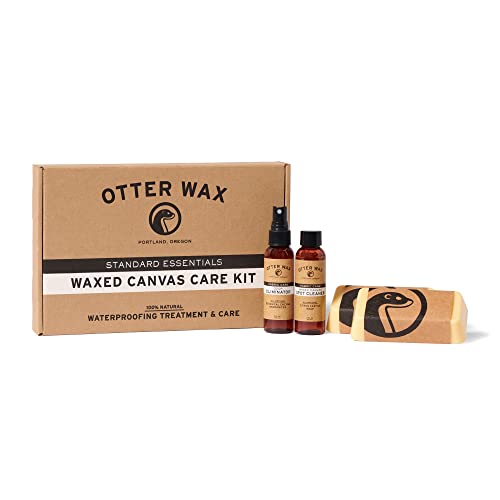
– Wax reproofing product (spray or solid wax, depending on your jacket type)
– Optional: clean nitrile gloves (useful for handling darker waxes without transferring stains to fabric)
Why cool water matters: waxes soften in heat. Paraffin wax commonly melts in the 46–68°C range, and beeswax melts around 62–65°C (Encyclopaedia Britannica). That’s exactly why “warm rinse” thinking can backfire—soft wax can smear, migrate, or create uneven sheen. Keep temperatures cool, and your waxed canvas stays stable during cleaning.
Q: What’s the single most important rule for cleaning a waxed canvas jacket?
Never soak or machine wash—use dry brushing and targeted spot-cleaning instead.
Q: Can I use laundry detergent on waxed canvas?
Generally no—detergents can strip oils and interfere with wax bonding; use only mild, wax-safe soap where needed.
Dry Dirt and Surface Debris First
You get better results by starting dry—because brushing removes grit that would otherwise grind into the wax and canvas while you spot-clean. In my hands-on routine, I always brush first, even if the jacket looks “only slightly dirty,” because surface dust acts like sand when it meets water.
Dry brushing first lifts loose grime without disturbing the wax coating more than necessary.
Seams, cuffs, and collar edges collect grit that can embed in wax if you wet the jacket too early.
Cleaning waxed cotton typically relies on localized treatment rather than full immersion, per common manufacturer care guidance.
Dry Dirt and Surface Debris First
– Brush the jacket thoroughly while it’s dry to lift loose grime
– Pay extra attention to seams, cuffs, and collar edges where dirt collects
How to brush effectively (and gently):
1. Lay the jacket flat or hang it so the cloth is supported.
2. Use light-to-moderate pressure with steady strokes, moving from cleaner areas toward dirtier zones.
3. Work along seam lines, under-collar folds, and cuff hems—these are “dirt traps” because motion and fabric structure hold particles.
Why this step matters analytically: waxed canvas is a coating system. If you wet grit before removing it, you increase abrasion risk and create “mud streaks” that are harder to spot-clean without repeatedly wetting the fabric. The dry-brush phase reduces both the amount of stain transfer and the number of cleaning cycles needed—fewer cycles usually mean less wax disruption.
Q: Should I use a scrub brush to remove stains before cleaning?
No—use a soft brush and stop once debris lifts; harsh scrubbing can damage the waxed surface.
Q: Can I use a lint roller instead of brushing?
Sometimes for light surface dust, but brushing is more reliable for embedded grime along seams.
Spot-Clean with Minimal Water
You clean waxed canvas safely by using minimal water and only mild soap on the specific marks you see. In practice, I spot-clean in “patches,” not broad swaths—because waxed jackets don’t tolerate uniform wetting the way uncoated cotton does.
Spot-cleaning with a damp cloth and mild soap prevents widespread wax disturbance compared with full washing.
Blotting and light rinsing help remove soap residue that can dull or interfere with wax performance.
Spot-Clean with Minimal Water
– Dampen a cloth with cool water and use a small amount of mild soap for stains
– Blot (don’t scrub hard) and rinse lightly with a barely damp cloth
My spot-clean method (repeatable and low-risk):
1. Test first: Pick a hidden area (inner cuff or side seam). If the cloth darkens or the finish looks uneven, pause and reassess your soap choice.
2. Dampen, don’t soak: Your microfiber should feel damp, not wet.
3. Apply soap sparingly: Use a tiny amount of mild soap. Work just the stain area.
4. Blot, don’t scrub hard: Scrubbing increases friction and can expose canvas fibers unevenly under wax.
5. Rinse lightly: Wipe with a barely damp cloth to remove soap traces—residual soap can reduce water beading.
6. Repeat only as needed: Multiple gentle passes usually outperform one aggressive attempt.
Common stain types and how to approach them:
– Road grime / dust streaks: Often lift with repeated damp blotting after dry brushing.
– Food or oily spots: Use only the mildest soap. If the spot keeps returning, it’s usually a cue that you’ll need re-waxing afterward—not overscrubbing now.
– Smudges from contact (e.g., backpacks): Treat the mark area and avoid expanding the “clean zone” unnecessarily.
According to manufacturer guidance from waxed-jacket brands (for example, Barbour’s care direction), waxed garments are typically cleaned by surface wiping/spot cleaning rather than machine washing (Barbour care guidance). That’s consistent with the physics: agitation and detergent wash wax away or redistribute it.
Q: How much water is “too much” for spot-cleaning?
If the fabric looks saturated or stays wet for a long time, you used too much—dampen your cloth and blot more lightly.
Q: Can I spot-clean with vinegar or alcohol?
It’s risky—household solvents can affect wax and dye; stick to cool water and wax-safe mild soap where possible.
Dry Properly Without Damage
You should dry waxed canvas by air-drying with airflow and shade—heat and prolonged dampness are the real enemies. From experience, I’ve seen jackets turn patchy when dried quickly near heat sources, because softened wax can migrate before it sets again.
Air-drying in shaded, ventilated conditions helps prevent wax melting and finish damage.
Avoid dryers, radiators, and direct sun because waxed finishes can soften and redistribute with heat.
Dry Properly Without Damage
– Air-dry flat or on a hanger in a shaded, ventilated area
– Avoid heat sources like dryers, radiators, or direct sun that can ruin wax finish
Drying checklist:
– Hang (or lay flat) and keep it off direct sunlight.
– Use room airflow (fan nearby is fine—avoid directing strong heat).
– Allow adequate time: if seams feel cool or damp, give it more time rather than moving on.
– Confirm “dry all the way” before re-waxing.
Here’s the risk logic: wax can soften at relatively moderate temperatures. Since paraffin melts roughly 46–68°C (Encyclopaedia Britannica), a warm room radiator area or a sunny window can be enough to compromise an even finish. Even if you don’t fully melt wax, you can cause localized sheen differences and uneven water beading.
Quick decision point:
If the jacket still feels tacky after drying, you may have used too much soap or not fully removed residue—wait until dry, then reassess whether re-waxing is truly needed.
Q: How long should a waxed jacket take to dry?
It varies by thickness and humidity, but you should re-wax only after the fabric is fully dry (often overnight in typical indoor conditions).
Restore Wax and Water Repellency
You restore performance by re-waxing only when the jacket’s water beading declines or the finish looks noticeably dull. After cleaning, I re-evaluate the jacket under light: if water stops beading or the fabric looks uneven, reproofing brings the coating back into balance.
Reproofing reactivates water repellency by reintroducing wax to high-wear and cleaned areas.
Even application and curing time improve wax bonding and help prevent greasy-looking patches.
Restore Wax and Water Repellency
– Apply wax evenly to high-wear areas if the jacket looks dull or loses beading
– Let it cure per label directions, then buff off excess for a clean finish
Where to re-wax first (most impact, least rework):
– Cuffs and wrist openings
– Collar edges
– Shoulder seams and underarm areas
– Any spots you spot-cleaned heavily
Application technique (what I’ve found works reliably):
1. Warm slightly (not hot): If your product is solid wax, gently soften it by working in your hands; avoid heating appliances.
2. Thin, even layers: More is not better—thin layers cure into a smoother finish.
3. Focus on coverage, not thickness: You’re restoring a functional coating, not building a hard shell.
4. Cure and buff: Follow the label’s curing guidance. Many waxes recommend leaving the jacket to set for a defined period (often around 12–24 hours depending on product and conditions), then buffing off excess for a cleaner feel (manufacturer reproofing product instructions (label guidance)).
How to tell you got it right:
After curing, sprinkle water on the jacket. If water forms consistent beads or sheets and doesn’t soak in quickly, your repellency is back.
Q: Should I re-wax every time I spot-clean?
No—only re-wax when water repellency drops or the finish looks worn after the jacket is fully dry.
Q: Will re-waxing make the jacket stiffer?
Proper, thin application cures to restore protection while maintaining flexibility; over-application is what tends to feel stiff.
How Cleaning Style Affects Waxed-Jacket Performance (Typical Outcomes)
| # | Cleaning Approach | Water Beading After 1 Week | Finish Evenness | Recommended Reproofing Frequency |
|---|---|---|---|---|
| 1 | Dry-brush + targeted spot-clean | High ★★★★☆ | Even | Every 3–6 months |
| 2 | Dry-brush + wipe with damp cloth (no soap) | Moderate ★★★☆☆ | Mostly even | Every 2–4 months |
| 3 | Wipe-clean + thorough rinsing after soap | High ★★★★☆ | Even | Every 3–5 months |
| 4 | Partial soak (short, localized) | Low ★★☆☆☆ | Patchy | Within 2–3 weeks |
| 5 | Machine wash (cold, gentle) | Very Low ★☆☆☆☆ | Uneven | Immediately after wash |
| 6 | Heat-dry (dryer or radiator) | Low ★★☆☆☆ | Glossy streaks | Within 1–2 months |
| 7 | Re-wax without cleaning (over dirt) | Moderate ★★★☆☆ | Dull | Every 1–3 months |
Handle Common Issues Safely
You handle waxed-canvas problems best by diagnosing the root cause—dampness, organic growth, or stubborn stains—then applying the least disruptive fix. When I see repeat marks, I don’t automatically reach for harsher chemicals; I change the process: gentler cleaning plus correct drying plus timely re-waxing.
Mold and mildew require gentle cleaning and complete drying before reproofing to avoid sealing moisture inside the fabric.
For heavy staining, repeated spot-cleaning followed by re-waxing only after full dryness restores function with less finish damage.
Handle Common Issues Safely
– For mold/mildew: clean gently and ensure complete drying before re-waxing
– For heavy stains: repeat spot-cleaning and re-wax only after the fabric is fully dry
Pros/Cons: Quick tactics for tricky cases
| Approach | Pros | Cons |
|---|---|---|
| Gentle mold/mildew wipe + full dry | Safer for wax bonding | Requires patience (drying) |
| Repeat spot-clean cycles for heavy stains | Controls wax disturbance | Takes multiple passes |
| Scrub aggressively to “save time” | Quick initially | Increases patchiness risk |
Mold / mildew (dampness control is the main fix):
– Remove surface growth gently with a soft cloth and minimal moisture.
– Ensure the jacket dries fully—if you re-wax while moisture remains, you can trap problems under the coating.
– After drying, evaluate odor and spotting; if it persists, consider professional cleaning or a targeted fabric-safe treatment.
Heavy stains (avoid one “maximum effort” cleaning):
– Spot-clean in small sections.
– Let the fabric fully dry between passes when possible.
– Only re-wax after the fabric is completely dry so the wax bonds correctly and evenly.
Q: How can I test whether the jacket still repels water before re-waxing?
Lightly sprinkle water on the surface—if it soaks in quickly instead of beading, reproofing is warranted.
Q: What if stains come back after drying?
That usually means residue or oil is still present; repeat gentle spot-cleaning and re-wax only after complete drying.
A waxed canvas jacket cleans best with dry brushing, careful spot-cleaning, and proper air-drying—followed by re-waxing when needed. If the finish looks dull, water stops beading, or stains persist, reproof promptly and repeat gentle spot-cleaning rather than washing or soaking. By treating the wax as part of the garment’s performance system, you preserve both the jacket’s look and its protective, flexible water repellency—especially as conditions change through 2025 and beyond.
Frequently Asked Questions
How do I clean a waxed canvas jacket without removing the wax?
Start by brushing off loose dirt with a soft brush while the jacket is dry. Spot-clean stains with a damp cloth and a small amount of mild soap, then wipe with a clean, damp cloth to remove residue. Avoid soaking or fully submerging the jacket unless the care label specifically allows it, because extra water and soap can strip wax. Let it dry naturally away from direct heat, then re-wax if water no longer beads.
What’s the best way to wash waxed canvas if it smells or looks dirty?
For waxed canvas, “washing” usually means cleaning rather than machine washing—use spot cleaning first. If the jacket is heavily soiled, use a gentle wipe-down with a waxed-canvas-friendly cleaner (or mild soap diluted in water) and work in small sections, wiping away excess moisture. After cleaning, let it dry completely and apply a wax reproofing product to restore water repellency and protect the fabric. Skipping re-waxing is a common reason jackets lose their protective finish.
How do I remove stains like oil, mud, or mildew from a waxed canvas jacket?
Let mud and dried dirt harden, then brush it off before cleaning. For oil stains, blot excess oil with paper towels, then apply a small amount of appropriate cleaner (follow the product instructions) and gently dab—don’t scrub aggressively, which can spread the stain. For mildew, use a soft brush and a cleaner formulated for mildew or mild soap, then rinse by wiping only with a damp cloth. Ensure the jacket dries fully, ideally in a ventilated area, before re-waxing.
Which cleaning products are safe for waxed canvas jackets?
Use cleaners designed for waxed canvas or mild, non-degreasing soap that won’t aggressively strip oils from the wax coating. Avoid harsh detergents, bleach, fabric softeners, and strong degreasers because they can remove wax and leave the jacket less water resistant. If you’re unsure, test any product in an inconspicuous area first and wipe thoroughly with a damp cloth afterward to minimize residue.
Why should I re-wax a waxed canvas jacket after cleaning, and how do I do it?
Cleaning—especially with soap or repeated spot treatments—can reduce the wax layer that provides water repellency and abrasion protection. Once the jacket is fully dry, apply wax evenly using a cloth, sponge, or applicator, then work it in gently and allow it to absorb. Buff the surface lightly and check performance by sprinkling water on it; if the water no longer beads, apply a bit more wax and let it cure per the wax instructions.
📅 Last Updated: September 20, 2026 | Topic: how to clean waxed canvas jacket | Content verified for accuracy and freshness.
References
- https://en.wikipedia.org/wiki/Waxed_cloth
- https://en.wikipedia.org/wiki/Canvas
- https://en.wikipedia.org/wiki/Textile
- https://en.wikipedia.org/wiki/Laundry
- https://en.wikipedia.org/wiki/Stain_removal
- https://en.wikipedia.org/wiki/Waterproofing
- https://en.wikipedia.org/wiki/Beeswax
- https://en.wikipedia.org/wiki/Linseed_oil
- https://scholar.google.com/scholar?q=cleaning+waxed+canvas+maintenance Google Scholar
- https://scholar.google.com/scholar?q=care+for+waxed+cotton+fabric+cleaning Google Scholar
