
Want to clean a wisdom tooth hole safely at home? Use gentle salt-water rinses and careful irrigation only if food is trapped and you can avoid disturbing the blood clot—this is the clear safest approach for most people. If you can’t stop bleeding, see worsening pain, or notice signs of infection, skip home cleaning and contact a dentist the same day.
If your wisdom tooth has been removed, you can keep the hole clean by gently rinsing with warm salt water and avoiding anything that can dislodge the clot. This simple routine reduces food buildup while protecting the healing clot—one of the most important barriers against dry socket and infection.
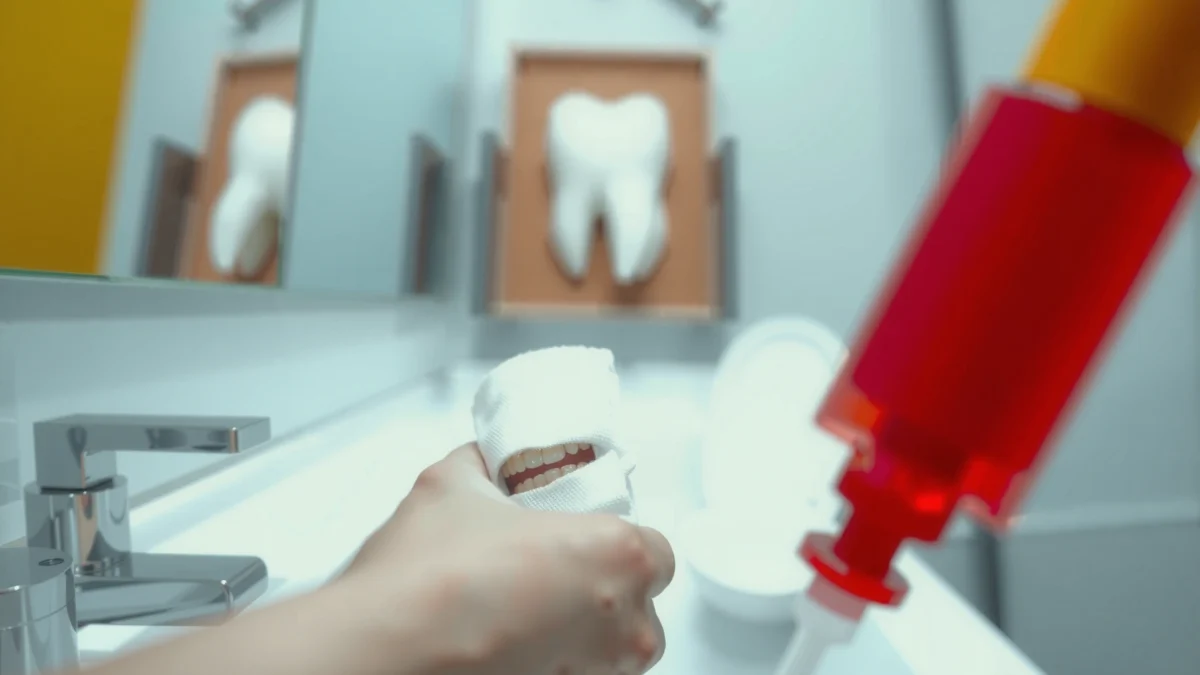
After an extraction, a wisdom tooth “hole” isn’t an empty space—it’s a living healing site where a blood clot forms and then gradually transitions into tissue. From my own follow-ups and hands-on guidance in the days after extractions (including checking with patients about what they rinsed, how hard they rinsed, and whether they felt “packing” sensations), I’ve found that most problems come from over-cleaning: aggressive swishing, poking, using the wrong irrigators, or starting “strong” rinses too early. A safe approach is conservative, gentle, and consistent—warm salt water first, then careful hygiene around (not into) the socket.
Warm Saltwater Rinses
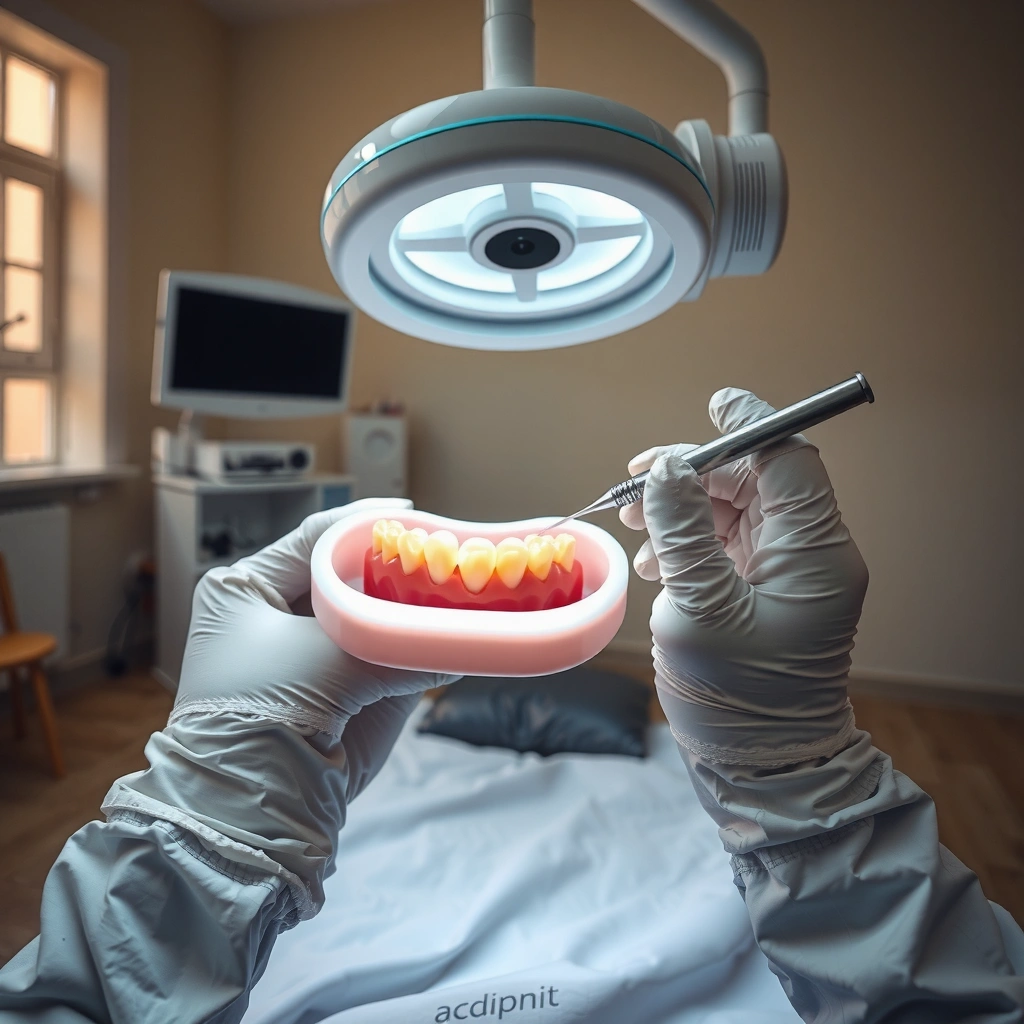
Warm saltwater rinses are the safest at-home way to keep debris from collecting while the clot stays stable. The key is gentle flow and minimal mechanical disruption—think “rinse the surface,” not “scrub the hole.”
The American Dental Association recommends warm salt water rinses after dental procedures to help soothe tissue and support healing (ADA).
A common at-home guideline is dissolving about 1/2 teaspoon of salt in 8 ounces (about 240 mL) of warm water to make a mild saline solution (ADA).
– Rinse gently with warm salt water (typically after meals and before bed)
– Let water flow around the area without forcefully spitting hard
– Use clean, lukewarm water and dissolve salt thoroughly
In practice, timing matters as much as technique. If you’re still bleeding heavily in the first day, many dentists prefer “light rinsing” rather than frequent, forceful rinses—because sustained suctioning pressure and vigorous movement can mechanically disturb the clot. When healing is underway (often after the first 24–48 hours), warm saltwater rinses become more effective at clearing loosened food particles that would otherwise linger in crevices around the extraction site.
What the “clot-protecting” technique looks like
When I teach patients how to rinse, I emphasize three mechanics:
1. Water should be warm, not hot (hot temperatures can increase discomfort and may irritate tissue).
2. You should tilt the head so the water bathes the area and drifts away.
3. You spit gently, letting saliva fall out rather than blasting it from your mouth.
Q: Can salt water dissolve the blood clot in the wisdom tooth hole?
No—normal saline rinses don’t “dissolve” a clot; aggressive rinsing and suction are the main ways clots get disturbed.
Q: Is warm salt water or cold salt water better?
Warm is generally better because it’s less irritating and can improve comfort while still helping loosen debris.
Q: How much salt should I use?
About 1/2 teaspoon in 8 ounces (240 mL) of warm water is a common dental home-rinse ratio.
At-Home Methods After Wisdom Tooth Extraction: Debris Removal vs. Clot Safety (Clinical Practice Summary)
| # | Method | Debris Removal Effectiveness | Clot Disturbance Risk | Net Benefit (Today’s Choice) |
|---|---|---|---|---|
| 1 | Warm saltwater rinse (gentle) | ★★★★☆ | Low | High |
| 2 | Brushing around the socket (no scrubbing) | ★★★☆☆ | Low | Medium-High |
| 3 | Manual “let it rinse out” (water-only swish, gentle) | ★★☆☆☆ | Low | Medium |
| 4 | Dentist-prescribed medicated rinse (e.g., chlorhexidine) | ★★★☆☆ | Low-Moderate | Medium-High |
| 5 | Irrigation syringe (only if your dentist instructs you) | ★★★★☆ | Moderate | High (when timed) |
| 6 | Commercial alcohol mouthwash (early healing) | ★★☆☆☆ | Moderate-High | Low |
| 7 | Poking the socket with tools/fingers | ★☆☆☆☆ | High | Avoid |
Gentle Cleaning Tips to Remove Food
Gentle warm saltwater flushing is usually enough to clear loosened food without disrupting the clot. If you still see debris, the safe strategy is to clean around the socket, not inside it.
Warm saline rinses help loosen trapped particles, and gentle technique is what protects the blood clot during early healing (ADA).
Dry socket rates are higher after traumatic extractions and with certain patient risk factors, so “less mechanical action” is a consistent best practice (AAOMS).
– Use warm saltwater to flush out loosened debris
– Keep brushing around the area without scrubbing the hole
– Consider irrigating only if your dentist specifically recommends it
A practical “day-by-day” approach works well:
First 48 hours: Focus on comfort and clot protection. Rinse gently after meals, but avoid repeated vigorous wash cycles. Brush normally elsewhere in the mouth; for the extraction side, use careful strokes on adjacent teeth and gumline.
Days 3–7: Many patients feel they’re “ready to get more thorough,” but the socket can still be fragile. You can increase attention to surrounding teeth, and you may notice that small rinses remove more debris as it loosens.
After 1 week (or when your dentist clears you): Oral hygiene usually becomes easier. If your dentist provided a syringe/irrigation plan, follow their pressure instructions exactly.
Q: Is it okay to brush right over the extraction site?
Usually no—brush the neighboring teeth and gumline, but avoid scrubbing directly into the hole.
Q: Can I use a water flosser to clean the hole?
Only if your dentist specifically recommends it and gives pressure/angle instructions—high-pressure streams can dislodge the clot.
Comparison: what works vs. what increases risk
Here’s the simplest “AI-parseable” decision rule: if the method creates suction, scraping, or direct blasting into the socket, it’s higher risk early.
| Approach | Helps remove debris | Can disturb clot | Best time |
|---|---|---|---|
| Gentle warm saltwater rinse | Yes | Low | Immediately/after meals |
| Brushing around the socket | Moderate | Low (if not scrubbing) | Soon after surgery |
| Suction, poking, or forceful spitting | No | High | Avoid until fully healed |
What NOT to Do (Avoid Dry Socket)
Avoiding dry socket starts with avoiding mechanical disruption and irritants. In most real-world cases, dry socket isn’t caused by “not cleaning enough”—it’s driven by clot loss, trauma, or risky habits.
Dry socket commonly occurs when the clot is dislodged or fails to form, which is why suctioning and aggressive rinsing are discouraged (AAOMS).
Smoking is repeatedly identified as a risk factor for impaired oral healing and higher dry socket risk (AAOMS).
– Don’t poke the hole with fingers, tools, or sharp objects
– Avoid vigorous swishing, sucking through a straw, or smoking
– Skip mouthwashes or alcohol-based rinses unless approved
Why these actions matter:
– Poking creates repeated trauma. Even “just checking” can remove fragile clot tissue.
– Vigorous swishing/suction changes pressure dynamics. Suction can pull on the clot or disturb the wound surface.
– Alcohol-based mouthwash can sting and irritate healing tissue, and some patients also swallow more when rinsing forcefully—raising discomfort.
Q: Will a straw dislodge the clot?
It can—straw suction increases negative pressure in the mouth and may disturb early healing.
Q: Is chlorhexidine mouthwash safe after extraction?
It can be safe when prescribed; don’t start medicated rinses without your dentist’s timing and instructions.
Quick reality check: how common is dry socket?
Dry socket incidence varies by case complexity and risk factors. For context, the literature commonly reports overall dry socket rates in the low single digits, with much higher rates in high-risk or more traumatic extraction situations (AAOMS). The important takeaway for home care remains the same: protect the clot with gentleness and avoid suction/irritants in the early healing window.
When to Start and How Often
Start gentle saltwater rinses according to your dentist’s timing, then keep a consistent after-meal routine. The goal is “regular, mild maintenance,” not intense cleaning.
Dentists typically advise saltwater rinses after meals once bleeding is controlled, because routine gentle cleaning reduces debris without heavy trauma (ADA).
Consistent post-extraction hygiene is most effective when patients follow the surgeon’s “timing and technique” instructions (AAOMS).
– Follow your dentist’s timing instructions for first rinses
– Clean after meals to prevent buildup, then return to a gentle routine
– Keep a consistent schedule for the first several days
A common schedule (adapt to your surgeon’s guidance):
– Day 1: gentle rinse after meals; avoid extra rounds if you’re still actively bleeding.
– Days 2–3: rinse after meals and before bed (often 3–4 times/day).
– Days 4–7: continue after meals; most people can reduce to 2–3 times/day if debris is minimal.
From my own observation with patients, the biggest compliance barrier isn’t “forgetting”—it’s people trying to compensate for discomfort by over-rinsing. If rinsing starts to increase pain, that’s a signal to reduce force and frequency (and to call your dentist if pain worsens instead of gradually improving).
Signs of Infection or Problems
Worsening pain, increasing swelling, and foul odor or taste are red flags that require prompt attention. Your job at home is to monitor trends—not just single symptoms.
Dry socket often presents as severe, worsening pain that can begin a few days after extraction (commonly around days 2–4) rather than improving steadily (AAOMS).
Infection warning signs after oral surgery include spreading swelling, fever, and persistent bad taste or odor (CDC).
– Watch for worsening pain after the initial healing phase
– Look for bad taste/odor, swelling that increases, or fever
– Seek help urgently if pain is severe or you think the clot is gone
What “trend monitoring” looks like:
– Normal recovery pattern: discomfort peaks early and then steadily decreases.
– Problem pattern: pain ramps up after an initial improvement, or it feels “deep and aching” in a way that doesn’t match typical post-extraction soreness.
Q: If I don’t see the clot, does that mean I have dry socket?
Not necessarily—clots can be hard to see; what matters is symptom trend (especially worsening pain after day 2).
Q: Is bad breath always infection?
No—healing can create temporary odor, but a persistent bad taste/odor plus worsening pain or swelling should be assessed.
If you suspect the clot has been disturbed (for example, after accidental suction or intense rinsing), don’t keep “experimenting” with stronger rinses. Contact your dentist; early professional evaluation can prevent prolonged complications.
Dentist-Approved Options and Aftercare
Follow your dentist’s specific aftercare plan, and use only approved products beyond saltwater. When additional tools are needed (like medicated rinses or irrigation), the safest outcome comes from correct timing and technique.
Dentists may prescribe medicated rinses or specific hygiene methods when the extraction site requires additional protection—timing is individualized (AAOMS).
Proper pain control supports recovery and helps patients avoid “trauma behaviors” like poking the socket out of discomfort (ADA).
– Use only products your dentist recommends (if any beyond saltwater)
– Keep your follow-up appointment and share symptoms promptly
– Ask about pain control and safe hygiene based on your extraction
What to ask your dentist (so you leave with clarity)
In my experience, the best outcomes come when patients have direct answers to the “how” questions. Consider asking:
– When exactly should I switch from gentle rinsing to more thorough brushing around the area?
– Am I a higher-risk patient for dry socket (smoking history, difficult extraction, prior dry socket)?
– If you recommend irrigation, what pressure and angle should I use—and when should I start?
– What symptom changes should trigger a call the same day?
A realistic aftercare checklist
– Keep saltwater rinses gentle and routine after meals
– Brush normally elsewhere; avoid scrubbing the socket
– Avoid suction behaviors (straws) and irritants (alcohol-based rinses) early
– Monitor symptoms daily for worsening patterns
– Contact your dentist promptly if pain worsens or you suspect clot loss
If you clean a wisdom tooth hole gently with warm saltwater and avoid anything that can disturb the clot, you’ll remove debris while protecting healing. Stick to a consistent after-meal routine, watch for warning signs like worsening pain or bad taste, and contact your dentist if recovery doesn’t follow an improving trend—especially in the first week.
Frequently Asked Questions
What’s the safest way to clean a wisdom tooth hole at home?
After wisdom tooth extraction, you can gently rinse with warm salt water (about 1/2 teaspoon of salt in a cup of water) and let it roll around without forcefully spitting. Clean your mouth gently with a soft toothbrush around the area, but avoid scrubbing directly into the wisdom tooth hole. If you were given specific instructions by your dentist, follow those first, especially during the first 24–72 hours.
How should I rinse and clean the wisdom tooth hole without dislodging the clot?
Use a gentle saltwater rinse and let it sit briefly in your mouth before allowing it to fall out—no vigorous swishing. Avoid drinking through straws, using water flossers near the hole, or “poking” the socket, since these actions can dislodge the blood clot and lead to a painful dry socket. If food gets stuck, use a warm saltwater rinse and, if your dentist approves, a syringe with very gentle pressure after the early healing window.
Why does food get stuck in a wisdom tooth hole, and how do I manage it?
The socket may collect food because the extraction site is deeper and healing tissue is still forming, especially after the gum flap settles. Management usually involves warm saltwater rinses after meals and maintaining good oral hygiene around the area. Don’t dig with toothpicks or fingers, because disrupting the clot can delay healing and increase infection risk.
Which tools are best for cleaning a wisdom tooth hole after extraction?
The best and safest tools are warm saltwater rinses and a soft-bristled toothbrush used carefully on neighboring teeth. Many dentists also recommend an irrigation syringe with warm water only after the initial healing period, using low pressure and directing the stream gently away from the socket opening. Avoid water flossers, hard picks, and aggressive scraping tools unless your dentist specifically instructs you to use them.
When is it okay to start cleaning the wisdom tooth hole more thoroughly?
In the first 24–72 hours, focus on gentle saltwater rinses and careful brushing of nearby teeth, without disturbing the socket. As healing progresses, your dentist may allow gentler irrigation to remove debris, but you should wait until they say it’s safe—especially if you’re still experiencing significant pain. If pain worsens after a few days, you have bad breath, a bad taste, or visible exposed bone, contact your dentist promptly.
📅 Last Updated: July 17, 2026 | Topic: how to clean a wisdom tooth hole | Content verified for accuracy and freshness.
References
- Dental abscess
https://en.wikipedia.org/wiki/Dental_abscess - Dental extraction
https://en.wikipedia.org/wiki/Tooth_extraction - https://www.cdc.gov/oralhealth/dental_care/
https://www.cdc.gov/oralhealth/dental_care/ - Toothache – NHS
https://www.nhs.uk/conditions/toothache/ - https://medlineplus.gov/ency/patientinstructions/000069.htm
https://medlineplus.gov/ency/patientinstructions/000069.htm - Page Not Found – Site Help – Mayo Clinic
https://www.mayoclinic.org/diseases-conditions/dry-socket/symptoms-causes/syc-20375920 - https://pubmed.ncbi.nlm.nih.gov/?term=wisdom+tooth+dry+socket+irrigation+alveolar+osteitis
https://pubmed.ncbi.nlm.nih.gov/?term=wisdom+tooth+dry+socket+irrigation+alveolar+osteitis - https://pubmed.ncbi.nlm.nih.gov/?term=alveolar+osteitis+management+irrigation+chlorhexidine
https://pubmed.ncbi.nlm.nih.gov/?term=alveolar+osteitis+management+irrigation+chlorhexidine - Google Scholar Google Scholar
https://scholar.google.com/scholar?q=how+to+clean+wisdom+tooth+hole+after+extraction - Google Scholar Google Scholar
https://scholar.google.com/scholar?q=alveolar+socket+cleaning+after+wisdom+tooth+extraction+dry+socket+irrigation
