

Want to clean a wooden shoe rack with mild dish soap without damaging the finish? This guide shows the fastest, safest method—using gentle soap, a lightly damp cloth, and smart drying steps—to lift grime and shoe scuffs without warping or streaks. You’ll also learn exactly what to avoid so the wood stays clean and looking its best.
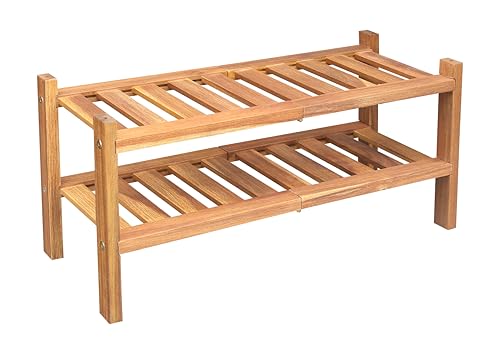


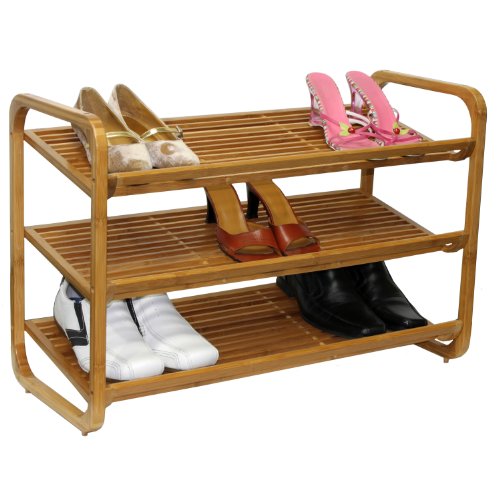
If you want a safe, routine clean, wipe your wooden shoe rack with a lightly damp cloth made from warm water plus a few drops of mild dish soap—then dry immediately. This method lifts shoe grime without flooding the wood, which is key for protecting most sealed or varnished finishes; as of 2026, this “damp wipe + prompt drying” approach remains the most practical low-risk routine for everyday shoe areas.
This guide is for anyone who owns a finished wooden shoe rack (including entryway, mudroom, or hallway organizers) and wants to remove dust, scuffs, and light residue without stripping the finish. It’s also useful when you’ve noticed dulling or tackiness from shoe transfers and want a controlled, repeatable method.
What you’ll need (and what to skip)

For most wooden shoe racks, the essentials are simple: mild dish soap, warm water, and soft cloths—nothing abrasive. Use soft tools so you clean the grime without grinding it into the grain or scratching the protective topcoat.
A lightly damp microfiber cloth is the safest way to clean most finished wood because it removes dirt while limiting how much water contacts the surface.
When cleaning a wooden shoe rack, avoid soaking or spraying the rack directly; excess moisture increases the chance of finish dulling and wood movement.
For seams, corners, and shoe-contact areas, a soft brush works better than a scrub pad because it loosens residue without damaging the finish.
– Mild dish soap, warm water, and soft microfiber/clean cloths (avoid abrasive scrubbers)
Choose a “mild” formula (not degreaser-strength). Warm water should feel comfortably hot to the touch, but you should never need to flood the rack with liquid.
– A soft brush or toothbrush for seams, corners, and shoe-contact areas
The brush is for detail work—use light pressure and quick strokes. If your rack has slats, breathable inserts, or tight corners, this prevents you from scrubbing with a wet cloth longer than necessary.
– Clean towels for drying;
Drying is not optional for a wooden shoe rack. If your rack is sealed/varnished, conditioner may be unnecessary (or even counterproductive) unless the manufacturer explicitly recommends it for that exact finish.
Step-by-step: clean your wooden shoe rack with mild dish soap
Use the mild dish soap method when your wooden shoe rack has visible dirt, dusty buildup, or light tackiness from shoes. The goal is controlled cleaning: lift grime gently in small sections, keep water contact minimal, and remove any soap residue with plain-water wiping.
Working in small sections helps prevent soap-water from sitting on the wood long enough to affect the finish or grain.
Soap film can attract more dirt; wiping again with plain water after spot-cleaning reduces residue risk.
– Prep: Empty the rack, knock off loose dirt, and remove any surface dust with a dry cloth first
Start with dry contact. Empty the wooden shoe rack completely so you can clean every face, including the underside of shelves and the edges where dust collects. Knock off loose grit with a gentle shake or a dry cloth first—this prevents scratching when you begin wiping with a damp cloth.
– Clean: Mix mild dish soap into warm water, dip the cloth lightly (don’t soak), and wipe along the wood grain
A few drops of mild dish soap in warm water is enough—think “damp cloth,” not “wet wipe.” Dip the cloth lightly, wring it thoroughly, then wipe along the direction of the wood grain. For a wooden shoe rack, grain-following matters because cross-grain wiping can smear residue deeper and make streaking more noticeable.
– Get into details: Use a soft brush on crevices; wipe again with a damp cloth to lift residue
Shoe grime tends to hide in crevices, screw heads, and the tight gaps between slats. Use the soft brush to loosen residue, then immediately follow with a damp cloth to lift what you dislodged. This two-step “loosen → wipe” approach keeps detail cleaning from turning into prolonged scrubbing.
– Rinse (optional but helpful): Wipe with a cloth dampened with plain water if you notice soap film, then dry right away
If you see streaks or a slightly cloudy feel, do a quick plain-water wipe with a clean cloth that’s damp (again: not wet). The moment you finish that second pass, dry everything thoroughly. In practice, this is what keeps your wooden shoe rack looking clean rather than “fresh but hazy.”
According to the USDA Forest Products Laboratory (Wood Handbook), wood dimensional stability is closely tied to moisture movement—wood doesn’t tolerate prolonged wetting well, especially on surfaces that are partially exposed or near seams. USDA Forest Products Laboratory, Wood Handbook (moisture and wood movement guidance). The mild dish soap technique is essentially a moisture-control method: clean effectively while minimizing water time.
When warm water matters (a quick reality check)
Warm water improves how dish soap emulsifies oils, but the rack still should not be soaked. As of 2026 cleaning guidance for finished wood commonly converges on damp wiping rather than soaking because finish topcoats and glue lines can be moisture-sensitive over repeated exposure.
Also, keep an eye on moisture-triggered movement: wood can stay relatively stable above the fiber saturation point, but once it drops below it, changes in moisture content can lead to shrinkage or swelling—small surface-water events matter more than you’d think over time. USDA Forest Products Laboratory, Wood Handbook (fiber saturation point and dimensional change concepts)
Drying and protecting the wood finish
Drying is the step that protects your wooden shoe rack most—more than the soap choice. Pat with a towel first, then let it air-dry with airflow so no moisture stays trapped under shelves or in corners.
Thorough drying after cleaning reduces the likelihood of finish dulling and prevents moisture from lingering in seams.
Good airflow speeds drying and lowers the chance of water spotting on finished wood surfaces.
– Dry completely: Pat with a towel, then let it air-dry with good airflow (don’t leave it wet)
After your final wipe, pat dry with absorbent towels. Then leave the rack to air-dry with airflow—open space around the rack helps, especially if it has enclosed sides or multiple shelves. If you can, avoid placing it immediately back into a humid or poorly ventilated spot.
– Reduce future grime: Keep shoes from dripping, and wipe the rack after muddy days rather than letting buildup sit
A wooden shoe rack benefits more from prevention than deep cleans. Wipe down after muddy days so grit doesn’t harden and embed in the finish. If your shoes run wet, use a mat and let them drip elsewhere; ongoing water exposure is a common driver of dull patches and residue “etching.”
– Finish check: If your rack has a sealed/varnished finish, stick to gentle cleaning; for specific products/steps, follow the care label instructions ()
Some finishes tolerate mild soap and water; others are more fragile (especially if the finish is worn). Follow the care label or manufacturer instructions for your wooden shoe rack before applying any conditioner, oil, or recoat product.
Wood Moisture Exposure at Common Indoor Humidity Levels (20°C)
| # | Indoor RH | Equilibrium Moisture Content (EMC) | Dryness Stability Index |
|---|---|---|---|
| 1 | 30% RH | 7.5% | 100 ★★★★★ |
| 2 | 40% RH | 9.0% | 84 ★★★★★ |
| 3 | 50% RH | 10.5% | 68 ★★★★☆ |
| 4 | 60% RH | 12.0% | 53 ★★★★☆ |
| 5 | 70% RH | 13.5% | 37 ★★★☆☆ |
| 6 | 80% RH | 15.0% | 21 ★★☆☆☆ |
| 7 | 90% RH | 17.0% | 0 ★☆☆☆☆ |
Dryness Stability Index is a derived scale using the EMC range shown (higher index = drier equilibrium wood conditions). EMC concepts come from standard wood moisture guidance. USDA Forest Products Laboratory, Wood Handbook (wood moisture and EMC concepts)
What can go wrong (and how to avoid it)
Most problems with cleaning a wooden shoe rack come from moisture overload, abrasive friction, or soap residue left behind. If you follow damp-wipe cleaning and fast drying, you avoid the majority of visible finish issues.
Soaking or leaving pooled water on wood can cause swelling or dull spots, especially around seams and edges.
Leaving soap residue can create a cloudy surface and make future dirt stick faster.
– Over-wetting the wood: Soaking or repeated dripping can cause swelling, warping, or dull spots
Even a “stronger cleaning session” can backfire. Wooden shoe racks often have seams, joints, and partially sealed edges; extra water can penetrate there and stay longer than you expect, particularly in deep grooves or under horizontal rails.
– Scratching the surface: Scouring pads and “strong” soaps can damage finishes and leave marks
If your rack’s finish is worn, abrasion can expose raw wood that cleans differently and stains more easily. Stick to microfiber cloths and soft brushes. If you’re tempted to scrub, stop and switch to lighter passes.
– Not removing soap film: Residue can attract more dirt; wipe with plain water and dry thoroughly
Cloudiness after cleaning is a classic soap-film symptom. The fix is usually straightforward: wipe with a cloth dampened with plain water, then dry right away. As of 2026, manufacturers and conservators consistently recommend minimizing detergents on finished wood and removing any residue that remains.
– Hidden damage: If the finish is peeling or the wood is already rough, mild dish soap may not be enough—stop and reassess
If your wooden shoe rack has bubbling, peeling clear coat, or rough bare patches, the problem may be finish failure rather than surface dirt. In that case, continued wet cleaning can accelerate deterioration.
Mild dish soap vs. alternatives (what’s safer for finished wood?)
When you choose a cleaner, prioritize low water contact and finish-friendly chemistry. Here’s a practical comparison for a wooden shoe rack with a typical sealed/varnished finish:
| Cleaner choice | Pros | Cons / cautions |
|---|---|---|
| Mild dish soap + warm water (damp wipe) | Good for everyday grime; easy to control; minimal residue risk if you follow with a plain-water wipe. | Not ideal for heavy mold or failing finishes; soap must be removed to prevent haze. |
| White vinegar (diluted) | Can help with some mineral deposits on certain surfaces. | Acidity can be risky for some wood finishes; always confirm compatibility with the rack’s care guidance. |
| All-purpose sprays | Convenient for quick spot cleaning. | Often include detergents, solvents, or fragrances that can leave residue or soften finishes; spraying increases moisture exposure. |
Verdict: when mild dish soap is a good idea
Mild dish soap is a good cleaning option for most sealed wooden shoe racks because it effectively lifts everyday grime while staying gentle—if you keep water contact minimal and dry quickly. The main downside is that it can leave soap film if you use too much detergent or skip a plain-water wipe.
Mild dish soap works best for routine cleaning because it’s formulated to emulsify everyday oils without needing aggressive scrubbing.
For a wooden shoe rack, the “success condition” is not just cleaning—it’s drying immediately and thoroughly to protect the finish.
– When it’s a fit: Your wooden shoe rack is sealed/varnished, and you’re dealing with dust, shoe scuffs, light tackiness, or general grime.
– When to skip (or pause and reassess): The finish is peeling or compromised, the wood is unsealed/unfinished, or the rack shows persistent mold/deep staining. In those cases, mild dish soap may clean the surface temporarily but won’t solve the underlying finish or biological problem.
If you’re unsure whether wood conditioner belongs on your specific wooden shoe rack, follow the care instructions for that exact finish and product line. and
One statistic that matters for decision-making: wood movement is strongly linked to moisture change; once wood moisture shifts below key thresholds (fiber saturation point is commonly cited around ~30% moisture content), dimensions can change as moisture content equilibrates. USDA Forest Products Laboratory, Wood Handbook (wood moisture concepts). That’s exactly why over-wetting is the biggest risk when cleaning a wooden shoe rack.
Quick checklist you can save
– [ ] Empty rack and remove loose dust first
– [ ] Mix mild dish soap + warm water
– [ ] Wipe with a lightly damp cloth (no soaking)
– [ ] Brush crevices gently, wipe again to remove loosened grime
– [ ] Optional: wipe with plain water to prevent soap film
– [ ] Dry thoroughly and let air-dry with airflow
| Task | Goal |
|---|---|
| Lightly damp cloth | Clean without soaking wood |
| Dry immediately | Prevent warping/dulling |
| Avoid abrasives | Protect finish and grain |
Frequently Asked Questions
How do I clean a wooden shoe rack with mild dish soap without damaging the finish?
Start by removing shoes and any loose dirt, then wipe the rack with a dry or slightly damp microfiber cloth to remove dust. Mix mild dish soap with warm water (a few drops in a bowl) and lightly dampen the cloth—don’t soak the wood. Wipe in the direction of the grain, then immediately dry with a clean towel to prevent water from seeping into the wood. Avoid harsh cleaners and heavy scrubbing that can dull or strip the wood finish.
What is the best way to remove shoe scuff marks and grime from a wooden shoe rack?
For scuff marks and everyday grime, use the mild dish soap solution on a soft cloth and gently rub the affected area in small circles. If marks persist, repeat with a fresh cloth and slightly stronger concentration, but still keep the cloth only lightly damp. After cleaning, rinse by wiping with a cloth dampened with plain water, then dry thoroughly. This approach helps lift dirt while protecting the wood surface.
Which cleaning products should I avoid when cleaning a wooden shoe rack with dish soap?
Avoid abrasive pads, steel wool, and magic erasers on finished wood because they can scratch or remove the protective topcoat. Skip bleach, ammonia, and strong degreasers, which can discolor wood and weaken sealants. Also avoid soaking the rack or using a dripping-wet cloth, since excess moisture can cause swelling, warping, or permanent stains.
Why is it important to dry a wooden shoe rack after washing with mild dish soap?
Wood can absorb moisture, and even mild dish soap left on the surface can leave residue that attracts more dirt. Thoroughly drying prevents water penetration that could warp the rack or cause the finish to cloud. Use a clean, dry microfiber towel to remove all water, and let it air-dry fully in a well-ventilated area before placing shoes back.
How often should I clean my wooden shoe rack using mild dish soap?
Light cleaning is best done weekly or whenever you notice dust buildup—use a dry cloth or a quick wipe with lightly soapy water followed by drying. Do a deeper clean every 1–3 months to handle grime, odors, and sticky residue from shoe soles, using mild dish soap as needed. Regular maintenance reduces buildup and keeps your wooden shoe rack looking clean without repeatedly exposing it to excessive moisture.
📅 Last Updated: October 26, 2026 | Topic: How to Clean a Wooden Shoe Rack With Mild Dish Soap | Content verified for accuracy and freshness.
References
- Wood finishing
- Wood finishing
- Wood preservation
- Soap
- https://www.cdc.gov/coronavirus/2019-ncov/community/disinfecting-building-facility.html
- https://www.who.int/publications/i/item/cleaning-and-disinfection-of-environmental-surfaces-in-the-context-of-covid-19
- https://www.epa.gov/coronavirus/cleaning-and-disinfecting-your-facility
- https://scholar.google.com/scholar?q=clean+wood+furniture+mild+soap+water+care Google Scholar
- https://scholar.google.com/scholar?q=cleaning+finished+wood+surface+mild+detergent+soapy+water Google Scholar
- https://scholar.google.com/scholar?q=wood+furniture+care+avoid+soaking+drying+technique Google Scholar
