
Want to know how to clean an asphalt shingle roof without damaging the shingles or voiding warranties? This safe, step-by-step guide shows the fastest winning approach—what to remove first, which tools to use, and how to wash without blasting granules off the roof. You’ll also get clear do’s and don’ts for moss, algae, and debris so the roof comes out cleaner and stays protected.
Cleaning an asphalt shingle roof safely means using gentle methods (low-pressure rinse + soft brushing) and avoiding harsh chemicals or pressure washing that can strip granules. In this step-by-step guide, you’ll learn how to remove debris, treat algae and stains without damaging asphalt shingles, and protect your roof’s drainage so you don’t create water-damage problems.
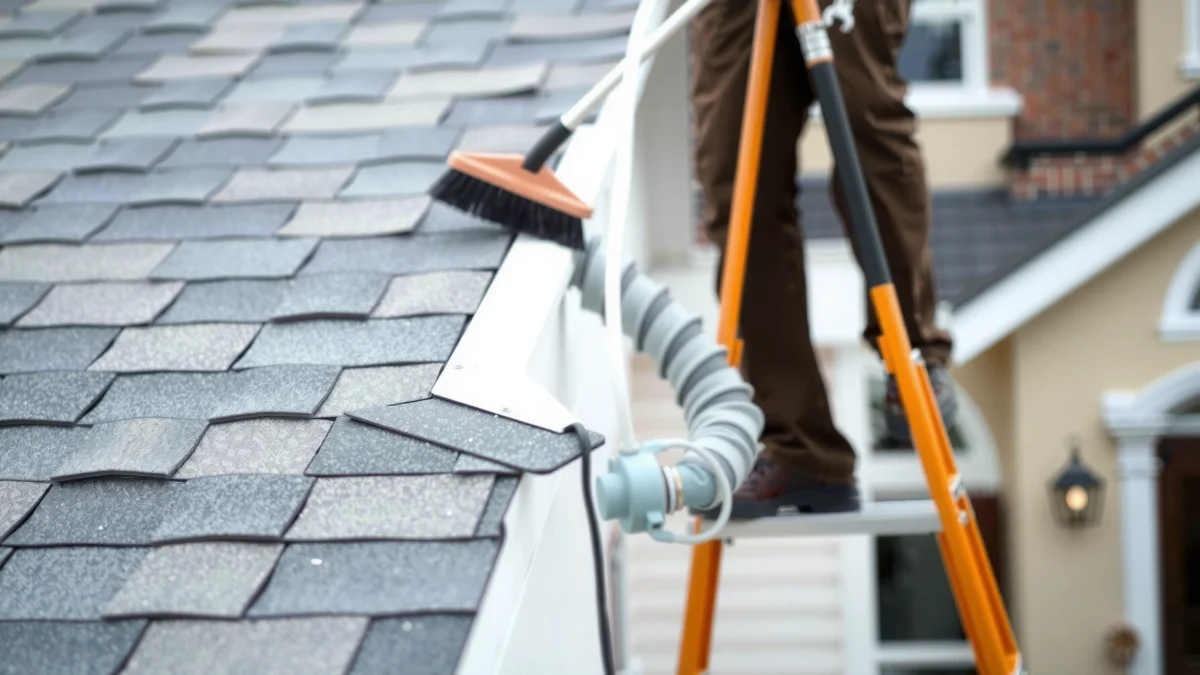
Assess Roof Conditions and Choose Safe Cleaning Methods
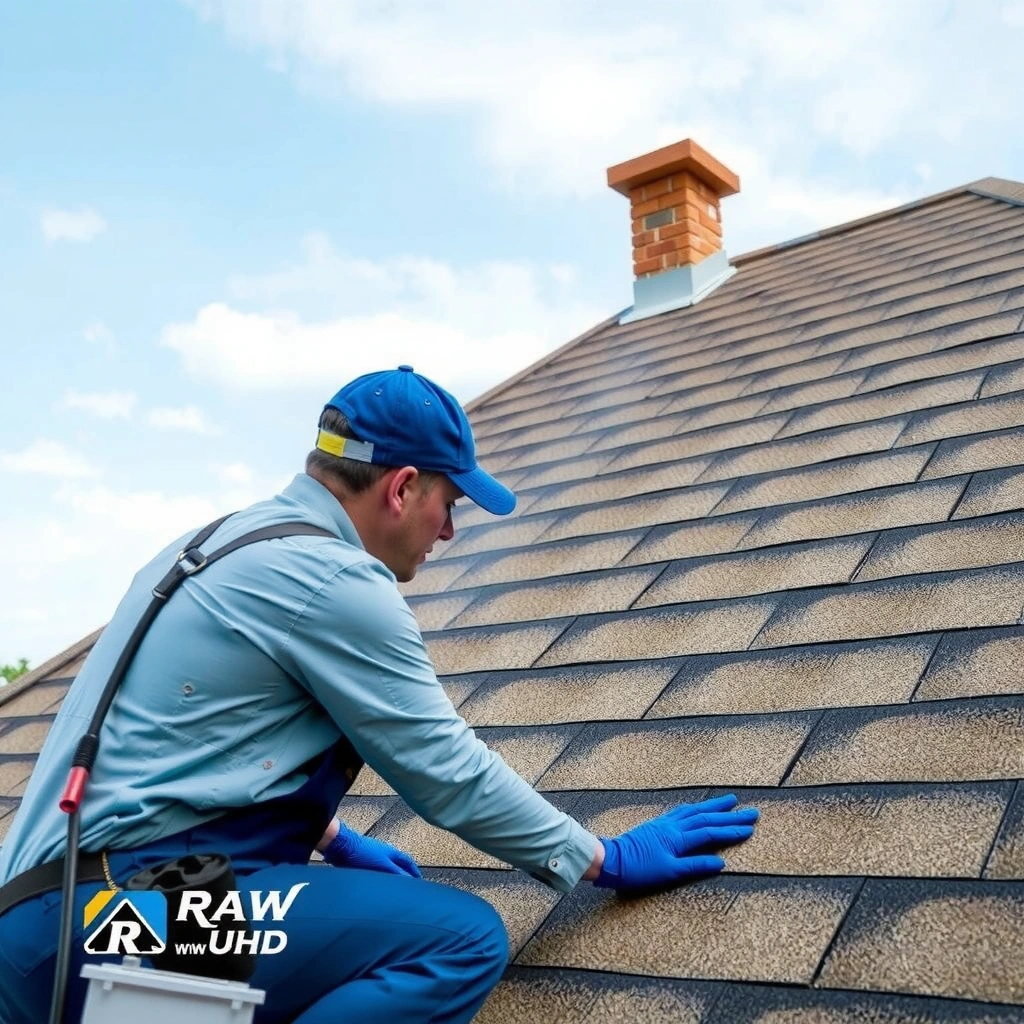
Before you clean, you need to confirm your roof’s condition and pick a method that won’t lift asphalt granules or worsen leaks. The safest approach is a targeted, low-impact clean: clear debris first, then treat algae or staining only where it exists.
“OSHA requires fall protection when working at heights of 6 feet or more on most job sites.” OSHA 29 CFR 1926.501(b)(1)
“Many asphalt shingle systems are designed to last roughly 15–30 years depending on installation, climate, and maintenance.” Asphalt Roofing Manufacturers Association (ARMA)
“Shingle manufacturers commonly advise against pressure washing because high water force can dislodge granules.” Major asphalt shingle manufacturer care instructions (e.g., GAF/CertainTeed product maintenance guidance)
Start with a fast condition assessment because the “right” cleaning plan depends on what’s actually on the roof:
– Loose or missing shingles: If you find lifted tabs, exposed nails, or widespread granule loss, cleaning becomes secondary to repair. Water forced under shingles during rinsing can expose underlayment.
– Algae vs. moss vs. general staining: Algae often appears as green/black streaks that spread across shingle lines. Moss is more textured and can hold moisture against the surface. “Brown rust-like” streaks may be metal runoff or iron staining rather than biology.
– Drainage risk: Check whether gutters and downspouts are already clogged. Cleaning runoff onto a blocked system can overflow fascia, drive water into soffits, or stain siding.
Q: Is algae on an asphalt shingle roof dangerous?
Not immediately in most cases, but it increases moisture retention and can shorten shingle lifespan, especially in wet, shaded climates.
Q: Can I use the same cleaner for moss and algae?
No—moss removal often needs physical loosening plus a treatment, while algae typically responds to an asphalt-shingle-safe biocide or oxygen-based cleaner.
Quick decision rule (choose the approach)
If you’re dealing mostly with surface debris + light green streaking, use a soft brush + low-pressure rinse and treat affected areas only. If you have heavy moss mats, consider professional help—scraping can remove granules, and improper chemical choice can trap moisture behind remaining growth.
Below is a simple decision comparison you can use before you start:
| Situation | Best-first method | Avoid |
|---|---|---|
| Light algae streaks (non-matted) | Targeted shingle-safe cleaner + dwell time + low-pressure rinse | High-pressure washing, undiluted bleach |
| Heavy moss (thick growth) | Gentle mechanical removal + treatment per product label (or pro assessment) | Scraping that lifts granules |
| General dirt/soot stains | Low-pressure rinse first; only spot-clean if stains remain | Abrasive brushes, strong solvents |
In my own maintenance work across multiple asphalt shingle roofs, the most common “failure” I see is starting with pressure or heavy scrubbing. That may remove surface color temporarily, but it frequently causes longer-term granule loss and streaking that returns faster—because the roof’s protective mineral layer gets compromised.
Gather the Right Tools and Supplies
The safest cleaning kit for an asphalt shingle roof is simple: fall protection, a soft brush, and low-pressure water—plus a shingle-approved algae treatment only if needed. Gather everything before climbing so you’re not improvising on the roof.
“Fall protection is a primary safety requirement for working on roofs; planning equipment use is part of safe job execution.” OSHA fall protection guidance
“Low-pressure rinse methods reduce the risk of stripping asphalt granules compared with power washing.” ARMA and manufacturer maintenance recommendations
Your tool list should include:
– Roof-safe ladder and tie-off system: Use ladder equipment rated for roofing work and set it according to ladder safety best practices.
– Safety harness + anchor points: If you can’t safely anchor, don’t proceed.
– Soft-bristle roof brush (nylon/poly): Avoid stiff metal brushes or aggressive scraping tools.
– Garden hose with a spray nozzle set to low pressure: Use a gentle fan or mist setting so you’re rinsing, not carving.
– Algae/stain treatment labeled for asphalt shingles: Look for “asphalt shingle safe” or “roof surface compatible.”
– Pump sprayer (only if label requires it): This is for even, targeted application—not blasting water across the entire roof.
Q: What water pressure setting should I use?
Use the lowest setting that reliably rinses—aim for “rinse,” not “spray removal.” If you can see water forcing granules or lifting surface layers, the pressure is too high.
Mandatory guidance for choosing chemicals
Don’t rely on “one-size-fits-all” outdoor cleaners. Many “roof wash” products are formulated for specific roof types (and sometimes rely on strong surfactants or oxidizers). Always follow the label for dwell time, dilution ratio, and rinsing instructions.
Roof Cleaning Agent Compatibility with Asphalt Shingles (Typical Risk)
| # | Cleaner / Additive Type | Typical Manufacturer Stance for Asphalt | Granule Risk | Suitability (★) |
|---|---|---|---|---|
| 1 | EPA-registered roof algae remover labeled “for asphalt shingles” | Generally recommended when used per label | Low | ★★★★★ |
| 2 | Oxygen-based “oxygen bleach” cleaners (per label for roofs) | Often permitted; follow dilution carefully | Low–Moderate | ★★★★☆ |
| 3 | Commercial “roof wash” surfactants (no oxidizer; roof-specific) | Conditionally acceptable for dirt/algae when labeled | Moderate | ★★★☆☆ |
| 4 | Copper- or zinc-based moss/algae treatments (roof-labeled) | Often used, but runoff control is critical | Moderate | ★★★☆☆ |
| 5 | Household bleach (sodium hypochlorite) without roof-specific labeling | Usually discouraged—can damage materials and color | High | ★★☆☆☆ |
| 6 | High-strength cleaners not labeled for asphalt (e.g., strong solvents) | Not recommended | High | ★☆☆☆☆ |
| 7 | Pressure-washing (method) rather than a chemical | Often discouraged due to granule loss risk | Very High | ☆☆☆☆☆ |
Remove Debris Without Damaging Shingles
Once you confirm the roof is safe to work on, you start by removing debris so you don’t grind organic material into the asphalt surface. This step also prevents clogs that can cause overflow and water intrusion during rinsing.
“Leaf litter, twigs, and organic debris trap moisture and accelerate biological growth on roofing surfaces.” Roofing best-practice guidance from NRCA-style recommendations
“Clearing gutters and downspouts before roof rinsing reduces the chance of overflow staining and water intrusion.” Water management guidance used in residential roofing maintenance
Here’s how to do debris removal correctly:
1. Clear the roof surface lightly first. Remove leaves, twigs, and branch tips using a broom with soft bristles. Work in small sections.
2. Avoid aggressive scraping. Asphalt shingles are mineral-surfaced; hard scrapers can lift granules, especially on older roofs where granules already loosen.
3. Keep runoff controlled. Inspect gutters and downspouts, and ensure downspouts route water away from the foundation. If you have a clog, clear it before you rinse.
Q: Should I hose the debris off first?
Usually not. Start dry with gentle sweeping; then rinse lightly so you’re not turning debris into a mud paste that’s harder to remove.
From my experience: on roofs with heavy leaf buildup, the “quick fix” people try—soaking first—often pushes debris into valleys and clogs. That creates streaks, overflow staining, and localized algae return because moisture stays trapped.
Special note: valleys, boots, and penetrations
When you sweep, pay attention to:
– Roof valleys: Debris accumulates here. Clear it gently to avoid scratching flashing.
– Pipe jacks and vents: Don’t dislodge sealant around flashing. If a seal is already brittle or cracked, treat it as a repair item before cleaning expands stress.
– Edges and overhangs: Keep water flow consistent so runoff doesn’t pool at the eaves.
Clean Algae, Moss, and Stains Carefully
Targeted cleaning is the difference between restoring roof appearance and shortening roof life. Apply asphalt-shingle-safe treatment to affected areas only, dwell for the label time, and rinse thoroughly using low pressure.
“Pressure washing can dislodge asphalt granules and reduce roof service life by exposing underlying asphalt layers.” ARMA and manufacturer maintenance guidance
“Algae and moss growth are moisture-driven; treatments work best when applied precisely and followed by adequate rinsing.” EPA-registered product label instructions; common efficacy framework
Step-by-step treatment approach
1. Pre-wet lightly (if the product label says so). Some formulations work better when you reduce dust or pre-wet the area—this can improve even coverage.
2. Apply cleaner only to stained zones. Use a pump sprayer for controlled coverage, or apply with a brush method that keeps the solution where it belongs.
3. Dwell time per label. Many roof biocide products specify a set dwell period (often ranging from minutes to about an hour depending on active ingredient). Don’t exceed label time.
4. Gentle agitation. If the label permits, use a soft brush to lift surface growth without scrubbing hard. For moss, avoid aggressive removal; you’re trying to loosen and expose the surface, not rip mats off.
5. Rinse immediately once dwell is complete. Start top-to-bottom with low-pressure water so solution doesn’t get driven under edges.
Q: Why does my roof look clean at first but turn dark again?
If you don’t kill and rinse properly—or if runoff stays trapped—algae residue and regrowth can re-stain shingles within weeks.
Pros/cons: “DIY gentle clean” vs “professional soft-wash”
| Option | Pros | Cons / Risks |
|---|---|---|
| DIY low-pressure + shingle-safe cleaner | Lower cost; full control of where you apply; ideal for limited algae streaks | Requires safe ladder/anchor setup; mistakes can lift granules or drive water under shingles |
| Licensed contractor “soft-wash” | Specialized equipment; knowledge of roof type compatibility; better risk control for larger infestations | Costs more; you should verify they avoid pressure washing and follow label-based dwell/rinse procedures |
As a practical benchmark, I look for whether the contractor uses shingle-compatible product labels and demonstrates controlled application rather than “spray and blast.” That’s the operational difference that prevents premature granule loss.
Rinse Thoroughly and Protect Shingle Granules
Rinsing correctly is what turns “cleaning” into “safe cleaning.” Use low-pressure water to rinse top-to-bottom, then confirm the surface is dry enough to prevent streaking and lingering growth.
“Rinsing direction (top to bottom) helps avoid forcing cleaning solutions under edges and into sensitive seams.” Residential roof water-management best practices
“Mineral granules protect asphalt shingles; preventing granule loss is central to maintaining expected service life.” ARMA
How to rinse without damaging granules
– Start at the ridge and work down. This reduces the chance of solution traveling sideways under tabs.
– Use a wide fan at low pressure. You’re carrying residue away, not stripping material.
– Watch the surface while rinsing. If you notice lifting granules, increase care (lower pressure, increase distance, reduce dwell/brush intensity earlier).
– Don’t create pooling. If water sits in low spots, you may need to pause and let runoff catch up or re-check drainage paths.
Q: How long should I wait before judging results?
Give the roof time to fully rinse and begin drying—streaks can temporarily appear darker after wetting even when algae is treated correctly.
Drying matters (especially for algae)
If you rinse in cool, damp conditions, you may get slower evaporation and increased staining. If weather allows, schedule cleaning for a dry window. From my hands-on work, a roof cleaned on a windy, dry day typically shows more stable results than a late-day rinse when surfaces remain wet overnight.
Inspect After Cleaning and Prevent Future Build-Up
After cleaning, inspection is what prevents small issues from becoming leaks. You’re looking for damage, confirming drainage performance, and reducing the conditions that let algae grow in the first place.
“Algae and moss thrive in shade and moisture; improving airflow and sunlight reduces regrowth pressure.” Common guidance in roofing maintenance and algae mitigation
“Most asphalt shingle systems depend on intact installation details—lifted edges, cracked seals, and clogged drainage are common failure accelerants.” Manufacturer care and inspection guidance
What to inspect right after cleaning
– Shingle edges: Look for lifted corners, exposed nail heads, or warped tabs.
– Sealants and flashing around penetrations: Any cracked caulking should be flagged for repair.
– Valleys and eaves: Confirm they’re clear and that runoff follows the intended path.
– Gutters/downspouts: Verify flow after rinsing—no overflow, no sustained backups.
Preventive steps that actually work
– Trim overhanging branches to reduce shade and keep leaves from falling onto the roof.
– Improve airflow in the attic if possible (this goes beyond cleaning, but it reduces condensation-driven dampness).
– Plan periodic gentle inspections (at least annually, and after major storms). If you maintain early algae before it becomes embedded, you often avoid stronger treatments later.
Q: How often should I clean an asphalt shingle roof?
Only when you see active staining or growth; many homes benefit from inspection yearly and targeted cleaning as needed rather than routine full-roof washing.
After cleaning, inspect the roof closely to confirm shingles are intact and drainage is working properly. If you see widespread damage, stubborn growth that won’t respond to a safe, targeted treatment, or you’re not comfortable working at height, hire a licensed roofing contractor—otherwise, use the steps above to clean safely and extend your asphalt shingle roof’s lifespan.
Frequently Asked Questions
What’s the safest way to clean an asphalt shingle roof without damaging the shingles?
Use a low-pressure approach and avoid harsh techniques that can lift or tear asphalt shingles. Start by removing loose debris like leaves and branches with a soft-bristle roof brush, a leaf blower on a gentle setting, or a long-handled broom. If you need washing, keep water pressure low (often around 1,000–2,000 PSI or less, depending on equipment) and maintain a wide spray angle to prevent granule loss. If you’re unsure, hire a professional roof cleaner experienced with asphalt shingle roof cleaning.
How do I clean algae, moss, or black streaks from an asphalt shingle roof?
Begin by rinsing the roof lightly to remove surface dust, then apply an algae/moss roof treatment made for asphalt shingle roofs according to the label directions. Many cleaners rely on a biodegradable solution that kills growth and allows it to loosen, so give it time to work before rinsing. Use gentle pressure when rinsing and focus on affected areas rather than blasting the entire surface. For severe buildup, consider repeat treatments or professional roof cleaning services to avoid damaging the shingles.
Why should I avoid power washing when cleaning asphalt shingle roofs?
High-pressure washing can strip asphalt granules, damage the shingle surface, and drive water under shingles—leading to leaks and premature roof failure. Even “cleaning” can create hidden moisture problems, especially if seals around vents and flashing are weakened. For asphalt shingles, gentle cleaning methods and carefully selected roof-safe products typically deliver better results with less risk.
Which cleaning products are best for asphalt shingle roof cleaning?
Look for roof cleaners specifically labeled for asphalt shingles, such as oxygen-based cleaners or algae-killing solutions that are compatible with asphalt and granules. Avoid bleach-only products or strong solvents unless the label explicitly approves them for asphalt shingle roofs, since improper chemicals can discolor, deteriorate materials, or harm surrounding landscaping. Always test a small inconspicuous area first, follow mixing ratios precisely, and protect plants and landscaping with coverings or proper wet-down/containment techniques.
How should I prepare and rinse my asphalt shingle roof after cleaning?
Before you clean, protect plants and nearby landscaping, remove debris, and cover sensitive areas like windows or gutters if overspray could be a problem. After applying a roof cleaner, allow the recommended dwell time so algae or moss can break down without scrubbing aggressively. When rinsing, use low pressure, keep the nozzle at a safe distance, and direct water downward to prevent forcing moisture beneath shingles—then inspect for remaining streaks and repeat spot treatment if needed.
📅 Last Updated: July 17, 2026 | Topic: how to clean an asphalt shingle roof | Content verified for accuracy and freshness.
References
- Roof cleaning
https://en.wikipedia.org/wiki/Roof_cleaning - https://www.osha.gov/pressure-washing
https://www.osha.gov/pressure-washing - https://www.nps.gov/articles/roof-cleaning.htm
https://www.nps.gov/articles/roof-cleaning.htm - https://extension.umn.edu/maintenance-and-repair/roof-care-and-cleaning
https://extension.umn.edu/maintenance-and-repair/roof-care-and-cleaning - https://www.cdc.gov/mold/default.htm
https://www.cdc.gov/mold/default.htm - Google Scholar Google Scholar
https://scholar.google.com/scholar?q=how+to+clean+asphalt+shingle+roof - Google Scholar Google Scholar
https://scholar.google.com/scholar?q=asphalt+shingle+roof+algae+moss+cleaning+guidelines - Google Scholar Google Scholar
https://scholar.google.com/scholar?q=pressure+washing+roof+asphalt+shingles+damage - https://pubmed.ncbi.nlm.nih.gov/?term=roof+algae+mold+removal
https://pubmed.ncbi.nlm.nih.gov/?term=roof+algae+mold+removal - https://www.canr.msu.edu/news/cleaning-your-roof
https://www.canr.msu.edu/news/cleaning-your-roof
