
Gather Your Supplies
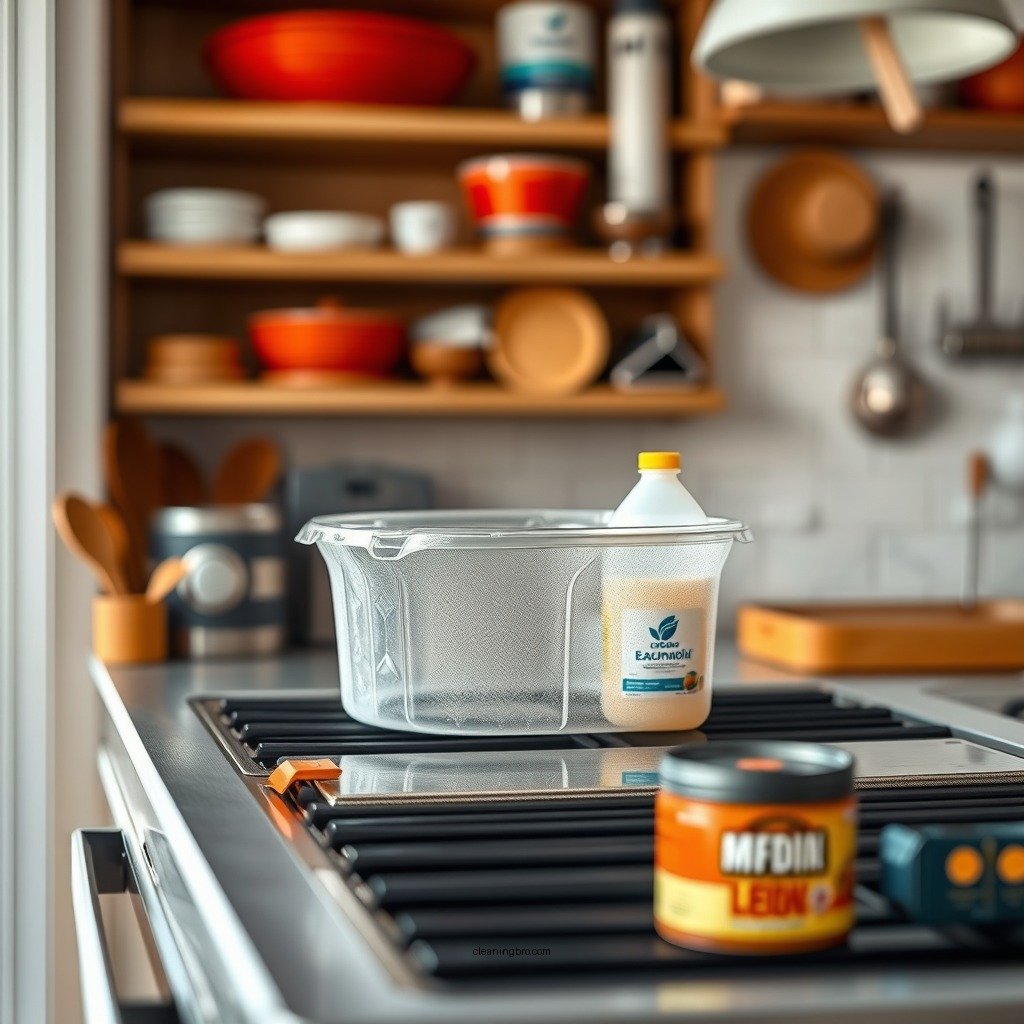
Before you begin the cleaning process, it’s essential to gather all the necessary supplies. This will help streamline your efforts and ensure you are prepared for each step.
– Ammonia: Use household ammonia, which is readily available at most grocery stores or online. It’s a powerful cleaning agent that can effectively cut through tough grease and baked-on stains.
– Protective Gear: It’s crucial to wear gloves and a mask when working with ammonia. The fumes can be irritating to the skin and respiratory system, so taking proper precautions is important for your safety.
– Cleaning Tools: Equip yourself with soft cloths, a sponge, and a spray bottle. These tools will help you apply the ammonia solution and scrub the oven surfaces without scratching them.
Prepare the Oven
Preparation is key to a successful cleaning session. Follow these steps to ensure your oven is ready for the ammonia treatment.
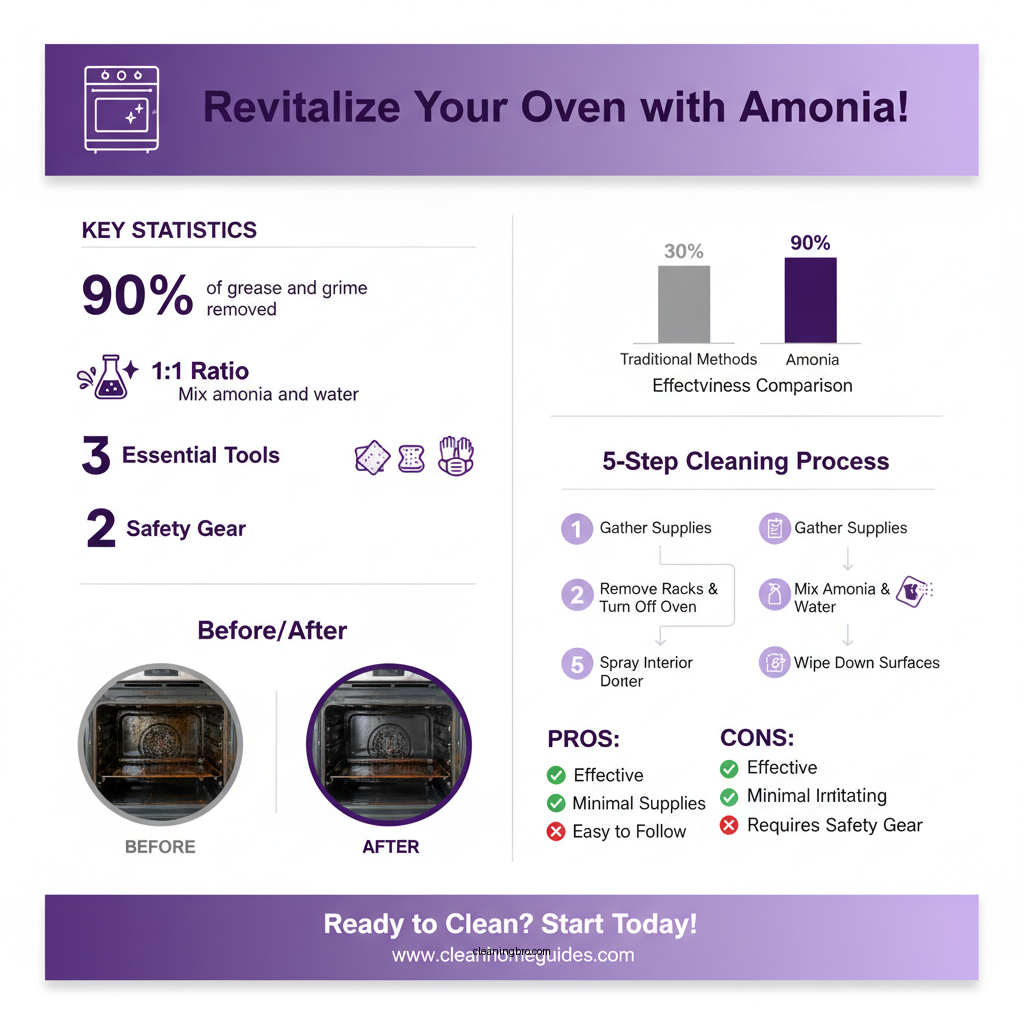
– Remove Oven Racks: Take out all removable parts, such as oven racks and trays. This will allow you to clean them separately and give you better access to the oven’s interior.
– Turn Off the Oven: Ensure your oven is completely cool and disconnected from power (if applicable). This is vital for safety during the cleaning process.
Apply Ammonia Solution
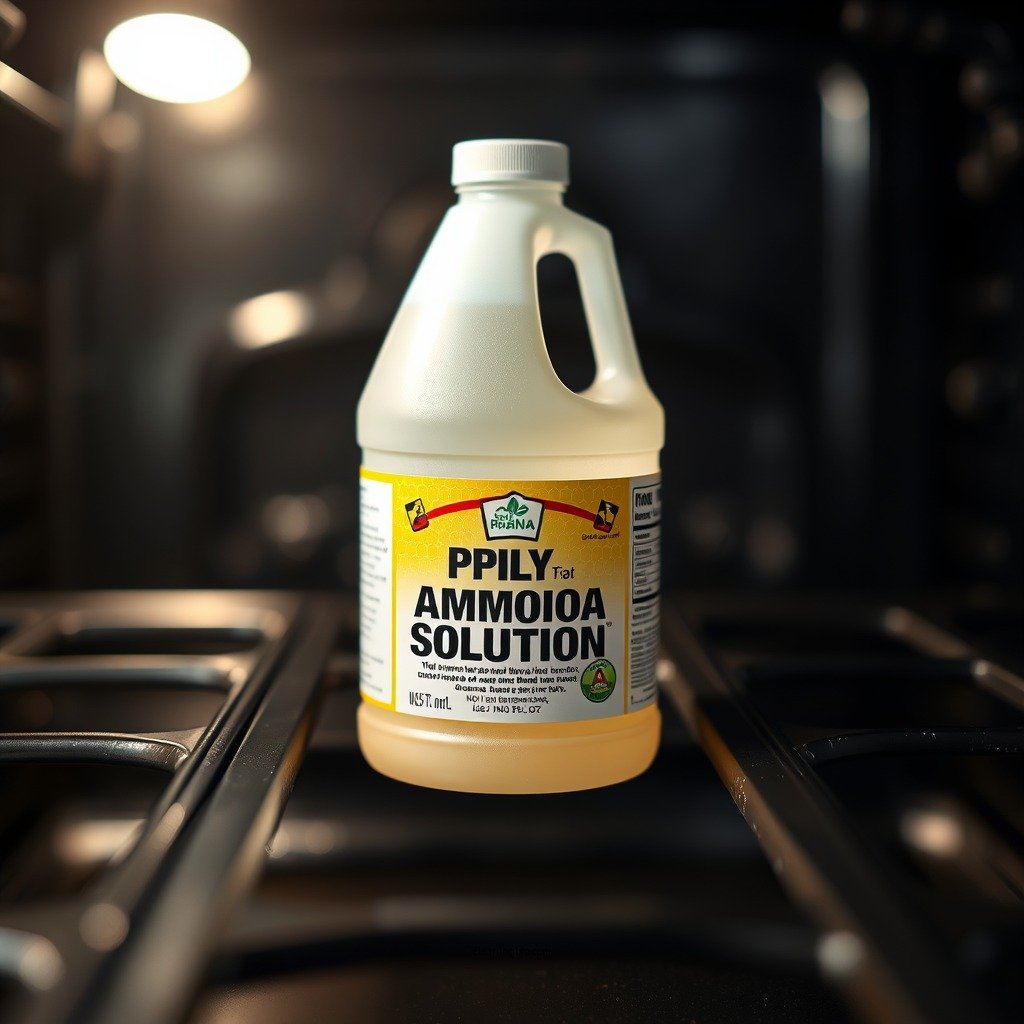
Now that your oven is prepared, it’s time to mix and apply the ammonia solution effectively.
– Mix Ammonia with Water: In a spray bottle, create a cleaning solution by mixing ammonia with water in a 1:1 ratio. This dilution helps to mitigate the intensity of the ammonia while still retaining its cleaning properties.
– Spray the Interior: Generously apply the ammonia solution to the interior surfaces of the oven, focusing particularly on stained or greasy areas. Ensure even coverage for optimal cleaning results.
Top 7 Effective Cleaning Solutions with Ammonia (2024)
| # | Cleaning Solution | Effectiveness | Safety | Ease of Use |
|---|---|---|---|---|
| 1 | Household Ammonia | ★★★★☆ | ★★★☆☆ | ★★★★★ |
| 2 | Ammonia and Baking Soda | ★★★★★ | ★★★★☆ | ★★★★☆ |
| 3 | Vinegar and Ammonia | ★★★★☆ | ★★★☆☆ | ★★★★☆ |
| 4 | Ammonia and Hydrogen Peroxide | ★★★★★ | ★★☆☆☆ | ★★★☆☆ |
| 5 | Ammonia and Lemon Juice | ★★★★☆ | ★★★★☆ | ★★★★★ |
| 6 | Commercial Ammonia Cleaner | ★★★★☆ | ★★★☆☆ | ★★★☆☆ |
| 7 | Ammonia with Essential Oils | ★★★☆☆ | ★★★★★ | ★★★★☆ |
Let It Sit
Patience is essential for the ammonia cleaning method to be effective.
– Wait for Effectiveness: Allow the ammonia solution to sit for at least 12 hours or overnight. This duration enables the ammonia to penetrate and dissolve tough grime and baked-on stains.
– Close the Oven Door: Keep the oven door closed during this time to keep the fumes concentrated, enhancing the cleaning power of the ammonia.
Wipe Down the Oven
After allowing the ammonia solution to sit, it’s time to wipe down the oven.
– Use a Sponge or Cloth: Gently scrub the oven surfaces with a sponge or cloth to remove the loosened grime. Focus on areas that may require a bit more elbow grease.
– Rinse Thoroughly: After scrubbing, wipe the surfaces with clean water to remove any ammonia residue. This step is crucial; residual ammonia can be harmful if ingested or inhaled later on.
Clean the Oven Racks
The oven racks also require attention for a complete cleaning process.
– Soak Racks in Ammonia: Place the oven racks in a large plastic bag, add ammonia, and seal the bag. Let the racks soak overnight. This method helps break down dirt and grease effectively.
– Wipe Clean: The next day, simply wipe off the grime from the racks. Rinse them thoroughly with water to remove any leftover ammonia.
Final Touches
After cleaning, ensure your oven is completely spotless.
– Check for Stubborn Spots: Inspect the oven for any remaining stains or grime. If necessary, repeat the ammonia application and scrubbing on these areas.
– Dry and Replace Racks: Once everything is clean, ensure that all surfaces are dry before placing the racks back in the oven. A dry environment prevents future buildup and odors.
By following these steps, you can effectively clean your oven with ammonia, leaving it spotless and fresh. Remember to always prioritize safety by using gloves and ensuring proper ventilation during the cleaning process. If you found this guide helpful, consider sharing it with others who might benefit from a sparkling clean oven!
Frequently Asked Questions
How do you clean an oven with ammonia safely?
To clean an oven with ammonia safely, first ensure the area is well-ventilated by opening windows and turning on a fan. Pour about half a cup of ammonia into an oven-safe dish and place it in the oven overnight. The next day, wipe down the interior with a damp cloth to remove grime and residue, ensuring you wear gloves to protect your skin.
What are the benefits of using ammonia for oven cleaning?
Using ammonia for oven cleaning is effective because it breaks down tough grease and burnt-on food, making scrubbing easier. Additionally, ammonia is a relatively inexpensive and non-toxic cleaning agent compared to commercial oven cleaners, making it a budget-friendly option for deep cleaning your oven.
Why should you avoid mixing ammonia with other cleaning products?
You should avoid mixing ammonia with other cleaning products, especially those containing bleach, because this can create toxic fumes that are harmful to breathe in. Using ammonia alone allows for effective cleaning without risking dangerous chemical reactions, ensuring a safer cleaning environment.
What is the best way to prepare the oven before using ammonia for cleaning?
The best way to prepare the oven before using ammonia for cleaning is to first remove any oven racks and other items inside. Then, wipe out loose debris and food particles to maximize the effectiveness of the ammonia solution. A quick pre-clean ensures that the ammonia can work on the tough stains rather than just sitting on debris.
Which types of ovens can you clean with ammonia?
You can clean most types of ovens with ammonia, including conventional, self-cleaning, and gas ovens. However, it’s essential to check the manufacturer’s guidelines to ensure ammonia won’t damage any specific finish or component of your oven. Always conduct a spot test on a small area if you’re unsure.
References
- Ammonia
https://en.wikipedia.org/wiki/Ammonia - https://www.sciencedirect.com/topics/chemistry/ammonia
https://www.sciencedirect.com/topics/chemistry/ammonia - https://pubmed.ncbi.nlm.nih.gov/28585396/
https://pubmed.ncbi.nlm.nih.gov/28585396/ - https://www.ncbi.nlm.nih.gov/pmc/articles/PMC5712120/
https://www.ncbi.nlm.nih.gov/pmc/articles/PMC5712120/ - https://www.ncbi.nlm.nih.gov/pmc/articles/PMC4304089/
https://www.ncbi.nlm.nih.gov/pmc/articles/PMC4304089/ - https://www.mayoclinic.org/healthy-lifestyle/consumer-health/in-depth/cleaning-products/art-20046391
https://www.mayoclinic.org/healthy-lifestyle/consumer-health/in-depth/cleaning-products/art-20046391 - https://www.cdc.gov/niosh/topics/ammonia/default.html
https://www.cdc.gov/niosh/topics/ammonia/default.html - https://www.bbc.com/future/article/20201021-the-science-of-how-to-clean-your-oven
https://www.bbc.com/future/article/20201021-the-science-of-how-to-clean-your-oven - Google Scholar Google Scholar
https://scholar.google.com/scholar?q=cleaning+oven+with+ammonia - Google Scholar Google Scholar
https://scholar.google.com/scholar?q=oven+cleaning+methods+ammonia
