
Cleaning anodized aluminum is straightforward if you use the right techniques and materials. The key is to avoid harsh chemicals that can damage the anodized layer while using gentle cleaning agents that effectively remove dirt and grime. In this article, you’ll discover various cleaning methods and tips to maintain your anodized aluminum surfaces, ensuring they remain looking pristine and performing well for years to come.



Understanding Anodized Aluminum

Anodized aluminum is a surface treatment process that enhances the inherent properties of aluminum. This process involves immersing aluminum in an electrolytic solution, which creates a durable, corrosion-resistant oxide layer on its surface. This protective layer not only improves the material’s resistance to wear and tear but also helps retain its aesthetic appeal. However, while anodized aluminum is tougher than untreated aluminum, it is essential to treat it with care when cleaning. Using the wrong cleaning agents can lead to the degradation of that protective layer, making it imperative to adopt proper cleaning techniques.

Recommended Cleaning Supplies


To effectively clean anodized aluminum, it is crucial to gather the right cleaning supplies. Here are the recommended items:
– Mild Dish Soap: A simple solution of dish soap and water is often the most effective for cleaning anodized aluminum. It is gentle enough not to harm the anodized surface while still capable of breaking down dirt and grime.
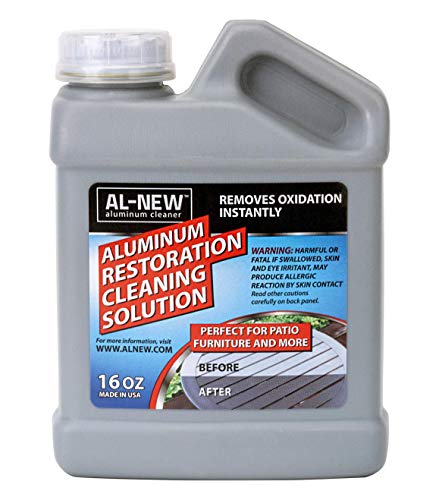
– Specialized Aluminum Cleaners: If you prefer commercial products, look for aluminum-specific cleaners that are non-abrasive. These cleaners are formulated to safely remove stains without damaging the anodized finish.
– Soft Cloths or Sponges: Opt for soft, lint-free cloths or non-abrasive sponges. Avoid using steel wool or abrasive pads, as they can scratch the surface, compromising the anodized layer.
– Baking Soda: For tougher stains or oxidation, baking soda can be used to create a gentle abrasive paste, which can effectively cleanse the surface without causing damage.
Step-by-Step Cleaning Process

Cleaning anodized aluminum involves a straightforward process. Here’s a step-by-step guide:
1. Rinse the Surface: Start by rinsing the aluminum surface with water to remove loose dirt and debris. This initial step helps prevent scratches during the cleaning process.
2. Prepare the Cleaning Solution: Mix mild dish soap with warm water in a bucket or spray bottle. If using a commercial aluminum cleaner, follow the instructions on the label.
3. Apply the Cleaning Solution: Using a soft cloth or sponge, apply the cleaning solution to the anodized aluminum. Gently scrub the surface in a circular motion, being careful not to apply too much pressure.
4. Rinse Thoroughly: Once the surface is clean, rinse it thoroughly with clean water to remove any soap or cleaner residue, which could leave streaks if left to dry.
5. Dry the Aluminum: Use a clean, dry cloth to wipe down the surface, preventing water spots and ensuring a polished finish.
Dealing with Stains and Oxidation
Over time, anodized aluminum can develop stains or oxidation, especially if exposed to harsh environmental elements. Here’s how to tackle these issues:
– Baking Soda Paste: For tougher stains, create a paste with baking soda and a small amount of water. The paste should be thick enough to adhere to the stained area.
– Application: Gently rub the paste onto the stains using a soft cloth, applying just enough pressure to lift the stain without scratching the surface.
– Rinse Thoroughly: After the stains are removed, rinse the area thoroughly with water to ensure no baking soda remains, as it can leave a residue if not washed away completely.
– Repeat if Necessary: For persistent stains or heavier oxidation, you may need to repeat the process or let the paste sit for a few minutes before rinsing.
Most Effective Cleaning Agents for Anodized Aluminum
| # | Cleaning Agent | Effectiveness | Safety for Anodized Finish |
|---|---|---|---|
| 1 | Mild Dish Soap | High | ✅ Safe |
| 2 | Specialized Aluminum Cleaner | Very High | ✅ Safe |
| 3 | Baking Soda Paste | High | ✅ Safe |
| 4 | Vinegar Solution | Medium | ✅ Safe |
| 5 | Commercial Metal Polish | Very High | ❌ Risky |
| 6 | Acidic Cleaners | Low | ❌ Not Safe |
| 7 | Bleach Solutions | Very Low | ❌ Not Safe |
Regular Maintenance Tips
To keep your anodized aluminum surfaces in optimal condition, regular maintenance is crucial. Here are some tips to help you maintain their appearance:
– Routine Cleaning: Establish a regular cleaning schedule, ideally every few weeks, depending on the environment. Frequent cleaning prevents dirt buildup and keeps the surface looking fresh.
– Use Protective Coatings: Consider applying a protective wax or sealant designed for anodized aluminum surfaces. This can add an extra layer of protection against stains and oxidation.
– Avoid Harsh Chemicals: Steer clear of abrasive cleaners, acidic solutions, or bleach, as these can damage the anodized finish. Always read labels to ensure the safety of your cleaning supplies.
– Inspect for Damage: Regularly inspect your anodized aluminum for signs of wear or damage. Early detection can help prevent further deterioration and maintain the integrity of the surface.
When to Seek Professional Help
While most anodized aluminum cleaning tasks can be handled with DIY methods, there are situations where professional assistance may be warranted:
– Extensive Damage: If your anodized aluminum surfaces show significant wear, scratches, or corrosion, a professional cleaning service may be able to restore the finish effectively.
– Specialized Equipment: In some cases, professionals utilize specialized equipment and cleaning agents that can safely restore anodized aluminum surfaces to their original condition.
– Time Constraints: If you lack the time or resources to undertake cleaning yourself, hiring professionals can save you effort and ensure a high-quality clean.
By understanding when to clean and how to maintain anodized aluminum surfaces properly, you can prolong their lifespan and maintain their aesthetic appeal.
Cleaning anodized aluminum is simple with the right approach and products. By following the outlined methods and maintaining regular cleaning habits, you can keep your aluminum surfaces looking their best. Don’t hesitate to implement these tips, and enjoy the lasting beauty and durability of your anodized aluminum!
Frequently Asked Questions
What is the best way to clean anodized aluminum without damaging the surface?
The best way to clean anodized aluminum is to use a mild detergent mixed with warm water. Gently scrub the surface with a soft cloth or sponge to avoid scratching, and rinse thoroughly with clean water. For tougher stains, a solution of vinegar and water can be effective, but always test in a small area first.
How often should I clean my anodized aluminum surfaces?
It is recommended to clean anodized aluminum surfaces every few months, depending on exposure to the elements and dirt accumulation. Regular cleaning helps maintain the finish and prevents the buildup of contaminants that can lead to corrosion or discoloration.
Why is it important to use specific cleaners for anodized aluminum?
Using specific cleaners for anodized aluminum is important because harsh chemicals or abrasive materials can damage the protective anodized layer. This layer is designed to prevent corrosion and enhance durability, so using the right cleaning products helps preserve its integrity and appearance.
Which household items can I use to clean anodized aluminum effectively?
Common household items like dish soap, vinegar, and baking soda can be used to clean anodized aluminum effectively. A paste made of baking soda and water can be used for tougher stains, while vinegar diluted with water serves as a gentle cleaner for regular maintenance.
What should I avoid when cleaning anodized aluminum surfaces?
When cleaning anodized aluminum surfaces, avoid using abrasive pads, steel wool, or acidic cleaners, as these can scratch or damage the anodized finish. Additionally, steer clear of highly alkaline cleaners, as they can lead to discoloration and deterioration of the protective layer.
References
- Anodizing
https://en.wikipedia.org/wiki/Anodizing - https://www.sciencedirect.com/topics/materials-science/anodized-aluminium
https://www.sciencedirect.com/topics/materials-science/anodized-aluminium - Anodizing | Aluminum Oxide, Electrolytic Process, Corrosion Resistance | Britannica
https://www.britannica.com/technology/anodizing - https://www.cdc.gov/niosh/docs/2000-140/default.html
https://www.cdc.gov/niosh/docs/2000-140/default.html - https://www.ncbi.nlm.nih.gov/pmc/articles/PMC7151991/
https://www.ncbi.nlm.nih.gov/pmc/articles/PMC7151991/ - https://www.nature.com/articles/s41598-019-51300-4
https://www.nature.com/articles/s41598-019-51300-4 - Google Scholar Google Scholar
https://scholar.google.com/scholar?q=how+to+clean+anodized+aluminium - Google Scholar Google Scholar
https://scholar.google.com/scholar?q=anodized+aluminium+cleaning+methods - Google Scholar Google Scholar
https://scholar.google.com/scholar?q=anodized+aluminium+maintenance - https://www.ni.gov.au/technical-publications/anodised-aluminium-care-and-maintenance-guide
https://www.ni.gov.au/technical-publications/anodised-aluminium-care-and-maintenance-guide
