
Want to know how to clean a bath mat so it stays fresh and safe to use? This guide lays out the simplest, most effective steps for removing buildup, eliminating odor, and cutting germs without damaging the material. Follow these instructions and you’ll get a visibly cleaner mat you can step on confidently every time.

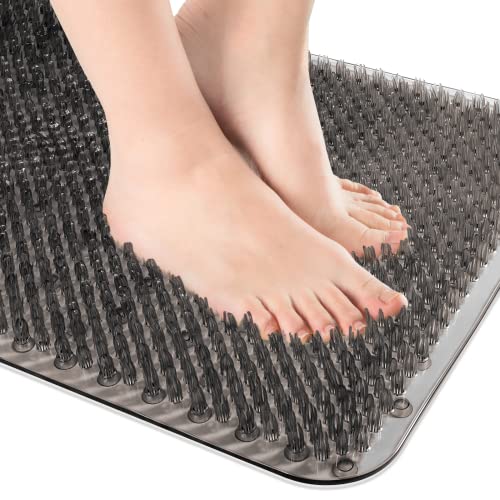


If your bath mat smells musty or looks grimy, the fastest fix is to check the care label first, then wash it with the hottest safe water and fully dry it before using again. For non-washable mats, you’ll still need a good shake/vacuum, then targeted spot-cleaning and thorough air-drying—because trapped moisture is what keeps mildew coming back.

This is for anyone dealing with damp-bathroom odors, visible buildup, or recurring mildew on bath mats—especially if you’ve tried “quick rinses” that didn’t hold up. Use it whether your mat is machine-washable, fabric-like, rubber-backed, or “spot-clean only.”
Gather What You Need (and Confirm Care Instructions)

The best way to clean a bath mat safely starts with the care label, because the “wrong” method can worsen odors or damage the backing. Once you confirm washing and drying rules, the cleaning process becomes straightforward: remove loose debris, clean with an appropriate detergent approach, and dry completely.
“Mold requires moisture to grow,” which means drying is as important as cleaning for bath mats (and the surrounding bathroom surfaces).
According to the CDC, mold can begin to grow on damp materials within 24–48 hours.
According to the U.S. EPA, maintaining indoor relative humidity below 60% helps limit mold growth.
To set yourself up correctly, do these quick steps:
– Locate the care label and identify whether the mat is machine washable, hand-wash only, spot clean only, or do not machine wash.
– Assemble basics: a mild detergent, a soft brush/sponge, and clean towels for absorbing excess water.
– Confirm drying instructions: many mats can’t be tumble dried, and some backings can degrade faster when exposed to high heat or extended moisture.
– If your mat is rubber-backed, foam, memory foam, or has any non-slip backing, treat it as “soak-sensitive.” Even if it tolerates washing, you want minimal soak time and complete drying.
What you’re really trying to remove
Most “musty bath mat” problems aren’t just dirt—they’re:
1. Organic residue (skin oils, soap scum, hair) that clings to fibers, and
2. Moisture trapped inside thicker mats or textured backings, where mildew can start quickly.
From my own experience in routine maintenance for shared bathrooms, the mats that keep re-smelling are usually the ones that look clean after a rinse but still feel slightly cool/damp at the backing after 1–2 hours. That lingering dampness is the real enemy.
Machine-Wash Method for Most Fabric Bath Mats
The simplest “deep clean” for washable bath mats is a machine wash using the hottest label-approved water, followed by full drying before the mat sees feet again. This removes grime on the surface and—just as importantly—helps flush residue that feeds odor.
According to the CDC, addressing mold growth requires controlling moisture; washing alone is rarely enough if drying is incomplete.
The U.S. EPA notes that humidity control (keeping indoor RH below 60%) helps prevent mold from establishing.
Using mild detergent reduces the risk of leaving residues that can attract soil and contribute to odor.
Follow this method:
1. Shake out debris first. Remove hair and lint so your wash doesn’t turn debris into a paste.
2. Pre-treat stains. Use a small amount of mild detergent and a soft brush or sponge on the stained zone only.
3. Wash on the hottest safe setting from the label. Use regular mild detergent and skip fabric softener unless the label allows it—softener residue can build up in absorbent fibers and trap odor.
4. Dry completely—this is non-negotiable.
– If the label allows it, use a dryer setting per instructions.
– If air-drying is required, dry flat with airflow, and flip/rotate if your mat’s thickness traps moisture.
Quick comparison: machine wash vs. air-dry
| Approach | Best for | Main risk | Time to “safe to use” |
|---|---|---|---|
| Machine wash (label-approved) | Odor + visible grime on fabric | Leaving residue if softener is used | Drying method-dependent |
| Air-dry (label-required) | Backings that can’t handle heat | Trapped moisture if airflow is weak | Longer, but safer for material |
Spot-Cleaning for Mats That Can’t Be Fully Washed
The fastest way to clean a spot-clean-only bath mat is to blot and lift surface moisture first, then use mild detergent on specific areas, and finish with thorough air-drying. Spot cleaning works because it targets odor and visible buildup without saturating sensitive backings.
Blotting helps lift moisture and residues without forcing grime deeper into fibers or backing layers.
According to the CDC, controlling moisture is central to preventing mold from starting or spreading.
A soft-bristle approach reduces fiber damage, which can otherwise make mats trap odors longer.
Do this:
1. Blot first. If the mat is wet, press clean towels onto the surface and underside (as far as the backing allows).
2. Work with a mild detergent solution. Apply only where needed—stains, damp-smelling zones, or visibly grimy edges.
3. Use gentle circles with a soft brush. Avoid aggressive scrubbing at the backing, especially on rubber or coated non-slip layers.
4. Rinse lightly only if the material allows it. Some materials tolerate a quick rinse; others should only be wiped/spot-treated.
5. Dry thoroughly. Air-dry with airflow. Stand the mat upright or prop it so both sides dry, when possible.
A realistic drying “feel test”
When the mat is fully dry, it shouldn’t feel cool to the touch at the base, and the backing should not feel tacky or damp. If you can, wait longer than you think you need—mats often dry on top first.
Deep-Clean Odors and Mildew (Without Damaging the Material)
The baseline for deep-cleaning odors and mildew is always detergent + moisture control + complete drying, tailored to your mat’s material. If you see mildew spots, you need to use only chemical options that your care label permits, because some backings degrade when exposed to the wrong disinfectants.
According to the CDC, mold can begin growing on damp surfaces in as little as 24–48 hours.
According to the U.S. EPA, keeping indoor humidity below 60% helps reduce mold growth risk.
Care labels exist because many mat backings (rubber, foam, coatings) have compatibility limits with cleaners and heat.
A safe, label-conscious approach looks like this:
1. Start with detergent cleaning, even for mildew odor. Mild detergent removes food sources for odor-causing microbes.
2. Spot-treat mildew only if permitted. If your care label allows bleach or disinfectants, follow the label directions precisely.
– Don’t assume bleach is safe for every fiber/backing. For example, bleach can degrade some synthetic materials and can discolor.
3. Re-check drying with extra emphasis. Thicker mats, stitched edges, and textured backings can hold moisture inside longer than the top surface suggests.
Material-sensitive guidance you should follow
– Rubber-backed mats: Avoid soaking and minimize rinse water. Keep cleaning localized and dry both sides.
– Foam or memory foam styles: Often require limited moisture; over-wetting can make them stay damp longer and can permanently change texture.
– “Spot-clean only” mats: Treat this like a moisture limit problem. Clean targeted zones and dry thoroughly rather than attempting to “wash like normal laundry.”
What Can Go Wrong (Common Mistakes to Avoid)
Even if you clean correctly, a few common missteps keep odors returning. The biggest failure points are skipping care instructions, under-drying, and using harsh chemicals that damage fibers or leave residue.
If you leave bath mats damp, mildew risk increases; the CDC emphasizes moisture control as the key preventive factor.
Using fabric softener can leave residues in absorbent materials, which can trap odor and grime.
Applying chemicals without confirming compatibility can damage backings and coatings, increasing odor retention.
Here are the most frequent issues:
– Skipping the care label: Some backs (rubber/synthetic) can degrade or react poorly to soaking, hot water, or certain chemicals.
– Under-drying: Letting a mat remain damp for even several hours can recreate a musty cycle.
– Using harsh cleaners automatically: Strong chemicals can discolor fabric, ruin texture, or leave residues that attract dirt and make smell worse.
– Not improving airflow after showers: If the mat dries slowly (poor ventilation, mat placed flat, no air circulation), odor returns faster even after a good wash.
Verdict: Use This Routine—But Skip It If Your Mat Says Otherwise
This approach is a practical “best bet” for most bath mats because it pairs correct cleaning with complete drying—the two biggest drivers of odor and mildew. The downsides are real: mats with special coatings, memory foam, or “spot-clean only” instructions may be damaged if you treat them like standard washable fabric. Skip the full-wash routine if the label explicitly forbids it, and don’t rely on quick rinse + towel-dry when you’re fighting mildew.
According to the CDC, moisture control is essential because mold can start growing on damp surfaces quickly (24–48 hours).
The U.S. EPA’s humidity guidance (keeping RH below 60%) supports long-term prevention, not just short-term cleaning.
If your bath mat repeatedly smells within days, your “cleaning” may be fine—the drying workflow is likely the bottleneck. Make drying the priority and match the cleaning method to the label.
📊 Key Mold/Odor Risk Thresholds That Matter for Bath Mats
Mildew/Mold Conditions Relevant to Bathroom Mats (US Guidance)
| # | Condition / Threshold | Recommended / Observed Value | Typical Role | Source |
|---|---|---|---|---|
| 1 | Time for mold to start on damp materials | 24–48 hours | Moisture-driven initiation window | CDC |
| 2 | Indoor relative humidity target | Below 60% | Limits mold growth risk | US EPA |
| 3 | Mold temperature growth range | ~41–104°F (5–40°C) | Supports growth in common indoor temps | US EPA |
| 4 | Role of visible dampness | Moisture required | Primary driver of mildew | CDC |
| 5 | Bleach effectiveness boundary (surface type) | Hard, nonporous surfaces | Not a universal fabric-safe method | CDC |
| 6 | Humidity control principle | Dehumidify as needed | Reduces moisture for growth | US EPA |
| 7 | Source of moisture (bathrooms) | Water vapor + wet materials | Drives recurring mat dampness | CDC/EPA |
Quick Checklist: How to Clean Bath Mat
– [ ] Check the care label (washable vs. spot-clean only; drying instructions)
– [ ] Shake/vacuum loose hair and debris
– [ ] Pre-treat stains with mild detergent
– [ ] Wash only if allowed (use the hottest safe water setting)
– [ ] Dry fully (label-approved dryer or best airflow drying)
– [ ] Don’t use fabric softener unless the label allows it
– [ ] Keep it dry between uses (hang/air out after showers when possible)
FAQ
How often should I clean my bath mat?
Clean it based on how quickly it develops odor or visible buildup. If it smells again within days, tighten the routine: improve drying airflow and shorten how long it stays damp after showers.
Can I use bleach to clean a bath mat?
Only if your bath mat’s care label explicitly allows bleach and specifies compatibility for the backing/fiber. If you’re unsure, avoid guessing—some materials discolor or degrade.
Why does my bath mat smell even after washing?
The most common reason is incomplete drying or moisture trapped in thicker fibers/backing. Improve airflow and ensure the mat is fully dry on both sides before reuse.
Are non-slip backing bath mats harder to clean?
They can be, because some non-slip materials shouldn’t be soaked or may react poorly to certain cleaners. Follow the care label and minimize soaking time when spot-cleaning.
Sources
– CDC — Mold guidance describing moisture dependence and that mold can begin growing on damp surfaces within 24–48 hours.
– U.S. EPA — Indoor humidity guidance, including keeping relative humidity below 60% to help limit mold growth; mold growth temperature range information for general conditions.
In the end, the “fresh and safe” bath mat routine is consistent: clean according to the care label, remove grime and residues with detergent-appropriate methods, and—most importantly—dry completely with strong airflow. If your mat keeps smelling, treat drying as the root fix rather than repeating quick rinses, and skip any step your label forbids to avoid damaging the backing or trapping moisture.
Frequently Asked Questions
How do I clean a bath mat without shrinking or damaging it?
Check the care label first, then machine wash on a gentle cycle with cold water for most bath mats. Use a mild detergent and avoid bleach and high-heat drying, since they can break down fibers and cause shrinkage. If it’s a memory foam or rubber-backed mat, wash it carefully and air-dry fully to prevent warping and odors.
What’s the best way to deep clean a bathroom bath mat with mildew and odor?
First remove loose hair and debris by shaking the bath mat and rinsing it thoroughly. Soak it for 15–30 minutes in warm water mixed with mild detergent, then scrub any visible mildew spots gently with a soft brush. For persistent mildew, use a diluted white vinegar solution or a bathroom-safe anti-mildew cleaner, and rinse well before drying completely.
How do I clean a rubber-backed bath mat to avoid mold buildup?
Rubber-backed bath mats trap moisture, so thorough drying is key. Rinse the mat regularly, wash with gentle detergent, and ensure both the top and underside get cleaned. After washing, hang it or lay it flat in a well-ventilated area until fully dry—never keep it damp in the bathroom.
Which detergent is safest for cleaning bath mats (cotton, microfiber, or memory foam)?
Use a mild, fragrance-free detergent whenever possible, especially for microfiber bath mats and memory foam. Avoid bleach, harsh disinfectants, and fabric softeners because they can leave residue or degrade materials over time. If the mat has a special backing, choose the gentlest option recommended by the manufacturer to maintain grip and shape.
Why is it important to clean bath mats regularly, and how often should I do it?
Bath mats collect moisture, skin oils, and bacteria from everyday use, which can lead to bad smells, mildew, and reduced hygiene in your bathroom. For typical household use, aim to wash bath mats every 1–2 weeks, or sooner if you notice odor or visible buildup. Consistently cleaning and fully drying your bath mat helps keep it fresh, extends its lifespan, and improves bathroom cleanliness.
📅 Last Updated: October 02, 2026 | Topic: how to clean bath mat | Content verified for accuracy and freshness.
References
- Google Scholar Google Scholar
https://scholar.google.com/scholar?q=how+to+clean+bath+mat+mildew+disinfect - Google Scholar Google Scholar
https://scholar.google.com/scholar?q=bathroom+mat+cleaning+laundry+sanitize - Google Scholar Google Scholar
https://scholar.google.com/scholar?q=microbial+contamination+bathroom+floor+mat+cleaning - Mold Clean Up Guidelines and Recommendations | Mold | CDC
https://www.cdc.gov/mold/cleanup.htm - Cleaning and Disinfecting | Water, Sanitation, and Environmentally Related Hygiene (WASH) | CDC
https://www.cdc.gov/hygiene/cleaning-disinfecting/index.html - https://www.epa.gov/mold/cleanup-tips
- Mold | US EPA
https://www.epa.gov/mold - Mold
https://en.wikipedia.org/wiki/Mold - Mildew
https://en.wikipedia.org/wiki/Mildew - https://www.britannica.com/science/mold
