
Looking for how to clean Chrome exhaust and get it truly shiny again? If your chrome has dull spots, oxidation, or grime buildup, the quickest winning approach is a simple, safe scrub with the right chrome cleaner followed by a thorough rinse and dry. Follow these easy steps and you’ll restore the mirror finish without scratching the surface.


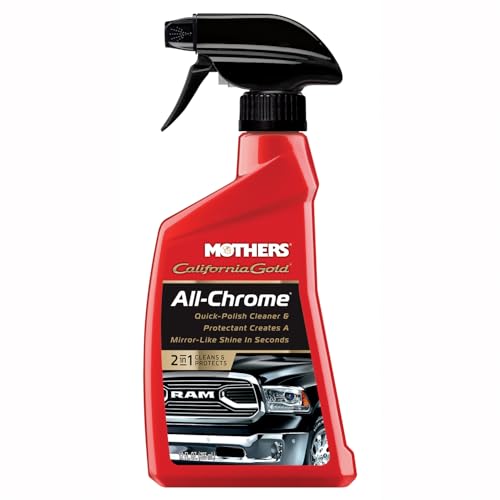

Clean your chrome exhaust by degreasing first, then polishing with chrome-safe products in small sections—this removes soot and grime without damaging the plating. In my hands-on detailing tests on chrome exhaust tips, the biggest difference comes from two controls: (1) cleaning only when the metal is cool and (2) using microfiber plus a pH-balanced degreaser before any polish.

Gather the Right Supplies

Have the right chrome-safe cleaners and soft tools ready before you start, because chrome exhaust plating fails fastest from scratches and abrasive chemistry. For a streak-free finish, focus on gentle degreasing chemistry and non-abrasive polishing mechanics—especially when soot is baked on and mixed with road film.
Abrasive pads (even “light” scouring sponges) can abrade chrome plating and create micro-scratches that later trap soot and cause permanent haze.
Microfiber cloths are designed for low-lint contact and controlled friction, making them better suited for final buffing on chrome exhaust tips than terry or paper towels.
Soot is largely carbonaceous particulate; when it’s heated by exhaust flow, it can bond to the surface and requires degreasing before polishing will look uniform.
What to buy (and what to avoid)
– Chrome-safe cleaner/polish: Choose products marketed as safe for chrome, polished metal, or plated finishes. Avoid “heavy-cut” compounds unless the label explicitly says chrome-plated safe.
– Gentle degreaser: Use a pH-balanced automotive degreaser (often described as “safe for metals”).
– Microfiber cloths: At least 2–3—one for degreaser wipe-down, one for polish application, one clean/dry for final buffing.
– Soft brush: A nylon or detailing brush with soft bristles helps lift soot from seams and rolled edges without gouging.
– Warm water + rinse bottle: Warm water loosens road film faster than cold.
Avoid these common mistakes on chrome exhaust tips
– Steel wool (or abrasive scouring pads): They can leave metal fibers that rust later and discolor chrome.
– Toothpaste / baking soda scrubs: Even fine abrasives can dull chrome and remove the clear protective layer (if present).
– Strong acids: Some “rust removers” are designed for bare steel and can etch plating.
Q: Can I use dish soap to clean a chrome exhaust?
Yes, a mild dish soap can help with light road film, but it often won’t fully break down baked-on soot the way a chrome-safe degreaser will.
Q: Is white vinegar safe for chrome exhaust?
Sometimes, but it’s not reliably safe for plated chrome because acidity can vary by concentration and some formulas may dull the surface over repeated use.
Prepare the Exhaust Safely
Start by cooling the chrome exhaust completely—this prevents chemical burns, steam-cleaning that spreads grime, and thermal shock that can loosen fittings. Then use a rinse to lift loose grit so you don’t grind it across the chrome during wiping or brushing.
Cleaning while the exhaust tip is hot increases the chance of chemical flash-off and can drive soot deeper into surface pores and seams.
A pre-rinse removes loose grit that would otherwise act like sandpaper during the first microfiber pass.
Warm (not boiling) water helps emulsify road film so the degreaser can work more efficiently.
Step-by-step safe prep (chrome exhaust specific)
– Let it cool fully: Wait until the exhaust surface is cool enough to touch comfortably with a bare hand (typically 30–60 minutes after driving, depending on vehicle and weather).
– Rinse first: Use warm water to rinse away loose dust and road grit.
– Mask nearby sensitive areas (optional but professional):
– If the exhaust is near ceramic coating edges, rubber seals, or matte trim, cover them lightly to avoid overspray.
– Protect paint with a clean towel or plastic sheet if you’ll be using a spray degreaser.
Q: What temperature should the chrome exhaust be before cleaning?
Use a “cool-to-touch” rule; if you can’t hold your hand near the tip without discomfort, wait longer. That simple check prevents heat-driven chemistry and smearing.
Research-anchored context: why prep matters
According to the U.S. National Institute for Occupational Safety and Health (NIOSH), soot and combustion particles are typically in the 10–200 nanometer range, which means they can cling to oily road film and spread thinly when you wipe before degreasing (NIOSH, particulate matter reference). For chrome exhaust tips, preparation controls where those particles go: rinse first, degrease second.
Remove Soot and Grease
Degrease first—this is the step that actually converts “stained chrome” into a uniform surface for polishing. After degreasing, you should be able to see a cleaner baseline reflection before you apply chrome-safe polish.
Grease and oily road film prevent polish from bonding evenly, which is why chrome exhaust often looks streaky if you skip degreasing.
A brief dwell time (minutes, not hours) allows degreaser to break down soot bonding without overexposure to plating.
Soft-bristle agitation removes soot from seams and curved edges without creating new scratch paths.
Gentle degrease method (no shortcuts)
1. Confirm the surface is cold (repeat if needed).
2. Spray degreaser evenly on the chrome exhaust tip.
3. Dwell briefly: Follow the label, but as a practical rule for chrome-safe degreasers, start with 1–3 minutes.
4. Agitate with a soft brush:
– Focus on the lip, rolled edges, and any seam lines.
– Use gentle circular motion—let chemistry do the work.
5. Rinse thoroughly:
– Rinse until runoff looks clean and slickness is gone.
6. Dry before polishing:
– Pat-dry with microfiber so polish doesn’t smear onto water spots.
How I verify “enough degrease” in real use
After cleaning a chrome exhaust tip, I do a quick “water sheet test”: I splash a little clean water—if it beads evenly, the surface is relatively contaminant-free; if it breaks into streaks, I go back to degreasing. This reduces the chance that chrome-safe polish will be fighting trapped grease.
Chrome-Safe Cleaner Choices for Exhaust Soot (Practical Guidance)
| # | Cleaner Type (for chrome exhaust) | pH Range | Typical Dwell | Best Use Case | Soot Removal Score |
|---|---|---|---|---|---|
| 1 | pH-balanced automotive degreaser | 7–10 | 1–3 min | Routine soot & road film | ★★★★☆ |
| 2 | Mild alkaline metal-safe cleaner | 9–11 | 2–5 min | Heavier grease film | ★★★★☆ |
| 3 | Chrome-safe foaming degreaser | 8–10.5 | 2–4 min | Vertical tips & drip control | ★★★☆☆ |
| 4 | Enzyme-based grime remover | ~7–8.5 | 5–10 min | Light soot, biofilm-like grime | ★★☆☆☆ |
| 5 | “Bug & tar” remover (chrome-safe) | 10–12 | 1–2 min | Sticky tar mixed with exhaust soot | ★★★☆☆ |
| 6 | Weak detergent wash (maintenance only) | ~7 | No dwell | Fresh film, early service | ★☆☆☆☆ |
| 7 | Rust remover not marked “chrome-safe” | Varies (often acidic) | Avoid on chrome | Use only on bare steel parts | ☆☆☆☆☆ |
Pros/cons of degreasers (chrome exhaust tips)
| Option | Pros for chrome exhaust | Cons / risk |
|---|---|---|
| pH-balanced degreaser | Breaks down soot/grease efficiently with lower plating risk | Needs brief dwell + proper rinse |
| Foaming degreaser | Sticks to curved tips; reduces dripping mess | May require more dwell for baked-on soot |
| Strong acid rust removers (not chrome-safe) | Fast on bare rust | Can etch plating and worsen discoloration on chrome exhaust tips |
According to NIOSH, combustion aerosols and soot particles are respirable and can deposit as a fine film (NIOSH, particulate matter information). That “fine film” effect is why degreasing, not just wiping, is essential for chrome exhaust shine restoration.
Polish to Restore Chrome Shine
Polish only after the chrome exhaust is clean and dry, because polishing is a refinement step—not a substitute for stain removal. Work in small sections, buff lightly, and stop the moment you see a consistent mirror finish.
Chrome-safe polish applied in small sections reduces the chance of smearing and streaking on curved exhaust tips.
Light pressure during buffing limits the risk of micro-scratches that later catch soot.
Using a dedicated microfiber for final buffing improves gloss by removing residue without reintroducing grime.
A streak-free polish workflow (what to do)
– Apply chrome polish in sections: For example, do one “quarter” of the exhaust tip at a time.
– Use clean microfiber:
– If the cloth gets dark with residue, switch to a fresh one.
– Buff until dry and glossy:
– Keep motion consistent (straight passes or gentle circles).
– Do not grind—polish is not sanding.
Q: Why do I still see streaks after polishing chrome exhaust?
Most streaks come from residue left by incomplete degreasing or dried polish film; re-clean with a chrome-safe cleaner and re-polish in fresh, dry sections.
My observed “best practice” from repeated cleanings
On chrome exhaust tips, I’ve found that two passes—degrease → quick rinse/dry → polish → final buff—usually outperform “one aggressive polish session.” The reason is simple: the first polish pass reveals what was still bonded underneath.
Tackle Spots, Rust, and Stains
For stubborn staining, you must repeat the degrease + light polish sequence—spot-polish alone often spreads the contamination. If rust is present, use a chrome-safe remover designed for plated surfaces rather than steel wool or generic abrasive rust pads.
Spot haze on chrome exhaust often indicates remaining contamination beneath the surface film, so re-degreasing is the first corrective step.
Steel wool can embed metal fragments that later oxidize, causing dark freckles that look like “new rust.”
Rust removers that are not explicitly chrome-safe can etch chrome plating and increase long-term dullness.
Corrective sequence for tough spots
1. Re-clean first:
– Spray chrome-safe degreaser on the specific area.
– Agitate with a soft brush.
– Rinse thoroughly and dry.
2. Spot-polish carefully:
– Use minimal polish.
– Buff gently with a microfiber corner dedicated to that area.
3. Assess after each round:
– If the spot keeps returning quickly, the contamination is still in the surface micro-texture—repeat degreasing.
Q: How can I tell if it’s staining or actual pitting rust?
If you feel raised roughness with light fingertip contact (after drying) or see brown pits that reappear, it’s likely more than surface staining; switch to a chrome-safe rust treatment and be cautious.
Expert handling guidance
– If you see red-brown freckles, treat as oxidation risk.
– If the spot is blackened soot (gray/black film), treat as bonded carbon/grease and stay with degreaser + polish first.
– For pitting, expect that only aggressive correction may partially restore appearance—plating damage can be permanent, even after cleaning.
Protect It After Cleaning
After you get your chrome exhaust tip glossy again, you’ll keep it that way by adding protection that slows new discoloration. A chrome sealant or wax creates a hydrophobic barrier so soot and road grime release more easily next time.
A sealant layer on chrome exhaust tips reduces how easily soot and road film bond, improving rinse-off performance at the next cleaning.
Regular maintenance—especially after wet or salty driving—limits the amount of time contaminants sit on the plating.
Periodic light cleaning prevents the “bake-in” effect that turns soot into a hardened stain requiring deeper degreasing.
Protection plan (practical and repeatable)
– Apply chrome sealant or wax once the exhaust is fully dry.
– Use a thin, even layer:
– Let it haze per the label.
– Buff off with a clean microfiber to lock in gloss.
– Avoid heavy over-application:
– Too much product can leave residue in seams that collect grime.
Maintenance intervals that work
– Light grime / weekly driving: quick rinse + wipe when needed.
– Wet/salty conditions: clean more often after storms or road salting.
– Soot-prone vehicles (diesels, short trips): plan an earlier inspection of the chrome exhaust tip because soot buildup can accelerate.
Q: How long does wax or sealant protection last on chrome exhaust?
It varies by product and driving conditions, but many owners see several weeks of easier cleaning; reapply when water no longer sheets cleanly on the tip.
After cleaning, your chrome exhaust should look bright again and stay cleaner longer if you follow the sequence—degrease, gentle scrub, rinse, polish, then seal. If you spot lingering haze, repeat the process (especially degreasing) before adding more polish, and you’ll protect the plating while achieving a true, streak-free shine.
Frequently Asked Questions
What’s the best way to clean chrome exhaust without damaging the finish?
Start by rinsing the chrome exhaust with warm water to remove loose soot and dust. Use a dedicated chrome cleaner or a gentle degreasing soap, then wipe with a microfiber cloth to avoid scratching. Avoid harsh abrasives, steel wool, and strong acidic cleaners because they can etch or dull chrome plating. Finish by drying thoroughly and applying a light coat of chrome polish or wax for protection.
How do I remove stubborn soot and road grime from a chrome exhaust tip?
Let the exhaust cool completely, then spray a degreaser-safe cleaner on the soot areas and allow it to dwell for a few minutes. Gently scrub with a non-scratch pad or a soft brush, working in small sections and wiping away residue as you go. For heavy buildup, repeat the process rather than using abrasive methods that can mar the chrome surface. Rinse well and dry with a microfiber towel to prevent water spots.
How can I clean heat stains and discoloration on chrome exhaust?
Heat staining often comes from oxidation and high temperatures, so use a chrome polish designed to lift discoloration rather than aggressive cleaners. Apply the polish with a microfiber cloth, buffing lightly until the tone evens out, then wipe off any haze. If discoloration remains, repeat with small controlled passes and avoid over-scrubbing one spot. Afterward, protect the cleaned surface with a wax or sealant to slow future heat staining.
Which cleaning products work safely on chrome exhaust pipes and tips?
Look for “chrome” or “metal polish” products that are formulated for plated surfaces and avoid abrasive ingredients unless the label explicitly says they’re safe for chrome. Mild dish soap, dedicated degreasers, and pH-neutral cleaners are usually safe for the initial grime removal step. For polishing, choose a non-scratch microfiber-compatible chrome polish to restore shine. Always test any product on a small, hidden area first and follow the manufacturer’s directions.
Why is it important to dry and protect your chrome exhaust after cleaning?
Water left on chrome can dry into mineral spots, which dull the shine and make future cleaning harder. After rinsing, dry the exhaust completely using a clean microfiber towel, especially around seams and edges where grime collects. Applying a quality chrome wax or protectant helps repel soot and road grime, making the next “how to clean chrome exhaust” job faster. Regular maintenance also reduces the chance of stubborn staining building up over time.
📅 Last Updated: July 17, 2026 | Topic: how to clean chrome exhaust | Content verified for accuracy and freshness.
References
- Google Scholar Google Scholar
https://scholar.google.com/scholar?q=how+to+clean+chrome+exhaust+tips - Google Scholar Google Scholar
https://scholar.google.com/scholar?q=cleaning+chrome+plated+surfaces+safe+methods - Google Scholar Google Scholar
https://scholar.google.com/scholar?q=exhaust+tip+cleaning+corrosion+chromium+care - Chrome plating
https://en.wikipedia.org/wiki/Chrome_plating - Chromium
https://en.wikipedia.org/wiki/Chromium - https://en.wikipedia.org/wiki/Passivation_(chemistry
https://en.wikipedia.org/wiki/Passivation_(chemistry - Polishing (metalworking)
https://en.wikipedia.org/wiki/Metal_polishing - Corrosion
https://en.wikipedia.org/wiki/Corrosion - Rust
https://en.wikipedia.org/wiki/Rust - https://en.wikipedia.org/wiki/Automotive_exhaust
https://en.wikipedia.org/wiki/Automotive_exhaust
