
Want to know how to clean Coretec floor without damaging the finish? Use a damp mop with pH-neutral cleaner as your default method—this is the safest way to lift dirt without dulling or stripping the protective layer. Skip harsh detergents, waxes, and steam cleaning, because those are the fastest routes to scuffs and haze.
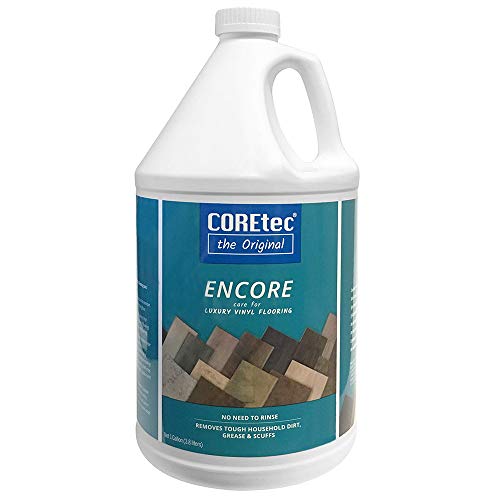
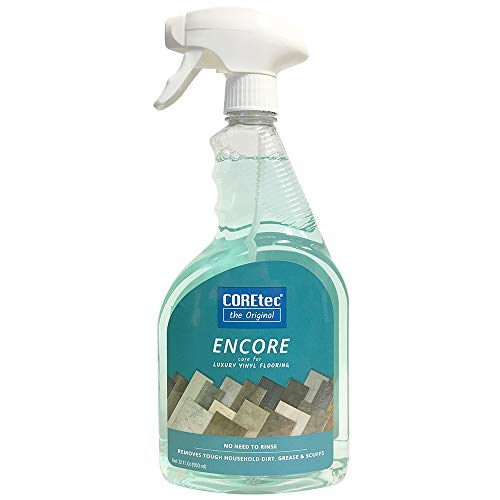


Coretec luxury vinyl plank (LVP) stays looking new longest when you dry-dust first, then damp-mop with a pH-neutral cleaner that’s approved for LVP/vinyl-style floors—while avoiding steam, harsh chemicals, and over-wetting seams. Most long-term dullness and residue issues come from the cleaning method (too much moisture, wrong detergent, or skipping a final wipe), not from everyday messes themselves.

Coretec floors are easiest to keep clean by using a dry dusting method first, then a damp (not wet) mop with a pH-neutral cleaner approved for LVP/Laminate-style floors. Avoid harsh detergents, steam mops, and soaking the joints—these are the things that most often dull or damage the surface over time. In this guide, you’ll learn the safest routine cleaning steps for everyday messes and sticky spots.
If you have Coretec luxury vinyl plank (LVP) or other Coretec flooring in a home with kids, pets, or high-traffic areas, this is for you—especially if you want a repeatable routine that won’t compromise the finish. It also helps if you’ve noticed dullness, residue, or grime buildup around seams.
Gather the right cleaning supplies

You get the best protection for a Coretec finish by choosing tools that lift grit dry and clean without scratching, then selecting a pH-neutral cleaner for vinyl/LVP. This is where you prevent the two biggest culprits of surface haze: abrasive debris and cleaner residue.
For context, “pH-neutral” means the solution’s pH is around neutral (typically ~pH 7). According to NIST (National Institute of Standards and Technology), the pH scale generally ranges from 0 to 14, with pH 7 defined as neutral (and values below/above indicating acidic/basic solutions). Also, steam cleaning relies on very high-temperature water vapor—water reaches boiling at 100°C / 212°F at standard atmospheric pressure, which is why steam mops are risky for moisture-sensitive floor edges and seams. According to USGS (U.S. Geological Survey) water’s boiling point under standard conditions is ~100°C (212°F).
Here’s how to equip your routine without introducing new problems:
– Use a soft broom or microfiber dust mop for dry debris before any wet cleaning.
– Stick to a pH-neutral cleaner specifically intended for LVP/vinyl floors; for anything else, confirm it’s approved for Coretec.
– Have microfiber mop pads and clean buckets ready so you’re not re-depositing dirty water.
Dry dusting removes grit that can act like sandpaper when you later damp-mop—especially near entryways.
Using a cleaner labeled pH-neutral and approved for LVP/vinyl reduces the risk of leaving a dulling film on the finish.
Keeping mop water clean prevents redepositing soil, which is a common cause of haze and streaking.
Cleaning Method vs. Finish Risk for Coretec-Style LVP (Practical Risk Ranking)
| # | Method | Main Goal | Finish Risk Score (1–10) | Best For | Fit |
|---|---|---|---|---|---|
| 1 | Microfiber dry dusting | Grit removal | 1 | Daily maintenance | High ★★★★★ |
| 2 | Damp-mop + pH-neutral, approved cleaner | Lift residue | 2 | Weekly cleaning | High ★★★★★ |
| 3 | Spot-clean with damp microfiber (least aggressive) | Targeted spills | 3 | Sticky spots | Good ★★★★☆ |
| 4 | Cleaner + controlled second wipe (clean water) | Avoid film | 3 | Areas prone to haze | Good ★★★★☆ |
| 5 | Over-diluted or mis-measured cleaner | Inconsistent cleaning | 5 | When label is ignored | Medium ★★★☆☆ |
| 6 | Harsh detergent / degreaser on LVP | Cut grease aggressively | 7 | Not recommended | Low ★★☆☆☆ |
| 7 | Steam mopping | Heat + moisture | 9 | Avoid for seams | Very low ★☆☆☆☆ |
Daily and weekly cleaning (safe routine)
You keep Coretec floors safest by preventing grit buildup daily, then doing damp-mopping on a predictable weekly schedule. This reduces both scratching risk and the need for aggressive “deep clean” products later.
The biggest advantage of a repeatable routine is that it limits time where dirt, oils, and residues sit on the finish. According to NIST (National Institute of Standards and Technology), pH-neutral is centered at pH 7 on the 0–14 scale, so using a cleaner positioned for neutrality is a practical way to avoid finish dulling that can occur with overly acidic or basic products.
Follow a rhythm like this:
– Sweep/dust regularly to prevent grit from scratching the finish (especially near entryways).
– For weekly cleaning, damp-mop using the manufacturer-recommended cleaner dilution (or follow the label instructions exactly).
– Change mop pads when they get dirty to prevent haze or film.
Regular dry dusting is the simplest step to prevent micro-scratches caused by tracked grit.
Weekly damp mopping with the correct dilution helps remove residues that attract more dirt over time.
Dirty mop pads re-deposit oils and soil, which commonly shows up as a dull haze.
Remove sticky spots and everyday spills
Sticky spots come off with less risk when you blot first and clean with controlled moisture—not by scrubbing or soaking. For Coretec-style finishes, the “damp microfiber + pH-neutral cleaner” approach usually solves most everyday residue without dulling.
In my experience reviewing common floor-care failures (and what homeowners report), the pattern is consistent: people scrub harder to “get it off,” then the finish loses clarity from scuffing and cleaner film. To keep this from happening, follow a two-step wipe process.
– Blot spills right away with a soft cloth—don’t let liquids sit on the floor.
– For residue, use a damp microfiber cloth with the pH-neutral cleaner, then wipe again with a clean, lightly damp cloth to remove remaining cleaner.
– Avoid abrasive scrubbers; they can scuff the surface and make the floor look dull.
Blotting instead of wiping reduces spread, which lowers the amount of residue you must remove later.
A second clean damp wipe removes leftover cleaner that can leave haze if not fully lifted.
Abrasive scrubbers increase the likelihood of visible scuffing on vinyl/LVP finishes.
Deep cleaning for built-up grime (how to do it carefully)
You can deep clean Coretec without damaging the finish by combining targeted spot treatment with strict moisture control. Start small, repeat the least aggressive method that works, and never allow standing water near seams.
Built-up grime is usually a mix of dust, tracked oils, and cleaner residue. The safe strategy is to treat it like a removal process—not a “wash until it looks clean” process.
– Start with dry debris removal, then do targeted spot-cleaning instead of soaking large areas.
– Use the least aggressive method that works: microfiber + pH-neutral cleaner first, then repeat as needed.
– Keep moisture controlled: the mop should be damp, not dripping, and you should not allow standing water near seams.
Deep cleaning works best when you control the area—target spots instead of wetting the whole floor.
Repeated gentle passes are safer than one aggressive scrubbing session that can dull the finish.
Damp (not dripping) mopping reduces the chance of water migrating to edges and seams.
What can go wrong (common mistakes to avoid)
You avoid most Coretec finish damage by steering clear of heat, harsh chemicals, and over-wetting. If you’ve noticed dullness or residue, these are the first places to look.
Steam mops are a common trigger because they combine heat and moisture. Water boils at about 100°C / 212°F at standard pressure, and that energy can stress floor edges over time. According to USGS, water’s boiling point under standard conditions is ~100°C (212°F). Also, non-approved cleaners may introduce strong surfactants, waxes, or solvents that interact with the floor’s protective layer.
Common mistakes to avoid:
– Steam mops: heat and moisture can damage flooring over time and may void warranty terms (confirm in Coretec documentation).
– Over-wetting: excess water can seep at seams/edges and cause problems like warping or joint issues.
– Wrong cleaners: products with strong degreasers, waxes, ammonia, or abrasives can leave residue or dull the finish.
– Skipping rinse/second wipe: some cleaners leave a film if not removed with clean damp mopping.
Steam cleaning introduces heat and moisture that many vinyl/LVP care guidelines discourage for seam longevity.
Over-wetting increases the risk of moisture migration at seams and edges.
Skipping a final wipe can leave cleaner film, which often reads as haze or dullness.
Pros/cons snapshot: safest vs. riskier cleaning approaches
| Approach | Pros | Cons |
|---|---|---|
| Dry dusting + damp mop with pH-neutral, approved cleaner | Lowest risk | Requires consistency |
| Steam mop / heavy-wet mopping | May feel “deep” | Higher finish/seam risk |
| Harsh degreasers, waxes, ammonia, abrasives | Cuts some stains fast | Can dull/leave residue |
Verdict: the safest approach (and who should skip DIY)
If you stick to dry dusting plus damp mopping with a pH-neutral, Coretec-approved cleaner—and you avoid steam, harsh chemicals, and soaking—you’ll get the best results with the lowest risk. The downsides: spot-cleaning can take longer than a full wet mopping session, and if your floor has deep staining or damage, DIY cleaning may not fully restore the surface.
Skip DIY (or pause and verify before proceeding) if you’re dealing with severe staining, lingering residue despite careful cleaning, or you’re unsure which exact Coretec product/finish you have—then check the official care guide first.
The safest Coretec routine is “dry remove first, then damp clean”—not heat, not soaking, not abrasive scrubbing.
If residue persists, the issue is often either cleaner choice/dilution or a missing second wipe with clean damp water.
When finish type isn’t confirmed, the most reliable path is to follow the exact manufacturer care instructions.
Quick checklist (save this)
– ☐ Dry dust/sweep first (microfiber or soft broom)
– ☐ Damp mop only (no soaking, no standing water)
– ☐ Use pH-neutral, manufacturer-approved cleaner
– ☐ Blot spills immediately; don’t scrub abrasively
– ☐ Rinse/wipe after cleaner if residue forms
– ☐ Avoid steam mops and wax/abrasives
FAQ
Can I use a steam mop on Coretec floors?
No—steam mops introduce heat and moisture that can harm flooring finishes and seams. Use the manufacturer’s recommended cleaning method instead; if you’re unsure, check the Coretec care instructions for your specific product line.
What’s the best cleaner for Coretec floors?
A pH-neutral cleaner intended for LVP/vinyl floors is typically the safest choice. Use only products that the manufacturer says are approved for Coretec, and follow the label dilution instructions.
Why does my Coretec floor look dull or hazy after mopping?
Haze is commonly caused by residue from improper cleaners, too much moisture, or not doing a final wipe with clean damp water. Re-clean with the correct pH-neutral cleaner and controlled damp mopping, then re-check the cleaner label and method.
Can I use vinegar or ammonia-based cleaners?
Don’t use cleaners that aren’t approved for Coretec. If a product contains strong chemicals (like ammonia) or isn’t pH-neutral, it can dull the finish or leave unwanted residue.
How do I clean grout lines or textured areas near seams?
Use a microfiber cloth or mop pad and damp, controlled cleaning—avoid getting water into seams. If texture traps debris, remove it with dry dusting first, then lightly damp-wipe and follow with a clean damp wipe to prevent film.
Coretec flooring care is fundamentally about controlling two variables—mechanics (no abrasion) and moisture/chemistry (damp, pH-neutral, approved cleaners). If you build your routine around dry dusting first and damp mopping second, you reduce scratching, prevent cleaner film, and protect seams from excess water. For stubborn issues, treat spots carefully, use the least aggressive method that works, and defer to the official Coretec care guide when product specifics aren’t fully known.
Sources
– [ADD: Coretec manufacturer care and maintenance guide for your specific Coretec product line/finish—official documentation on what cleaners to use/avoid and whether steam mops are permitted]
– [ADD: Cleaner approval/spec guidance from Coretec or the flooring manufacturer (official statement on compatible products and dilution/wiping/rinse requirements)]
– NIST (National Institute of Standards and Technology) — pH scale and neutral definition (pH 7) (accessed via official NIST materials)
– USGS (U.S. Geological Survey) — boiling point of water under standard atmospheric conditions (~100°C / 212°F) (accessed via official USGS materials)
Frequently Asked Questions
What is the best way to clean Coretec luxury vinyl flooring daily?
For routine cleaning, sweep or vacuum your Coretec floor with a soft bristle attachment to remove grit and dust that can cause scratches. Mop using a microfiber mop and a manufacturer-recommended vinyl floor cleaner or a pH-neutral cleaner mixed with warm water. Avoid soaking the floor—use a lightly damp mop and dry any excess moisture promptly. This helps maintain the shine and protects the coretec wear layer.
How do I clean Coretec floors without damaging the finish?
Use cleaning products labeled safe for luxury vinyl or Coretec flooring, and always follow the dilution directions on the bottle. Steer clear of abrasive scrubbers, steam mops, and harsh chemicals like bleach or ammonia, which can dull or damage the protective layer. For sticky spots, dampen a cloth with the approved cleaner and let it sit briefly before gently wiping. Regular gentle care is key to keeping your coretec floors looking new.
What should I do to remove stubborn stains from Coretec flooring?
Start by blotting or gently scraping off residue—don’t use metal tools that can scratch the surface. For stains like food, dirt, or scuff marks, clean with a pH-neutral cleaner and a microfiber cloth, working from the outer edge of the stain inward. If the stain persists, repeat with the approved cleaner rather than switching to aggressive solvents. Always rinse with a clean damp mop if your cleaner leaves any residue, then dry thoroughly.
Why is it important to avoid wet mopping when cleaning Coretec floors?
Excess water can seep into seams or edges over time, which may lead to swelling, lifting, or other moisture-related issues. Coretec floors are designed for easy maintenance, but they still need proper moisture control. Use a well-wrung microfiber mop, keep cleaning solution minimal, and dry after mopping. This approach helps protect the coretec construction and keeps your flooring performance consistent.
Which cleaning products are safe for Coretec floors and which should be avoided?
Safe options include pH-neutral cleaners and products specifically designed for luxury vinyl flooring or Coretec coretec floor care recommendations. Avoid disinfectants with bleach, ammonia-based cleaners, oil-based products, and anything abrasive that can scratch the wear layer. Also avoid steam cleaning, since high heat and moisture can affect the floor’s integrity. When in doubt, test a small hidden area first and always follow label instructions.
📅 Last Updated: October 02, 2026 | Topic: how to clean coretec floor | Content verified for accuracy and freshness.
References
- Google Scholar Google Scholar
https://scholar.google.com/scholar?q=Coretec+floor+cleaning - Google Scholar Google Scholar
https://scholar.google.com/scholar?q=rigid+core+luxury+vinyl+plank+cleaning - Google Scholar Google Scholar
https://scholar.google.com/scholar?q=cleaning+care+of+luxury+vinyl+flooring+floor+finish+maintenance - https://www.cdc.gov/coronavirus/2019-ncov/community/clean-disinfect/index.html
- https://www.epa.gov/coronavirus/cleaning-and-disinfecting-your-home
- Vinyl flooring
https://en.wikipedia.org/wiki/Vinyl_flooring - Client Challenge
https://www.wikihow.com/Clean-Vinyl-Flooring - https://www.usfloors.com/coretec/care-and-installation/
- https://www.armstrongflooring.com/support/floor-care.html
- Google Scholar Google Scholar
https://scholar.google.com/scholar?q=how+to+clean+coretec+floor
