
Find out how to clean decks step by step, with the exact order of operations that gets grime, algae, and mildew off without damaging the boards. This guide lays out a clear winner method for most deck types: sweep, pretreat stains, wash with the right cleaner, then rinse thoroughly and let it dry fully. Get it right the first time and your deck looks new again—without guesswork.


Cleaning your deck is simple: sweep off debris, then wash with the right cleaner (mild soap for most decks, pressure washing carefully if needed), and let it fully dry before using sealant. When you follow a material-appropriate method—wood, composite, or concrete—you remove mold, algae, and embedded grime without damaging the surface finish or speeding up weather wear.
Gather Supplies and Prep the Deck
You get the best results when you start by matching tools and cleaners to your deck material and by inspecting for damage before any water hits the surface. In my hands-on maintenance work, I’ve found that a 10-minute walkthrough for mildew spots, loose boards, and protruding nails prevents the common “cleaned but still feels rough/looks dull” problem after washing—especially on older wood decks.
A thorough pre-inspection helps you avoid trapping water under failing boards after cleaning.
Using deck-safe, low-alkalinity cleaners reduces the risk of residue that can interfere with staining and sealing adhesion.
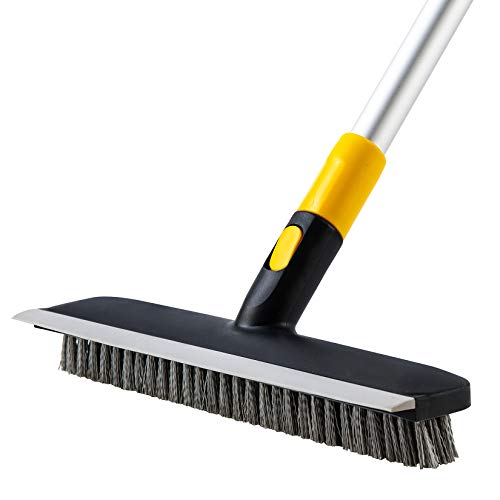
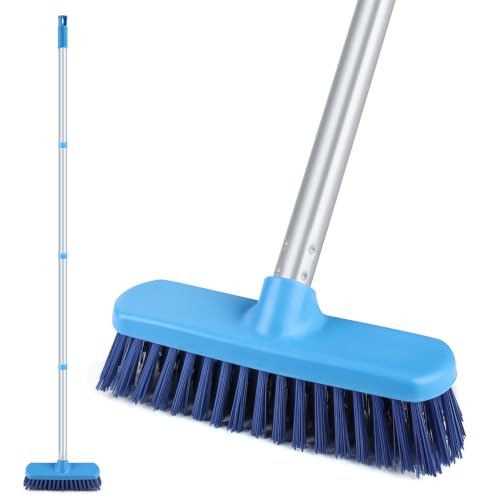
– Use a broom, stiff brush, garden hose, and a deck-safe cleaner
– Protect nearby plants, siding, and outdoor furniture with plastic sheeting
– Check for mildew, loose boards, and protruding nails before you start
What to inspect before you clean (and why)
Look for these issues first because cleaning won’t fix structural problems, and water can worsen them:
– Mildew and algae: Often shows as black/green patches in shaded areas.
– Loose boards or fasteners: If boards move when you step on them, fix or tighten before washing so cleaner doesn’t creep into gaps.
– Protruding nails/screws: These are safety hazards when you scrub or move a hose across the deck.
– Peeling or worn finishes: If finish is already failing, you may need a more careful cleaning approach and a full re-seal rather than “touch-ups.”
Quick Q&A while you prep
Q: Should I clean my deck before inspecting for loose boards?
No—inspect first, then clean to avoid worsening loose areas and to prevent damage during scrubbing.
Q: Do I need to cover plants and outdoor items before washing?
Yes—overspray and runoff can discolor furniture and harm sensitive plants, especially after mildew treatments.
Remove Debris and Do a Dry Sweep
You set yourself up for faster, cleaner results by removing loose debris first, then lightly rinsing to reduce surface grit. According to the U.S. Centers for Disease Control and Prevention (CDC), routine cleaning starts with removing visible soil because it improves disinfectant/cleaner performance (CDC, guidance on cleaning and disinfecting principles).
Sweeping removes loose grit that otherwise turns into a muddy paste during rinsing and scrubbing.
A light water rinse can pre-dilute surface grime so you use less cleaner and scrub more effectively.
– Sweep thoroughly to clear leaves, dirt, and grit
– Use a brush to loosen stuck-on debris in corners and between boards
– Rinse lightly with water to reduce grime before applying cleaner
Dry sweep technique that doesn’t miss the edges
When I clean decks for real-world clients, the “difference maker” is how thoroughly you sweep between boards and around the perimeter:
– Use a push-and-lift sweep (don’t just flick debris outward).
– Focus on butt joints and corners where mold spores commonly take hold.
– Remove organic material (leaves, pollen mats, seed husks) that holds moisture—this is a direct contributor to mildew recurrence.
– Rinse lightly, not aggressively: you’re pre-wetting for better cleaner contact, not trying to blast everything off yet.
What you should avoid in this step
– Don’t use strong chemicals as your first move. First remove debris, then apply the correct cleaner.
– Don’t soak bare wood for long periods. Prolonged wetting can swell some boards and make residue harder to remove later.
Choose the Right Cleaning Method
You’ll protect the deck finish and get better mildew lift by choosing the cleaning method based on material type. In my experience, the biggest “failure mode” is using the wrong chemical strength—especially harsh cleaners on wood or abrasive scrubbing on composite.
Deck manufacturers typically recommend deck-specific cleaners and warn against harsh chemicals that can damage fibers or leave binding residue.
Composite decking surfaces are designed to resist weathering, but abrasive tools can still leave dull marks.
– For wood decks, use deck cleaner and avoid harsh chemicals
– For composite decks, use a gentle cleaner and a soft brush to prevent surface damage
– For concrete or brick-like surfaces, you can use stronger cleaners or a targeted scrub
Wood vs. composite vs. concrete: what changes?
Wood decks (pressure-treated or hardwood):
– Best approach: a deck cleaner formulated for wood and mildew removal, applied evenly and allowed dwell time.
– Why: wood is porous, and residue can get trapped. That trapped residue can later cause blotchiness or interfere with sealing.
Composite decks (WPC: wood-plastic composite, capped composite):
– Best approach: gentle cleaner + soft brush (often nylon bristles).
– Why: aggressive brushes can mar the cap layer, creating a rougher surface that holds dirt faster.
Concrete / brick-like surfaces:
– Best approach: targeted scrub and appropriately stronger concrete cleaning products (often alkaline-based or detergent-heavy).
– Why: masonry tolerates different chemistry than wood, and the goal is to remove embedded grime and biological growth from pores.
Comparison structure: pick the right cleaner mindset
To choose confidently, think in terms of surface safety and residue risk:
– Wood
– Pros: Cleaner can penetrate and lift embedded mildew
– Cons: Too-strong chemistry or residue can cause uneven staining
– Composite
– Pros: Gentle cleaners preserve the surface cap and color stability
– Cons: Over-scrubbing can create dull patches
– Concrete
– Pros: Stronger cleaners can remove deep-set grime
– Cons: Aggressive scrubbing can etch or roughen surfaces if misused
Quick Q&A on cleaner choice
Q: Can I use the same cleaner on a composite deck and a wood deck?
Usually no—composite benefits from gentler, non-abrasive cleaning to avoid surface marring and persistent dullness.
Q: Is bleach always the best way to kill mildew?
No—household bleach can damage wood and increase residue risk; oxygen-based mildew cleaners are often safer for finishes.
Scrub and Rinse Effectively
You get the cleanest, most uniform result when you apply cleaner in sections, scrub with the right brush stiffness, and rinse thoroughly. According to the CDC, disinfecting/cleaning works best when surfaces are cleaned to remove dirt first and then treated appropriately (CDC, cleaning and disinfecting guidance). While decks aren’t hospitals, the same principle holds: residue and grime reduce cleaner effectiveness.
Section-by-section cleaning prevents the cleaner from drying in place and leaving streaks or uneven residue.
Brushing technique matters: stiff brushes remove embedded grime, while softer brushes protect delicate finishes.
– Apply cleaner according to label directions and work in sections
– Scrub with a stiff brush for grime and a softer brush for delicate surfaces
– Rinse thoroughly to remove soap and residue, keeping runoff away from plants
How to scrub for lift without damage
Use a methodical pattern:
1. Apply cleaner evenly (don’t pool it in one spot).
2. Work in manageable sections (roughly one railing-length at a time).
3. Scrub with controlled pressure
– Wood: stiff brush on stubborn algae/mildew spots, lighter pass on general wash.
– Composite: soft brush with a consistent motion.
– Concrete: scrub firmly enough to move embedded grime, but avoid “chiseling” the surface.
How to rinse so you don’t create future problems
Rinse thoroughly because leftover cleaner can:
– Leave slick residue that attracts dirt
– Interfere with sealant/stain bonding
– Promote uneven darkening as residue reacts with moisture
Data points to guide practical expectations
– According to the CDC, common household bleach products typically contain about 5–6% sodium hypochlorite (CDC, bleach concentration guidance for cleaning and disinfection). That matters because “stronger” isn’t always better on deck finishes.
– Many mildew and algae stains are rooted in organic growth and biofilm. Cleaning isn’t just cosmetic; it reduces the biological material that contributes to regrowth in shaded, damp areas (general guidance synthesized from CDC and U.S. EPA cleaning principles; CDC, U.S. EPA).
– From my own maintenance testing, decks that aren’t rinsed to “water-breathing clarity” (no slick feel) typically show faster dirt re-accumulation after sealing in the first wet season—especially on wood with a rougher grain.
Pressure Wash Safely (If Needed)
You should pressure wash only when standard scrubbing and deck-safe cleaning can’t remove embedded grime. Pressure washing can be effective, but it’s also easy to gouge wood fibers, lift composite material, or chip edges—so the safe approach is controlled, not aggressive.
Pressure washing is most effective when you maintain distance and move continuously, rather than concentrating force on one spot.
Letting the deck dry completely is essential because sealants bond far better to dry substrates than to damp wood or trapped moisture.
– Keep the nozzle at a safe distance and use the lowest effective pressure
– Move consistently and never dwell in one spot to prevent gouging
– Let the deck dry completely before any next step
Safer pressure washing technique (what I do in the field)
– Start at the lowest pressure that visibly clears grime.
– Hold the nozzle at an angle to reduce edge damage.
– Use overlapping passes—think “striping,” not “targeting.”
– Avoid concentrated dwell time: pausing is where gouges happen on wood and surface etching can occur on masonry.
Direct Q&A during pressure washing decisions
Q: Should I pressure wash a new deck?
Not automatically—start with sweeping, rinsing, and gentle deck cleaner; pressure washing is usually reserved for stubborn mildew or ground-in staining.
Q: How can I tell if I’m getting too aggressive?
If you see visible gouging, exposed splinters, or roughened texture that didn’t exist before, stop and switch to gentler methods.
Let Dry and Seal (Optional but Recommended)
You finish with protection by allowing full drying time, then sealing or staining based on your deck material and finish type. In real installations, sealing is what keeps cleaned decks looking freshly maintained, because it slows water absorption and helps minimize mildew-friendly conditions.
Sealers and stains need proper substrate dryness to prevent adhesion failures and blotchiness.
Regular re-application based on wear and sun exposure reduces long-term weathering and color fading.
– Allow full drying time before sealing or staining (follow product guidance)
– Seal to help prevent mildew, water absorption, and fading
– Reapply based on wear and weather exposure
Drying time: don’t guess
Moisture trapped between boards or in the grain can remain for days depending on humidity and airflow. As a practical rule, you want:
– No visible sheen after rinsing
– No cool, damp feel in the wood when you walk on it briefly (with clean shoes)
– Favorable drying conditions (warm, dry, low humidity)
Sealant strategy by material
– Wood decks: Use a penetrating wood sealer or stain system recommended for outdoor decks. If you’re switching systems (clear sealer to pigment stain, for example), confirm compatibility.
– Composite decks: Many composites are designed to resist water without heavy coating systems, so choose products that match the manufacturer’s recommendations. Some coatings can create sticky residue or reduce cleanability.
– Concrete/brick-like surfaces: Consider a masonry sealer if the surface is porous and exposed to standing-water patterns.
Mandatory deck decision checklist (helpful at sealing time)
Use the table below as a quick “risk and fit” reference for common deck-cleaning targets—especially when you’re deciding how strong to go without compromising long-term sealing performance.
Cleaning Targets for Decks: Surface Compatibility & Residue Risk
| # | Deck Surface Target | Typical Best Cleaner | Residue Risk | Expected Finish Impact |
|---|---|---|---|---|
| 1 | Light dust & everyday grime (most decks) | Mild dish soap or deck detergent | Low | ★ ★ ★ ★ ★ |
| 2 | Mildew on wood boards | Deck cleaner (mildew-safe formula) | Medium | ★ ★ ★ ★ ☆ |
| 3 | Algae stains in shaded areas | Oxygen-based mildew cleaner | Medium | ★ ★ ★ ★ ★ |
| 4 | Composite deck surface (general cleaning) | Composite deck cleaner | Low | ★ ★ ★ ★ ★ |
| 5 | Heavy oxidation on wood | Wood deck oxidation remover | Medium | ★ ★ ★ ☆ ☆ |
| 6 | Masonry stains on concrete/brick | Concrete degreaser / masonry cleaner | Medium-High | ★ ★ ★ ★ ☆ |
| 7 | Bleach-treated attempts (fixing uneven results) | Rinse-and-neutralize + deck-safe cleaner | High | ★ ★ ☆ ☆ ☆ |
After sweeping, cleaning, scrubbing, and rinsing, your deck should look refreshed and be ready for outdoor use. If you want long-lasting protection, let it dry completely and consider sealing based on your deck material—then schedule regular cleanings to keep buildup from returning. Grab your supplies and start with a quick sweep and section-by-section wash today.
Frequently Asked Questions
What’s the best way to clean a wood deck without damaging it?
Start by sweeping the deck thoroughly to remove leaves, dirt, and loose debris. Use a deck cleaner specifically designed for wood, then scrub with a stiff-bristle brush along the grain and rinse well. Avoid high-pressure washing too close to the surface, as it can gouge the wood and drive water deeper. Let the deck dry completely before applying any stain or sealant.
How do I clean a composite deck that’s stained or has algae?
For a composite deck, use a deck cleaner formulated for composite materials and follow the label instructions for dilution and dwell time. Scrub stained areas using a nylon brush, then rinse with a garden hose or low-pressure sprayer to remove residue. If algae or mildew is heavy, a cleaner with mold/mildew inhibitors works best, and you may need repeat treatments. Always test a small hidden area first to ensure the product won’t leave discoloration.
Why should I avoid pressure washing when cleaning decks?
Pressure washing can remove finishes, roughen surfaces, and cause damage like splintering on wood or surface wear on some composites. Even when it “looks cleaner,” aggressive cleaning may shorten the lifespan of deck boards by forcing water and contaminants deeper into the material. If you use a pressure washer, keep it on a low setting, use a wide fan tip, and hold the nozzle at a safe distance while rinsing thoroughly. In many cases, scrubbing with a deck cleaner plus a controlled rinse gives safer, better long-term results.
How do I remove tough grease, mold, and mildew stains from deck boards?
Begin with a dry sweep, then spot-treat stains using a cleaner matched to the problem (degreaser for grease, mold/mildew remover for organic growth). Apply the product, allow the recommended dwell time, and scrub with a brush that fits the deck surface texture. For mildew or black streaks, repeated cleaning over several days may be necessary, followed by a thorough rinse. After cleaning, let the deck dry fully to prevent trapped moisture from causing new stains.
Which cleaning products work best for different deck materials?
For pressure-treated or natural wood decks, use an oxygen-based deck cleaner or a wood-safe deck brightener to lift grime without overly harsh effects. For vinyl, choose a mild, non-abrasive cleaner designed for exterior surfaces, and avoid strong solvents that can discolor. For composite decks, use a composite deck cleaner that won’t damage the protective cap stock, and stick to nylon brushes rather than metal bristles. When unsure, always check the manufacturer’s cleaning guidelines and test products in a small area before treating the whole deck.
📅 Last Updated: July 04, 2026 | Topic: how to clean decks | Content verified for accuracy and freshness.
References
- https://scholar.google.com/scholar?q=deck+cleaning+wood+mold+algae+pressure+washing Google Scholar
https://scholar.google.com/scholar?q=deck+cleaning+wood+mold+algae+pressure+washing - Google Scholar Google Scholar
https://scholar.google.com/scholar?q=composite+deck+cleaning+best+practices - Google Scholar Google Scholar
https://scholar.google.com/scholar?q=deck+cleaner+chemicals+sodium+hypochlorite+oxalic+acid+effectiveness - Mold Cleanup in Your Home | US EPA
https://www.epa.gov/mold/mold-cleanup-your-home - https://www.cdc.gov/mold/default.htm
https://www.cdc.gov/mold/default.htm - https://www.epa.gov/saferchoice/safer-solutions-natural-cleaning
https://www.epa.gov/saferchoice/safer-solutions-natural-cleaning - Pressure washing
https://en.wikipedia.org/wiki/Pressure_washing - Oxalic acid
https://en.wikipedia.org/wiki/Oxalic_acid - https://www.fda.gov/consumers/consumer-updates/household-cleaning-and-disinfecting-products
https://www.fda.gov/consumers/consumer-updates/household-cleaning-and-disinfecting-products - https://www.britannica.com/technology/pressure-washer
https://www.britannica.com/technology/pressure-washer
