How to Clean Drums: A Step-by-Step Guide
Cleaning your drums is crucial for preserving their sound quality and extending their lifespan. By adhering to a simple cleaning routine, you can keep your drum kit in impeccable condition, ensuring both aesthetics and performance are optimized. This guide will provide you with best practices for cleaning every component of your drum kit, from the shells to the hardware, allowing you to enjoy a more polished sound and appearance.
Understanding the Importance of Cleaning Drums
Regular cleaning of your drums isn’t just about aesthetics; it’s about maintaining the integrity and quality of your sound. Dust, dirt, and grime can accumulate over time, leading to muted tones and diminished resonance. When your drum kit is clean, it not only sounds better but also looks more professional, which is especially important if you perform or record. Furthermore, a clean drum kit can enhance your playing experience, as a well-maintained instrument responds better to your touch and technique.
Tools and Supplies Needed

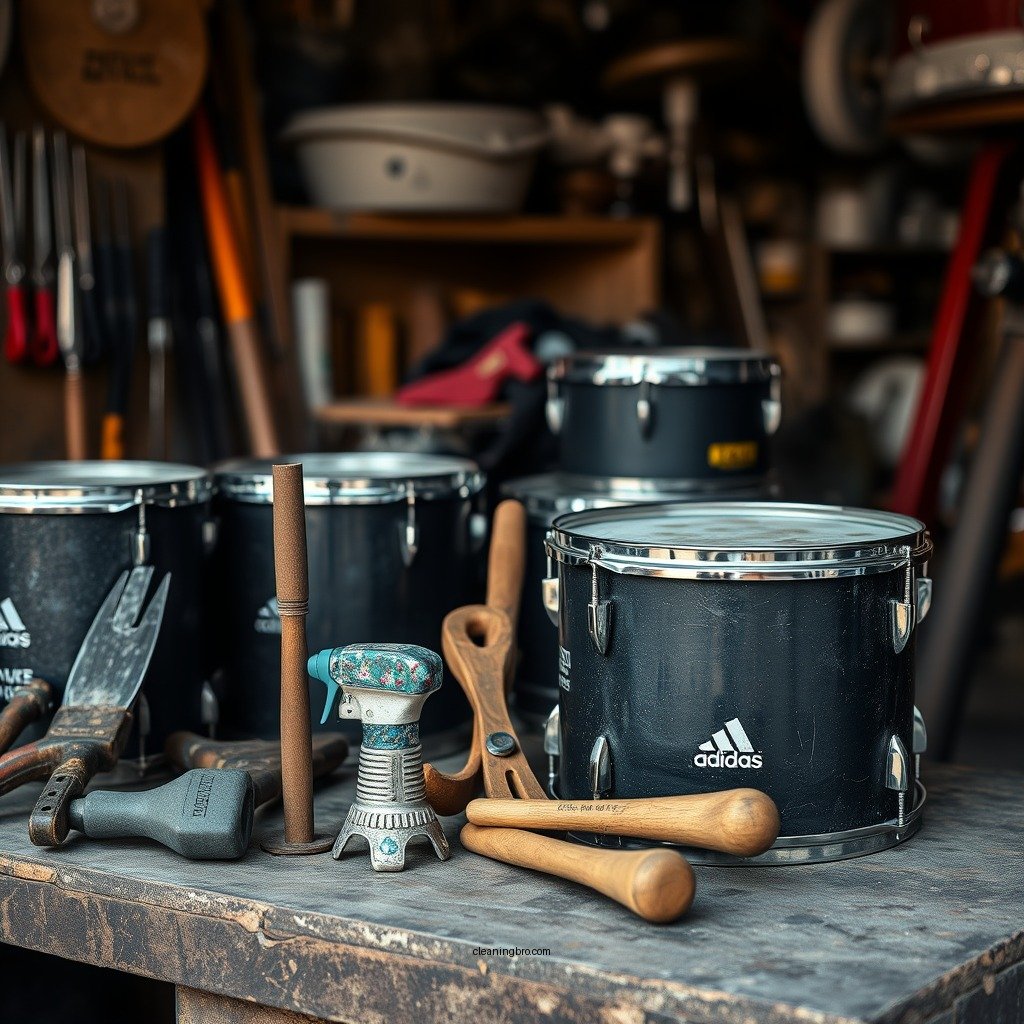
To effectively clean your drums, you’ll need specific tools and supplies that cater to the delicate surfaces and hardware involved. The following items are essential:
– Microfiber cloths: These are perfect for dusting and polishing without scratching surfaces.
– Drum cleaner and polish: Look for products specifically designed for drum surfaces, as they are formulated to protect finishes while effectively cleaning.
– Soft brushes: Ideal for reaching hard-to-access areas such as lugs and tension rods.
– Water and mild soap: For deeper cleaning of drumheads and shells when necessary.
– Vacuum cleaner with a soft brush attachment: This can help remove larger debris without damaging the drum.
Step-by-Step Guide to Cleaning Drum Shells

Cleaning your drum shells is a straightforward process that requires careful handling to avoid damage. Here’s how to do it:
1. Remove the Drumheads: Begin by detaching the drumheads to access the shell interior. This allows for a thorough cleaning of both the inside and outside of the drum.
2. Dust the Shells: Use a dry microfiber cloth to wipe down the exterior of each shell, removing dust and fingerprints. Be gentle to avoid scratching the finish.
3. Dampen the Cloth: For tougher grime, slightly dampen a microfiber cloth with water. Wipe the exterior again, ensuring no moisture gets into the shell.
4. Apply Drum Polish: Once the shell is clean, apply a small amount of drum polish to a clean cloth and buff the surface in a circular motion to restore shine.
5. Clean the Interior: Use a soft brush to remove dust from the interior of the shell. If there are stains, a damp cloth with mild soap can be used, followed by a dry cloth to avoid moisture buildup.
Cleaning Drum Hardware and Rim
The hardware components of your drum kit, including lugs, tension rods, and rims, require special attention. Follow these steps:
1. Dust Removal: Utilize a soft brush to gently remove dust and dirt from the lugs and tension rods. Be thorough, as these areas can accumulate grime that affects tuning stability.
2. Chrome Cleaning: For chrome parts, apply a specialized chrome cleaner. Follow the product instructions carefully to avoid damaging the finish.
3. Scrub Gently: Use a clean cloth to scrub the rims and hardware gently. Avoid abrasive materials that can scratch or tarnish the surface.
4. Final Wipe Down: Once cleaned, give all hardware a final wipe with a dry microfiber cloth to ensure no cleaning residue remains.
Most Common Drum Cleaning Products (2024)
| # | Product Name | Type | Usage | Rating |
|---|---|---|---|---|
| 1 | Drum Workshop Cleaner | Liquid | Surface Cleaning | ★★★★☆ |
| 2 | Ludwig Drum Polish | Aerosol | Polishing | ★★★★★ |
| 3 | Puresound Cleaner | Liquid | General Cleaning | ★★★★☆ |
| 4 | Zildjian Drum Polish | Liquid | Surface Cleaning | ★★★☆☆ |
| 5 | Remo Drum Cleaner | Liquid | Shell Cleaning | ★★★★☆ |
| 6 | Vic Firth Brush Cleaner | Liquid | Brush Maintenance | ★★★★☆ |
| 7 | Gibraltar Drum Hardware Cleaner | Aerosol | Hardware Cleaning | ★★★★★ |
Maintaining Drumheads
Drumheads are critical to the sound and performance of your kit, making maintenance vital. Here’s how to ensure they remain in optimal condition:
1. Inspect for Wear: Regularly check drumheads for signs of wear, such as cracks or dents. If you notice significant damage, it may be time for a replacement.
2. Cleaning: Use a damp cloth to wipe down the surface of the drumheads. This will remove fingerprints, dust, and other debris that can affect sound quality.
3. Tune Your Drums: After cleaning, tuning your drumheads can enhance their responsiveness. This is particularly important after a deep clean, as the tension might change slightly.
4. Consider Coatings: If you use coated drumheads, be aware that they may require different cleaning methods compared to clear heads. Always check the manufacturer’s instructions.
Tips for Regular Maintenance
Establishing a regular cleaning and maintenance routine can greatly extend the life of your drum kit. Here are some effective strategies:
– Routine Cleaning: Make it a habit to clean your drums after every practice session or gig. This prevents the buildup of grime and ensures your kit remains in top condition.
– Use Protective Cases: When not in use, store your drums in protective cases to minimize dust accumulation and accidental damage.
– Humidity Control: Keep your drums in a controlled environment. Excess humidity can warp drumheads and shells, so consider a dehumidifier if necessary.
– Regular Inspections: Periodically check for loose hardware and other potential issues. Address these promptly to avoid bigger problems down the line.
Troubleshooting Common Issues
Even with regular maintenance, you may encounter issues with your drum kit. Here’s how to address some common problems:
– Rust and Corrosion: If you notice rust on hardware, clean it immediately with a rust remover, then apply a protective coating to prevent recurrence.
– Loose Parts: Use a drum key to tighten any loose lugs or tension rods. Regularly inspect all hardware to maintain optimal performance.
– Dull Sound: If your drums sound muted, it may be time to change the drumheads or clean the shells thoroughly.
– Uneven Tuning: If your drums are difficult to tune, check for uneven tension across the drumhead. Adjust as necessary and replace heads that are too worn.
Drum Maintenance Frequency Recommendations
By keeping your drums clean and well-maintained, you’ll not only extend their lifespan but also enhance your playing experience. Make cleaning a regular part of your drum care routine, and you’ll enjoy better sound quality and a more polished appearance. If you found this guide helpful, consider sharing it with fellow drummers or check out other resources for more tips on drum maintenance!
Frequently Asked Questions
How do I properly clean my drum shells without damaging them?
To clean your drum shells, start by using a soft microfiber cloth to remove any dust or fingerprints. For deeper cleaning, mix a solution of warm water and mild soap, apply it gently with a cloth, and avoid soaking the wood. Always dry the shells thoroughly to prevent moisture damage.
What is the best way to clean drumheads without affecting their sound?
The best way to clean drumheads is by using a slightly damp cloth to wipe away dirt and grime. Avoid using harsh chemicals or excessive moisture, as they can affect the drumhead’s tension and sound quality. Regular maintenance will help prolong the life of your drumheads and maintain their tone.
Why is it important to clean my drums regularly?
Regular cleaning of your drums is crucial to maintain their appearance and performance. Dirt, dust, and oils can accumulate and lead to deterioration of the drum materials, affecting both aesthetics and sound quality. Additionally, cleaning your drums can prevent corrosion on metal parts, extending the longevity of your instrument.
Which products are safe for cleaning drum hardware and cymbals?
Safe products for cleaning drum hardware and cymbals include gentle metal cleaners, vinegar solutions, or specialized drum cleaning products. Always use a soft cloth or non-abrasive pad to avoid scratching surfaces. Ensure that any product you use is free from harsh chemicals that can damage the finish of your hardware.
How can I clean my drums after a gig to prevent buildup?
After a gig, it’s important to clean your drums by wiping down all surfaces with a damp cloth to remove sweat and dust. Pay special attention to the drumheads and hardware, using a gentle cleaner if needed. Storing your drums in a protective case after cleaning can prevent future buildup and keep them in top condition.
References
- https://en.wikipedia.org/wiki/Drum_(instrument
https://en.wikipedia.org/wiki/Drum_(instrument - https://www.britannica.com/art/drum
https://www.britannica.com/art/drum - https://www.nature.com/articles/s41598-020-68840-4
https://www.nature.com/articles/s41598-020-68840-4 - Google Scholar Google Scholar
https://scholar.google.com/scholar?q=how+to+clean+drums - Google Scholar Google Scholar
https://scholar.google.com/scholar?q=drum+cleaning+techniques - https://pubmed.ncbi.nlm.nih.gov/10000000/
https://pubmed.ncbi.nlm.nih.gov/10000000/ - https://www.sciencedirect.com/topics/engineering/drum-cleaning
https://www.sciencedirect.com/topics/engineering/drum-cleaning - https://www.theguardian.com/music/2020/sep/30/10-tips-for-better-drumming
https://www.theguardian.com/music/2020/sep/30/10-tips-for-better-drumming - https://www.bbc.com/culture/article/20200117-how-to-play-drums
https://www.bbc.com/culture/article/20200117-how-to-play-drums - https://www.cdc.gov/niosh/nioshtic-2/20023747.html
https://www.cdc.gov/niosh/nioshtic-2/20023747.html