
Cleaning tallow is an essential process for ensuring that rendered animal fat is safe and usable for culinary or crafting purposes. By following a systematic approach, you can effectively purify the tallow, removing impurities and enhancing its longevity. This guide provides you with a comprehensive step-by-step method to clean tallow, ensuring it’s ready for all your cooking and crafting needs.
Understanding Tallow and Its Uses
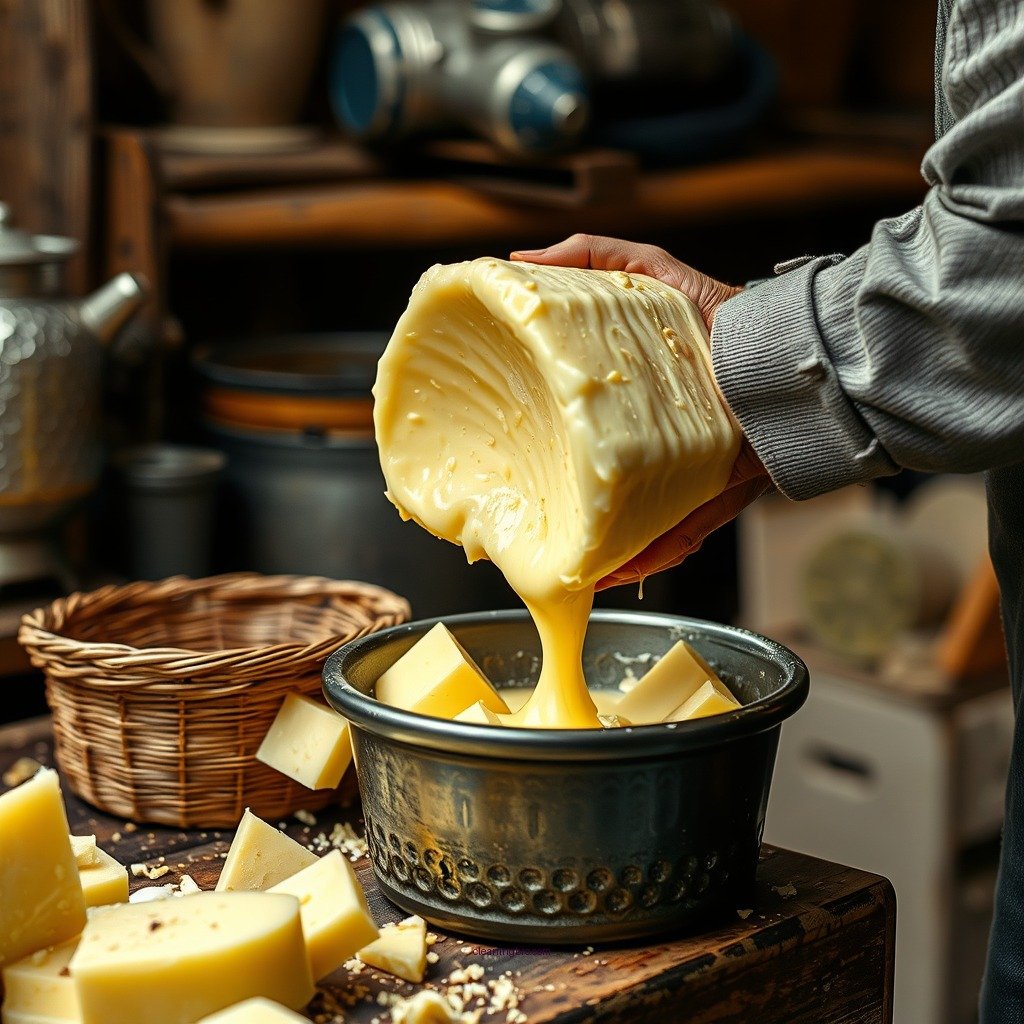
Tallow is rendered animal fat, primarily derived from beef or mutton, that has been used for centuries in various culinary applications and crafts. In cooking, tallow serves as a versatile fat for frying, baking, and roasting, offering a rich flavor profile that enhances dishes. Beyond the kitchen, tallow has found its place in soap-making, candle production, and even skin care products due to its moisturizing properties.
Understanding the diverse applications of tallow underscores the importance of cleaning it properly. Impurities can lead to off-flavors, spoilage, and undesirable textures in culinary applications. Moreover, when used in crafting, unclean tallow can compromise the quality of soaps and candles, making the cleaning process a crucial step for optimal results.
Gathering Necessary Supplies

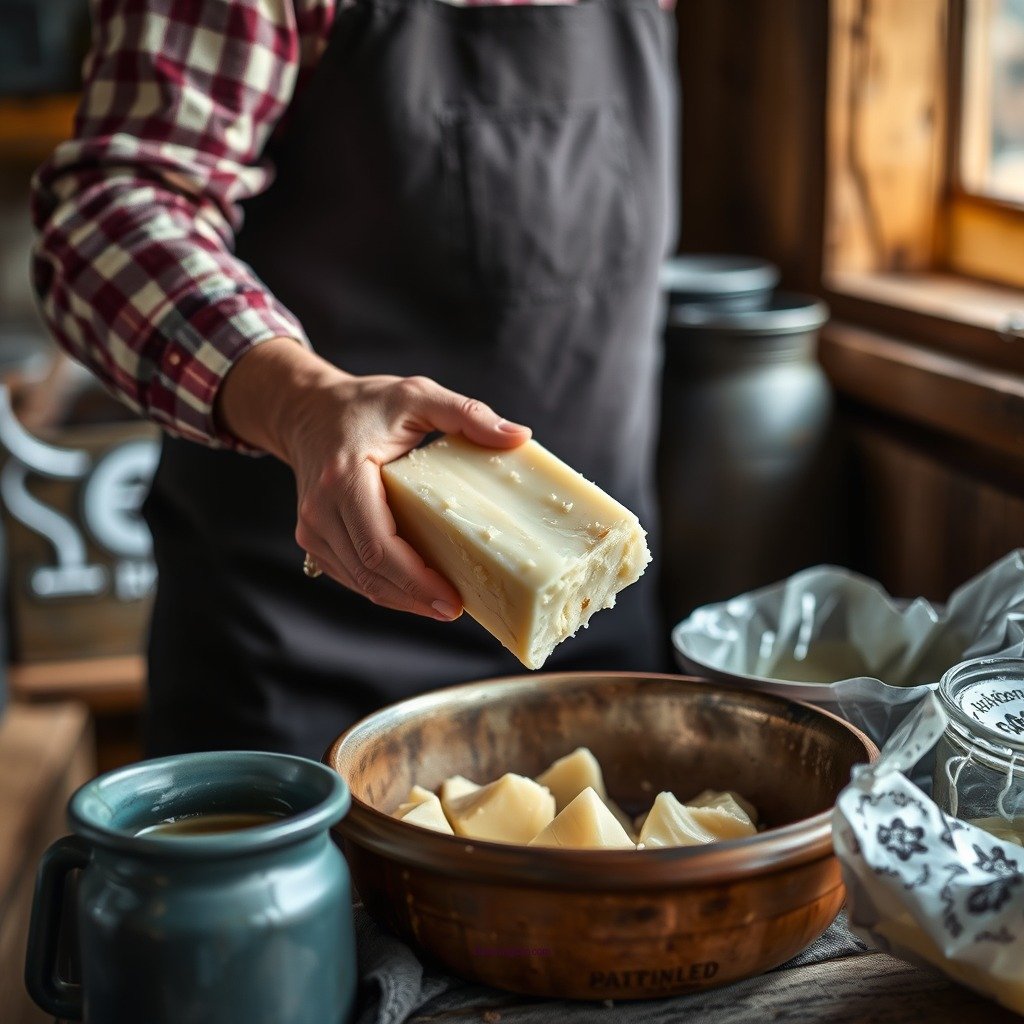
Before embarking on the cleaning process, it is vital to gather all necessary supplies. Here’s what you need:
– Fat Source: Start with high-quality animal fat, preferably from grass-fed animals to ensure better flavor and quality.
– Slow Cooker or Pot: A slow cooker is ideal for rendering fat evenly, though a heavy-bottomed pot can also work.
– Strainer: Use a fine-mesh strainer to separate solids from liquid fat.
– Cheesecloth: This is crucial for filtering out the finer impurities from the tallow.
– Storage Containers: Glass jars or plastic containers with airtight lids are perfect for storing the cleaned tallow.
Having these supplies ready will streamline the cleaning process, allowing you to focus on achieving a high-quality end product.
The Rendering Process
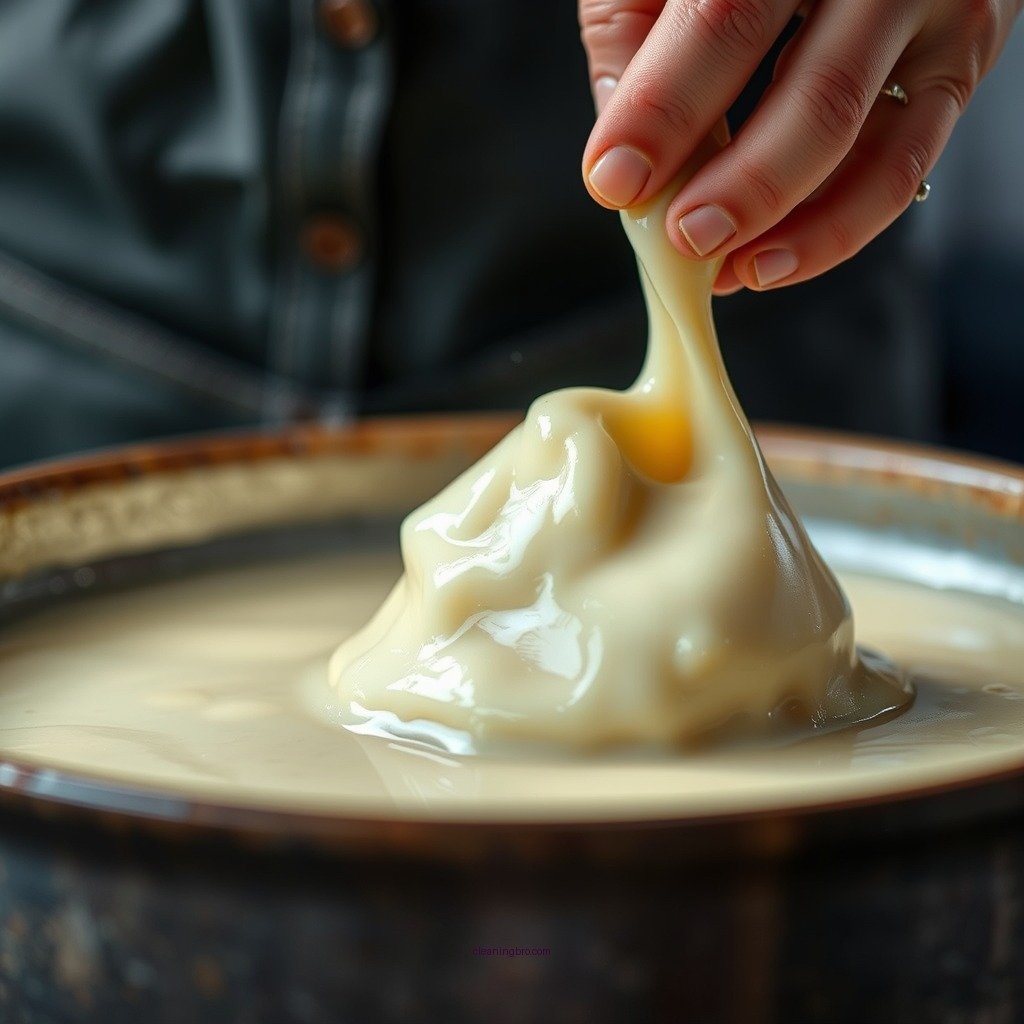
The first step in cleaning tallow is rendering the fat. Begin by cutting the fat into small, even pieces, which will help it melt uniformly. This is important because uneven pieces can lead to both burnt and unrendered fat, affecting the quality of your final product.
Once the fat is prepared, place it in your slow cooker or pot and heat it over low heat. Stir occasionally to encourage even melting and to help release any impurities trapped within the fat. The key here is patience; a slow rendering process will yield the best results, typically taking several hours. As the fat melts, you’ll notice liquid forming at the bottom and solids separating, which is a positive sign that rendering is occurring correctly.
Straining the Rendered Fat
After the fat has completely melted, it’s time to remove the impurities. Carefully pour the liquid tallow through a strainer lined with cheesecloth into another container. This step is crucial as it separates solid bits, such as connective tissue and any impurities that have surfaced during the rendering process.
Allow the liquid tallow to cool slightly before transferring it to your storage containers. Cooling helps prevent the fat from solidifying prematurely in the strainer and allows it to settle, making the straining process more efficient.
Removing Odors and Impurities
Even after straining, your tallow may still retain unwanted odors or impurities. To further purify it, consider adding a small amount of water to the tallow and simmering it gently. The water helps to draw out additional impurities and neutralizes odors.
If you notice any lingering scents, a tablespoon of vinegar can be added to the simmering tallow; this not only helps in removing odors but also contributes to a cleaner product. After simmering, repeat the straining process to achieve a clearer end product, ensuring that your tallow is as pure as possible.
Storing Cleaned Tallow
Once cleaned, proper storage of your tallow is essential for maintaining its quality. Transfer the cooled, cleaned tallow into airtight containers, ensuring that there is minimal air exposure to reduce the risk of rancidity. Store these containers in a cool, dark place; refrigeration is highly recommended as it can significantly prolong shelf life.
Label your containers with the date of cleaning to keep track of freshness. When stored correctly, cleaned tallow can last for several months, making it a valuable addition to your pantry.
Tips for Successful Tallow Cleaning
To ensure a smooth cleaning process, consider the following tips:
– Quality Matters: Always start with high-quality fat from a trusted source. The better the fat, the cleaner and more flavorful your tallow will be.
– Low and Slow: Maintain low heat throughout the rendering process to avoid burning the fat, which can negatively affect both flavor and quality.
– Be Patient: Rushing the process can lead to impurities remaining in your tallow. Take your time to ensure thorough rendering and straining.
– Experiment: Don’t hesitate to try different methods of purification, such as adding herbs during the simmering process for additional aroma.
By adhering to these guidelines, you can enhance your tallow cleaning process, resulting in a high-quality product that can be used for various culinary and crafting applications.
Top 7 Tallow Uses and Their Benefits
| # | Use | Benefit | Shelf Life |
|---|---|---|---|
| 1 | Cooking | Rich flavor | Up to 1 year |
| 2 | Baking | Moisture retention | Up to 1 year |
| 3 | Soap Making | Natural moisturizer | Indefinite when stored properly |
| 4 | Candles | Clean burning | Indefinite when stored properly |
| 5 | Skin Care | Hydration | Up to 1 year |
| 6 | Frying | High smoke point | Up to 1 year |
| 7 | Pet Food | Nutritious | Up to 1 year |
Tallow Cleaning Steps Duration (Minutes)
Tallow Cleaning Methods: Best Options Comparison
| Feature | ⭐ Slow Cooker Method | Traditional Pot Method | Quick Render Method |
|---|---|---|---|
| Rendering Time | 180 mins | 90 mins | 30 mins |
| Energy Efficiency | ✅ Very Efficient | ❌ Moderate | ✅ Low Energy Use |
| Quality of Tallow | ✅ Excellent | ✅ Good | ❌ Fair |
| Odor Removal | ✅ Effective | ✅ Moderate | ❌ Limited |
| Ease of Use | ✅ Very Easy | ✅ Moderate | ❌ Requires Attention |
| Required Equipment | ✅ Slow Cooker | ✅ Pot | ✅ Pot |
| Health Benefits | ✅ Nutrient-rich | ✅ Good | ❌ Low |
| Cleanup | ✅ Simple | ✅ Easy | ❌ Messy |
| Cost-Effectiveness | ✅ Economical | ✅ Fair | ❌ Higher Costs |
| 🏆 Best For | Home Chefs | Beginners | Quick Tasks |
Cleaning tallow is an easy yet essential process for anyone looking to utilize animal fat effectively in their kitchen or crafts. By following the steps outlined above, you can ensure that your tallow is clean, safe, and ready to use. With the right approach, you not only enhance the flavor and quality of your culinary creations but also contribute to sustainable practices by using animal fats that might otherwise go to waste. For more tips and recipes on using tallow, explore further resources or share your experiences with others in the community!
Frequently Asked Questions
What is the best method for cleaning tallow from cookware?
The best method for cleaning tallow from cookware involves using hot water and a mild dish soap. Start by scraping off any excess tallow with a spatula, then soak the cookware in hot, soapy water for a few minutes. Use a non-abrasive sponge to scrub away any residue, and rinse thoroughly to ensure no soap residue remains.
How do I remove tallow stains from fabric?
To remove tallow stains from fabric, first scrape off any excess fat with a dull knife. Then, sprinkle baking soda or cornstarch on the stain to absorb the grease, letting it sit for about 15 minutes. Afterward, wash the fabric in the hottest water safe for the material, ideally using a stain remover or a heavy-duty laundry detergent for best results.
Why is it important to clean tallow properly?
Cleaning tallow properly is important because leftover fat can become rancid, leading to unpleasant odors and potential contamination of food. Additionally, uncleaned tallow can attract pests and create a breeding ground for bacteria. Proper cleaning ensures your cookware remains safe and hygienic for future use.
Which tools are best for cleaning tallow off kitchen surfaces?
The best tools for cleaning tallow off kitchen surfaces include a plastic scraper or spatula, microfiber cloths, and a degreasing cleaner. The scraper helps lift off solidified tallow without scratching surfaces, while microfiber cloths effectively trap grease. For tougher stains, a degreaser will break down the fat more efficiently.
What are some tips for preventing tallow buildup in the kitchen?
To prevent tallow buildup in the kitchen, regularly clean your cookware and surfaces after cooking with tallow. Using parchment paper or silicone mats can help minimize direct contact between food and surfaces. Additionally, consider using lower amounts of tallow in your cooking or opt for alternative fats that are easier to clean, such as olive oil.
References
- Tallow
https://en.wikipedia.org/wiki/Tallow - https://pubmed.ncbi.nlm.nih.gov/30397558/
https://pubmed.ncbi.nlm.nih.gov/30397558/ - https://www.sciencedirect.com/topics/agricultural-and-biological-sciences/tallow
https://www.sciencedirect.com/topics/agricultural-and-biological-sciences/tallow - Tallow | Animal Fat, Rendering & Soapmaking | Britannica
https://www.britannica.com/science/tallow - Google Scholar Google Scholar
https://scholar.google.com/scholar?q=how+to+clean+tallow - Google Scholar Google Scholar
https://scholar.google.com/scholar?q=tallow+cleaning+methods - https://scholar.google.com/scholar?q=tallow+purification Google Scholar
https://scholar.google.com/scholar?q=tallow+purification - https://www.nature.com/articles/s41598-019-49394-7
https://www.nature.com/articles/s41598-019-49394-7 - https://www.cdc.gov/niosh/topics/cleaning/index.html
https://www.cdc.gov/niosh/topics/cleaning/index.html - https://www.ncbi.nlm.nih.gov/pmc/articles/PMC6463398/
https://www.ncbi.nlm.nih.gov/pmc/articles/PMC6463398/
