

Nose pads on your eyeglasses can quickly trap skin oils and residue, making them look dull and feel uncomfortable. You can restore a clean, snug fit in about 10 minutes with a few simple tools. You’ll just need a microfiber cloth, mild dish soap or lens cleaner, and cotton swabs, and then you’ll follow an easy sequence to clean safely without damaging the pads or frames.


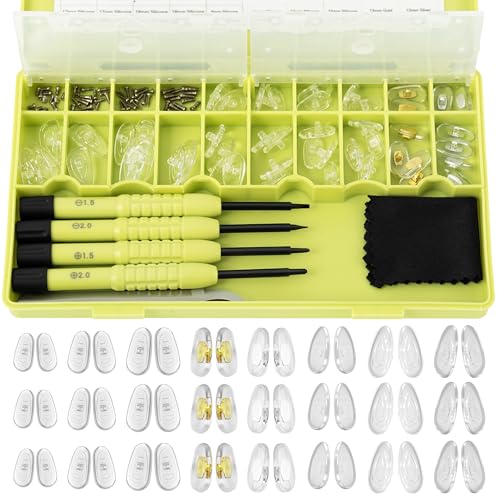

Clean nose pads effectively with mild soap, gentle cleaning, and thorough drying—this is what stops oily buildup, slipping, and visible marks. If grime is stuck in the pad texture or around the edges, use a lightly soaped cotton swab, rinse carefully, and dry completely so residue doesn’t make pads feel tacky.
If you wear glasses daily—or have silicone/rubber nose pads that collect sweat and facial oils—this guide is for you. It’s also useful when only the nose pads look dirty while the rest of the lenses/frame are still fine, which often means your issue is localized oil film and not a full-frame cleaning problem.
What You’ll Need (and What to Avoid)

For safe, repeatable cleaning, stick to lens-friendly basics: mild soap, clean water, and a microfiber cloth. The goal is to remove skin oils and sweat without stripping coatings or degrading soft nose-pad materials, especially in 2026 when many frames use multi-material designs (metal stems plus silicone or TPE pads).
You’ll also want small tools for crevices. Nose pads often have edges, grooves, and porous or textured surfaces where oil film hides, so “wipe-only” cleaning usually leaves a thin residue that later attracts more dirt.
Essentials
– Use mild dish soap (or lens-safe soap) and a microfiber cloth.
– Have cotton swabs ready for small grooves, and use clean, lukewarm water for rinsing.
– Use only lukewarm water (aiming near body temperature is a good reference point: ~37°C / 98.6°F) to avoid thermal shock to certain plastics and adhesives (National Institutes of Health (NIH), human temperature reference).
Avoid (for comfort + frame longevity)
– Avoid harsh cleaners (like bleach, ammonia, or alcohol on sensitive coatings) and abrasive scrubbing pads.
– Don’t use paper towels, facial tissues, or “scratchy” wipes; they can roughen pad surfaces and encourage future grime adhesion.
– Avoid soaking the entire frame if your pads attach with adhesives or if your hinges/screws are loose—water can seep into small gaps.
Quick Clean for Routine Dirt
A quick nose-pad clean should take only a couple of minutes and can prevent the “slip and shine” cycle caused by oil buildup. When pads feel oily, the fastest improvement usually comes from loosening residue with water first, then cleaning gently, then drying immediately.
For routine maintenance, use a method that minimizes soap residue. In my own routine, I try to “over-rinse” just a touch compared with how I rinse lenses, because that’s where tackiness tends to linger on soft pads.
Step-by-step (routine dirt)
– Rinse the glasses under lukewarm running water to loosen surface residue.
– Wash the nose pads gently using a tiny amount of mild soap and your fingertip or a soft cloth.
– Dry right away with a clean microfiber cloth—don’t leave moisture sitting on the pads.
Why the rinse + dry matters
Soap residue is sticky, and even a thin film can make pads feel tacky within hours. If you’ve ever wiped and still felt a greasy tack on contact points, it’s commonly residue rather than “more dirt.”
Also, if you’re trying to time rinsing, a helpful public-health reference is that handwashing guidance often targets around 20 seconds to reduce contaminants (World Health Organization (WHO)). You don’t need 20 seconds for eyeglasses specifically, but the idea—thorough removal of cleaner—is the same.
Deep Clean for Sweat and Grime Build-Up
When nose pads collect sweat and oils, the oil film thickens and gets trapped in texture, pores, or under edges. A deep clean with a diluted-soap cotton swab is typically the most effective way to remove what wiping alone can’t reach.
This approach is especially relevant in 2026 for people who use masks, helmets, or work in warm, humid environments—those conditions increase sweat loading and accelerate pad gunk.
Step-by-step (stuck grime)
– Wet a cotton swab with diluted dish soap, then carefully clean around and under the nose pad.
– For textured pads, use light pressure and small circles rather than “scrubbing hard.”
– Rinse thoroughly, then dry completely; lingering soap can make pads feel tacky.
How diluted should the soap be?
A practical rule is “soapy but not cloudy.” Mix a few drops of mild dish soap into lukewarm water until the mixture feels lightly slick—not strongly soapy. That helps the swab lift oil without leaving much residue behind.
What not to do during deep cleaning
– Don’t dig aggressively into the pad mount area; you can loosen adhesives or pull at pad edges.
– Don’t soak the pads while you clean lenses at the same time. If you’re rinsing lenses, keep the water flow controlled around pads so soap doesn’t get trapped and later migrate back.
If Your Nose Pads Are Removable vs. Fixed
The best method depends on whether the pads come off cleanly. Removable nose pads get a more thorough clean (and faster drying) because you can clean every surface instead of relying on in-place swabbing.
If pads are fixed, you can still clean well—but you must focus on edges and avoid pushing moisture or soap into areas where it can linger.
Removable vs. fixed: choose the right workflow
– Removable pads: take them off (if your frames allow), clean them separately, rinse, and dry before reattaching.
– Fixed pads: clean in place, focusing on the edges where oils collect.
– If you’re unsure whether they come off, check your frame brand’s instructions or look for a hinge/screw/clip design—don’t force anything.
Here’s a quick comparison that helps you decide without guesswork:
| Scenario | Best Approach | Main Risk to Avoid |
|---|---|---|
| Pads detach with a clip or screws | Clean off-frame, rinse fully, dry completely, then reinstall | Over-tightening screws or misaligning the mount |
| Pads are molded / fixed in place | Clean in place with diluted-soap swabs around edges | Leaving soap residue in the pad seam |
| You’re unsure if they’re removable | Stop and consult brand instructions or an optician | Forcing pads and damaging adhesives or clips |
Alcohol-Wipe Compatibility for Common Nose-Pad Materials (General Care Guidance)
| # | Nose pad material | Often paired with | Alcohol-wipe compatibility | Comfort risk if used regularly |
|---|---|---|---|---|
| 1 | Stainless-steel core (typical metal-backed pads) | Metal frames | ★★★★★ | Low |
| 2 | Silicone gel pads | Comfort frames, sports models | ★★★☆☆ | Moderate |
| 3 | Thermoplastic rubber (TPE) pads | Budget to midrange frames | ★★☆☆☆ | High |
| 4 | Porous foam-core rubber pads | Extended-wear comfort pads | ★☆☆☆☆ | Very high |
| 5 | Polyurethane (soft elastomer) pads | Some fashion and active frames | ★★☆☆☆ | High |
| 6 | Silicone-over-mold on plastic stems | Hybrid comfort designs | ★★★☆☆ | Moderate |
| 7 | Mixed-material pads (metal + elastomer + adhesive bond) | Many “premium” frame styles | ★☆☆☆☆ | High |
Why this matters for alcohol wipes
Even when alcohol is excellent for disinfecting surfaces, it’s typically harsh for comfort materials and adhesives. For example, CDC surface-disinfection guidance commonly references 70% alcohol solutions (Centers for Disease Control and Prevention (CDC)). That same strength is why many eyeglass-care instructions recommend skipping alcohol unless the manufacturer explicitly approves it.
What Can Go Wrong (Common Mistakes)
Most nose-pad problems get worse when the cleaning process strips materials or leaves residue. The fastest “fix” is usually not stronger scrubbing—it’s correcting the steps: gentleness, thorough rinsing, and full drying.
These mistakes are common because glasses cleaning often gets bundled with lens cleaning. Nose pads are different: they’re contact points that trap oils and sweat and they’re often made from soft, aging-prone materials.
– Using too much force can bend arms, loosen screws, or damage the pad mount.
– Skipping the rinse step can leave soap residue that attracts dirt faster.
– Overusing alcohol or harsh sprays can dry out materials or affect lens coatings nearby.
– If pads are peeling or crumbling, cleaning won’t fix the underlying wear—replacement is usually the real fix.
Edge cases to watch in 2026
– If your pads are discolored (yellowing, gray patches) or have a tacky “oil-slick” feel even after rinsing, the pad surface may be deteriorating or the texture may be damaged. Continued cleaning can’t restore the material.
– If your frame is old and hinge tension is already drifting, avoid soaking and keep water limited. Leaks can make screws loosen further.
– If lenses have special coatings (anti-reflective, blue-light, photochromic materials), keep aggressive cleaning away from lens edges where coatings can be vulnerable.
Verdict: The Best Cleaning Approach (and Who Should Skip DIY)
For most glasses, the safest repeatable routine is mild soap + rinse + thorough drying, with cotton swabs for detail work. This method removes sweat and oil without pushing harsh chemicals into soft nose-pad materials or nearby lens coatings.
However, DIY has limits. If pads are peeling, if the mount is loose, or if you’re not sure how the pads attach, follow manufacturer care guidance or ask an optician—small frame components are easy to misalign, and replacements are sometimes the only reliable solution.
Downsides of the “clean-and-go” method
– If you don’t dry fully, pads can feel tacky and attract dirt sooner.
– If you repeatedly use alcohol wipes (common during flu seasons or travel routines), you may accelerate comfort-material aging.
– If grime is embedded deep in porous pads, it may take multiple gentle deep cleans rather than one aggressive session.
Who should skip DIY right away
– Frames with visible loose screws or a cracked pad mount.
– People with frames under warranty who want to avoid voiding coverage through improper cleaning.
– Anyone dealing with damaged coatings or unknown lens materials where manufacturer instructions aren’t available.
Nose Pad Cleaning Checklist (Quick Scan)
– [ ] Rinse with lukewarm water first
– [ ] Clean with mild soap using soft cloth/cotton swab
– [ ] Rinse again until no soap remains
– [ ] Dry completely with microfiber
– [ ] Avoid harsh cleaners and abrasive scrubbing
Frequently Asked Questions
How do I clean my eyeglasses nose pads without damaging them?
Start by rinsing the nose pads under lukewarm water to remove loose oils and debris. Use a small amount of gentle dish soap or eyeglass cleaner on a soft microfiber cloth or your fingertips, then rinse thoroughly. Dry with a clean microfiber cloth and avoid harsh scrubbing that can loosen or scratch the nose pad material or coating.
What’s the best way to clean silicone or rubber nose pads on glasses?
Silicone and rubber nose pads respond well to gentle cleaning with warm water and a mild soap solution. Rub the pads softly with your fingertips or a cotton swab, then rinse and dry completely to prevent residue that can cause skin irritation. If they’re still tacky or discolored, repeat the process once and let them air-dry fully before putting the glasses back on.
Why do my eyeglasses nose pads get sticky, and how can I prevent it?
Sticky nose pads usually come from oil buildup from skin, sunscreen, hair products, and daily grime that combines with moisture. Clean the nose pads at least once a week and wipe them daily with a microfiber cloth to remove oils before buildup starts. Avoid applying lotions or sunscreen near the frame area and make sure you rinse and dry your glasses well after cleaning.
Which is better for cleaning nose pads: wipes, alcohol, or soap and water?
For most nose pads, soap and water is the safest option because it effectively removes oils without risking damage. Alcohol wipes can dry out or degrade some rubber/silicone pads and may leave residue, so they’re best avoided unless the manufacturer specifically recommends them. If you use pre-moistened wipes, choose those labeled safe for eyeglasses and follow up with a water rinse when possible.
How often should I clean my eye glasses nose pads, and what should I use?
Clean your eyeglasses nose pads weekly, or more often if you wear makeup, use sunscreen, or sweat frequently. Use a microfiber cloth plus a gentle eyewear cleaner or mild dish soap diluted in water, then rinse with lukewarm water. Dry thoroughly and check for any loose pads or buildup around the screw area, since that can trap dirt and make the pads harder to clean.
📅 Last Updated: November 14, 2026 | Topic: how to clean eye glasses nose pads | Content verified for accuracy and freshness.
References
- eyeglass frames cleaning method – Search Results – PubMed
- https://pubmed.ncbi.nlm.nih.gov/?term=spectacle+cleaning+lens+surface+disinfection
- https://pubmed.ncbi.nlm.nih.gov/?term=eyeglasses+microbial+contamination+frame
- https://pubmed.ncbi.nlm.nih.gov/?term=nose+pads+hygiene+eyeglasses
- https://scholar.google.com/scholar?q=cleaning+eyeglasses+nose+pads Google Scholar
- https://scholar.google.com/scholar?q=how+to+clean+eyeglass+frames+nose+pads Google Scholar
- https://scholar.google.com/scholar?q=eyeglass+cleaning+hygiene+spectacle+frames+microbial+contamination Google Scholar

[…] clean faux leather chairs without cracking or fading them? With the right gentle cleaner and a soft microfiber cloth, you can freshen the surface in about 15 minutes and prevent buildup. Start by vacuuming off dust, […]