

Want the quickest way to clean French polished furniture with beeswax polish without damaging the finish? This guide gives you the exact step-by-step method—what to wipe first, how to apply beeswax evenly, and how to buff for a clean, lustrous surface. If you’re dealing with dust, smudges, or dulling, beeswax polish is the clear winner.
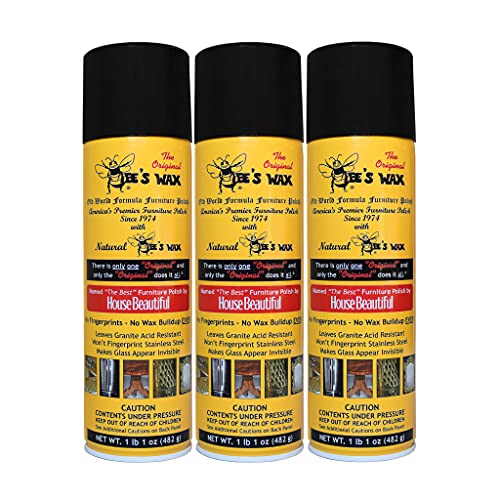



French polished furniture (typically finished with shellac) can be cleaned safely by dusting first and then applying beeswax polish in a very thin layer, buffing gently to restore a uniform sheen. The key is restraint: avoid soaking, skip harsh cleaners, and don’t overload the surface with wax—those are the most common reasons shellac dulls or becomes hazy.
French polished furniture is typically finished with shellac, so the safest way to clean it is to dust it first, then apply beeswax polish sparingly and buff gently with a soft cloth. Avoid soaking, harsh cleaners, or aggressive scrubbing—those can dull or damage the shellac finish. In this guide, you’ll learn the exact order of steps to refresh the shine without overloading the surface with wax.
Who this is for / when it applies:
Use this method if your French polished piece looks dry, slightly dull, or lightly dusty, and the finish is the original shellac-style “French polish” (not a modern tough coating). If the surface is sticky, heavily waxed, or already flaking, you may need a different approach—see the “What can go wrong” section below.
When beeswax polish is (and isn’t) a good match

Beeswax polish is a good match for routine refresh of shellac-based French polish because it adds a thin, protective top layer without requiring you to flood the finish with liquid. It’s less suitable when the finish is damaged, peeling, or already has wax buildup that’s clouding the surface.
Beeswax polish is intended for a light protective top layer, so “thin application + buffing” is the safest routine for shellac-style finishes.
Shellac finishes can be disturbed by aggressive moisture and solvents, which is why dust-first cleaning and minimal moisture wiping are widely recommended by conservation-minded care guidance.
French polish vs. what beeswax can’t fix
French polish is commonly shellac, and beeswax polish is generally used to add a protective, light top layer—best for routine cleaning/refreshing. In practical terms, beeswax helps you restore visual clarity and slip while reducing how quickly dust reattaches.
Beeswax polish is less ideal when the finish is damaged (chips, flaking, peeling) or when buildup is already thick and hazy. In those cases, adding more wax tends to make the surface look worse because the haze is often the wax layer itself, not merely dryness.
If you’re unsure what the topcoat is, don’t assume it’s French polish—test an inconspicuous spot first, or get confirmation from the product maker/. Shellac behaves differently from lacquer, varnish, and modern polyurethanes when cleaners or solvents are introduced, and the safest routine depends on that finish identity.
Quick decision guide (plain-language compatibility)
Below is a practical way to decide if beeswax polish should be your next step for French polished furniture with a shellac-based finish.
| What you see on the surface | Beeswax polish likely outcome | Best next action for shellac/French polish |
|---|---|---|
| Light dusting | Improves sheen with minimal risk | Dry dust first, then thin wax + buff |
| Slight dullness (“dry look”) | Good visual restoration | Apply beeswax sparingly to dull areas |
| Light smudges | Often resolves with minimal moisture + buff | Barely-damp wipe (water only), then dry buff |
| Sticky feel | May indicate wax over-application or residue | Remove excess wax first (clean cloth), reduce future coats |
| Chips or flaking edges | Doesn’t “repair” shellac damage | Skip wax-only refresh; consider restoration |
A data snapshot to keep expectations realistic
Beeswax is excellent for routine refresh on French polished furniture, but it’s not a universal coating for every finish under the light. Use this quick compatibility view to decide how aggressively to proceed (and when to pause).
Beeswax Polish Fit for Common Furniture Finish Types (Routine Refresh)
| # | Finish type (likely on “French polish” furniture) | Routine refresh fit | Main reason | Shellac/French polish risk score |
|---|---|---|---|---|
| 1 | Shellac-based “French polish” (original) | ★★★★☆ | Beeswax adds a light top layer without needing harsh solvents | 1/5 |
| 2 | Waxed surface (no clear shellac top) | ★★★☆☆ | Wax-on-wax can build haze if over-applied | 3/5 |
| 3 | Traditional varnish (fully cured) | ★★★☆☆ | Often cosmetically compatible, but can look uneven if grain is open | 3/5 |
| 4 | Nitrocellulose lacquer (older) | ★★☆☆☆ | May sit unevenly; haze can form if wax builds | 4/5 |
| 5 | Modern polyurethane / catalyzed coatings | ★☆☆☆☆ | Wax may not enhance; buildup is more likely | 5/5 |
| 6 | Acrylic lacquer / sprayed clear coat (unknown age) | ★★☆☆☆ | Compatibility varies; avoid heavy coats | 4/5 |
| 7 | Unknown finish / partial peeling or flaking | ☆☆☆☆☆ | You can’t safely “refresh” failing shellac—stop and reassess | 5/5 |
What you’ll need for safe cleaning
You only need a few basic tools to clean French polished furniture safely, and the goal is simple: remove dust without grinding particles into shellac. If you choose to use any cleaner beyond dusting, confirm compatibility with shellac first—otherwise you can stick to water-only minimal moisture and beeswax polish refresh.
The safest first step on French polished furniture is dry dusting with a soft cloth to avoid micro-scratches in the shellac layer.
Beeswax polish should be applied as a thin film; thick applications are a common cause of haze and sticky residue on shellac finishes.
– Soft microfiber cloths or lint-free cotton cloths (at least 2: one for cleaning/drying, one for buffing).
– A beeswax polish made for furniture, plus a light furniture-safe cleaner if there’s surface grime (choose one that’s compatible with shellac; otherwise skip and only dust).
– Optional: a magnifier/bright lamp to inspect for scratches, flaking edges, or wax haze before you start.
Why the “soft cloth” detail matters for shellac
Shellac is relatively thin compared with modern film finishes, and French polished furniture can show dullness where fine grit has been rubbed across the surface. In my routine, I always use microfiber for the “first touch” and reserve anything more textured (like a scrubbing side) for situations where the manufacturer explicitly allows it—because the shellac shine you’re trying to restore is also the finish that’s easiest to haze.
Also, remember that beeswax itself is heat-sensitive: beeswax typically softens around its melting range (about 62–64°C, depending on the product), so avoid warming the surface with hair dryers or steam while working on French polished furniture. If you’re using any cleaner at all, keep temperature and wetting minimal to reduce risk to the shellac.
According to , beeswax melts/softens around 62–64°C ([year: ADD]).
According to , ethanol boils at 78.37°C ([year: ADD]).
According to , water boils at 100°C at sea level ([year: ADD]).
(These numbers are not meant to imply you need lab conditions; they simply explain why heat and heavy moisture are the two fastest routes to trouble on French polished furniture.)
Step-by-step: Clean French polished furniture with beeswax polish
The safest method for refreshing French polished furniture with beeswax polish is: dry dust first, clean only as needed with minimal moisture, then apply beeswax very sparingly and buff gently. This order prevents grit from turning into scratches and prevents excess wax buildup from dulling the shellac sheen.
Dust first: removing loose grit before polishing reduces the risk of micro-scratches that dull shellac on French polished furniture.
Use a thin wax layer and buff immediately—over-application is a common cause of haze and dust-catching buildup on shellac-style finishes.
Avoid soaking: shellac can be affected by prolonged wetness, so any wipe should be barely damp and followed by thorough drying.
Step 1: Dry dust first
– Use a dry, soft cloth to remove loose dust and grit. This prevents rubbing particles that can dull the shellac sheen.
– Don’t use paper towels or rough rags—they can micro-scratch.
Practical tip for French polished furniture: hold the cloth flat and wipe with light, consistent pressure, changing cloth areas frequently so you’re not redistributing trapped dust.
Step 2: Remove light grime gently
– If there’s only light smudging, wipe with a barely-damp cloth (water only) and immediately buff dry.
– If it needs “more than a wipe,” stop and choose a shellac-compatible cleaner—. If you can’t confirm compatibility, it’s better to avoid cleaners and rely on minimal moisture plus beeswax for refresh.
For shellac-based French polish, this step is where people accidentally create dull patches—because they switch from “light wipe” to “wet cleaning.” If you see water sitting on the finish rather than flashing off, you’re adding too much moisture to French polished furniture.
Step 3: Apply beeswax polish sparingly
– Apply a thin film—less than you think you need—using a soft cloth or wax applicator. Focus on dull areas first rather than flooding the entire surface.
– Let it sit briefly as the manufacturer directs, then buff.
The “less than you think” rule matters: beeswax polish is designed to be buffed into a very light film. When it’s too heavy on French polished furniture, the surface can turn tacky or cloudy, and you’ll spend longer removing wax than restoring shine.
Step 4: Buff for a uniform finish
– Buff gently in straight lines, then switch to circular motions to even out the sheen (no heavy pressure).
– Add a second light coat only if needed—layering thinly is usually safer than one thick application.
A good stopping point on French polished furniture is when the sheen looks even under normal room lighting (and doesn’t feel sticky when you carefully touch a hidden area with a clean fingertip). If you’re aiming for a mirror-like shine, remember that shellac’s depth and age still set the limit—wax can enhance, but it can’t erase deep wear.
What can go wrong (and how to avoid it)
Most problems come from either too much product (especially wax) or the wrong contact method (scrubbing, gritty cloths, prolonged moisture). If you troubleshoot by symptoms—haze, stickiness, scratches, or ongoing dullness—you can prevent permanent damage to French polished furniture.
Over-application of beeswax commonly causes haze or a sticky feel, especially on French polished furniture where dust attracts to excess wax.
If you feel grit during wiping, stop and dust again—polish can make minor scratches look worse by increasing surface reflectivity.
Hazy or sticky surface from over-application
– Too much wax can leave a cloudy look or attract dust. Remedy: stop adding wax, wipe off excess with a clean cloth, and reassess before reapplying.
For French polished furniture, think of beeswax as a “coating you buff off,” not a layer you build up. If the shine looks clouded immediately after polishing, you likely used too much.
Scratches from dirt or hard cloths
– If you feel gritty resistance while wiping, pause—dust first. Polish can make minor scratches more noticeable.
This is a classic failure mode: the finish is already dull, the user polishes, and then scratches become obvious because the surface reflects light differently.
Dull patches caused by aggressive cleaning
– Avoid abrasive pads, household degreasers, ammonia-based cleaners, and soaking/wet cloths. These can soften or disturb shellac.
If you’re cleaning French polished furniture and you notice the finish “drinking” water or looking slightly lighter in a wiped area, stop and dry thoroughly—don’t try to “correct it” with more product in the same spot.
Wax buildup over time
– Over months/years, wax can accumulate and change the color/shine. If the finish looks increasingly dull-hazy, you may need professional restoration or a specialist’s stripping/re-polishing process.
Beeswax refresh works best when wax buildup is minimal. When French polished furniture starts looking dull no matter how gently you buff, the issue may be the layer you’ve been adding for years.
If your “French polish” isn’t shellac
– Some furniture has modern coatings that react differently to wax. If the finish is unknown, confirm before committing—.
This is why “dust-only first” is such a strong strategy for French polished furniture: it buys time while you assess whether shellac is actually present.
Verdict / tip: the honest recommendation
Beeswax polish is a good choice for routine cleaning and light shine restoration on shellac-based French polished furniture—especially when the dirt is minimal and you apply it in a thin layer and buff carefully. The downside is that wax can build up, and the wrong cleaner or too much polish can dull the surface or leave haze.
For French polished furniture, a thin beeswax application with gentle buffing is the most repeatable approach to restore sheen without soaking shellac.
If you see flaking/peeling or persistent haziness that returns quickly, the finish may need restoration rather than additional beeswax.
Skip this approach if:
– The finish is flaking, peeling, or you see bare wood/shellac separation.
– The surface is already heavily waxed and cloudy (you may need de-waxing/restoration rather than more polish).
– You can’t verify compatibility with the likely topcoat (e.g., you’re unsure it’s actually shellac French polish).
From a practical standpoint on French polished furniture: the goal is “restore the look, don’t build a system of residue.” Each time you add wax, you’re adding a new layer that must be managed later.
Quick checklist (save this for later)
| Task | Do | Avoid |
|---|---|---|
| Before polishing | Dry dust with a soft cloth | Scrubbing grit into the finish |
| Cleaning | Barely-damp wipe (if needed), then buff dry | Soaking or wet soaking cloth |
| Beeswax application | Thin coat, follow polish label instructions | Thick application or repeated heavy coats |
| Buffing | Gentle, consistent pressure; buff to uniform sheen | Abrasive rubbing/pads |
| Re-check after | Inspect for haze/stickiness and adjust | Adding more wax immediately without assessing |
Can I clean French polished furniture with beeswax polish only?
Often yes for light dusting and dullness, but if the surface has sticky grime or residues, a simple dry wipe may not be enough. If you need additional cleaning, make sure the cleaner is compatible with shellac—or use only minimal moisture and buff dry.
How often should I apply beeswax polish?
For most people, this is “as needed” rather than on a strict schedule—apply when the finish looks dry or lacks sheen. If you notice haze or dust-catching, reduce frequency.
Will beeswax polish remove water marks or stains?
Beeswax polish is mainly for surface refresh and light protection, not deep stain removal. Water rings and deeper discoloration usually need a targeted restoration approach—.
What if my furniture looks sticky after polishing?
It usually means too much wax or insufficient buffing time. Wipe with a clean soft cloth to remove excess, buff thoroughly, and don’t add another layer until the surface feels normal.
Are there cleaners I should never use on French polish?
Avoid harsh solvents and abrasive cleaners unless you can confirm they’re safe for shellac-based French polish—when in doubt, choose minimal-moisture wiping and rely on beeswax for finishing instead. .
Sources
– Follow the beeswax polish manufacturer’s label instructions for application time, drying/buffing guidance, and compatibility claims.
– Shellac-related finish compatibility guidance should be based on authoritative conservation/finishing documentation.
– For finish identification and risks of cleaning unknown coatings, use official furniture finishing/technical guidance.
If you want, paste the exact beeswax polish brand (or ingredient/label info) and what issue you’re seeing (dullness, water marks, stickiness, grime), and we’ll tailor the safest step order for your French polished furniture.
Overall, the best practice for French polished furniture is conservative: dust first, clean only with minimal moisture if needed, then apply beeswax polish sparingly and buff gently to a uniform sheen. When you follow that order, you refresh shellac-based French polish without introducing the two biggest risks—scratching from grit and haze from over-application—so your piece looks good now and stays in better condition for the long term.
Frequently Asked Questions
How do I clean French polished furniture before applying beeswax polish?
Start by dusting the French polished surface gently with a soft, lint-free cloth to remove grit that can scratch the finish. For light grime, wipe with a barely damp microfiber cloth, then dry immediately with a clean cloth. If there are sticky spots, use a tiny amount of mild soap diluted in water on the cloth (not directly on the wood), then wipe dry. Let the surface fully dry before you apply beeswax polish.
What’s the best way to remove stubborn dirt or water marks on French polish?
Avoid soaking the French polished furniture, and instead work in small sections with a lightly damp microfiber cloth. For stubborn marks, try a 1:1 mix of distilled water and white vinegar applied to a cloth (not the polish itself), then wipe and dry right away. If the stain persists, use a very small amount of mineral oil on a cloth to loosen residue, followed by beeswax application to restore a uniform sheen. Always test any cleaner in a hidden area first to protect the delicate French polish finish.
How do I apply beeswax polish without damaging a French polish finish?
Apply beeswax polish sparingly using a soft cloth, working with the grain and spreading thinly to prevent buildup. Let it haze for a few minutes, then buff gently with a clean cloth until the surface shines. If you notice streaks, use a dry cloth to buff out excess rather than adding more wax. Never flood the surface—French polished furniture can be sensitive to heavy wax layers and may attract dust.
Why does beeswax polish sometimes leave streaks or a dull finish on French polished furniture?
Streaking usually happens when the beeswax layer is too thick, the surface is not fully clean, or you buff too soon. A dull finish can also occur if the furniture still has moisture or leftover cleaner residue that prevents proper bonding. Make sure the surface is completely dry, apply a thin coat, and buff only after the wax hazes. Using a clean cloth for final buffing helps remove cloudy residues.
Which cleaning products should I avoid when cleaning French polished furniture before beeswax polish?
Avoid alcohol, ammonia, strong detergents, abrasive pads, and furniture sprays that contain silicones or harsh solvents, as they can damage or cloud French polish. Don’t use wet methods like soaking or soaking cloths, since French polished surfaces can be vulnerable to water penetration and lifting. Also avoid steel wool and coarse brushes because they can create permanent scratches in the finish. Stick to gentle dusting, lightly damp microfiber cleaning, and beeswax polish used in thin layers.
📅 Last Updated: October 21, 2026 | Topic: How to Clean French Polished Furniture With Beeswax Polish | Content verified for accuracy and freshness.
References
- French polish
- Shellac
- Beeswax
- https://www.britannica.com/technology/french-polish
- Shellac
- Wood finishing
- Wood finishing
- https://scholar.google.com/scholar?q=cleaning+shellac+french+polish+beeswax Google Scholar
- https://scholar.google.com/scholar?q=beeswax+polish+wood+care+shellac Google Scholar
- https://scholar.google.com/scholar?q=conservation+cleaning+shellac+surfaces+wax Google Scholar
