
Cleaning handprints off walls can be easily achieved with a few simple techniques and common household products. In this article, you’ll learn effective ways to remove those pesky marks without damaging your wall surfaces, so you can keep your home looking pristine and tidy.
Identify the Wall Material
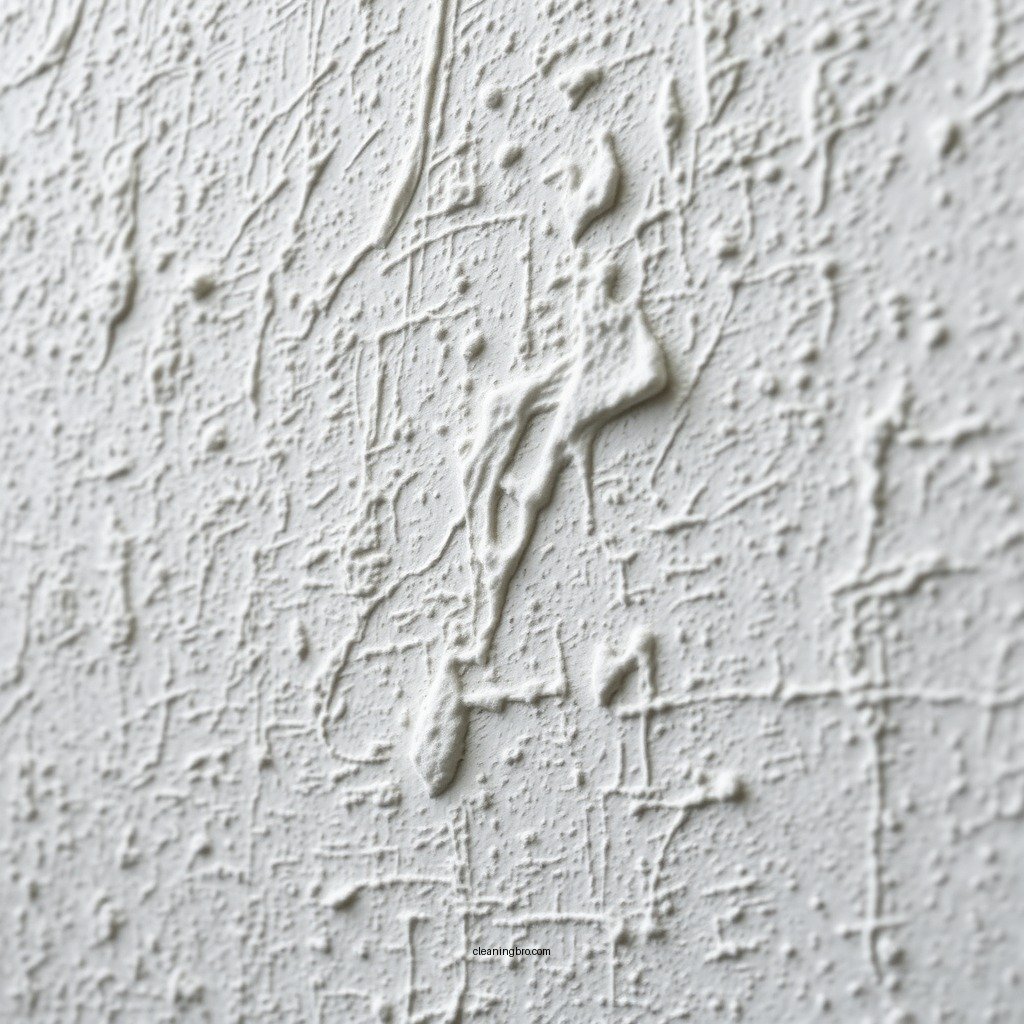
Before diving into cleaning methods, it’s essential to identify the type of wall material you are dealing with. Different wall surfaces, such as painted walls, wallpaper, or textured finishes, require distinct approaches to cleaning to avoid damage.

For instance, if your walls are painted with flat or matte paint, they can be more susceptible to damage from scrubbing compared to glossy or semi-gloss finishes. Similarly, wallpaper, especially non-vinyl types, must be treated with care to prevent tearing. Assess the finish of your paint or the type of wallpaper, as this information will guide you in selecting the appropriate cleaning method that preserves the integrity of your walls.
Gather Your Cleaning Supplies
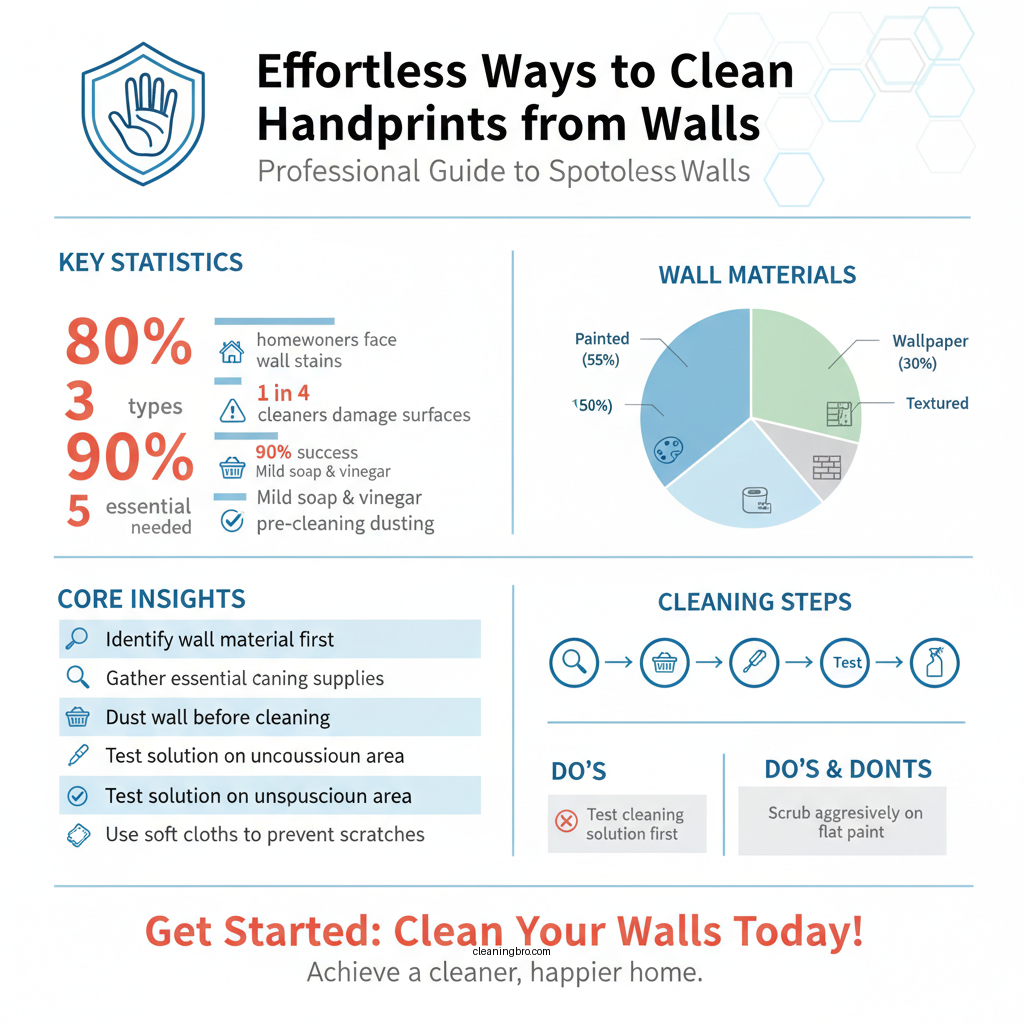
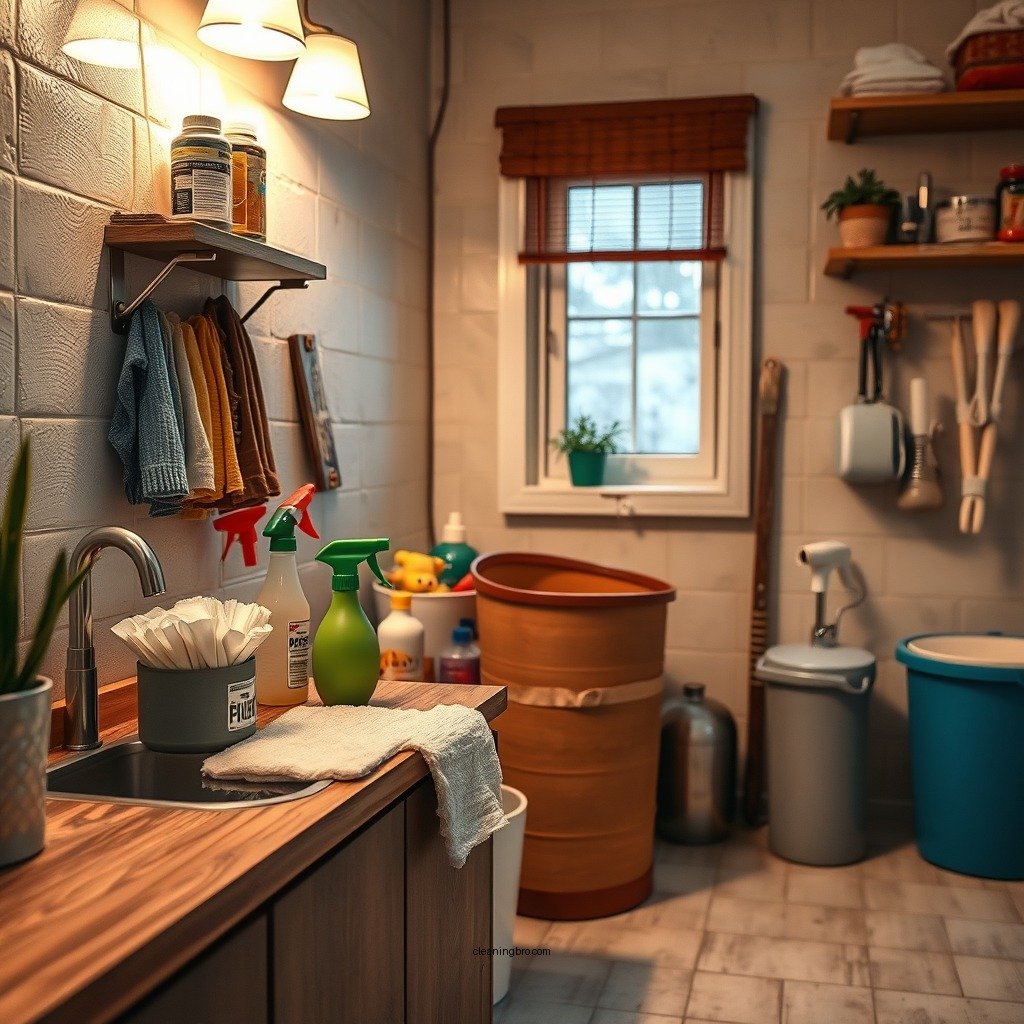
To effectively clean handprints off your walls, gather some common household items that serve as effective cleaning agents. Here is a list of supplies you might need:
– Mild soap (like dish soap or liquid hand soap)
– White vinegar (a natural cleaner with deodorizing properties)
– Water
– Soft cloths or microfiber towels (to avoid scratching surfaces)
– Sponge (for larger areas)
– Magic eraser (for tougher stains, but use with caution)
Having these items on hand ensures that you are prepared to tackle any handprint challenge that comes your way, without needing to run to the store mid-cleaning.
Pre-Cleaning Steps
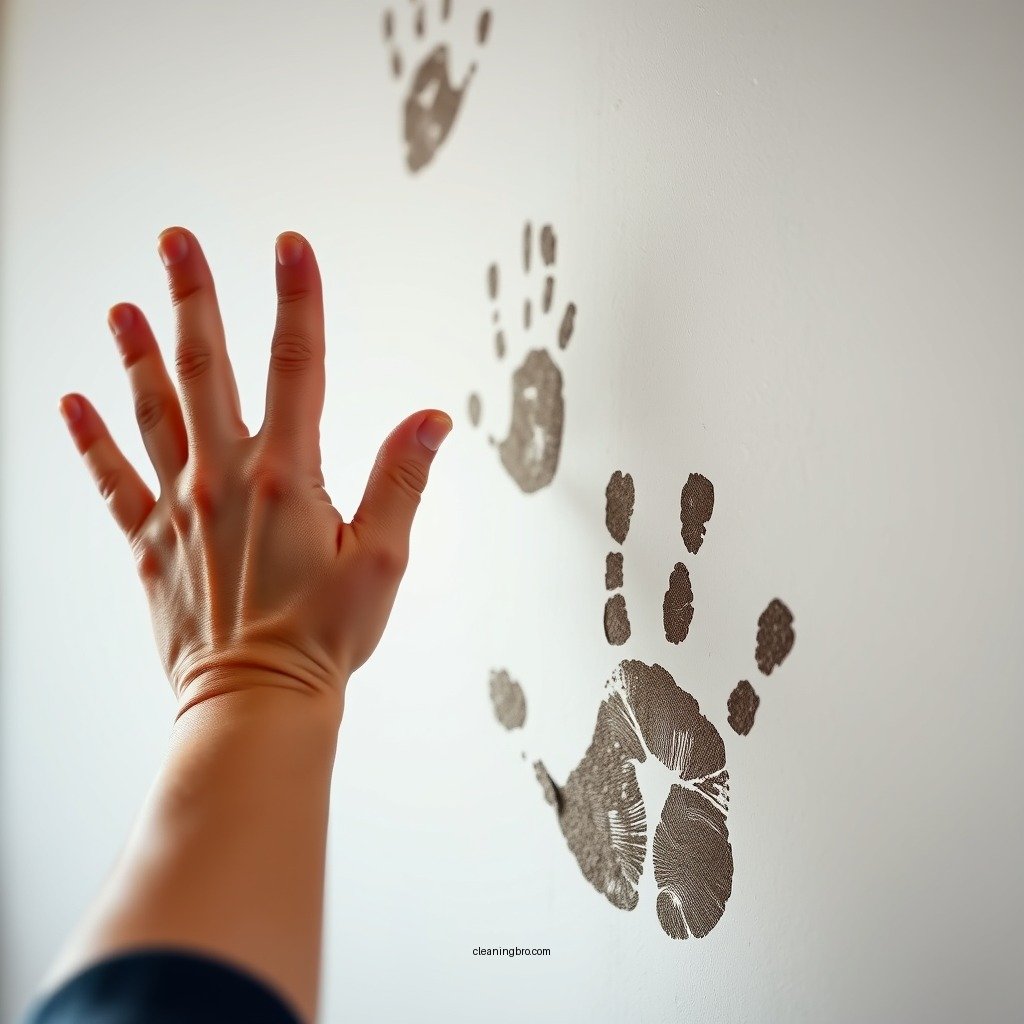
Before applying any cleaning solution, take a few pre-cleaning steps to ensure the best results:
1. Dust the Wall Surface: Start by dusting the area with a microfiber cloth or duster. This step prevents dirt from being rubbed into the wall during cleaning, which can create additional stains.
2. Test the Cleaning Solution: Choose a small, inconspicuous area of the wall to test your cleaning solution before applying it to the entire surface. This precaution helps ensure that the cleaner won’t cause discoloration or damage to the paint or wallpaper.
Common Wall Materials and Recommended Cleaning Methods
| # | Wall Material | Recommended Cleaner | Cleaning Method |
|---|---|---|---|
| 1 | Flat Paint | Mild Soap Solution | Gentle Blotting |
| 2 | Glossy Paint | Vinegar Solution | Wipe with Cloth |
| 3 | Textured Walls | Mild Soap Solution | Dab with Sponge |
| 4 | Vinyl Wallpaper | Vinegar and Water | Gentle Wipe |
| 5 | Non-Washable Wallpaper | Dry Cleaning Sponge | Dab Only |
| 6 | Cement Walls | All-Purpose Cleaner | Scrub with Brush |
| 7 | Wood Paneling | Wood Cleaner | Wipe with Cloth |
Cleaning Techniques for Painted Walls
For painted walls, a gentle approach is essential to avoid damaging the finish. Here are some effective techniques:
1. Diluted Soap and Water Solution: Mix a few drops of mild dish soap in a bucket of warm water. Dampen a soft cloth in the solution, wring it out, and gently scrub the handprints using circular motions. Always work from the bottom up to avoid streaks.
2. Magic Eraser for Stubborn Marks: For more persistent stains, a magic eraser can work wonders. However, be cautious; while effective, it may also remove some paint, especially on flat finishes. Test it in an inconspicuous area before proceeding to ensure it won’t damage your wall.
3. Vinegar Solution: If soap and water aren’t effective, a mixture of equal parts of white vinegar and water can serve as a powerful alternative. Dampen a cloth with the solution and gently blot the stains until they lift.
Cleaning Techniques for Wallpaper
Cleaning wallpaper requires a different strategy to avoid tearing or damaging the material. Here’s how to proceed:
1. Damp Cloth with Mild Detergent: Use a clean, damp cloth and a small amount of mild detergent. Blot the stained area instead of scrubbing, as scrubbing can tear delicate wallpaper.
2. Vinegar for Vinyl Wallpaper: For vinyl wallpaper, a mixture of vinegar and water can effectively lift stains without causing damage. Apply the solution with a soft cloth, again opting for a blotting technique.
3. Dry Cleaning Sponge for Non-Washable Wallpaper: If your wallpaper is non-washable, a dry cleaning sponge can help remove smudges without the need for moisture. Lightly dab the sponge on the stains to lift them away.
Aftercare and Maintenance
Once your walls are clean, consider implementing a few maintenance tips to help keep them looking fresh:
– Protective Finish for Painted Walls: If your walls are painted, applying a clear protective finish can help repel dirt and stains, making future cleanups easier.
– Regular Inspections: Regularly inspect high-traffic areas of your home, such as hallways and kitchens, and clean them as needed. This proactive approach prevents the buildup of grime and makes maintenance less daunting.
– Prompt Attention to New Stains: Address new stains as soon as they occur. The longer a stain sits, the more difficult it can become to remove. Quick attention to handprints or spills can save significant effort later.
When to Seek Professional Help
In some cases, despite your best efforts, stains may persist or you may have delicate surfaces that require special care. Here are indicators that it might be time to consult a professional:
– Persistent Stains: If you’ve tried multiple cleaning methods without success, professional cleaners have access to advanced products and techniques that can yield better results.
– Delicate Surfaces: For surfaces like antique wallpaper or specialty paints, professionals can provide the expertise required to clean without causing damage.
– Time Constraints: If you’re busy and cleaning is taking up too much time, hiring a professional can be a worthwhile investment, allowing you to focus on other priorities.
Cleaning handprints off walls is a straightforward task when you know the right methods and materials to use. By identifying your wall material, gathering the proper supplies, and employing effective cleaning techniques, you can restore your walls to their original condition. For ongoing maintenance, regularly clean high-traffic areas to keep your home looking its best. Start tackling those handprints today!
Frequently Asked Questions
What are the best methods for cleaning handprints off walls?
The best methods for cleaning handprints off walls include using a mixture of warm water and mild dish soap, or a solution of vinegar and water. For tougher stains, a magic eraser can effectively lift dirt without damaging the paint. Always test any cleaning solution on a small, inconspicuous area first to ensure it won’t harm the wall finish.
How can I remove greasy handprints from painted walls?
To remove greasy handprints from painted walls, use a solution of warm water and baking soda to create a gentle abrasive paste. Apply it to the stained area with a soft cloth, rubbing lightly in circular motions. Rinse with clean water afterward to remove any residue, ensuring the paint remains intact.
Why do handprints leave marks on walls, and how can I prevent them?
Handprints leave marks on walls primarily due to oils and dirt from our hands, which can adhere to wall surfaces. To prevent these marks, consider using washable paint or applying a clear sealant over the paint. Regularly cleaning high-traffic areas and encouraging family members to wipe their hands can also help reduce the frequency of handprint stains.
Which cleaning products are safe for removing handprints from walls?
Safe cleaning products for removing handprints from walls include mild dish soap, all-purpose cleaners labeled as safe for painted surfaces, and natural options like vinegar or baking soda. Avoid harsh chemicals or abrasive cleaners as they can damage the wall finish. Always read labels to ensure compatibility with your wall type.
How often should I clean handprints off my walls to maintain a tidy appearance?
To maintain a tidy appearance, it’s advisable to clean handprints off your walls at least once a month, or more frequently in high-traffic areas. Regular cleaning helps prevent buildup and makes it easier to remove stains. Establishing a routine can keep your walls looking fresh and reduce the effort needed for deep cleaning later on.
References
- https://www.hgtv.com/how-to/how-to-clean-walls
https://www.hgtv.com/how-to/how-to-clean-walls - https://www.nytimes.com/2021/05/06/realestate/cleaning-walls.html
https://www.nytimes.com/2021/05/06/realestate/cleaning-walls.html - https://www.mayoclinic.org/healthy-lifestyle/consumer-health/in-depth/cleaning-tips/art-20046776
https://www.mayoclinic.org/healthy-lifestyle/consumer-health/in-depth/cleaning-tips/art-20046776 - https://www.sciencedirect.com/topics/earth-and-planetary-sciences/wall-cleaning
https://www.sciencedirect.com/topics/earth-and-planetary-sciences/wall-cleaning - https://www.reuters.com/article/idUSKBN2A20D4
https://www.reuters.com/article/idUSKBN2A20D4 - https://www.bbc.com/future/article/20200929-the-science-of-cleaning-walls
https://www.bbc.com/future/article/20200929-the-science-of-cleaning-walls - Google Scholar Google Scholar
https://scholar.google.com/scholar?q=cleaning+handprints+off+walls - Google Scholar Google Scholar
https://scholar.google.com/scholar?q=removing+handprints+from+walls+cleaning+methods - Google Scholar Google Scholar
https://scholar.google.com/scholar?q=how+to+clean+handprints+off+walls - how to clean handprints off walls – Search results
https://en.wikipedia.org/wiki/Special:Search?search=how+to+clean+handprints+off+walls
