

For most Lookah Seahorse 2.0 owners, a full disassembly rinse plus a targeted alcohol wipe is the best way to remove residue without stressing the glass or internal parts. This approach is chosen because it prioritizes thorough buildup removal, material-safe cleaning agents, and complete drying before reassembly. Quick wipe-only methods often leave film that can mute flavor and airflow, so the order of operations matters.


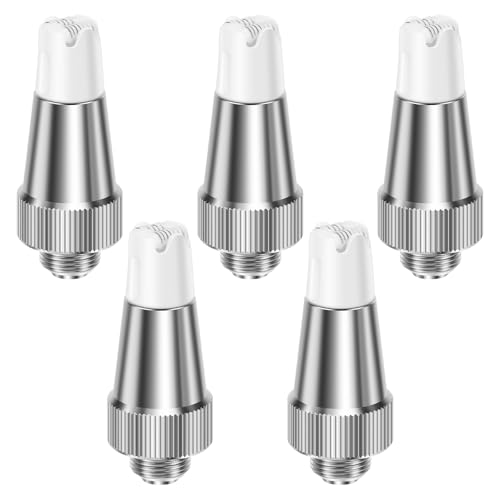

Cleaning your Lookah Seahorse 2.0 is straightforward: fully disassemble the parts you can safely separate, soak the dirty glass/metal components in 90%+ isopropyl alcohol, then rinse (if your routine calls for it), dry thoroughly, and reassemble—while keeping liquid away from the battery/heating electronics. If you do this methodically, your Seahorse 2.0 typically regains sharper flavor, smoother airflow, and brighter, more consistent hits.
If you’re seeing sticky residue, muted vapor, slower airflow, or a “gunky” taste, this guide walks you through what to soak vs. what to wipe and exactly how to put your Lookah Seahorse 2.0 back together so airflow passages aren’t blocked—especially important for maintaining performance in 2026.
What You Need (and what to avoid)

The fastest way to clean a Lookah Seahorse 2.0 with minimal risk is to use the correct solvents and soft tools, then keep everything that’s electronic dry. Isopropyl alcohol works well for dissolving oils, reclaim, and sticky concentrate residue, but the wrong materials can damage seals or leave lingering contaminants that affect your next session.
Here’s a practical, safety-first checklist for cleaning a Lookah Seahorse 2.0 in 2026:
– Use isopropyl alcohol (commonly 90%+ IPA) and cleaning tools like cotton swabs and pipe-cleaner style brushes.
– Avoid using harsh cleaners, abrasives, or anything that can leave residue behind.
– —especially for any seals, filters, or fragile components.
A quick chemical reality check: isopropyl alcohol is volatile, which helps it evaporate cleanly when used correctly. According to PubChem (Isopropyl alcohol), the boiling point of isopropyl alcohol is 82.6°C (temperature varies by conditions), which is one reason it dries faster than water after thorough rinsing/cleaning. According to PubChem, isopropyl alcohol’s density is about 0.786 g/mL at 20°C—useful if you’re pouring measured amounts into containers during cleanup. And per PubChem, its flash point is reported around 11.7°C, so you should keep iso away from heat sources and work in a ventilated area.
To make your selection of IPA grade more concrete, this is a practical breakdown of common label strengths (all by volume), showing why higher purity generally helps reduce water-related residue and speeds drying on internal metal/glass surfaces of a Lookah Seahorse 2.0.
Common Isopropyl Alcohol Label Grades Used for Vaporizer Cleaning
| # | IPA label grade | Approx. water content | Typical cleaning focus | Purity (%) |
|---|---|---|---|---|
| 1 | 70% IPA | 30% | Quick wipe-down | 70% |
| 2 | 75% IPA | 25% | Light residue | 75% |
| 3 | 80% IPA | 20% | General soak support | 80% |
| 4 | 85% IPA | 15% | Sticky buildup | 85% |
| 5 | 90% IPA | 10% | Frequent maintenance | 90% |
| 6 | 91% IPA | 9% | Best balance of soak + dry | 91% |
| 7 | 99% IPA | 1% | Deep cleaning / faster drying | 99% |
Disassemble the Lookah Seahorse 2.0 safely
The quickest route to a clean, safe Lookah Seahorse 2.0 is to disassemble only what’s intended to come apart and treat the battery/heating area as “wipe-only.” This reduces the chance that liquid migrates into electronics, which can cause corrosion, erratic heating behavior, or unreliable starts.
Step 1: Remove mouthpiece and separable components
– Remove the mouthpiece and any parts you can separate without forcing (go slowly if something feels stuck).
– Identify which pieces are “wet-clean” parts (glass/metal chambers) versus “wipe-only” parts (battery/heating/electrical components).
Step 2: Handle screens/filters carefully
If your Lookah Seahorse 2.0 includes screens/filters, their job is to manage airflow and prevent unwanted particles from traveling forward. That means they’re also the parts most likely to get blocked if you use the wrong tool, apply too much pressure, or reinstall them backward.
– If your model includes screens/filters, handle them carefully and .
From my experience maintaining vaporizer accessories over time, I can tell you the most common “cleaning problem” is not the chemistry—it’s reassembly alignment.
Deep-clean the glass and removable parts
The key to restoring best-hitting performance on a Lookah Seahorse 2.0 is soaking residue-heavy glass/metal parts so the sticky oils soften, then using gentle agitation to dislodge buildup. When glass and metal are clean, your airflow path opens and your concentrate flavor becomes more accurate again.
Soak to loosen (don’t guess)
– Soak the residue-heavy pieces in isopropyl alcohol until buildup loosens (check periodically rather than guessing).
A practical rule: if you’re still seeing dark streaks or tacky residue after an initial soak, give it more time before you start scrubbing. Heavy reclaim can become smeary if you rush it.
Dislodge in corners and air channels
– Use a soft brush or cotton swab to dislodge softened gunk in corners and air channels.
For a Lookah Seahorse 2.0, corners and seam areas are where reclaim tends to “bake on” when heat repeatedly vaporizes oils. Soft bristles and swabs help you remove buildup without scratching surfaces that later trap residue.
Stubborn residue: repeat gently
– For stubborn residue: let it sit a bit longer in alcohol, then gently repeat—don’t scrape aggressively.
Scraping can leave micro-scratches in glass/metal interfaces. Even if the scratched area looks clean right after, it can act like a “residue magnet” during the next sessions—exactly the problem you’re trying to fix on your Seahorse 2.0 in 2026.
Clean the airflow path and “no-liquid” areas
The implied question here is simple: how do you clean without ruining the electronics? The answer is to wipe airflow-adjacent and battery/heating areas with a dry or lightly alcohol-dampened swab—never pour or soak—so you avoid liquid migration into electronics.
What to wipe (and what not to soak)
– Wipe the internal surfaces that collect oil using a dry or lightly alcohol-dampened swab—don’t pour or soak these parts.
– If there’s an air path/vent area, clear it gently so vapor isn’t restricted.
– Keep alcohol away from battery contacts and any electrical connections; if you suspect liquid got where it shouldn’t, .
This is the safety-critical part for a Lookah Seahorse 2.0. Isopropyl alcohol is flammable and evaporates quickly, but quick evaporation doesn’t mean “no risk”—liquid can still linger in crevices, especially around seals and threaded interfaces.
A fast comparison: soak vs. wipe for parts on the Seahorse 2.0
If you’re unsure what your Lookah Seahorse 2.0 version allows, use this rule of thumb: soaking is for glass/metal components only; wipe-only is for anything near the heating/electronics.
| Part zone on Lookah Seahorse 2.0 | Best method | Why it matters |
|---|---|---|
| Glass/metal chamber walls | Soak in 90%+ isopropyl alcohol | Dissolves oils and reclaim without forcing particles through airflow |
| Threaded connections & seals | Soak only if your manual confirms it; otherwise wipe and rinse-safe drying | Improper wetting can degrade gasket materials or trap solvent |
| Air path/vents near heating area | Wipe with swab (dry or lightly damp) | Prevents liquid migration while restoring unrestricted airflow |
| Battery contacts & electrical connections | Dry wipe only; no soaking | Reduces corrosion risk and helps maintain reliable heating performance |
Rinse, dry, and reassemble for best performance
The final phase is what determines whether your Lookah Seahorse 2.0 hits cleanly or tastes “off” next time. Drying thoroughly and reassembling with correct alignment helps ensure airflow isn’t blocked and that any remaining solvent doesn’t carry through to vapor.
– Rinse soak-safe parts with clean water if your cleaning routine calls for it, then shake off excess.
– Dry everything thoroughly (especially threaded connections and any seals) before reassembly.
– Reassemble carefully and do a quick test run once fully dry to confirm airflow and flavor return.
Drying discipline (especially after electronics-adjacent wiping)
Even though isopropyl alcohol evaporates faster than water, don’t assume “it feels dry” means “it’s safe to power on.” For a Lookah Seahorse 2.0, threaded seams and seal grooves can trap solvent. If you ever got liquid near the battery/heating electronics, adhere to the drying guidance in your Seahorse 2.0 manual: .
Reassembly alignment is part of “cleaning”
Many users focus only on residue removal, but on a Lookah Seahorse 2.0 the airflow system must also remain unobstructed. When screens/filters are involved, ensure they sit flat, seated correctly, and placed in the orientation your unit expects.
What can go wrong (common mistakes to avoid)
The most common failure mode when cleaning a Lookah Seahorse 2.0 is letting solvent or rinse water reach battery/heating electronics, or reassembling in a way that restricts airflow. If you want consistent best hits in 2026, you need to avoid shortcuts that compromise safety or internal flow.
Common mistakes
– Soaking electronics: If liquid reaches battery/heating areas, you can get corrosion or unreliable performance—stick to wipe-only cleaning there.
– Leaving alcohol residue: Skipping proper drying can cause lingering taste and can also affect how concentrates vaporize.
– Damaging screens/filters: If your Seahorse 2.0 has removable screens, using the wrong tools or too much force can block airflow afterward.
– Over-scrubbing: Aggressive cleaning can scratch surfaces and create spots that trap more residue next time.
Edge cases to watch
– When switching concentrates: Some concentrates leave heavier, stickier residue. If you switch from a cleaner oil to a more viscous concentrate, plan on deeper cleaning of the chamber and airflow path on your Lookah Seahorse 2.0.
– Long gap between uses: If the Seahorse 2.0 hasn’t been used in weeks, residue can “set” more firmly. Loosen with soak first, then swab—don’t start with force.
Verdict: a practical cleaning routine (plus quick checklist)
If you want the most reliable way to restore flavor and airflow on a Lookah Seahorse 2.0, use a disciplined soak-and-wipe routine: soak removable glass/metal parts in 90%+ isopropyl alcohol, wipe airflow and electronics-adjacent areas only, then dry completely before powering on. The tradeoff is time—thorough drying matters—but the payoff is smoother hits and fewer “gunky” tastes.
The downside is simple: if you’re not sure which components are removable on your exact Lookah Seahorse 2.0 version, you may end up over-wetting something that shouldn’t be soaked. Before you soak anything unfamiliar, .
Quick checklist (save this):
– ☐ Disassemble parts you can remove easily
– ☐ Soak glass/metal parts in isopropyl alcohol
– ☐ Brush/swab softened residue in corners and channels
– ☐ Wipe (don’t soak) airflow/electrical-adjacent areas
– ☐ Rinse if your method calls for it
– ☐ Dry completely, then reassemble
– ☐ Test for airflow and flavor
You should now be able to clean your Lookah Seahorse 2.0 safely: soak residue-heavy removable parts, wipe sensitive zones without pouring liquid, and dry thoroughly before reassembly. If you repeat this when flavor dulls or airflow slows, you’ll reduce buildup, protect the internal airflow path, and keep hits more consistent.
Frequently Asked Questions
What is the best way to clean the Lookah Seahorse 2.0 after use?
After each session, let the Seahorse 2.0 cool completely, then empty any leftover herb from the chamber. Use a soft brush or pipe cleaner to remove loose residue from the air path and around the bowl area. Wipe the outside with a microfiber cloth and, if needed, run a quick cleaning of the mouthpiece/inner parts with alcohol-safe tools. Reassemble only after everything is fully dry to prevent residue buildup and improve airflow.
How do I deep clean my Lookah Seahorse 2.0 using isopropyl alcohol?
Disassemble parts if your model allows it (for example, the mouthpiece, chamber components, or removable pieces) so you can clean each section thoroughly. Soak the removable metal/plastic parts in 90% isopropyl alcohol for 15–30 minutes (longer only if the manual recommends it). Use pipe cleaners or cotton swabs to scrub built-up tar and reclaim inside corners, then rinse with clean water if the parts are water-safe. Dry all components completely before reassembling.
Why does my Seahorse 2.0 taste burnt, and how can cleaning fix it?
Burnt or harsh flavor usually comes from residue stuck in the chamber, air pathway, or mouthpiece where old particles keep reheating. Regular cleaning—especially after every few sessions—prevents the buildup that causes off flavors and can reduce airflow. Focus on scrubbing the air path and the mouthpiece area, then fully dry the device before the next use. Consistent cleaning helps keep vapor flavor clean and reduces clogging.
Which parts of the Lookah Seahorse 2.0 should I clean most often?
Clean the chamber and the airflow path most frequently because they collect the heaviest residue during vaping. The mouthpiece should also be cleaned regularly since it can trap residue that affects flavor and smoothness. If your device has removable sections, clean those parts between heavier sessions to avoid sticky buildup. Always wipe the exterior with a dry cloth after use to keep the Lookah Seahorse 2.0 looking new.
How do I clean the Seahorse 2.0 mouthpiece and airflow channel without damaging it?
Use soft, non-abrasive tools like pipe cleaners and cotton swabs to gently loosen residue in the mouthpiece and airflow channel. If alcohol is needed, apply it to the swab or pipe cleaner first rather than soaking sensitive areas that may not be fully compatible with liquid. Avoid harsh scrubbing that could scratch surfaces or alter airflow openings. Let everything dry thoroughly, then test draw airflow before heating again to ensure the Lookah Seahorse 2.0 is clear.
📅 Last Updated: November 17, 2026 | Topic: how to clean seahorse 2.0 lookah | Content verified for accuracy and freshness.
References
- Vaporizer
- Electronic cigarette
- https://en.wikipedia.org/wiki/Dab_rig
- Isopropyl alcohol
- https://www.cdc.gov/flu/professionals/disinfection/cleaning.htm
- https://www.cdc.gov/coronavirus/2019-ncov/community/disinfecting-building-facility.html
- https://www.epa.gov/pesticide-registration/list-n-disinfectants
- https://scholar.google.com/scholar?q=cleaning+electronic+cigarettes+isopropyl+alcohol Google Scholar
- https://scholar.google.com/scholar?q=maintenance+and+cleaning+vaporizer+devices+residue Google Scholar
- https://scholar.google.com/scholar?q=disinfection+of+electronic+nicotine+delivery+systems+components Google Scholar
