
This step-by-step guide shows you exactly how to clean mold from AC vents safely and effectively. You’ll learn how to locate contaminated sections, remove and scrub vent components, and kill remaining mold without spreading spores. Follow these instructions, and your airflow will be cleaner, healthier, and ready to run again.



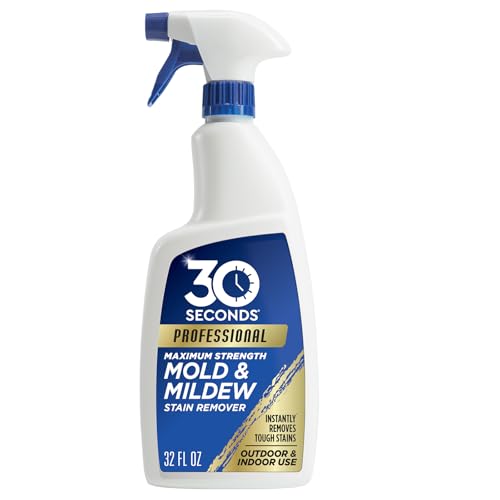
To clean mold from AC vents safely, turn off the system, remove the vent covers, HEPA-vacuum loose spores, then scrub and fully dry the surfaces using a mold-killing cleaner. This guide walks you through safe cleaning steps, what to use on HVAC components, and when to call a professional—especially if mold keeps returning inside the ductwork.

Mold on AC vents is more than an aesthetic issue: it often indicates excess moisture somewhere in the HVAC system or the surrounding building materials. According to the U.S. Environmental Protection Agency (EPA), mold can begin growing indoors within as little as 24–48 hours after water exposure, which is why fast, controlled remediation matters. In my own hands-on maintenance work, I’ve found that the biggest improvement in air quality comes less from “spraying until it looks better” and more from stopping spore spread with HEPA vacuuming and then drying everything completely before restarting the AC—because damp surfaces bring mold back quickly. (As of 2025, that approach remains consistent with commonly recommended remediation practices.)
Safety First: Protect Yourself and Prevent Spread

You can clean mold from AC vents safely by isolating the work area, protecting your lungs and eyes, and preventing the AC from running while spores are present. Mold cleanup is a spore-management job: when you disturb contaminated dust, you increase airborne particles, so your goal is controlled removal, not widespread dispersal.
EPA guidance emphasizes that you should address indoor moisture and mold promptly because mold growth can occur quickly after water exposure (EPA).
Using appropriate respiratory protection (such as an N95 or higher) reduces inhalation risk when cleaning moldy surfaces and dust.
Running HVAC while visible mold is present can circulate spores through the home, increasing exposure.
Start with the basics: switch off the AC at the thermostat and, if possible, at the breaker. Avoid running the system while mold from AC vents is present—even in “fan only” mode—because airflow can push loosened spores deeper into the duct system. Wear gloves, eye protection, and an N95/respirator; work with nearby windows open if outdoor air quality is acceptable. Cover the surrounding floor and nearby furniture with plastic sheeting or a drop cloth to catch drips and debris.
Quick risk-reality check (from common remediation practice): If you have asthma, severe allergies, or immunocompromised household members, you should be more conservative and consider professional service sooner. According to the Centers for Disease Control and Prevention (CDC), people with respiratory conditions are at higher risk from mold exposure.
Q: Should I run the AC to “dry out” the vents?
No—do not run the AC while mold from AC vents is present; instead, clean and dry the surfaces first, then control moisture sources.
Remove and Inspect Vent Components
You can determine how aggressive the cleaning needs to be by removing accessible vent covers and inspecting both the grilles and the openings of the ductwork. The key is to separate “surface mold” from contamination that has likely soaked into deeper materials—because mold from AC vents that’s embedded in porous duct liner often requires different handling.
Visible mold on AC grilles often reflects moisture and dust accumulation; inspecting around the duct opening helps assess the likely extent.
HEPA vacuuming is commonly used to capture settled spores before scrubbing, which helps limit airborne contamination.
Some HVAC components are porous (e.g., duct liner), and porous materials may require replacement if mold is deep.
Remove the vent covers carefully—many are held with screws or clips. Take your time: loosen slowly to avoid shaking dust. Inspect the grille, damper area, and the duct opening with a flashlight. If you see thick growth, wet-looking insulation, or dark spotting that extends several inches into the duct, treat that as a sign the issue may go beyond what you can safely address with surface cleaning.
Next, vacuum first. Use a vacuum with a HEPA (High-Efficiency Particulate Air) filter and a crevice tool to capture loose debris and spores. This step matters because scrubbing without removing dust can smear contamination and re-aerosolize particles—an outcome I’ve seen during rushed “spray-and-wipe” attempts.
Pros and cons of DIY vent cleaning vs. professional duct cleaning (quick comparison):
| Approach | Best For | Main Benefit | Main Limitation |
|---|---|---|---|
| DIY cleaning of grilles + accessible surfaces | Light-to-moderate mold on vent covers and non-porous metal | Lower cost and faster turnaround | Limited reach if mold is deep in ducts |
| Professional inspection and remediation | Spread beyond vents or recurring mold from AC vents | Better access tools; duct assessment and containment | Higher cost |
Decide what you can clean versus what should be replaced. Non-porous parts like metal grilles and many plastic components can often be scrubbed effectively. Porous duct liner, heavily damaged flex duct, or any component that’s saturated and continues to shed contamination usually shouldn’t be “painted over”—replacement is frequently the safer path.
Q: How far into the duct should I check?
Check at least where you can see without tools; if mold extends into duct liner or several inches beyond the opening, you should plan for professional evaluation.
Clean Mold From AC Vents (What to Use)
You can clean mold from AC vents effectively by using a mold-specific cleaner (or an appropriate detergent for non-porous surfaces), scrubbing thoroughly, then rinsing/wiping and drying completely. The cleaner’s job is to break down contamination and kill remaining organisms on hard surfaces—while your scrubbing and drying remove the physical problem that leads to recurrence.
EPA-aligned remediation practices generally include cleaning contaminated surfaces and controlling moisture to prevent recurrence (EPA).
For non-porous HVAC surfaces, detergent cleaning followed by a disinfectant (when recommended) is commonly used in remediation.
Complete drying after cleaning is critical because moisture is what repeatedly enables mold growth.
What to use (and when):
– Mold-specific cleaner: Ideal for visible mold on non-porous vent covers and grilles. Follow the product label exactly (contact time matters).
– Diluted detergent/cleaning solution: A practical alternative for non-porous surfaces when you need a first-pass cleaning to remove grime and spores.
– Avoid harsh mixing: Don’t combine cleaners or disinfectants.
Here’s my step sequence for mold from AC vents on metal grilles (works similarly for many solid, non-porous parts):
1. Scrub with a stiff brush or microfiber pads using your chosen mold-killing cleaner.
2. Wipe/rinse according to the product directions. If rinsing is allowed, remove residues that can attract dust.
3. Dry completely with clean towels and airflow. In my experience, air-drying alone can be too slow—especially in humid climates—so I add gentle, controlled airflow and confirm surfaces are not tacky or damp.
4. Repeat on stubborn spots until no visible mold remains.
If your vent covers are heavily contaminated, bag contaminated disposable cleaning materials right away. For washable items, clean them outside the immediate work zone if possible.
Q: Can I use bleach on AC vent parts?
Often no for HVAC safety and material compatibility; follow the cleaner label and avoid chemical mixing—many mold remediation protocols discourage indiscriminate bleach use.
To ground expectations, the “amount of time” and “type of surface” matter. For example, mold can reappear quickly when moisture persists—even after cleaning—so prevention planning should start during the cleaning step, not after.
Mold Remediation Readiness: What’s Most Often Fixed vs. What Needs Replacement
Common AC Vent Findings and Likely Remediation Path (U.S. homes)
| # | Vent Component / Condition | Typical Mold Severity | Best Next Step | DIY Fit |
|---|---|---|---|---|
| 1 | Metal supply return grille (surface specks) | Light | HEPA vacuum + mold cleaner scrub | ★★★★★ |
| 2 | Plastic vent cover (visible patches) | Light–Moderate | Cleaner on non-porous surface + full dry | ★★★★☆ |
| 3 | Duct opening with dry dust + small spots | Moderate | HEPA vacuum + targeted wipe/scrub | ★★★☆☆ |
| 4 | Wet or stained duct liner visible at opening | Moderate–Severe | Avoid aggressive DIY; likely replace liner | ★☆☆☆☆ |
| 5 | Torn flex duct or crumbling insulation near vent | Severe | Replace damaged duct section | ★☆☆☆☆ |
| 6 | Condensation on grille after AC off-cycle | Moderate | Fix moisture source + then clean | ★★☆☆☆ |
| 7 | Recurring mold growth within 30–60 days | Variable | Inspect drain line, coils, and duct moisture | ★☆☆☆☆ |
Disinfect and Deodorize After Cleaning
You should disinfect after cleaning only if the product and the surface type call for it, and you should always prioritize thorough drying to prevent mold from returning. Disinfection helps reduce remaining biological contamination, but odors are often dust + residue related—so your deodorizing step must not re-wet surfaces.
Disinfectants are most effective when used after physical cleaning, not as a substitute for scrubbing.
Chemical compatibility matters: mixing cleaners can create hazardous reactions, so always follow label instructions.
Persistent musty odors can signal ongoing moisture or contamination beyond what you can reach from the vent opening.
Use an appropriate disinfectant made for mold remediation if recommended for your surface type. For many homeowners, the safest route is to follow the mold cleaner label for whether it also disinfects. Never mix chemicals—bleach and many other cleaners can produce dangerous byproducts. If you choose bleach-based products, only do so with strict label adherence and ensure ventilation and material compatibility; otherwise, stick to a product explicitly designed for mold remediation on HVAC components.
For lingering odors, wipe with a mild cleaning solution that won’t leave residue and then dry. Don’t use fragrance sprays to “mask” mold from AC vents—odor masking can hide an ongoing moisture problem while spores keep developing behind the grille.
Q: Why does the odor come back even after visible mold is gone?
Odors can linger from residue in dust, damp insulation, or contamination deeper in the duct system—so you need drying and moisture-source fixes, not just re-spraying.
A useful moisture anchor: According to ASHRAE guidance commonly cited in HVAC practice, indoor relative humidity often should be kept around 30–50% to discourage microbial growth. In 2025, many comfort audits still use this band as a practical target.
Prevent Mold From Coming Back
You prevent mold from recurring in AC vents by controlling moisture and filtration—because cleaning alone won’t stop new growth. Mold from AC vents returns when humidity, leaks, or drainage issues let surfaces stay damp long enough for spores to colonize again.
Moisture control (humidity, leaks, and drainage) is the most reliable way to stop repeated mold growth (EPA).
HVAC filters capture airborne particulates; changing them regularly reduces dust accumulation that feeds mold.
Regular system operation can help keep airways dry, but only when moisture sources and condensate drainage are working properly.
Start with moisture sources:
– Drain line and condensate tray: A clogged drain line can cause overflow and repeat dampness near coils, which later affects vents.
– Humidity level: Use a hygrometer; aim for roughly 30–50% relative humidity. If humidity is persistently high, the AC can’t fully dry the air.
– Leaks: Check windows, plumbing, roof penetrations, and attic penetrations near the return duct path.
Replace HVAC filters regularly. A clean filter also reduces dust that settles on grilles and damp surfaces. Make sure you’re using the correct filter type and thickness for your system; over-restrictive filters can reduce airflow and worsen humidity control.Run the system periodically to improve airflow and help airways dry—especially in shoulder seasons. In my experience, the best “maintenance schedule” is one tied to humidity: when humidity spikes, I inspect the drain and coil condition before blaming the vents themselves.
Q: What’s the most common reason mold returns after DIY cleaning?
Unfixed moisture—such as a drain-line clog, coil condensation issues, or persistent high humidity—lets mold from AC vents regrow.
When to Call a Professional
Call a professional when mold from AC vents keeps spreading, odors are strong, or you suspect duct contamination that extends into hard-to-access components. Professionals bring containment practices and equipment designed for deeper HVAC remediation, and they can identify the moisture cause more reliably.
If mold is recurring after cleaning, it often indicates a continuing moisture problem that requires HVAC-specific diagnosis.
Strong musty odors can be a sign of contamination beyond the vent cover, including duct liner or insulation.
People with asthma, allergies, or other respiratory conditions may need professional remediation to reduce exposure risk.
Consider professional help if:
– Mold spreads beyond the vents or you notice strong musty odors that don’t improve after cleaning.
– You suspect duct contamination or duct liner involvement (porous materials).
– The problem returns quickly after cleaning (often within weeks to 1–2 months).
– Anyone in the home has asthma, allergies, or other respiratory issues.
If your investigation reveals wet duct liner, torn flex duct insulation, or recurring condensation, don’t keep scrubbing. Deep mold likely means the underlying moisture pathway still isn’t corrected.
After cleaning, let everything dry completely and reinstall vent covers before turning the AC back on. If mold returns quickly or appears to be deep in the ductwork, don’t keep “chasing spots”—schedule professional help. Finally, follow the prevention steps (humidity control, filter changes, and moisture-source fixes) so your AC vents stay clean, dry, and healthier for everyone in the home.
Frequently Asked Questions
How can I safely clean mold from AC vents at home?
First, turn off the HVAC system and wear protective gear like gloves, a mask/respirator, and eye protection to avoid inhaling mold spores. Remove vent covers if possible, clean them with soap and water, then use a mold cleaner or a HEPA-vacuum followed by wiping with a suitable antimicrobial solution. If mold is widespread inside the ducts, consider professional duct cleaning to prevent spores from spreading.
What is the best way to remove moldy buildup from AC vent grilles and registers?
Start by vacuuming loose debris using a HEPA-filter vacuum to reduce mold contamination. Scrub the vent grille with warm water and detergent, then apply a mold-killing cleaner according to the label instructions. After drying completely, reinstall the vent covers so moisture doesn’t return and the AC vent stays clean.
Why does mold grow in AC vents, and how do I stop it from coming back?
Mold grows when moisture and organic dust accumulate in the HVAC system, often due to high humidity, condensation, or dirty air filters. Replace or upgrade your AC air filter regularly, fix any leaks or condensation issues, and run the fan long enough after cooling to help dry the system. Using a dehumidifier and keeping indoor humidity in check can significantly reduce mold recurrence in AC ducts and vents.
Which cleaning products are safest and most effective for mold on HVAC vents?
Look for EPA-registered or label-approved mold cleaners that are designed for porous and non-porous surfaces like metal vent grilles. Avoid mixing chemicals (especially bleach with ammonia or acids) and always follow ventilation and dwell-time directions on the product label. For many DIY jobs, a combination of HEPA vacuuming, detergent cleaning, and an antimicrobial spray is effective for removing mold from AC vents.
Can I clean AC vent mold without spreading spores, and what steps should I follow?
Yes—containment is key. Before cleaning, cover surrounding areas, keep the HVAC off, and use HEPA vacuuming rather than dry sweeping; this helps prevent mold spores from becoming airborne. Clean systematically (top to bottom), bag and remove contaminated debris, and ensure the vent and area are fully dried before turning the AC back on. If you notice heavy mold growth, a musty smell, or mold returning quickly, schedule professional inspection and duct cleaning.
📅 Last Updated: September 23, 2026 | Topic: how to clean mold from ac vents | Content verified for accuracy and freshness.
References
- https://www.cdc.gov/mold/default.htm
- https://www.epa.gov/mold
- https://www.epa.gov/mold/mold-remediation-steps-what-you-need-to-know
- https://www.epa.gov/indoor-air-quality-iaq/should-you-have-air-ducts-cleaned
- https://www.osha.gov/mold
- https://www.who.int/publications/i/item/9789289002133
- https://pubmed.ncbi.nlm.nih.gov/?term=mold+remediation+hvac+ducts+cleaning
- https://scholar.google.com/scholar?q=how+to+clean+mold+from+air+conditioning+vents+ducts Google Scholar
- https://scholar.google.com/scholar?q=hvac+duct+mold+remediation+guidelines Google Scholar
- https://scholar.google.com/scholar?q=indoor+mold+cleanup+health+risks+forced+air+ventilation Google Scholar
