
If you’re dealing with mold in carpet from water damage, this guide tells you exactly how to clean it safely and effectively—without guessing. You’ll learn the fastest way to stop the spread, remove the contamination from carpet fibers, and decide when the carpet padding must be replaced. Follow these steps and you’ll know whether your situation is a DIY cleanup or a job for professional remediation.


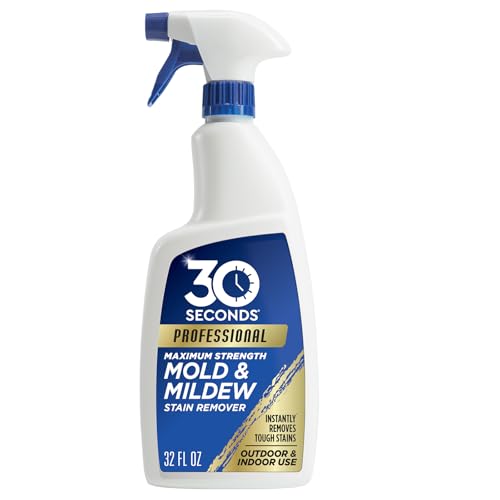

Clean mold in carpet fast by removing moisture within 24–48 hours, then thoroughly vacuuming (HEPA) and scrubbing with a mold-safe cleaner—finally, keep humidity controlled so it doesn’t return. Mold in carpet from water damage isn’t just a “stain problem”; it’s a moisture-and-spore problem, and the safest results come from combining fast drying, targeted cleaning, and moisture-source repair.

Safety First: Protect Yourself From Mold

Wear personal protective equipment before you touch moldy carpet, padding, or any contaminated dust. Mold in carpet from water damage can release spores and irritants, so the goal is to prevent inhalation and skin/eye contact while you clean.
According to the U.S. EPA, mold spores can become airborne during cleanup and handling of wet materials, so containment and protective gear reduce exposure (EPA: Mold Cleanup and Guidance).
In IICRC water-damage response work, rapid response and controlled drying are central because mold growth can begin very soon after water exposure (IICRC S500 (Water Damage)/industry guidance).
HEPA filtration is defined by performance at 0.3 microns, achieving at least 99.97% particle capture for compliant filters (IEST/HEPA standards (general HEPA definition)).
Start with the basics you can control. Put on nitrile or chemical-resistant gloves, eye protection, and an N95 respirator or better. If the area is heavily affected or you’re disturbing dried material, upgrade to a P100 elastomeric respirator if available. Ventilate the space using fans that exhaust outward—do not just recirculate air inside; that increases spore distribution. In my own inspections after basement flooding, I’ve seen that “quick brushing” of dry carpet fibers creates visible dust plumes—fine particles include spores, and you end up cleaning twice.
Avoid dry sweeping and dry brushing on moldy carpet. Carpet fibers can hold spores and organic debris; dry agitation spreads them across the room. If you must move items, bag them at the doorway. Seal off the work zone from the rest of the building if possible, especially if you’re in a commercial space with ongoing foot traffic.
Q: What’s the minimum PPE I should use for cleaning mold in carpet?
Use gloves, eye protection, and an N95 (or better) respirator, plus ventilation that exhausts outward—not just recirculates air.
Q: Should I run the HVAC during cleanup?
Preferably no; for mold in carpet from water damage, turning off the system (or isolating ducts) prevents spreading spores through supply vents during cleaning.
Identify the Water Damage and Mold Spread
Determine how far the moisture traveled before you scrub anything, because mold in carpet usually extends beyond the obvious wet patch. A fast assessment tells you whether you can remediate the carpet only or must remove padding and possibly address the subfloor.
Start by checking the carpet, the padding underneath, and the subfloor. Lift edges carefully—mold in carpet from water damage commonly grows in the padding first because it holds water like a sponge. Use a moisture meter to quantify dampness (protimeter-style or pinless meters, calibrated for carpet/floor materials). If you don’t have a moisture meter, you can still identify affected zones by feel (cool dampness), visual warping, and odor intensity.
Look for visible mold colonies (often dark green, gray, or black spots), but also rely on smell. A musty odor after water damage often indicates active or previous microbial growth even when spots aren’t obvious. In commercial buildings, I typically treat persistent odor as “affected until proven otherwise,” because lingering moisture can keep spores viable.
If you suspect Category 2 or Category 3 water (gray/black water, sewage, or extensive contamination), or the moldy area is large or recurring, inspection and testing may be warranted. Professionals can map the affected boundaries and verify drying targets.
According to the U.S. EPA, moisture control is the key factor in preventing mold growth, and mold often starts when materials remain wet long enough (EPA Mold Guidance).
Industry water-damage standards emphasize drying within 24–48 hours to reduce the likelihood of microbial amplification (IICRC S500 (conceptual drying goals)).
Quick decision checklist for mold in carpet from water damage
Use this fast “extent” check before cleaning:
– Carpet only damp? You may remove spot areas, dry, then clean thoroughly.
– Padding soaked or leaving the carpet backing wet? Remove padding if it’s saturated; it can’t be reliably cleaned.
– Subfloor or underlayment damp? Dry and inspect. If the surface remains elevated in moisture, mold can return.
– Odor persists after surface dries? You likely have deeper contamination or trapped moisture.
Q: How do I know whether padding needs removal?
If the padding is saturated, smells musty, feels springy-wet, or remains damp after initial drying, remove it—padding is hard to restore and it fuels mold in carpet.
Q: Is “visible mold” the only thing that matters?
No—mold spores and residues can be present without obvious colonies, especially when water exposure persists under carpet; odor and moisture readings help confirm risk.
Comparison: When DIY cleaning is realistic vs. professional remediation
Below is a practical way to decide—mold in carpet from water damage can usually be handled by trained cleaning teams, but not always by casual DIY.
| Scenario | DIY Option | Professional Recommended |
|---|---|---|
| Small, clean water leak (e.g., supply line) & drying achieved quickly | Often | When odor returns |
| Moisture reached padding and you can’t reach full dryness | Limited | Usually |
| Sewage/backflow, heavy contamination, or widespread saturation | No | Yes |
| Recurring mold after prior cleaning | Not advised | Yes |
Dry and Remove Moisture Immediately
Dry fast because mold in carpet from water damage grows when materials stay wet long enough to support microbial growth. If you can achieve thorough drying within 24–48 hours, you dramatically reduce the cleaning burden and the chance of recurrence.
According to the U.S. EPA, controlling moisture is the primary step to stop mold growth and prevent it from spreading (EPA Mold Guidance).
Industry practice (IICRC S500) targets rapid drying—commonly within 24–48 hours for many water-damage scenarios—to limit microbial amplification (IICRC S500).
Practical drying plan (what I do on-site)
1. Extract water if standing moisture exists (wet/dry extractor with appropriate filtration).
2. Increase air movement: place multiple fans to push air across carpet and into the edges.
3. Dehumidify: use industrial or high-capacity dehumidifiers; humidity control drives faster evaporation.
4. Track moisture reduction: re-check with a moisture meter at set intervals (e.g., 4–6 hours), not just at the end of the day.
5. Continue until targets are met for carpet/backing/subfloor—not just “dry to the touch.”
Also remove soaked padding. Saturated padding often remains contaminated even after surface cleaning. In my experience, keeping old padding “because it’s still attached” leads to persistent odor and repeat mold patches—especially in high-humidity climates and basements.
Moisture removal priorities
– First: water removal and air/dehumidification
– Second: removal of materials that can’t be reliably restored (commonly saturated padding)
– Third: cleaning and antimicrobial treatment after the drying step is underway or complete
Q: What humidity level should I aim for during and after drying?
Aim for indoor relative humidity below ~50%, and ideally within the 30–50% comfort band, because lower RH slows mold in carpet and helps materials dry.
Q: Is it okay if the carpet feels dry but the padding still smells?
No—odor plus lingering moisture typically means mold residues remain; you should continue drying, then clean and reassess.
Recommended Drying Targets for Mold-Sensitive Flooring After Water Damage (Field Benchmarks)
| # | Material Layer | Drying Target | Why It Matters for Mold | Priority |
|---|---|---|---|---|
| 1 | Carpet face fibers | Dry throughout | Reduces surface moisture for spore activity | High |
| 2 | Carpet backing | No damp spots | Backing can retain water even when tops feel dry | High |
| 3 | Carpet padding | Remove if saturated | Padding is difficult to decontaminate reliably | Critical |
| 4 | Concrete subfloor | Moisture drops to safe range | Persistent subfloor moisture supports mold recurrence | High |
| 5 | Wood subfloor / underlayment | Dry to measured equilibrium | Wood can hold moisture longer than expected | High |
| 6 | Room RH (relative humidity) | Below ~50% | Lower RH limits mold growth potential | High |
| 7 | Airborne dust control | HEPA capture during cleaning | Removes settled spores and particulates | Medium |
Clean and Kill Mold in Carpet
Clean mold in carpet by removing spores and residues first, then scrubbing the fibers with an appropriate mold-safe cleaner. Mold in carpet from water damage doesn’t reliably come off with “steam only”—you need both physical removal and the right chemical approach.
According to the CDC, effective mold remediation includes cleaning and removing contaminated materials rather than only using fragrance or surface treatments (CDC Mold Information).
HEPA vacuums are widely recommended for capturing fine spores and dust during mold cleanup, reducing cross-contamination (EPA/industry cleanup guidance).
Step-by-step cleaning method (what works in practice)
1. HEPA vacuum thoroughly
Use a vacuum with a true HEPA filter. Pass slowly in multiple directions, including along edges and seams. This step removes loose spores before you add liquid.
2. Scrub with a mold-safe detergent (then rinse if appropriate)
Choose a carpet cleaner formulated for mold remediation or a detergent designed for microbial soils. Avoid mixing chemicals (especially bleach + ammonia). For many professional workflows, you clean first to remove organic load, then apply an antimicrobial product only if the label supports it for carpets and the conditions are met.
3. Work from dry to damp—then control water
Over-wetting encourages deeper penetration. Use controlled extraction or blotting and then re-dehumidify.
4. Repeat as needed on high-risk zones
In commercial corridors, I often see edge zones (baseboards, seams) remain “dirty” longer because airflow and splash patterns concentrate moisture. Go back to those edges after the first scrub pass.
Q: Can I use bleach on carpet to kill mold?
Often no—bleach can damage carpet fibers and backing, may not penetrate effectively, and can create unsafe chemical mixtures; use mold-safe carpet cleaners and follow label instructions.
Q: Why does HEPA vacuuming come before scrubbing?
Vacuuming first removes loose spores so you don’t spread them while agitating fibers with moisture.
Treat Stains and Odors
Treat stains and odors after the bulk mold and residues are removed, because odor often comes from remaining organic compounds or trapped moisture. Mold in carpet from water damage frequently leaves discoloration even after cleaning, and a musty smell can linger unless you finish the last-mile steps correctly.
According to the U.S. EPA, mold cleanup requires removing mold and moldy materials; surface masking alone does not address the root cause (EPA Mold Guidance).
Odors associated with damp materials typically correlate with remaining residues and moisture, which is why cleaning plus drying is the recommended combination (EPA/CDC mold guidance (general principles)).
Stain treatment approach that doesn’t create new problems
– Spot-clean discoloration using a carpet-safe solution rated for your fiber type (nylon, wool, polyester, etc.).
– Blot, don’t soak: use white microfiber or extraction tools to pull solution out.
– Rinse only when the label instructs: leaving detergent residue can attract soil and intensify odors.
– Test in an inconspicuous area: I always do a small patch test in a corner or closet seam because carpet dyes vary widely.
Deodorizing correctly (what to prioritize)
– Use deodorizing products designed for microbial odors (not just fragrances).
– If using diluted cleaners, avoid “over-spraying.” Excess liquid can reactivate moisture under the carpet.
– After deodorizing, run fans and dehumidification again until the carpet and backing are fully dry.
For odor-heavy jobs, the safest “business” approach is: clean → dry → then evaluate odor. If odor returns quickly within days, you likely have a moisture-source issue or hidden contamination beneath the carpet.
Q: What’s the best deodorizer for moldy carpet odors?
Choose products intended for mold/odors after cleaning (and follow labels); the best odor control comes from removing residues and re-drying thoroughly.
Prevent Mold Recurrence
Prevent mold recurrence by controlling humidity and eliminating the moisture source, not just by re-cleaning the carpet. Mold in carpet from water damage returns when conditions remain right for growth—mainly persistent humidity, leaks, or poor drying.
According to the EPA, preventing mold requires controlling moisture sources and maintaining indoor conditions that discourage growth (EPA Mold Guidance).
ASHRAE indoor humidity guidance generally supports keeping relative humidity in a moderate band (commonly ~30–50%) to reduce mold risk (ASHRAE indoor environmental guidance).
Prevention checklist (use this after every successful remediation)
– Keep indoor humidity below 50%
Use dehumidifiers in basements and humid climates; monitor with a hygrometer.– Fix the leak or water pathway
Repair supply lines, roof leaks, slab moisture issues, or exterior grading problems.
Bathroom exhaust fans, HVAC filtration, and airflow matter—especially in multi-tenant commercial spaces.
– Monitor the carpet perimeter and low spots
Mold in carpet from water damage frequently reappears near baseboards, under furniture edges, and in corners where airflow is limited.
Pros/cons of prevention methods (fast decision support)
| Prevention Action | Pros | Cons |
|---|---|---|
| Humidity monitoring + dehumidification | Reduces recurrence risk | Requires ongoing maintenance |
| Leak repair + moisture-proofing | Targets root cause | May require professional trades |
| HVAC/ventilation balancing | Improves drying and air quality | Can be costly if ductwork is involved |
Q: How long should I monitor the cleaned area?
Monitor for at least several weeks—check humidity and smell regularly, and re-inspect if any musty odor returns or visible regrowth appears.
Q: If mold returns, does that mean I cleaned wrong?Not necessarily; recurrence often means the underlying moisture issue wasn’t fully resolved or hidden moisture remains beneath/within the carpet assembly.
Mold cleaning works best when you combine thorough cleaning with complete drying and prevention. Follow the safety steps, clean the mold correctly, and address the underlying moisture source—then keep humidity controlled. If the damage is extensive or the mold returns, contact a professional mold remediation service for safe, thorough removal.
Frequently Asked Questions
What is the safest way to clean mold in carpet after water damage?
Start by improving safety: wear an N95 respirator, gloves, and eye protection, and avoid disturbing the moldy carpet with aggressive shaking. Remove any wet padding and thoroughly dry the area as quickly as possible, since mold in carpet can spread in as little as 24–48 hours. Then clean the affected carpet using mold-safe methods and ensure the area reaches full dryness to prevent recurring growth.
How do I remove mold smell and visible mold from carpet padding after a leak?
If the padding is waterlogged, it usually needs to be removed because it holds moisture and mold spores deep in the fibers and backing. For remaining carpet surfaces, use a HEPA vacuum (not a regular vacuum) to lift loose mold spores before cleaning. You can then apply an appropriate cleaner, blot thoroughly, and dry with fans and a dehumidifier until there is no lingering dampness.
How can I kill mold in carpet without damaging the fibers?
Use a mold-targeted carpet cleaner or a manufacturer-recommended solution that won’t over-soak the carpet backing. Apply the cleaner lightly, scrub gently with a soft brush, and avoid saturating the carpet, which can worsen water damage. After cleaning, blot excess moisture and dry quickly with airflow; killing mold in carpet works best when you also remove moisture and contaminants.
Which products are best for cleaning mold in carpet from water damage?
Look for products labeled for “mold and mildew” and suitable for carpets, ideally those that are designed to clean and inhibit regrowth rather than just masking odors. Common approaches include enzyme-based cleaners, oxygen bleach (sodium percarbonate) solutions, or commercial mold removers—always test a small, hidden area first. Avoid mixing chemicals like bleach and ammonia, and follow dilution directions carefully to protect your carpet and indoor air quality.
Why does mold come back after cleaning, and how do I prevent it?
Mold returns when moisture remains in the carpet pad, subfloor, or wall cavities, even if the surface looks clean. Use a dehumidifier and fans until materials are fully dry, and consider checking with moisture meters if the water damage was prolonged. To prevent recurrence, address the water source promptly, replace saturated padding when necessary, and continue monitoring humidity indoors (aiming for about 30–50%).
📅 Last Updated: July 26, 2026 | Topic: how to clean mold in carpet from water damage | Content verified for accuracy and freshness.
References
- Mold Cleanup in Your Home | US EPA
https://www.epa.gov/mold/mold-cleanup-your-home - https://www.epa.gov/mold/remediation-and-cleanup
https://www.epa.gov/mold/remediation-and-cleanup - https://www.cdc.gov/mold/default.htm
https://www.cdc.gov/mold/default.htm - https://www.cdc.gov/niosh/topics/mold/default.html
https://www.cdc.gov/niosh/topics/mold/default.html - https://www.ready.gov/mold
https://www.ready.gov/mold - https://www.who.int/news-room/questions-and-answers/item/dampness-and-mould
https://www.who.int/news-room/questions-and-answers/item/dampness-and-mould - https://extension.umn.edu/indoor-air-quality-and-health/mold
https://extension.umn.edu/indoor-air-quality-and-health/mold - Google Scholar Google Scholar
https://scholar.google.com/scholar?q=clean+%22mold%22+carpet+water+damage - Google Scholar Google Scholar
https://scholar.google.com/scholar?q=mold+remediation+carpet+flooring+guidelines+EPA - Google Scholar Google Scholar
https://scholar.google.com/scholar?q=indoor+dampness+mold+cleanup+health+effects
