
Cleaning mold out of your toilet tank is crucial for maintaining a hygienic bathroom environment. Mold thrives in the damp, dark areas of your toilet tank, which can lead to unpleasant odors and potential health risks. Fortunately, removing mold is a straightforward process that requires only a few common household items. In this guide, you’ll learn effective methods to eliminate mold and prevent its return, ensuring your toilet tank remains clean and healthy.
Understanding the Causes of Mold in Toilet Tanks
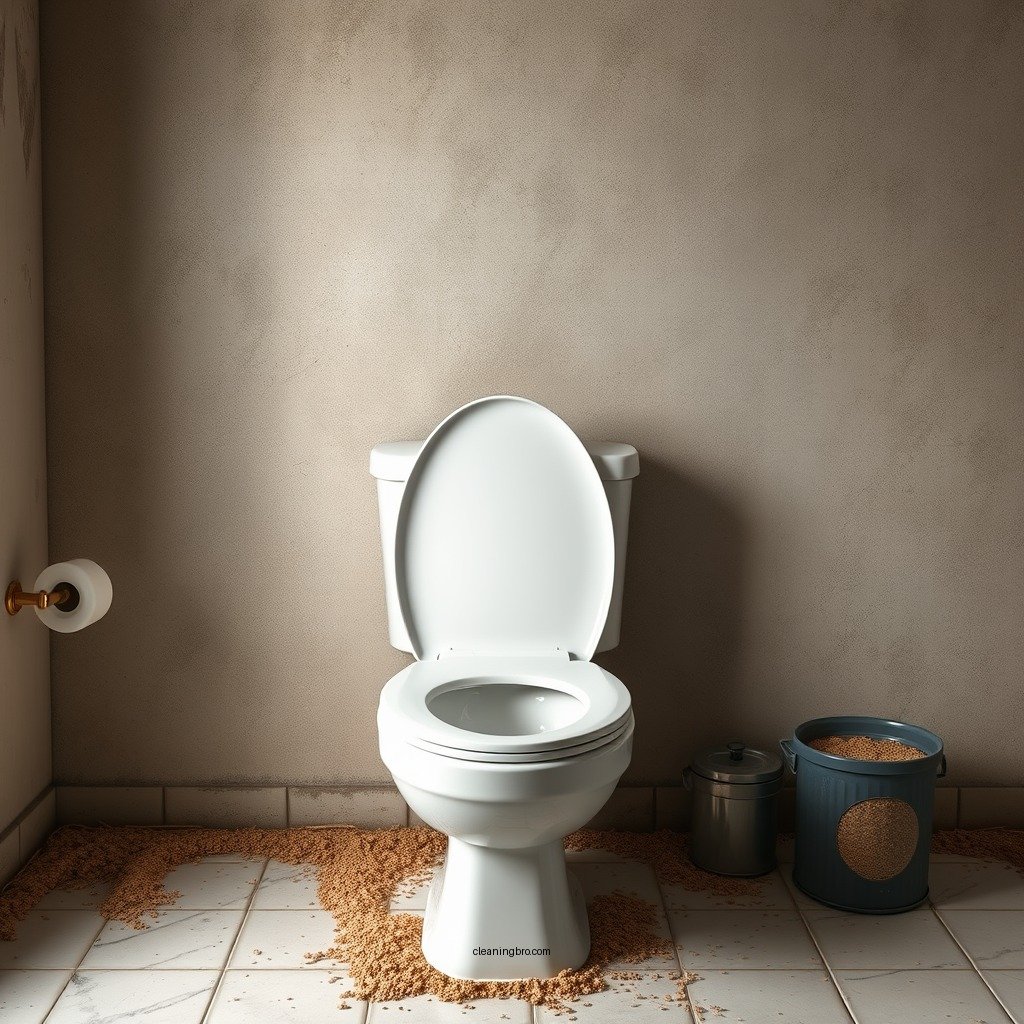
Mold is a type of fungus that flourishes in moist environments, making toilet tanks a prime candidate for growth. The primary factors contributing to mold development include stagnant water, which can occur in tanks that are not regularly flushed, and a lack of ventilation, which prevents moisture from evaporating. Other contributing factors may include infrequent cleaning and the introduction of organic materials, such as sediment and bacteria, which can serve as food sources for mold spores. Recognizing these causes can help you implement more effective cleaning and maintenance strategies.
Necessary Supplies for Cleaning
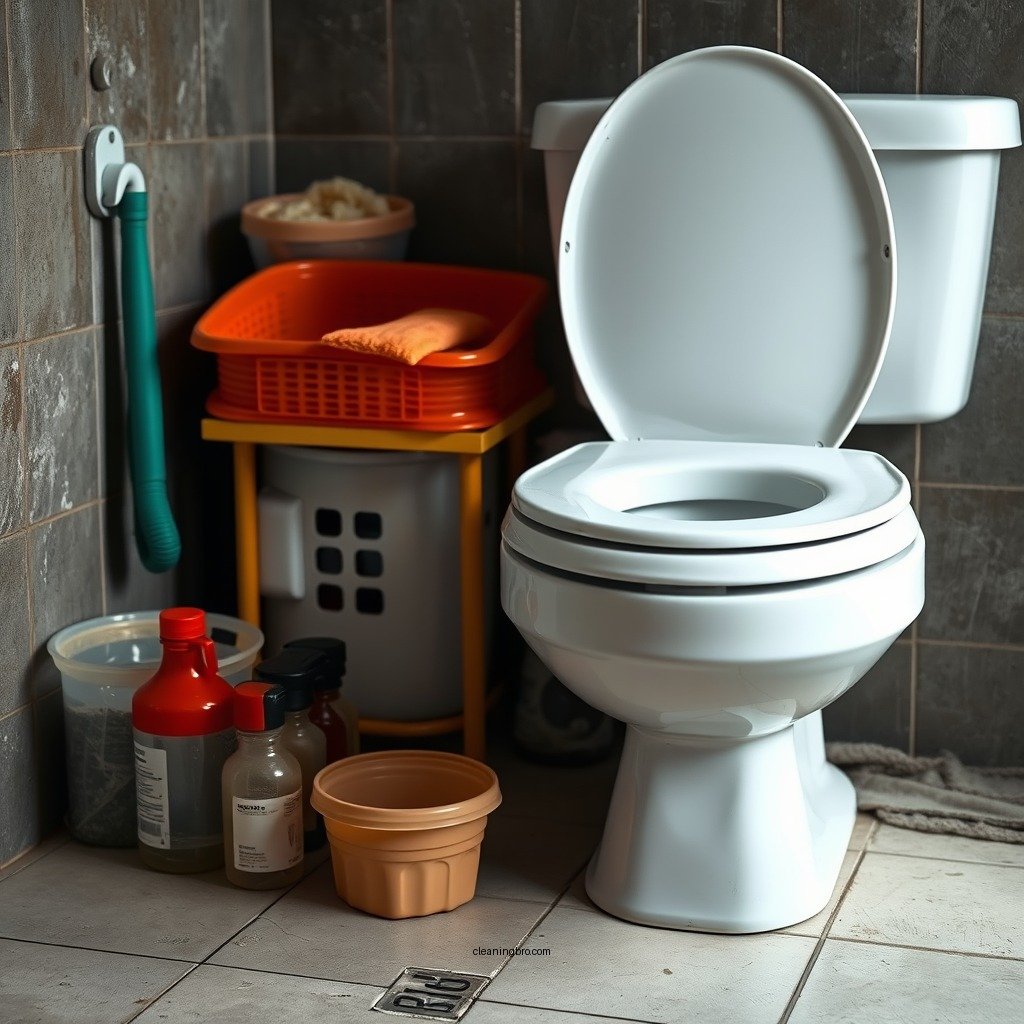
Before you begin the cleaning process, it’s essential to gather the necessary supplies. The following items are typically required:
– Vinegar: A natural disinfectant and mold remover, vinegar is effective in breaking down mold and mildew.
– Baking Soda: This common household item acts as a mild abrasive that can help scrub away stubborn mold.
– Scrub Brush: A stiff-bristled brush is ideal for reaching into the tank corners and scrubbing mold off surfaces.
– Rubber Gloves: Protect your hands while cleaning, as mold and cleaning agents can be irritating to the skin.
Optional supplies may include a specialized toilet tank cleaner or bleach for tougher mold stains. However, it is crucial to follow the manufacturer’s instructions for any chemical products to ensure safety and effectiveness.
Step-by-Step Cleaning Process
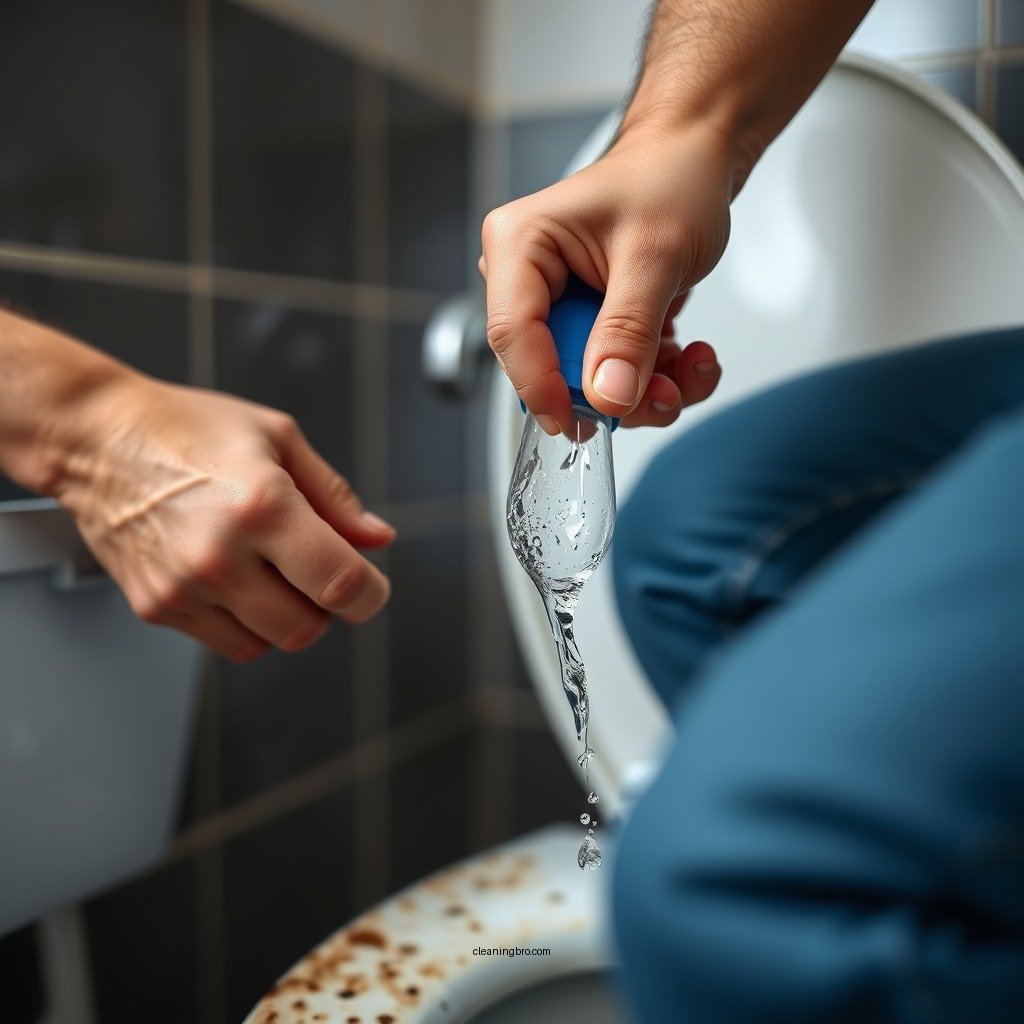
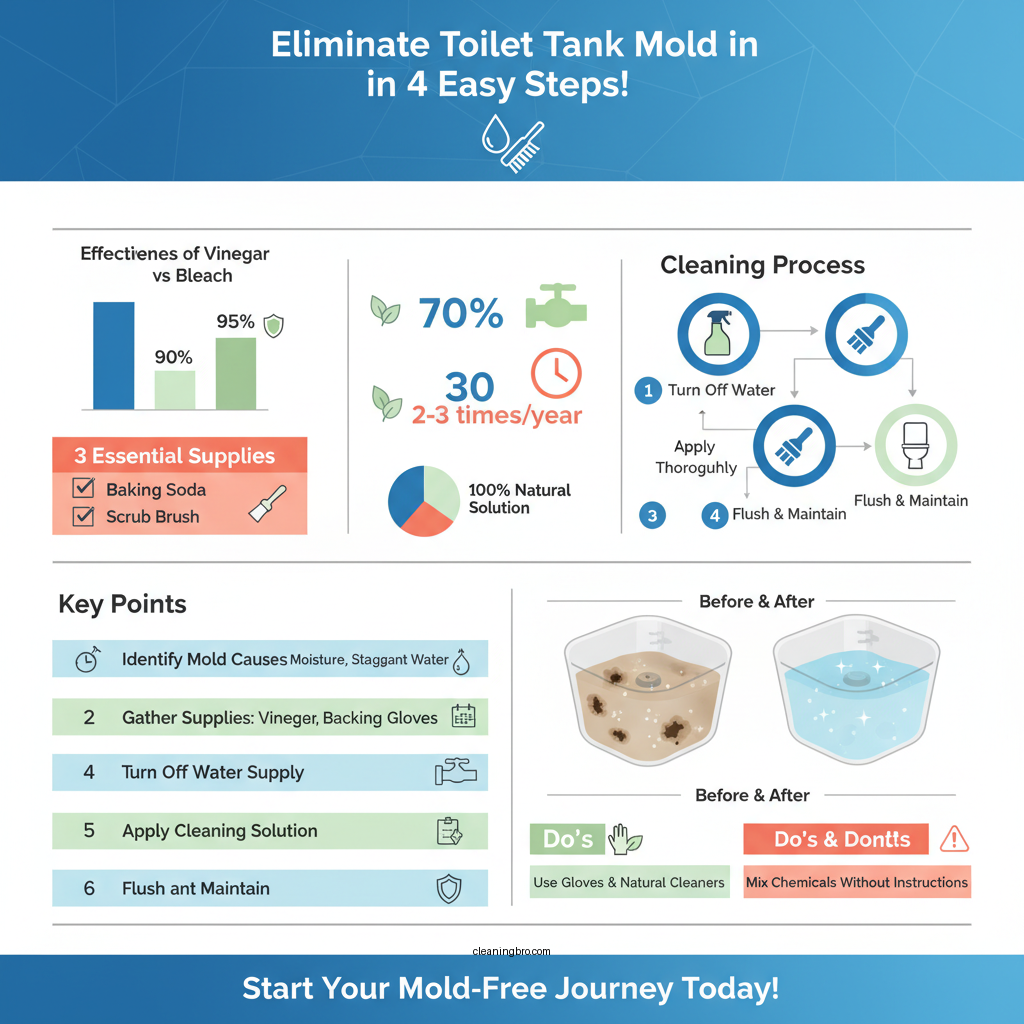
1. Turn Off the Water Supply: Locate the valve behind your toilet and turn it off. This will prevent water from filling the tank while you clean.
2. Flush the Toilet: Flush to empty the tank, allowing you to access the interior surfaces directly.
3. Apply Cleaning Solution: Pour an adequate amount of vinegar or your chosen toilet tank cleaner into the tank. Make sure to cover all areas where mold is visible. Allow the solution to sit for at least 30 minutes. This dwell time is essential for effective mold breakdown.
4. Optional Step: For added cleaning power, you can sprinkle baking soda into the tank after the vinegar has set. The reaction between the vinegar and baking soda will create a fizzing action that helps lift dirt and mold.
Scrubbing and Rinsing
After allowing the cleaning solution to sit, use your scrub brush to thoroughly scrub the insides of the tank. Focus on areas where mold is most prominent, typically the corners and around any components inside the tank. Be sure to scrub gently to avoid damaging any internal parts.
Once you finish scrubbing, it’s time to rinse away the debris. Turn the water supply back on and flush the toilet several times to ensure all cleaning agents and loosened mold particles are completely washed out of the tank. After rinsing, check for any remaining mold and repeat the cleaning process if necessary.
Common Causes of Mold in Toilet Tanks
| Cause | Description | Impact Level |
|---|---|---|
| Stagnant Water | Water that remains in the tank for extended periods. | High |
| Poor Ventilation | Lack of airflow in the bathroom. | Medium |
| Organic Material | Sediments and bacteria in the tank. | High |
| Infrequent Cleaning | Not cleaning the toilet tank regularly. | High |
| Broken Seal | Leaking water can lead to dampness. | Medium |
| Humidity | High humidity in the bathroom. | High |
| Temperature Fluctuations | Changes in temperature can promote mold growth. | Medium |
Preventing Future Mold Growth
Maintaining a clean toilet tank is a proactive approach to preventing mold growth. Regularly inspect your toilet tank for signs of mold and establish a cleaning schedule, ideally every three to six months, depending on your bathroom’s humidity levels and usage frequency.
To deter mold formation, it’s also beneficial to maintain proper ventilation in your bathroom. Open windows or use an exhaust fan during and after showers to minimize moisture accumulation. Additionally, ensure the toilet tank does not have standing water by regularly flushing and checking for leaks that may cause excess moisture.
Additional Tips for Effective Mold Removal
For an eco-friendly approach, consider utilizing a mixture of baking soda and vinegar as a cleaning solution. This combination is not only effective but also safe for the environment and your plumbing.
If mold persists despite your cleaning efforts, it may be indicative of underlying plumbing issues, such as leaks or poor drainage. In such cases, consulting a professional plumber would be advisable to identify and rectify any plumbing-related problems contributing to mold growth.
Toilet Tank Cleaning Products: Effectiveness Comparison
| Product | ⭐ Vinegar | Baking Soda | Bleach |
|---|---|---|---|
| Effectiveness | High | Medium | Very High |
| Ease of Use | Easy | Easy | Moderate |
| Cost | Low | Low | High |
| Environmental Impact | Eco-Friendly | Eco-Friendly | Harmful |
| Safety | Safe | Safe | Caution Required |
| Odor Control | Good | Fair | Excellent |
| Stain Removal | Effective | Moderate | Very Effective |
| Usage Frequency | Regular | Monthly | As Needed |
| Best For | Eco-conscious cleaning | Light cleaning tasks | Heavy-duty cleaning |
Cleaning mold out of your toilet tank is a simple yet crucial task that helps maintain a healthy bathroom environment. By following the steps outlined above, you can effectively remove mold and prevent its recurrence. Regular inspections and cleaning are essential to ensure your toilet tank stays clean and fresh. Don’t wait—take action today to ensure your bathroom remains a safe and pleasant space for you and your family!
Frequently Asked Questions
How do I know if there is mold in my toilet tank?
You can identify mold in your toilet tank by looking for dark stains or a slimy film on the walls of the tank. Additionally, if you notice a musty odor coming from the toilet, it may indicate mold growth. Regularly inspecting your toilet tank can help catch this issue early.
What are the best products to clean mold out of a toilet tank?
The best products for cleaning mold out of a toilet tank include white vinegar, baking soda, and commercial mold removers. White vinegar is an effective natural solution that can kill mold spores, while baking soda helps scrub away stubborn stains. For more severe mold infestations, consider using a specialized toilet tank cleaner that targets mold and mildew.
Why is mold growing in my toilet tank, and how can I prevent it?
Mold grows in toilet tanks primarily due to stagnant water and lack of ventilation, especially in humid environments. To prevent mold growth, regularly flush your toilet to keep water circulating and consider adding a tank tablet that helps prevent mold and bacteria buildup. Additionally, ensuring proper bathroom ventilation can help reduce humidity levels.
How can I safely clean mold out of my toilet tank without damaging it?
To safely clean mold out of your toilet tank, start by turning off the water supply and draining the tank. Use a mixture of vinegar and baking soda to scrub the interior surfaces gently with a soft brush or cloth. Avoid using abrasive cleaners or tools, as they can scratch and damage the tank’s surface.
Which tools do I need to effectively remove mold from my toilet tank?
To effectively remove mold from your toilet tank, you will need a soft scrub brush, gloves, a spray bottle for your cleaning solution (such as vinegar), and a cloth for drying. Additionally, having a bucket nearby can help catch any water that spills during the cleaning process, ensuring a more efficient cleanup.
References
- https://www.cdc.gov/healthywater/drinking/cleaning/toilets.html
https://www.cdc.gov/healthywater/drinking/cleaning/toilets.html - https://www.niehs.nih.gov/health/materials/mold_in_your_home_508.pdf
https://www.niehs.nih.gov/health/materials/mold_in_your_home_508.pdf - Mold Cleanup in Your Home | US EPA
https://www.epa.gov/mold/mold-cleanup-your-home - https://www.who.int/news-room/questions-and-answers/item/mold
https://www.who.int/news-room/questions-and-answers/item/mold - https://www.nytimes.com/2021/05/05/realestate/how-to-remove-mold-from-your-home.html
https://www.nytimes.com/2021/05/05/realestate/how-to-remove-mold-from-your-home.html - https://www.sciencedirect.com/topics/earth-and-planetary-sciences/mold
https://www.sciencedirect.com/topics/earth-and-planetary-sciences/mold - https://www.britannica.com/science/mold
https://www.britannica.com/science/mold - Google Scholar Google Scholar
https://scholar.google.com/scholar?q=how+to+clean+mold+out+of+toilet+tank - Google Scholar Google Scholar
https://scholar.google.com/scholar?q=mold+removal+in+homes - Google Scholar Google Scholar
https://scholar.google.com/scholar?q=mold+in+toilets+health+effects
