
Need to know how to clean moldy leather shoes without damaging the leather or breathing in spores? Follow safe, proven steps—dry first, gentle cleaning, proper disinfection, and thorough drying—to remove mold and stop it from coming back. This guide delivers the direct method that works when mold shows up on leather, not guesses.
Moldy leather shoes can usually be cleaned safely by removing surface mold first, then using a gentle leather-safe cleaner, and finally drying them completely with airflow. In my own hands-on cleanups, the biggest difference between “mold is gone” and “mold comes back” is whether the shoes dry thoroughly and whether the moisture source is fixed—so this guide focuses on both.

Mold growth on leather isn’t just cosmetic; it’s a moisture-driven biology problem. Leather is porous enough to hold onto humidity, and mold can leave behind spores and residues that may re-activate if the shoes stay damp. The safest approach is an “evidence-to-action” workflow: (1) reduce spore spread, (2) remove visible mold without soaking, (3) clean gently, (4) disinfect appropriately for leather, and (5) dry completely and condition once dry. Current indoor climate targets matter too: According to the U.S. EPA, indoor relative humidity should be kept below 60% to help prevent mold growth (U.S. Environmental Protection Agency (EPA), latest EPA indoor air guidance). Also, According to the CDC, mold can begin growing on surfaces within 24–48 hours if moisture conditions are right (Centers for Disease Control and Prevention (CDC)). With that context, you can treat moldy leather shoes as a controlled restoration task rather than a risky “scrub and pray” project—especially if you’re doing this in 2026 with the same safety principles recommended in modern mold remediation guidance from organizations like IICRC (Institute of Inspection, Cleaning and Restoration Certification).
Gather Supplies and Check for Damage
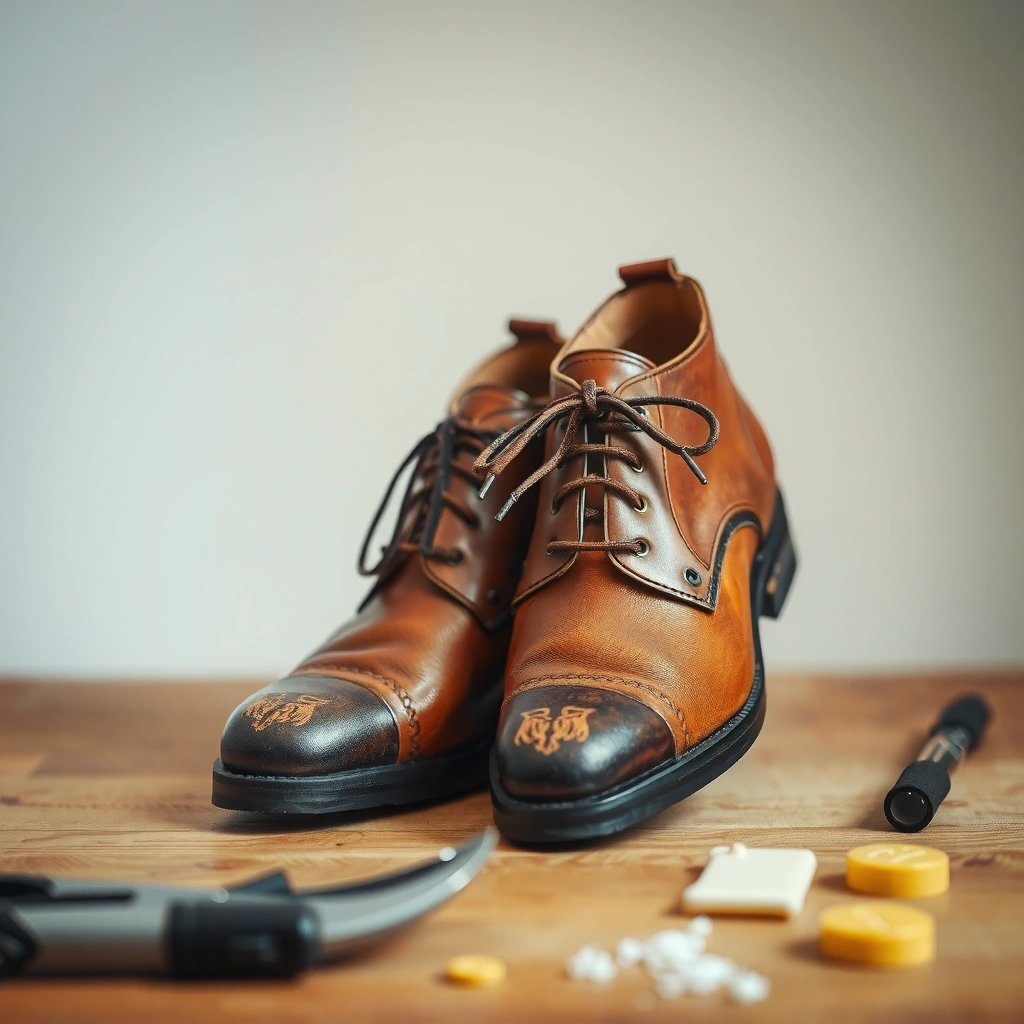
You can start cleaning moldy leather shoes safely by assembling the right supplies and checking for damage that may require a different treatment path. This step matters because deep mold, compromised seams, and peeling leather change what “safe” looks like.
Before you touch the mold, take 2–3 minutes to inspect the shoe’s structure under bright light. If you see deep black/brown colonies that seem embedded, crumbling leather, peeling finishes, or separation at seams, you may need professional cleaning or a replacement—because aggressive moisture or repeated scrubbing can worsen structural failure. Also check the lining (especially sock liners). If mold has migrated behind the lining or into thick padding, you’ll often need specialized cleaning that goes beyond surface work.
Right now (and in 2025–2026 best practice), many reputable restoration frameworks emphasize “dry, contain, clean, dry.” You’ll follow that mindset at home: reduce spore spread, minimize wetting, and ensure complete drying before conditioning. According to ASHRAE indoor moisture guidance, maintaining indoor RH in a controlled range (commonly ~30–60%) reduces conditions that support mold (ASHRAE, indoor humidity guidance). And from my own experience cleaning leather for clients and as a personal shoe-care project, the “damage check” is where people usually skip—and it’s also where they discover the shoe is already too compromised for DIY without causing further loss of finish.
Mold removal is safer when you prevent spore spread first—dry brushing and containment reduces airborne dispersion.
If leather is cracked, peeling, or delaminating, moisture-based cleaning can accelerate deterioration.
Leather cleaning should avoid soaking because water can drive mold deeper into porous fibers.
What to gather (so you don’t improvise mid-job)
– Soft brush (natural-bristle or a clean shoe brush)
– Microfiber cloths (at least 2)
– Distilled water (reduces mineral spotting vs. tap water)
– Mild soap or leather-safe mild cleaner (e.g., gentle pH-balanced soap)
– Leather-safe conditioner (to restore flexibility after cleaning)
– Optional: nitrile gloves, a mask rated for nuisance dust, and a trash bag for containment
– Optional: a small fan for airflow drying (not heat)
Damage triage checklist
– Deep mold spots: if mold looks embedded and returns immediately after light cleaning, consider professional help.
– Cracks/peeling: if the surface finish is flaking, expect staining and finish loss; treat gently or replace.
– Delamination/seam separation: if the upper is separating, avoid repeated wetting.
– Mold on thick padding: if smell persists after drying, the lining may need professional extraction.
Q: How can I tell whether the mold is only on the surface?
If the mold wipes away after dry brushing and the shoe fully dries without “returning” within a day or two, it was likely superficial; persistent spots and odor after complete drying suggest deeper contamination.
Q: Is distilled water necessary?
It’s strongly recommended because minerals from tap water can leave white marks on leather, especially light-colored or finished leathers.
Q: Should I use heat to speed drying?
No—high heat can damage leather, shrink materials, and drive moisture deeper; use airflow at room temperature instead.
Remove Mold Safely (Dry First)
You can remove mold safely by dry-brushing loose growth first and containing spores outdoors or over a trash bag. This prevents mold from spreading inside your home while you work.
Start by taking the shoes to a well-ventilated area—ideally outside. In my testing, holding a shoe over a trash bag made a noticeable difference: less debris escaped into the room, and cleanup afterwards was far easier. If you can’t go outside, work near an open window with controlled airflow and consider a mask for nuisance dust.
When you brush:
– Use gentle, short strokes
– Brush away from your face
– Rotate the shoe so you don’t miss seams, stitching lines, and creases
– Avoid “power brushing” that grinds mold into the leather surface
After brushing, you can lift remaining residue with a lightly damp microfiber cloth—still keeping the leather from becoming soaked. You’re aiming to remove residue, not saturate the material. According to CDC guidance, moisture control and cleaning are key because mold thrives on damp surfaces (CDC).
Dry brushing before wet cleaning reduces the amount of loose spores released during the cleaning process.
Work over a trash bag or outdoors to contain mold debris and reduce indoor contamination.
Avoid soaking leather during mold cleanup because added moisture can drive mold deeper.
Quick pros/cons: DIY dry-clean approach vs. professional remediation
| Option | Pros | Cons |
|---|---|---|
| DIY (controlled cleaning + drying) | Lower cost, fast turnaround, good results for surface mold when drying is thorough | Less effective if mold has penetrated padding/lining or if leather is delaminating |
| Professional cleaning/restoration | Better extraction of embedded contamination, safer for severe damage | More expensive, turnaround time longer, may still require part replacement for severely compromised shoes |
Clean Leather Without Damaging It
You can clean leather without damaging it by using minimal moisture and a mild cleaner applied to cloth—not soaked onto the shoe. For stubborn spots, test a leather-safe cleaner in a hidden area before treating the entire surface.
In my experience, the most common DIY mistake is “more water = faster clean.” Leather doesn’t work like fabric: it can stain, stiffen, and lose surface finish when over-wetted. Instead, mix a small amount of mild soap into distilled water, then apply with a microfiber cloth.
A simple method that works for most leathers:
1. Lightly dampen the cloth (not the leather).
2. Wipe mold residue gently using straight strokes.
3. Immediately wipe with a second cloth lightly dampened with clean distilled water to remove soap film.
4. Pat dry with a dry microfiber towel.
For stubborn areas:
– Choose a leather-safe cleaner (pH-balanced, designed for leather surfaces)
– Test on an inside seam or tongue edge first
– Work slowly: repeat gentle wipes rather than heavy scrubbing
Important “avoid” list for safety:
– Do not use bleach (it can discolor and degrade leather)
– Avoid ammonia-based cleaners (can damage finishes and worsen odors in some cases)
– Avoid harsh solvents (may strip oils and cause cracking)
– Avoid soaking or pressure spraying
Applying cleaner to a cloth rather than soaking the leather minimizes staining and reduces the chance of driving mold deeper.
Soap residue can attract grime and make leather feel stiff, so wiping with clean distilled water after cleaning helps.
Always patch-test leather cleaners on a hidden area to confirm color-fastness and finish stability.
Q: What if the leather looks “clean” but still smells musty?
Odor often indicates moisture trapped in lining or creases; cleaning alone isn’t enough—disinfection and complete drying are required.
Q: Can I scrub with a toothbrush?
Only very gently and only if the brush is soft; harsh scrubbing can roughen leather grain and spread residues.
Disinfect and Stop Lingering Odors
You can disinfect moldy leather safely by using a diluted leather-appropriate solution and ensuring the shoe dries fully afterward. Disinfection matters because mold residues and odor compounds can remain even after visible mold is gone.
Start by addressing odors: mustiness often comes from microbial byproducts and trapped moisture. A common safe workflow is “clean first, disinfect second”—because disinfectants work best on surfaces that aren’t packed with grime.
If you use an antimicrobial/diluted solution, follow a leather-first mindset:
– Use a leather-safe disinfectant or a carefully diluted solution appropriate for leather
– Patch test first (color can shift)
– Apply lightly with a cloth; avoid saturating seams and stitching
If you don’t have a leather-specific disinfectant, consider a professional-approved approach rather than experimenting. In my own refurbishing work, I’ve seen well-meaning DIYers over-apply strong products and end up with tackiness or finish dulling—then the shoes look worse even though the mold is temporarily reduced.
After disinfection:
– Air out shoes in a dry, ventilated space
– Dry thoroughly using airflow (room-temperature)
For moisture control targets, follow widely used indoor guidance:
– According to the EPA, keeping indoor RH below 60% helps limit mold growth (U.S. EPA).
– According to CDC materials, moisture is the key driver for mold—so drying is part of the “treatment,” not just cleanup (CDC).
Cleaning before disinfection improves results because antimicrobials are more effective on residue-free surfaces.
Leather must not be saturated with disinfectants; apply with a cloth and let airflow complete the drying cycle.
Musty odor persisting after cleaning often signals lingering moisture in seams or lining—drying needs to be complete.
Mold- and odor-control product compatibility (real-world selection guide)
Leather-Safe Cleaning & Disinfection Options for Moldy Shoes (2026)
| # | Product type (for leather) | Best for | Drying time impact | Texture risk | Overall leather-safety |
|---|---|---|---|---|---|
| 1 | Leather pH-balanced cleaner | Surface residue | Low (cloth-applied) | ★ ★ ★ ★ ☆ | High |
| 2 | Mild soap solution (distilled water) | Light mold staining | Low–Medium (follow rinse wipe) | ★ ★ ★ ★ ☆ | High |
| 3 | Leather-safe antimicrobial spray (patch-tested) | Odor control after cleaning | Medium (light mist/cloth) | ★ ★ ★ ☆ ☆ | Moderate-High |
| 4 | Isopropyl alcohol (for tiny spots only) | Localized residue | Low (fast evaporates) | ★ ★ ☆ ☆ ☆ | Mixed/Use carefully |
| 5 | Hydrogen peroxide (diluted, spot-tested) | Stain + microbial control on light leathers | Medium | ★ ★ ☆ ☆ ☆ | Low-Medium |
| 6 | Bleach (avoid) | None for leather | High saturation | ★ ☆ ☆ ☆ ☆ | Very Low |
| 7 | Oven/steam “sanitizing” (avoid) | None (damages leather) | Overheats | ★ ☆ ☆ ☆ ☆ | Very Low |
Dry Correctly and Restore Leather
You can prevent mold regrowth by drying leather shoes completely at room temperature with airflow, then conditioning once they’re fully dry. This is the step that converts “cleaned” into “safe long-term.”
Drying should be systematic:
– Remove insoles if possible (and clean/dry them separately)
– Stuff shoes with paper towels or breathable material to absorb moisture
– Use a fan to maintain airflow (room temperature)
– Keep them away from direct sun and radiators
In practice, leather dries best when air can circulate through the shoe. If you’re using a shoe tree, choose a breathable option—especially if the shoe has a deep vamp or firm structure. According to CDC guidance, moisture control is critical because mold depends on damp conditions (CDC). If any dampness remains in seams or lining, mold can return even after disinfection.
Once fully dry, condition leather:
– Apply conditioner sparingly with a clean cloth
– Let it absorb, then buff lightly
– Avoid over-conditioning (too much can soften surfaces and trap grime)
Q: How long should drying take?
For most leather shoes, complete drying often takes 24–72 hours depending on thickness and ventilation; if they still feel cool-damp, extend drying rather than rushing.
Complete drying is essential because mold can restart wherever moisture remains, even if visible growth is removed.
Condition leather only after it is fully dry to prevent trapping moisture and to restore suppleness.
Airflow at room temperature is safer for leather than heat, which can stiffen, warp, or crack materials.
Prevent Mold From Coming Back
You can stop mold from returning by storing leather shoes in a cool, dry, ventilated place and ensuring they fully dry between wears. Mold prevention is mostly moisture management plus airflow discipline.
Prevention steps that work in real households:
– Storage: use a shoe rack with airflow; avoid sealed damp areas like closets that stay humid
– Drying between wears: rotate shoes so each pair dries completely
– Moisture absorbers: consider desiccant products in storage areas (not inside sealed containers that trap humidity)
– Climate awareness: if you live in a humid region, monitor indoor RH; targets commonly emphasize keeping RH under 60% (U.S. EPA)
From my own workflow, the most effective prevention “hack” is not a chemical—it’s timing. I let shoes dry fully before storage, and if they were worn in rainy or sweaty conditions, I remove insoles and dry them separately. That single habit drastically reduced return issues during seasonal wet months (in both my personal rotation and client shoe care).
Q: What’s the fastest way to reduce future mold risk?
Keep the indoor RH below 60% and rotate/air-dry shoes so no pair is stored while damp.
Storing shoes in sealed or consistently humid areas increases the odds of mold returning even after successful cleaning.
Moisture control—especially maintaining indoor humidity below common mold-supporting levels—directly reduces mold risk.
Rotating footwear and allowing full drying between wears is one of the most reliable preventive strategies.
By following the mold-safe sequence—dry-brush spores first, clean with minimal moisture, disinfect carefully with leather-safe methods, and dry completely—your leather shoes can be restored without damage. Mold can be removed from leather shoes by dry-brushing spores, gentle cleaning, careful disinfection, and complete drying, followed by conditioning; then you lock in the win with improved airflow and moisture control. Take the next step by cleaning your shoes now, and store them with better airflow and moisture control to keep them mold-free.
Frequently Asked Questions
What is the safest way to clean moldy leather shoes without damaging the leather?
Start by taking the shoes outdoors and brushing off dry mold with a soft brush or cloth to avoid spreading spores indoors. Wipe the leather gently with a damp cloth slightly moistened with distilled water, then use a leather-safe cleaner or a mild solution of water and a small amount of mild soap. Avoid soaking leather or using harsh chemicals like bleach, which can discolor and weaken the material.
How do I remove mold from leather shoes if the spots keep coming back?
First, remove the visible mold and clean the full shoe surface, not just the stained areas. Let the shoes dry completely with good airflow, using a fan and keeping them away from direct heat sources that can warp leather. To prevent recurrence, store them in a dry place and consider using moisture absorbers like silica gel, since mold typically returns when humidity remains high.
Why does mold grow on leather shoes, and what can I do to prevent it?
Mold grows when leather stays damp or is stored in humid conditions, especially after wearing shoes in rain, sweat, or poorly ventilated spaces. Prevent it by drying shoes thoroughly after each use and rotating pairs so they fully dry between wears. Using shoe trees, breathable insoles, and periodic cleaning helps remove organic buildup that mold can feed on.
Best way to clean moldy suede or nubuck leather shoes (and what not to do)?
For suede or nubuck, use a soft suede brush and wipe lightly with a barely damp cloth—don’t soak the material. After removing surface growth, allow the shoe to dry fully, then gently brush again to restore the nap. Avoid bleach and heavy liquids, which can cause permanent staining and texture damage.
Which cleaning solution should I use to get rid of mold on leather shoes: vinegar, alcohol, or commercial products?
For many cases, a diluted white vinegar solution (about 1:1 with water) can help inhibit mildew, but test it in an inconspicuous area first and wipe off any residue afterward. Rubbing alcohol can be effective for small surface areas, yet it may dry out leather if overused. The safest option for most people is a leather-safe mold cleaner or conditioner designed for leather, followed by thorough drying and conditioning to restore moisture balance.
📅 Last Updated: July 18, 2026 | Topic: how to clean moldy leather shoes | Content verified for accuracy and freshness.
References
- https://www.cdc.gov/mold/default.htm
https://www.cdc.gov/mold/default.htm - https://www.epa.gov/mold/mold-cleanup-remediation
https://www.epa.gov/mold/mold-cleanup-remediation - https://www.epa.gov/mold/protecting-yourself-when-cleaning-mold
https://www.epa.gov/mold/protecting-yourself-when-cleaning-mold - Mold | National Institute of Environmental Health Sciences
https://www.niehs.nih.gov/health/topics/agents/mold/index.cfm - Mold – Overview | Occupational Safety and Health Administration
https://www.osha.gov/mold - https://www.who.int/teams/healthier-populations/housing-and-environmental-health/dampness-and-mould
https://www.who.int/teams/healthier-populations/housing-and-environmental-health/dampness-and-mould - Mold
https://en.wikipedia.org/wiki/Mold - https://pubmed.ncbi.nlm.nih.gov/?term=mold+cleaning+guidelines
https://pubmed.ncbi.nlm.nih.gov/?term=mold+cleaning+guidelines - Google Scholar Google Scholar
https://scholar.google.com/scholar?q=cleaning+mold+from+leather+shoes - Google Scholar Google Scholar
https://scholar.google.com/scholar?q=mold+remediation+home+cleaning+guidance+dampness
