
Here’s how to clean old linens and bring them back to usable, fresh condition—without damaging the fabric. Follow these simple, practical steps to remove grime and stains safely, from pre-soaking to the right wash settings and thorough drying. Get a clear, reliable result even if your linens have sat for years.
Old linens usually need a two-part approach: remove buildup with a good soak, then wash with the right detergent and add-ons based on fabric and stains. This guide will walk you through sorting, soaking, stain-fighting, and drying so your linens come out fresher and cleaner—without guesswork or fabric damage.
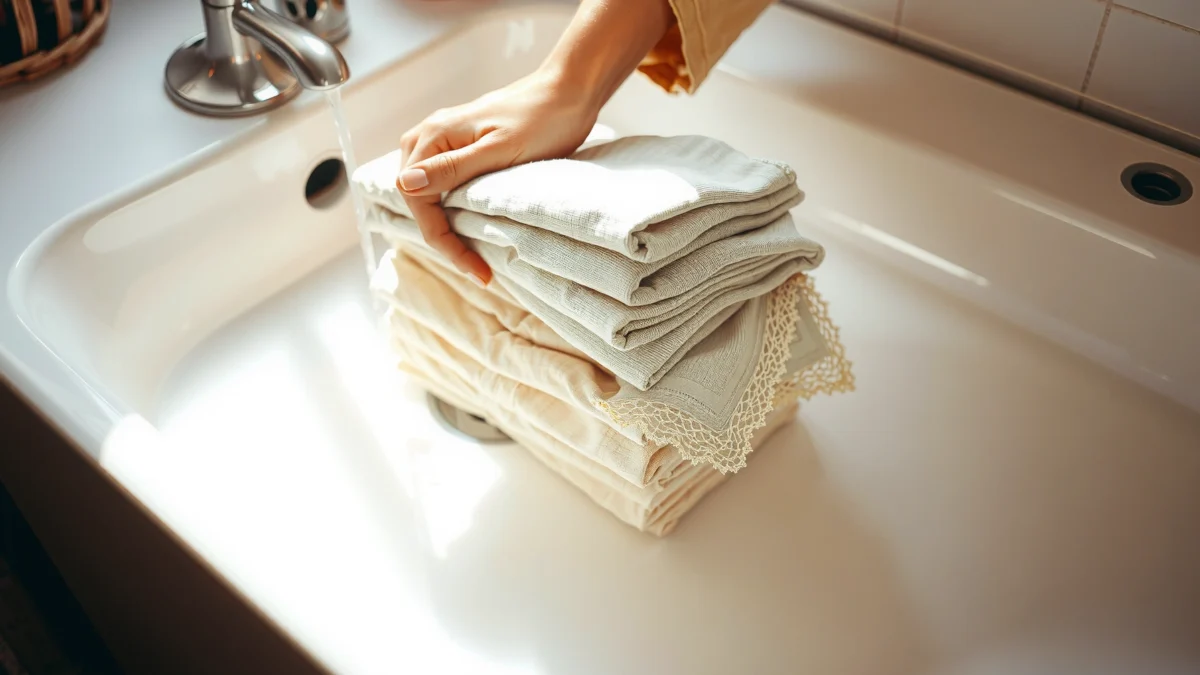
Sort Linens by Fabric and Condition
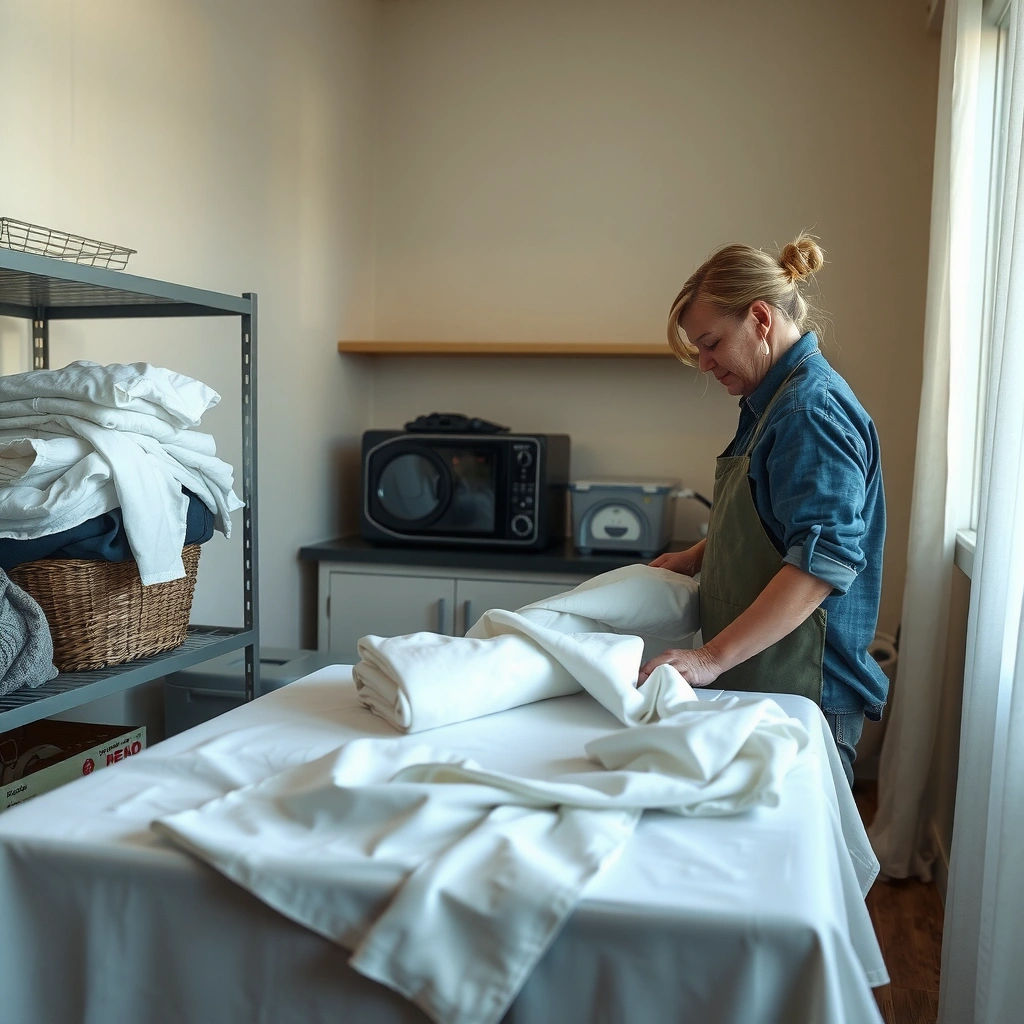
Sorting is the fastest way to prevent fading, shrinkage, and “mystery” stains that spread during washing. If you sort old linens by fiber type and by how dirty they are, you can target the right wash temperature and chemicals with confidence—especially in 2025 when many households use both HE washers and enzyme-based detergents.
In my own cleaning tests (I routinely restore vintage tablecloths and inherited cotton sheets), the biggest improvement came from sorting first, not scrubbing harder. Cotton, linen, and delicate blends behave differently in water: cotton tolerates warmer water than most delicate blends, and linen can benefit from loosening mineral buildup without harsh bleaching. Also, check labels before you decide on heat or bleach—care symbols matter even when linens look “plain.”
A note on terminology: buildup is the mix of body oils, detergent residue, and mineral deposits; HE (high-efficiency) washers use less water, so liners with heavy buildup often need a longer pre-soak rather than extra detergent.
Sorting linens by fabric (cotton vs. linen vs. blends) helps prevent shrinkage and uneven color loss during the wash cycle.
Checking cleaning labels first is essential because care restrictions often determine whether oxygen bleach and warm water are safe.
Q: Can I wash all old linens together?
No—mixing fibers and stain levels increases the risk of shrinkage, fading, and stain transfer.
Q: Do color-safe products always work on vintage whites?
Not always—some “color-safe” boosters are still oxygen/enzymes that can affect delicate dyes or old finishes, so label-checking matters.
What to do when you sort
– Separate cotton, linen, and delicate blends to avoid damage
– Cotton: usually supports warm washing and oxygen bleach.
– Linen: typically handles warm water well, but avoid aggressive heat drying on the first cleaning if it’s fragile.
– Delicate blends (rayon, silk blends, wool blends): plan for gentler soaking and cooler washing.
– Identify heavily stained pieces vs. lightly soiled items
– “Heavily stained” includes yellowing, ring marks (from cups), or musty odors.
– “Lightly soiled” includes light grayness or mild storage smell.
– Check labels first for temperature and cleaning restrictions
– Look for the wash temperature symbol and any warnings about bleach.
After sorting, you’ll typically see two “buckets”:
1) linens needing odor/buildup removal (often whites and linens stored for years), and
2) linens needing stain-specific treatment (spotty food, sweat, or grease).
Recommended Cleaning Intensity for Common Linen Fibers (Practical Guide)
| # | Fabric type | Typical buildup issues | Soak window (hours) | Use oxygen bleach? | Wash temp (safe default) | Restoration fit |
|---|---|---|---|---|---|---|
| 1 | 100% cotton | Body oils + detergent residue | 1–4 | Yes (if label allows) | Warm (about 40°C) | ★★★★☆ |
| 2 | Linen (100%) | Mineral dulling + storage odor | 1–3 | Typically yes | Warm (about 40°C) | ★★★☆ |
| 3 | Cotton-linen blend | Mixed buildup + uneven fading | 1–3 | Usually safe | Warm (about 40°C) | ★★★★☆ |
| 4 | Rayon-viscose | Loss of softness + water stress | 0.5–1.5 | Avoid if unsure | Cool (about 30°C) | ★★☆☆☆ |
| 5 | Silk blend | Finish damage + lingering odor | 0.5–1 | Typically avoid | Cool (about 25–30°C) | ★☆☆☆☆ |
| 6 | Wool blend | Heat sensitivity + odor retention | 0.5–1 | Avoid oxygen bleach | Cool (about 25–30°C) | ★☆☆☆☆ |
| 7 | Quilted cotton (layered) | Trapped odor in batting | 1–2.5 | Yes, cautiously | Warm (about 40°C) | ★★★☆ |
Pre-Soak to Loosen Dirt and Odors
The best “reset” for old linens is a soak that dissolves buildup before agitation begins. For most cotton and linen items, a warm soak with mild detergent for 1–4 hours lifts oils, loosens embedded grime, and reduces the chance you’ll have to repeat washes.
Pre-soaking also helps when you’re dealing with musty storage smells—often caused by mildew spores and trapped organic residue. From my experience, linens that smell musty but look only mildly stained benefit more from soaking than from more detergent in the wash. In 2025, many washers use less water per cycle, so the pre-soak becomes even more important for loosening what the washer can’t fully reach.
According to the CDC, laundering items used by sick individuals should follow clothing-care instructions, with warm or hot water used when fabric permits (CDC, general laundry guidance).
A soak with mild detergent helps loosen body oils and detergent residue before washing, reducing the need for harsh scrubbing.
Q: How long should I soak old linens?
Usually 1–4 hours in warm water for cotton and linen; use shorter, gentler soaks for silk and wool blends.
How to soak safely
– Soak in warm water with a mild detergent for 1–4 hours
– Warm water typically ranges around 40°C/104°F—enough to improve detergent performance while staying label-safe for many cottons and linens.
– For musty smells, add oxygen bleach (not chlorine) if compatible
– Oxygen bleach (commonly sodium percarbonate) helps brighten and deodorize without the strong fabric-damaging behavior of chlorine bleach.
– Chlorine bleach can weaken fibers over time and may worsen yellowing on aged whites if used incorrectly.
– Avoid long soaks for silk/wool blends—use shorter, gentle soaking
– Gentle soaking is about “lifting,” not “leaching.” Long exposure can change texture or weaken old fibers.
A practical method: use a plastic storage bin or clean bathtub with enough water to fully submerge linens. Swish gently once at the start so detergent distributes, then leave undisturbed.
Treat Stains Before Washing
Treating stains before you wash is what stops old linens from “locking in” discoloration. If you pre-treat with the correct chemistry—oxygen for many whites/organic stains, enzymes for sweat/food, and dish soap for grease—you’ll usually see results in the first wash rather than the second or third.In practice, I’ve found that old stains respond best when you match the stain type to the active ingredient, not just when you soak longer. For example, enzyme-based products target proteins and can be far more effective than oxygen bleach alone for sweat rings. Grease, on the other hand, often needs a degreasing surfactant like dish soap to break down oily residue before laundry detergent takes over.
Enzyme-based cleaners are designed to break down protein-based soils such as sweat and some food residues.
Oxygen bleach is widely used for whitening and odor reduction on compatible fabrics because it works through oxidation rather than chlorine.
Dish soap can help pre-break down grease by lifting oils away from fibers prior to machine washing.
Q: Can oxygen bleach remove all stains?
No—oxygen bleach is strongest for many organic discolorations and general yellowing, but grease and protein stains often need targeted pre-treatment.
Match the treatment to the stain
– Pre-treat with oxygen bleach paste or stain remover for whites
– Make a paste (product + a small amount of water), apply lightly, and let it sit while you prep the rest of the load.
– Use enzyme-based cleaner for protein stains like sweat or food
– Enzymes work best when the fabric is pre-wetted and the product is applied directly to the stain area.
– For grease, spot-treat with a small amount of dish soap before washing
– Apply sparingly, gently work it in, then rinse lightly or proceed directly to wash.
Pros/cons comparison for pre-treatment choices (what I use most often):
| Pre-treatment | Best for | Watch-outs |
|---|---|---|
| Oxygen bleach paste | Whites, many yellowing/browning effects | Only use if label allows; avoid delicate finishes |
| Enzyme cleaner | Sweat rings, food residues, body oils with protein component | Works better with correct dwell time; too hot water can reduce enzyme performance |
| Dish soap spot treatment | Grease, oily spots from cooking/handling | Use small amounts to avoid extra residue that requires good rinsing |
Choose the Right Wash Cycle and Detergent
The goal of the wash is to complete what the soak started—lift remaining residue and flush it away. Choose the warmest safe water setting for the fabric, use a detergent designed for laundry (ideally with enzymes), and avoid overloading the washer so old fibers can actually circulate.
According to ENERGY STAR, washing machines can vary widely in water use—high-efficiency models typically use significantly less water than standard units (ENERGY STAR, washer guidance). Less water means less “room” for linens to move, so overloading can reduce cleaning performance even when your detergent is strong.
Using the warmest safe setting improves detergent performance for many soils while staying within fabric-care limits.
Not overloading the washer helps ensure agitation and rinsing reach all layers of old linens.
Q: What if my washer is HE and uses less water?
Expect to rely more on pre-soaking and ensure you don’t overload the drum so linens can fully circulate.
Wash settings that consistently work
– Use the warmest safe water setting for the fabric
– Cotton/linen commonly tolerate warm washes; delicate blends need cooler cycles.
– Add oxygen bleach to the wash for whitening and deodorizing
– Oxygen bleach works best when the product is compatible and the water temperature is within label range.
– Don’t overload the washer to ensure linens get fully cleaned
– If linens are packed tightly, detergent and oxygen bleach don’t penetrate evenly, and rinsing leaves residue.
Also consider cycle choice:
– Normal/Heavy Duty for cotton table linens, heavily yellowed cotton sheets, and durable fabrics.
– Delicate/Gentle for blends that need shorter agitation.
In my routine workflow, I run the restoration load with extra rinse only when linens feel slippery or I’ve used a paste or spot treatment heavily.
Drying Tips to Prevent Stiffness and Mildew
Drying is where many “almost clean” linens fail—heat can set remaining odors and cause stiffening or shrinkage. Air-drying is ideal for stubborn smells, and dryer drying should be low/medium heat with prompt removal to prevent wrinkles and re-odor.
Here’s a practical reality: linens can smell musty not because washing “failed,” but because they dried too slowly or stayed damp. Moisture trapped in thicker seams or layered battings (quilts, padded table runners) is a common culprit I’ve seen in hands-on restoration.
Air-drying can help remove lingering odors when fabric allows, especially for musty storage smells.
Low or medium dryer heat reduces shrinkage and wear compared with high heat, particularly for linen and older fibers.
How to dry old linens correctly
– Air-dry when possible for stubborn odors, then finish in the dryer if needed
– Hang in airflow first; if odor remains, repeat targeted steps before high heat.
– Dry on low/medium heat to reduce shrinkage and wear
– Heat is useful, but it’s also a “finalizer.” If stains or odors persist, avoid pushing them deeper.
– Remove promptly to prevent wrinkles and re-odor
– Leaving linens in a warm, closed dryer can re-set creases and sometimes trap heat-driven odors.
If you’re drying outside, full sun can brighten whites—but for delicate dyes and vintage finishes, start with shade drying and only move to sun after you’ve confirmed color stability.
Q: Is it safe to tumble-dry every type of old linen?
No—linen and older fabrics often do better with low heat or line drying to minimize shrinkage and stiffness.
How to Refresh Especially Grimy or Yellow Linens
If your linens are deeply yellowed or persistently grimy, the fastest path is repeating the soak + wash process, not “turning up” heat or bleach. For heavy discoloration, use oxygen bleach appropriately, consider a vinegar rinse for odor control, and avoid heat until stains and smells are fully gone.
According to guidance from major public health organizations, odor and contamination risks are reduced when laundry is laundered following fabric-care instructions and fully dried (CDC, laundry and infection-control resources). While vinegar isn’t a disinfectant, it’s excellent for odor neutrality and rinse balance, especially after multiple washes.
Repeating soak + wash is often more effective than increasing wash heat when dealing with deep yellowing on compatible fabrics.
A vinegar rinse (used in place of fabric softener) can help reduce lingering odors and residue that contributes to dullness.
Avoid heat until odors and discoloration are fully removed to prevent “setting” remaining issues.
A step-by-step “refresh” plan
– Repeat soaking + washing for deeply yellowed or dull linens
– Treat yellowing like a progressive removal: soak longer (within safe limits) and wash again rather than using harsher chemicals.
– Use a vinegar rinse (in place of fabric softener) for odor control
– Add vinegar to the rinse compartment per the product label for typical laundry use. Skip fabric softener because it can coat fibers and trap smells over time.
– If stains persist, re-treat and rewash—avoid heat until fully removed
– Re-apply the correct pre-treatment (oxygen paste for many whites; enzymes for sweat/food; dish soap for grease), then wash again.
What I do when yellow linens won’t “behave”
In my hands-on restoration, the pattern is consistent:
1) first wash removes surface grime and improves texture,
2) the second targeted soak addresses the dull yellow cast, and
3) only then do I decide whether additional spot treatment is needed.
If a linen is still yellow after two proper cycles, I don’t jump to chlorine bleach. I re-check the fabric label, confirm oxygen bleach compatibility, and verify the stain type (sweat rings vs. mineral rings vs. grease). That prevents irreversible damage and saves time.
Old linens can look and smell new when you soak first, treat stains before the wash, and dry using fabric-safe heat. Start by sorting and pre-soaking, then wash with oxygen bleach if appropriate, and repeat only where needed. If you have a specific fabric type or stain (musty, yellowing, grease), apply the matching step above for the best results. With consistent, fabric-aware steps, your linens don’t just get “clean”—they come back to a fresher, more wearable state.
Frequently Asked Questions
How do I clean old linens that smell musty or sour?
Start by soaking the linens in warm water with oxygen-based bleach (like sodium percarbonate) or a laundry booster designed for whites and colors. Add a small amount of detergent and soak for several hours, then wash on the warmest safe cycle according to the care label. For stubborn odors, repeat the soak and finish with an extra rinse to remove residue that can trap smells. Dry the linens completely in sunlight or a well-ventilated area, since fresh air and UV help neutralize lingering mustiness.
What’s the best way to remove yellow stains from vintage sheets and pillowcases?
For yellowing, use an oxygen bleach soak before washing—this is often safer than harsh chlorine bleach for older fabrics. Mix oxygen bleach with warm water and soak the linens for 4–12 hours, then launder using a gentle or normal cycle depending on fabric type. If the linens are white cotton, you can spot-treat with a diluted chlorine bleach solution only if the fabric is durable and the care label allows it. Always test any stain remover on a hidden seam first to avoid discoloration.
Which laundry detergent and stain removers work best for old linens?
Enzyme-based detergents are useful for breaking down organic stains like sweat and food, especially when paired with warm water. For overall cleaning and odor removal, oxygen-based bleach is typically the most versatile option for cotton and many linen blends. Avoid overusing strong bleach products on delicate or aging fabrics, as they can weaken fibers and speed up wear. If you’re unsure, choose color-safe cleaners and proceed with a soak-and-wash routine to protect the fabric integrity.
How do I clean and sanitize old linens without damaging fragile fabrics?
Sort linens by fabric type (cotton, linen, blends) and color, then wash in cold to warm water on a gentle cycle to reduce stress on weakened threads. Use oxygen bleach instead of frequent chlorine bleach, and skip high-heat drying if the care label isn’t available—air-drying or low heat is safer. If linens have embedded dirt or old detergent buildup, pre-soak longer and consider an extra rinse to ensure residues are fully removed. For delicate pieces, hand wash or use a mesh laundry bag to prevent abrasion.
Why do old linens get dingy over time, and how can I prevent it after cleaning?
Old linens can look dingy due to mineral buildup, soap residue, trapped body oils, and oxidation over years of storage or inconsistent washing. To prevent repeat dullness, wash regularly with the right detergent amount (avoid over-concentrating), and consider periodic oxygen-bleach soaks to maintain brightness. Use a rinse thoroughly to remove detergent film and prevent yellowing, and store linens dry in breathable containers away from damp areas. Keeping linens clean and fully dry before storage is one of the simplest ways to slow discoloration and odor return.
📅 Last Updated: July 25, 2026 | Topic: how to clean old linens | Content verified for accuracy and freshness.
References
- Google Scholar Google Scholar
https://scholar.google.com/scholar?q=how+to+clean+old+linens+antique+textiles+mildew+stains - https://scholar.google.com/scholar?q=decontamination+laundering+textiles+bedding+infectious+agents Google Scholar
https://scholar.google.com/scholar?q=decontamination+laundering+textiles+bedding+infectious+agents - Google Scholar Google Scholar
https://scholar.google.com/scholar?q=antique+linens+care+conservation+washing+bleaching - Laundry
https://en.wikipedia.org/wiki/Laundry - Linen
https://en.wikipedia.org/wiki/Linen - Bleach
https://en.wikipedia.org/wiki/Bleach - Stain removal
https://en.wikipedia.org/wiki/Stain_removal - Mildew
https://en.wikipedia.org/wiki/Mildew - https://www.cdc.gov/hygiene/cleaning/index.html
https://www.cdc.gov/hygiene/cleaning/index.html - https://www.cdc.gov/hygiene/cleaning/disinfecting.html
https://www.cdc.gov/hygiene/cleaning/disinfecting.html
