

You pull your oriental rug into better light, and the flattened traffic lines and trapped grit make you worry you’ll ruin the delicate pile if you scrub too hard. With the right preparation, a careful vacuuming routine, and spot-cleaning and extraction techniques that use pH-neutral solutions, you can refresh it in a couple of hours. You’ll need a soft brush, clean white cloths, gentle detergent, and plenty of drying time so the fibers stay supple.


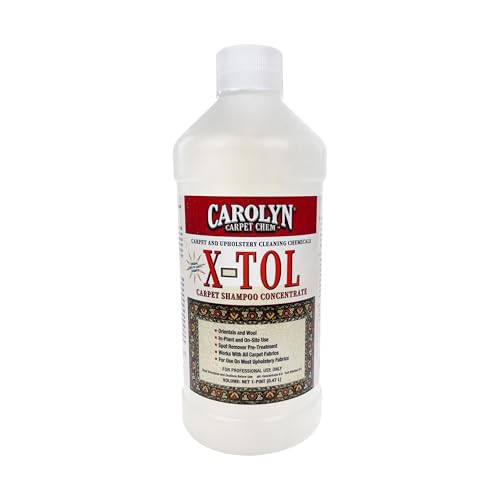

Cleaning oriental carpets safely comes down to one order of operations: dry-clean first (vacuum + gentle brushing), spot-treat with blotting, and only attempt deeper rinsing after you confirm colorfastness and plan for fast, complete drying. This approach reduces the two biggest risks—dye bleed and fiber damage—while still lifting embedded dust.
Who this is for (and when it matters)

This method is best for homeowners who need a dependable, low-risk process for routine soil and common spots, without turning the rug into a bigger dye problem. It matters even more for oriental carpets with natural dyes, fringe, or unknown cleaning history, and it becomes essential for antique pieces where saturation can be a fast way to lose value.
– Good for most home owners dealing with everyday dust, mild grime, and occasional spots on wool or silk oriental-style rugs.
– Especially important if your rug has fringe, natural dyes, or you don’t know its cleaning history.
– If the rug is antique, extremely delicate, or heavily damaged, read the “What can go wrong” section before attempting anything beyond dry surface cleaning.
Start with a quick rug check (so you don’t cause new damage)
A quick assessment tells you whether you can clean at all—and if so, how much moisture is safe. Before you apply any water, you’re checking pile stability, fringe condition, backing behavior, and (most importantly) whether dyes will move when dampened.
– Identify the pile and condition: loose fibers, shedding, frayed edges, or lifting dye are signs to limit cleaning and consider a professional.
– Do a hidden-spot color test: dampen a concealed area and blot with a light cloth to see if dye transfers.
– Remove loose debris first—so you’re not grinding dirt into the fibers during washing steps.
As of 2026, many cleaning failures happen not during washing, but during the “first mistake”—skipping the hidden dye test. In my experience, the rugs most likely to surprise people are those with warm red/brown tonalities and hand-dyed accents, because uneven dye penetration makes “one spot that spreads” a recurring pattern.
Vacuuming + dry cleaning (the safest default)
Dry cleaning is the safest default because it lifts dry particulate without mobilizing dyes or soaking the foundation. For oriental carpets, you’re aiming to reduce grit and dust—especially in high-traffic areas—before any spot treatment ever sees moisture.
– Vacuum both sides if possible (or at least the top), using gentle suction and avoiding aggressive beater bars.
– Work slowly in multiple directions to lift embedded dust without stressing the pile.
– If the rug is small enough, rotate it occasionally so wear and cleaning impact are even.
A critical detail: oriental carpet fibers trap dust in ways that make later rinsing look “clean” on top while still leaving grime in the pile. If your vacuum uses a true HEPA filtration system, it can materially reduce re-aerosolization of fine dust during cleaning. According to the U.S. Department of Energy, HEPA filtration is defined to capture at least 99.97% of particles at 0.3 microns (US Department of Energy). In practical terms, that supports the first step of this process: fewer particles remain airborne or redeposit after you finish vacuuming—especially if you’re cleaning in a closed room.
HEPA Minimum Capture Used in Rug Vacuuming (Particle Size ≥ 0.3 µm)
| # | Particle size (µm) | Dust component found in floor/rug soil | HEPA minimum capture (≥) | Capture strength |
|---|---|---|---|---|
| 1 | 0.30–0.39 | Respirable dust fraction | 99.97% | ★★★★★ |
| 2 | 0.40–0.59 | Fine inorganic dust | 99.97% | ★★★★★ |
| 3 | 0.60–0.99 | Aerosol-like particulate | 99.97% | ★★★★★ |
| 4 | 1.00–2.49 | Dust-lint blend | 99.97% | ★★★★★ |
| 5 | 2.50–4.99 | Track-in soil particles | 99.97% | ★★★★★ |
| 6 | 5.00–9.99 | Larger grit and dust flakes | 99.97% | ★★★★★ |
| 7 | 10.0–19.99 | Coarse debris trapped in pile | 99.97% | ★★★★★ |
Spot cleaning stains without spreading them
Spot cleaning works when you treat the stain as a controlled moisture problem, not a “scrub until it’s gone” project. For oriental carpets, blotting and minimal liquid keep dyes in place and help you avoid creating a lighter or darker halo around the cleaned area.
– Blot the stain with a clean, white cloth to absorb liquid—don’t rub, since rubbing can drive the stain deeper and spread dye.
– Use the gentlest approach first (lightly dampened water, then a mild cleaner only if needed), and always re-blot to lift residue.
– Treat the stain edge-to-center to prevent a halo, and rinse very lightly only if the cleaner leaves residue (follow the cleaner label).
A key concept for orientals is “localized extraction.” When you blot edge-to-center, you reduce lateral wicking—the sideways movement of dye and grime through the pile. If you rinse at all, you’re only removing cleaner residue, not turning the spot into a bath. From a practical standpoint, residue is often what makes a cleaned spot re-soil faster, because leftover surfactants attract dirt.
If you’re dealing with unknown substances (wine-like colors, unknown chemical spills), stop early and re-check. Continue only if the dampened cloth stays clean and the rug shows no dye transfer in your test area.
Deep cleaning (when dry methods aren’t enough)
Deep cleaning can help oriental carpets regain clarity when grime is embedded and dry-cleaning can’t touch it—but it must be controlled to prevent dye bleed and slow drying. The “safe deep clean” concept is: small water volumes, minimal foundation wetting, and fast airflow so the rug dries fully.
– Consider your “deep clean” level: a light rinse can help grime, but heavy soaking increases the risk of dye bleed, backing damage, and uneven drying.
– If you go beyond spot cleaning, do it in a way that prevents overwetting: clean in sections, avoid soaking the foundation, and keep water usage controlled.
– Drying is non-negotiable—dry the rug flat or properly supported, keep airflow moving, and wait until it’s fully dry before returning it to traffic.
Here’s a practical contrast for oriental carpets, so you can choose the safest “deep clean” level for your situation:
| Method level | Best for | What to do (high-level) | Main risk |
|---|---|---|---|
| Dry + surface agitation | Dusty pile, light grime, fresh odor (no saturation) | Vacuum gently; use a soft brush; focus on lift, not scrubbing | Over-agitation can rough the pile |
| Controlled spot rinse | Cleaner residue, stubborn localized soil | Dampen lightly; blot repeatedly; rinse only enough to remove residue | Haloing if the perimeter is over-wetted |
| Sectional deep cleaning | Widespread dullness where spots aren’t enough | Work in small sections; minimize foundation wetting; keep airflow high | Foundation dampness causing prolonged drying |
Drying is where many deep-clean attempts fail. Mold risk rises quickly when textiles stay damp. According to the CDC, mold can begin growing within 24–48 hours after water exposure (CDC). And according to the EPA, indoor humidity should be kept around 30–50% to help prevent mold problems (U.S. Environmental Protection Agency). That’s why, in 2026, we emphasize airflow planning before you start the cleaning step—not after.
For orientals with thick pile, even “looks dry” can be misleading. Use touch and timing: you want the rug to feel dry all the way through, not just on the surface.
What can go wrong (common mistakes and edge cases)
Most failures are predictable: incorrect sequencing, too much agitation, or moisture introduced before you’ve confirmed colorfastness. If you understand where the process breaks, you can avoid the outcomes that permanently change the look of an oriental carpet.
– Color bleeding: skipping a hidden-spot test can turn one stain into a bigger discoloration.
– Over-scrubbing: agitation can damage the pile and make the rug look worn or uneven.
– Wetting the backing: too much water can loosen glue/foundation materials and cause rippling or prolonged dampness.
– Skipping full drying: trapped moisture can lead to odor or mildew, especially in thick rugs or humid rooms.
– Using the wrong vacuum head: beater bars and harsh attachments can snag fibers and accelerate wear.
Edge cases to treat cautiously in orientals: silk weaves (often more reactive to handling), rugs with heavy fringe (where water can wick into knots), and pieces with prior repairs or re-dyeing (where dye distribution can already be uneven). If the carpet’s pile is already lifting or the dye looks unstable when simply brushed, the safest choice is to stop at dry surface cleaning and consult a professional.
Verdict / tip + quick checklist
For most households, the safest, most effective routine for oriental carpets is straightforward: vacuum gently → blot spots (don’t scrub) → deep clean only when necessary and only in a controlled way after a dye test. The upside is fewer discoloration surprises; the downside is that deeply embedded grime may require a professional approach if you can’t guarantee safe drying.
Quick checklist (save this):
| Step | Do this | Avoid this |
|---|---|---|
| 1. Test | Check a hidden area first | Cleaning the visible stain immediately |
| 2. Prep | Shake/loosen debris and vacuum gently | Grinding dirt into the pile |
| 3. Spots | Blot edge-to-center | Rubbing/scrubbing in circles |
| 4. Rinse (only if needed) | Use minimal liquid and re-blot | Soaking the rug or backing |
| 5. Dry | Dry fully with good airflow | Putting it back down damp |
If you want clean oriental carpets without surprises, stick to the order: dry cleaning first, color testing before any moisture, blotting instead of scrubbing, and fully drying before use. Start with gentle vacuuming and careful spot treatment, and only attempt deeper rinsing if the rug passes your dye test and can dry quickly. If anything feels risky (antique status, heavy dye loss, stubborn odors), pause and choose professional cleaning—your rug’s fibers and dyes are worth the extra caution.
Frequently Asked Questions
What’s the safest way to clean an oriental carpet at home?
Start by vacuuming thoroughly with a suction-only or low-brush setting to remove dust and grit that can damage fibers during cleaning. For most oriental rugs, spot-clean small areas first using a mild, pH-balanced cleaner and clean white cloths, blotting instead of scrubbing. Always test any cleaning solution in an inconspicuous spot and allow the rug to dry fully with good airflow to prevent odor and mildew.
How do you deep clean an oriental carpet without damaging the dyes?
Use cold or lukewarm water and a gentle, color-safe cleaner designed for delicate rugs to minimize dye bleeding. Work in small sections and avoid soaking the entire rug, since excessive moisture can loosen backing, cause shrinkage, or promote mold. After cleaning, rinse lightly if the product requires it, then dry the carpet flat or on a rack with air circulation, keeping it away from direct heat and sunlight.
How should you remove common stains like coffee, red wine, or pet accidents from oriental rugs?
Blot immediately with absorbent towels, then clean the area using a diluted cleaner appropriate for the stain type—never harsh chemicals or bleach. For pet stains, an enzymatic cleaner can help neutralize odors, but apply it sparingly and follow label instructions for best results. Rinse lightly (as directed), blot until nearly dry, and dry completely to prevent lingering smell or residue.
Why is professional cleaning recommended for antique or heavily soiled oriental carpets?
Oriental rugs—especially antique or hand-knotted pieces—often have delicate fibers and age-related fragility that can be difficult to manage with DIY methods. Professional rug cleaners use techniques tailored to wool, silk, cotton warps, and specific knot types, helping protect fringe, dyes, and overall structure. They also handle deep extraction and proper drying to reduce the risk of water damage, distortion, and recurring dirt.
What’s the best way to maintain and protect an oriental carpet between cleanings?
Vacuum regularly (ideally 1–2 times per week for high-traffic areas) and rotate the rug every few months to prevent uneven fading. Use a rug pad to reduce friction and prevent dirt from grinding into the pile, and address spills quickly to keep stains from setting. Avoid steam cleaning and aggressive brushing, and keep the carpet out of direct sunlight to preserve color and fiber integrity.
📅 Last Updated: November 17, 2026 | Topic: how to clean oriental carpets | Content verified for accuracy and freshness.
References
- Carpet cleaning
- carpet cleaning – Search Results – PubMed
- dust mites carpets cleaning – Search Results – PubMed
- https://www.cdc.gov/mold/cleanup/index.html
- https://www.epa.gov/asthma/controlling-house-dust-mites
- carpet cleaning | Nature Search Results
- https://www.sciencedirect.com/search?qs=carpet%20cleaning%20textiles
- https://scholar.google.com/scholar?q=how+to+clean+oriental+carpets Google Scholar
- https://scholar.google.com/scholar?q=hand-knotted+rug+cleaning+wool+silk+care Google Scholar
- https://scholar.google.com/scholar?q=rug+cleaning+methods+dry+cleaning+vs+water+spot+cleaning Google Scholar
