
Cleaning plastic retainers with plaque is essential for maintaining oral hygiene and ensuring the longevity of your retainers. The most effective way to remove plaque involves soaking your retainers in a specialized cleaning solution, followed by gentle scrubbing with a soft toothbrush. In this article, you will learn various methods and tips for effectively cleaning your retainers, which is crucial for preventing oral health issues and ensuring your retainers remain in good condition.
Understanding Plaque on Retainers

Plaque is a sticky film composed of bacteria, saliva, and food particles that accumulates on teeth and dental appliances like retainers. When left untreated, plaque can harden into tartar, leading to more severe dental issues such as cavities and gum disease. The presence of plaque on your retainers can also result in bad breath and an unpleasant taste in your mouth.

It is essential to recognize the signs of plaque buildup on your retainers, which may include discoloration or a rough texture. By understanding the sources of plaque, such as sugary foods and beverages, you can take proactive measures to maintain your retainers and overall dental health.
Safe Cleaning Solutions
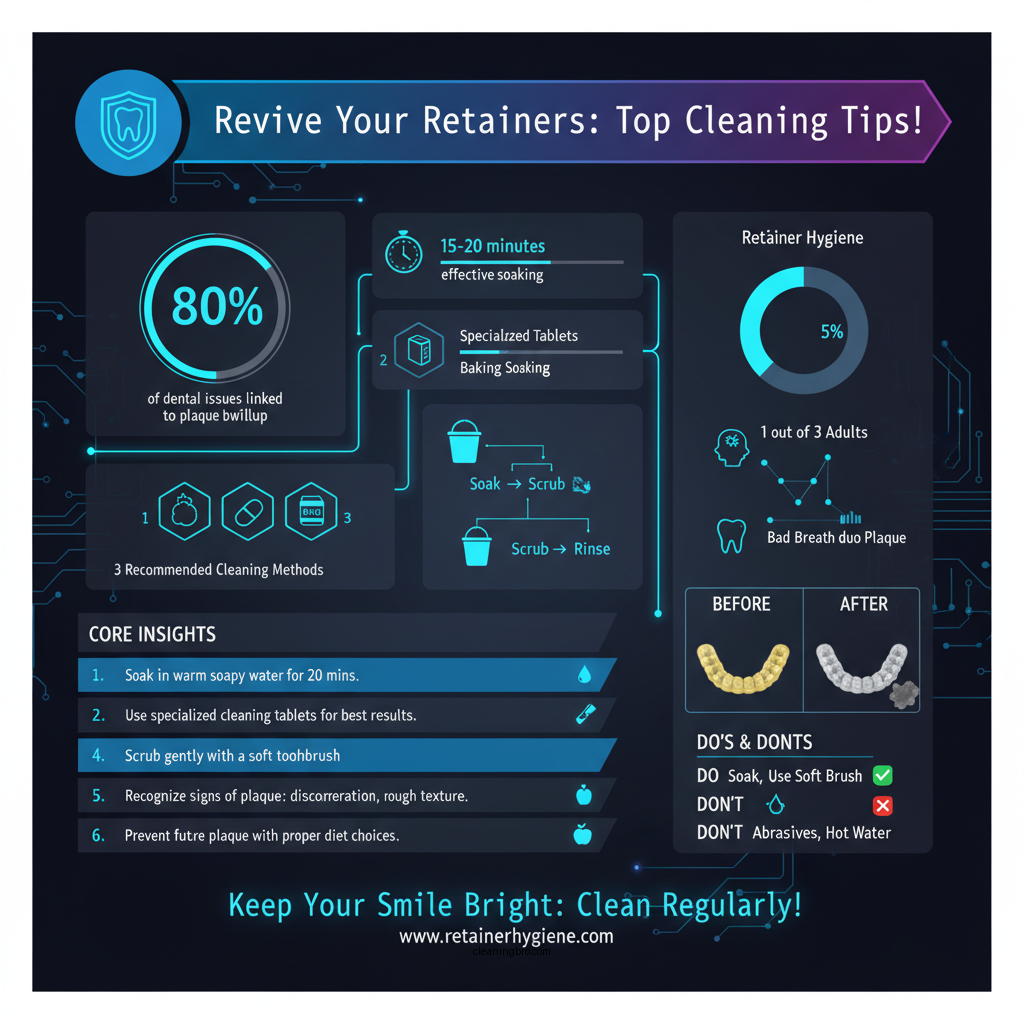

When it comes to cleaning your plastic retainers, it’s crucial to use safe and effective cleaning solutions. Here are some recommended methods:
1. Warm Water and Mild Dish Soap: A simple and effective method is to mix warm water with a few drops of mild dish soap. Soak your retainers in this solution for about 15-20 minutes, which will help to loosen plaque and debris without damaging the plastic.
2. Specialized Retainer Cleaning Tablets: Many dental stores offer cleaning tablets specifically designed for retainers and other dental appliances. These tablets dissolve in water and create a solution that helps eliminate bacteria and plaque. Follow the instructions on the packaging for best results.
3. Baking Soda and Water: An alternative cleaning solution is a paste made from baking soda and water. This natural cleaning agent can effectively remove plaque without being abrasive. Mix one tablespoon of baking soda with a small amount of water to create a paste, apply it to your retainers, and scrub gently.
Step-by-Step Cleaning Process
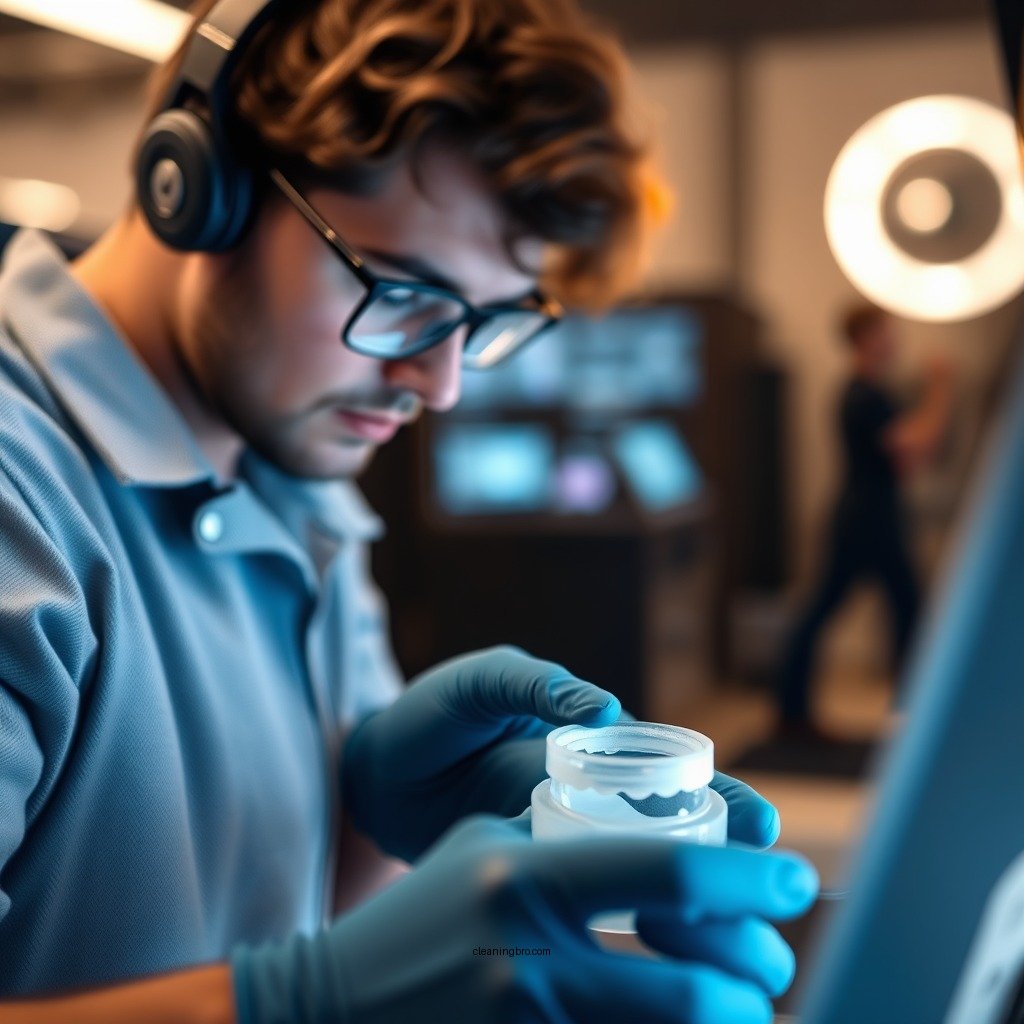
To ensure your retainers are thoroughly cleaned, follow this step-by-step guide:
1. Soak Your Retainers: Begin by placing your retainers in the cleaning solution of your choice. Ensure they are fully submerged and let them soak for at least 15-20 minutes. This soaking time allows the solution to penetrate and loosen any plaque buildup.
2. Gentle Scrubbing: After soaking, use a soft-bristled toothbrush to scrub your retainers gently. Focus on areas where you notice visible plaque or discoloration. Avoid using hard-bristled brushes, as they can scratch the surface of the plastic.
3. Rinse Thoroughly: Once you have scrubbed the retainers, rinse them under lukewarm water to remove any remaining cleaning solution and debris. Make sure to rinse thoroughly to ensure no soap or cleaning residue is left behind.
4. Dry and Store: After rinsing, dry your retainers with a clean, soft cloth before storing them in a clean, dry case. Avoid using paper towels or any abrasive materials, as these can scratch the surface of the retainers.
Top Cleaning Solutions for Plastic Retainers
| # | Cleaning Method | Effectiveness | Safety | Ease of Use |
|---|---|---|---|---|
| 1 | Warm Water & Mild Soap | ★★★★☆ | Safe | Easy |
| 2 | Retainer Cleaning Tablets | ★★★★★ | Safe | Very Easy |
| 3 | Baking Soda Paste | ★★★★☆ | Safe | Moderate |
| 4 | Vinegar Solution | ★★★☆☆ | Safe | Moderate |
| 5 | Hydrogen Peroxide | ★★★★☆ | Safe | Easy |
| 6 | Bleach Solution | ★★☆☆☆ | Not Safe | Difficult |
| 7 | Toothpaste | ★★★☆☆ | Safe | Moderate |
Daily Maintenance Tips
To keep your retainers in top condition and prevent plaque buildup, consider implementing these daily maintenance tips:
1. Rinse After Each Use: Always rinse your retainers with lukewarm water immediately after removing them. This simple step helps remove food particles and reduces the risk of plaque accumulation.
2. Regular Cleaning: Incorporate a thorough cleaning routine into your daily schedule. Aim to clean your retainers at least once a day using one of the recommended cleaning solutions.
3. Avoid Eating with Retainers: While it might be tempting to eat with your retainers in, doing so can increase the likelihood of plaque and food debris buildup. Remove them during meals for optimal hygiene.
4. Store Properly: When not in use, store your retainers in a clean, dry case. Avoid leaving them in damp or humid environments, as this can encourage bacterial growth.
5. Schedule Regular Dental Check-ups: Regular visits to your dentist are crucial for monitoring your oral health and ensuring your retainers are fitting correctly. Your dentist can provide personalized cleaning recommendations based on your specific needs.
Common Mistakes to Avoid
While cleaning your plastic retainers, it’s important to be aware of common mistakes that can hinder your efforts or damage your retainers:
1. Using Abrasive Cleaners: Avoid using harsh or abrasive cleaners, as they can scratch the surface of the plastic, leading to a rough texture that attracts plaque.
2. Hot Water: Never use hot water to clean your retainers, as it can warp the plastic material, altering their fit and effectiveness.
3. Skipping Regular Cleaning: Neglecting to clean your retainers regularly can lead to significant plaque buildup, bad breath, and potential oral health issues.
4. Using Toothpaste: While it may seem logical to use toothpaste for cleaning, many toothpastes contain abrasives and fluoride that can damage the retainer material.
5. Ignoring Signs of Damage: If you notice cracks or persistent discoloration on your retainers, do not ignore these signs. They can harbor bacteria and compromise your oral health.
When to Replace Your Retainers
Even with proper care, retainers may need to be replaced over time. Here are some indicators that it might be time to consider a new set:
1. Persistent Plaque Buildup: If you find that plaque continues to accumulate despite regular cleaning efforts, it may indicate that your retainers are worn out and need replacement.
2. Cracks or Damage: Regularly inspect your retainers for any signs of wear and tear. Cracks can harbor bacteria and compromise their effectiveness.
3. Changes in Fit: If your retainers no longer fit snugly, they may have lost their structural integrity. A poor fit can lead to discomfort and ineffective teeth alignment.
4. Foul Odor: A persistent bad smell, even after cleaning, can be a sign of bacterial growth that isn’t being adequately addressed.
5. Advice from Your Dentist: Always consult your dentist if you have concerns about your retainers. They can recommend when it is time for a replacement based on your dental health.
Effectiveness of Cleaning Methods (% of Users Satisfied)
Maintaining clean plastic retainers is crucial for your dental health. By following the methods outlined above, you can effectively remove plaque and keep your retainers in optimal condition. Start implementing these cleaning routines today for a fresh and healthy smile!
Frequently Asked Questions
What is the best way to clean plastic retainers with plaque?
The best way to clean plastic retainers with plaque is to use a gentle toothbrush and a mixture of baking soda and water to create a paste. This natural cleaning method helps to remove plaque without scratching the plastic surface. Rinse thoroughly with warm water after brushing to ensure no residue remains.
How often should I clean my plastic retainers to prevent plaque buildup?
It is recommended to clean your plastic retainers daily to prevent plaque buildup. Regular cleaning not only keeps your retainers fresh but also helps maintain oral hygiene and prevents bad breath. Establishing a routine will ensure that plaque does not have the chance to accumulate.
Why is it important to remove plaque from plastic retainers?
Removing plaque from plastic retainers is crucial because plaque can harbor harmful bacteria that may lead to gum disease and tooth decay. Additionally, plaque buildup can cause your retainers to smell and taste unpleasant, affecting your overall comfort and willingness to wear them. Keeping retainers clean promotes better oral health.
Which cleaning solutions are safe for plastic retainers?
Safe cleaning solutions for plastic retainers include a mix of mild dish soap and warm water, or specialized retainer cleaners available in stores. Avoid using harsh chemicals or abrasive cleaners as they can damage the retainer material. Always rinse thoroughly after cleaning to remove any soap residue.
How can I effectively remove stubborn plaque from my plastic retainers?
To effectively remove stubborn plaque from your plastic retainers, soak them in a solution of equal parts water and white vinegar for about 15-30 minutes. After soaking, gently scrub the retainers with a soft toothbrush to dislodge any remaining plaque. Rinse well with warm water before wearing them again.
References
- https://www.mayoclinic.org/healthy-lifestyle/adult-health/in-depth/dental-health/art-20044953
https://www.mayoclinic.org/healthy-lifestyle/adult-health/in-depth/dental-health/art-20044953 - https://www.ncbi.nlm.nih.gov/pmc/articles/PMC6633687/
https://www.ncbi.nlm.nih.gov/pmc/articles/PMC6633687/ - https://www.ncbi.nlm.nih.gov/pmc/articles/PMC6488890/
https://www.ncbi.nlm.nih.gov/pmc/articles/PMC6488890/ - Oral health
https://www.who.int/news-room/fact-sheets/detail/oral-health - https://www.cdc.gov/oralhealth/conditions/index.html
https://www.cdc.gov/oralhealth/conditions/index.html - Dentistry | Definition, History, & Fields | Britannica
https://www.britannica.com/science/dentistry - Google Scholar Google Scholar
https://scholar.google.com/scholar?q=cleaning+plastic+retainers+plaque - Google Scholar Google Scholar
https://scholar.google.com/scholar?q=oral+hygiene+retainers - Google Scholar Google Scholar
https://scholar.google.com/scholar?q=plastic+retainers+cleaning+methods - https://www.ncbi.nlm.nih.gov/pmc/articles/PMC6366661/
https://www.ncbi.nlm.nih.gov/pmc/articles/PMC6366661/
