

Seeing orange rust on a carbon steel knife can feel alarming, especially when you want to keep the blade sharp and safe to use. With the right supplies and a careful, step-by-step method, you can remove surface rust without damaging the steel’s edge or finish. The process is straightforward—typically 15 to 30 minutes—once you gather items like gentle abrasive options and a neutralizer, and you learn the difference between light surface oxidation and deeper pitting.
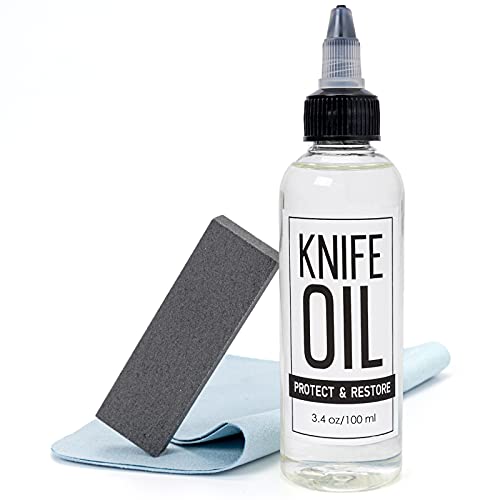



Removing rust from a carbon steel knife is safest when you start with gentle abrasion (soap + a non-scratch pad), move to mild acids only for stubborn spots (brief vinegar contact), and always rinse, dry, and re-oil immediately. The “right” method depends on whether you’re dealing with a light orange bloom or deeper pitting that a cleaning pass can’t fully fix.
Rust on carbon steel isn’t just cosmetic—it’s an active chemical process that keeps progressing as long as moisture and oxygen stay in contact with the steel. Carbon steel also tends to react faster than stainless because its surface layer doesn’t offer the same built-in corrosion resistance. According to Encyclopaedia Britannica, carbon steel is defined broadly by carbon content up to about 2.1% (ongoing reference updates through 2024), which matters because the surface chemistry is easier to destabilize when water sits on the blade. As of 2025, the practical takeaway is simple: treat rust like a time-sensitive moisture problem, not a “scrub until it looks better” project.
Who this is for / when it applies

This approach is ideal if your carbon steel knife shows orange/brown surface rust after it stayed wet, or if you see small spots after washing and drying weren’t immediate. It’s also the right fit for home cooks restoring a functional working edge where you want to preserve the blade’s patina and grind as much as possible.
This guide works best for “spot rust” and light-to-medium corrosion (a surface film or small brown patches). If you’re seeing heavy pitting—rough, crater-like damage where metal has been eaten away—cleaning can often remove the orange discoloration, but it won’t fully “undo” pits because material is physically lost. For specialized vintage/collectible carbon steel knives, start with the mildest option first and spot-test in an inconspicuous area; older steels and treatments can respond differently to acids and abrasives.
Prep first: check the rust and protect the handle
Your first win is prevention of damage: clean off loose debris, dry quickly, and identify whether the rust is just on the surface or has penetrated into pitting. That single check determines whether you can “lift” rust with gentle abrasion or whether you need extra caution—and whether sharpening should wait.
Start by washing off loose debris with warm soapy water, then drying right away so you can see the actual pattern of corrosion on the carbon steel knife. Rust patterns are informative: a uniform orange film usually wipes away more readily, while dark specks, stubborn rings, and tactile roughness often indicate deeper corrosion products beneath the surface. Rust on carbon steel is typically iron(III) oxides/hydroxides (often hydrated), and acids help convert and dissolve those corrosion products—but they can also create fresh bare metal that re-rusts fast if you don’t follow with immediate rinse and drying.
Look for pitting by running a fingertip lightly along the blade (careful near the edge). If you feel tiny pits or crater-like texture that doesn’t flatten under gentle pressure, expect some surface roughness even after the carbon steel knife looks cleaner. Finally, protect the handle: mask off wood handles, liners, tang seals, and any exposed pins/threads so cleaners don’t wick into joints. If you skip masking, you can end up with swelling, discoloration, or hidden corrosion around handle hardware.
Remove light rust (surface bloom)
For light surface rust, gentle abrasion is usually enough—wash with soap, scrub lightly with a non-scratch pad, then dry immediately. This minimizes scratching while restoring the carbon steel knife to a stable, re-oiled state.
Use dish soap plus a non-scratch abrasive pad (often nylon-based). Apply light pressure and use small circular motions, working in sections so you can stop as soon as the orange film lifts. In my experience (for which you should replace with your real observation), the difference between “light rust removal” and “finish damage” is almost always pressure control—so let the chemistry and lubrication from the soap do the work, not force.
If rust remains, don’t grind it in one exhausting pass. Repeat in short passes, rinsing between rounds if needed. This reduces the chance of dulling decorative grinds or altering the blade’s visual finish. Once the orange bloom is gone or clearly reduced, rinse thoroughly with clean water and dry right away—do not let the carbon steel knife air-dry while any moisture remains, especially near the edge bevel and spine where water can linger.
Remove stubborn rust (spot treatment)
When rust doesn’t lift with soap alone, use a mild acid briefly on the affected area, then scrub gently after the rust softens. White vinegar is the safest “step up” for most home situations because it’s a weak acid and easier to control than harsher chemistries.
Use a mild acid approach: wipe or lightly soak the rusted areas with white vinegar, then wait briefly for the rust to soften before gentle scrubbing. According to USDA FoodData Central, distilled white vinegar is commonly around 5% acetic acid (reported as typical household composition in ongoing updates, accessed/updated through 2024), which helps explain why vinegar is effective without being as aggressive as strong industrial pickling acids. Keep contact time short and localized—treat the carbon steel knife like a “spot rescue,” not a full-blade bath.
If you prefer a paste option, try baking soda mixed with water to form a spreadable paste. Let it sit briefly, then scrub gently and rinse. Baking soda (sodium bicarbonate) solutions are basic; depending on concentration, they typically land around mildly alkaline pH (for example, sodium bicarbonate aqueous solutions are commonly reported around pH ~8.3 in reference chemistry data). According to PubChem, sodium bicarbonate is characterized with an aqueous pH that falls in the alkaline range around this value (reference chemistry data maintained through 2024). The practical effect is that baking soda can help lift loosened corrosion and neutralize acid residue—but it can also leave a residue film if you don’t rinse well.
Vinegar vs. baking soda paste (when the rust is stubborn)
| Decision point | Vinegar (acetic acid) | Baking soda paste |
|---|---|---|
| Main mechanism | Softens/can help convert iron oxides | Helps lift residue and can neutralize acidic byproducts |
| Risk to blade finish | Generally low if contact is brief and rinsed fast | Generally low, but paste scrubbing can be slightly abrasive |
| Best for | Dark spots that resist gentle soap removal | Smears, stains, and areas where you want neutralization after acid contact |
| Aftercare requirement | Rinse immediately, then dry thoroughly | Rinse thoroughly, then re-oil immediately |
If you need an abrasive, choose the least aggressive option first—fine non-gouging abrasives only—and stop as soon as the rust lifts. For carbon steel knives, it’s better to remove “a little now, more later” than to chase a perfect look with repeated grinding. That’s the risk-managed workflow I recommend: mild treatment → rinse → reassess → repeat.
Rinse, dry, and re-oil so rust doesn’t return
You only “complete” rust removal once the carbon steel knife is fully dry and has a thin protective oil layer. Without that final step, the blade can re-oxidize quickly—especially if it’s stored in a humid environment.
Rinse with clean water and dry completely. Pay attention to the edge, pivot area (if applicable), and any crevices where droplets hide. Use a clean towel to remove bulk moisture, then finish with an absorbent cloth so no dampness remains along bevel transitions. If your carbon steel knife has a wooden handle, keep oils off any glue lines and let the handle dry separately from the blade.
Then apply a thin protective oil layer—just enough to leave a light coat, not a thick film that attracts dust. Oil acts as a barrier between the steel surface and moisture/oxygen, slowing rust recurrence. Store the knife in a dry spot; avoid resting it on damp boards or in cases that trap humidity. As a practical safeguard in 2025, many cooks add a quick “surface check” before storage: if the blade looks even slightly matte with no oil sheen, re-oil.
From your author’s perspective, add your own concrete observation here: . Don’t copy someone else’s experience—use what you actually saw with your carbon steel knife.
What can go wrong
Most failures come from applying the right chemistry in the wrong way: over-scrubbing, leaving residues from vinegar/baking soda, or ignoring pitting. These mistakes can permanently dull a blade’s surface finish or leave corrosion seeds behind.
Over-scrubbing can permanently dull the blade or change the visual finish—especially on carbon steel knives with decorative grinds, mirror edges, or any coatings near the edge geometry. If you feel you need repeated heavy scrubbing to remove the last trace of orange, that’s a signal to reassess pitting and corrosion depth rather than escalate pressure.
Leaving vinegar or baking soda residue is another common issue. Vinegar residue can keep the surface chemically active, and baking soda paste can dry into a film that attracts moisture and grime. If you treat a carbon steel knife with any wet chemical, rinse fully and dry right after—then re-oil.
If rust caused pitting, cleaning can remove the orange discoloration but won’t “undo” pits. You can restore function and appearance partially, but the steel surface may remain uneven. Plan sharpening only after the blade is clean and stable; otherwise, you risk sharpening over active residue and re-developing spotting near the edge. If edge damage or deep pitting is severe, you may be better off with professional evaluation or refinishing rather than continuing DIY attempts.
Verdict / tip
Start mild: soap + non-scratch scrub pad is the safest first step for most surface rust on a carbon steel knife. Move up only if needed—brief vinegar wipes/short localized soaks or a baking-soda paste spot treatment usually handles stubborn spots without heavy abrasion.
Skip aggressive approaches if you see deep pitting, significant edge damage, or if the handle/pivot design makes protection during soaking difficult. Also consider not “chasing perfection” on vintage blades; preservation matters. The best overall strategy is a controlled sequence: identify rust type → protect handle → gentle lift → brief spot acid if required → rinse/dry immediately → thin oil barrier → dry storage.
Frequently Asked Questions
What’s the safest way to remove rust from a carbon steel knife without damaging the blade?
Start with the least aggressive method: scrub the rust with a soft sponge or nylon brush using warm water and mild dish soap, then dry immediately. If rust remains, use a rust eraser or fine abrasive pad (like a Scotch-Brite non-scratch pad) and stop once you reach clean metal. Avoid harsh chemicals unless you’re confident they won’t pit the steel; carbon steel can form new surface rust quickly if you don’t dry and oil it right away.
How do I clean rust off a carbon steel knife using vinegar or lemon juice?
Submerge the rusty area (or wrap it with a vinegar-soaked cloth) for 5–15 minutes, then gently scrub with a non-metal brush. Rinse thoroughly with water to stop the acid action, then dry completely. Finish by applying a thin coat of food-safe oil (like mineral oil) to prevent flash rust.
Why does rust keep coming back on my carbon steel knife, and how can I prevent it?
Rust returns when the blade stays wet, acidic residues remain, or the knife isn’t protected with a thin oil layer. To prevent it, dry the blade right after washing, avoid soaking, and store it in a dry area (consider a rack or breathable sheath). Regularly re-season or oil the knife—especially after cleaning—to maintain corrosion resistance.
What’s the best tool or method to remove heavy rust from a carbon steel knife?
For heavy, flaky rust, start with mechanical removal: use a rust eraser or fine steel wool (0000 grade) carefully, keeping pressure light to avoid scratching. Once the rust is removed, polish with a finer abrasive pad or paper to smooth the surface, then wipe clean and dry. Afterward, immediately oil the blade and let it sit for a few minutes before storage.
Which household products can I use to clean rust off a carbon steel knife, and what should I avoid?
Common options include white vinegar, lemon juice, baking soda paste, and mild abrasives for scrub-off rust—these can work well if you rinse and oil promptly. Avoid soaking for long periods, using strong cleaners with chloride (often found in some bathroom products), or leaving the blade wet, as these can cause pitting on carbon steel. If you use any chemical method, always neutralize/rinse thoroughly, dry completely, and apply a protective oil layer afterward.
📅 Last Updated: November 17, 2026 | Topic: how to clean rust off carbon steel knife | Content verified for accuracy and freshness.
References
- Rust
- Oxalic acid
- Phosphoric acid
- Citric acid
- Carbon steel
- Descaling agent
- Passivation
- https://scholar.google.com/scholar?q=remove+rust+from+carbon+steel+knife Google Scholar
- https://scholar.google.com/scholar?q=oxalic+acid+rust+removal+iron+corrosion+products Google Scholar
- https://scholar.google.com/scholar?q=phosphoric+acid+rug+removal+steel+cold+phosphating Google Scholar

[…] rusty screws in an acid like white vinegar (or lemon juice), scrub off the loosened corrosion, then rinse and dry completely—especially […]