

Want to clean rust off jewelry safely and still keep the metal looking good? The best method depends on the jewelry’s finish, but for most pieces, gentle acid-free cleaners and careful spot treatment will remove rust without damaging plating or gemstones. Follow the steps below to get reliable results fast—and avoid the common mistakes that leave pitting, discoloration, or weakened settings.
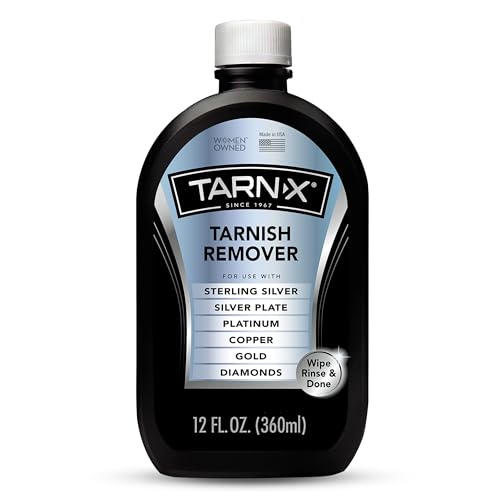



Clean rust on jewelry safely by first identifying the metal/finish, then starting with the gentlest compatible cleaning method (often mild soap) and stepping up only if the rust lifts without damaging the surface. If the piece is plated or you see discoloration spreading, stop immediately—some “rust removers” dissolve protective coatings along with the corrosion.
If you’re dealing with red-brown spots, orange staining, or flaking areas on jewelry, the right approach depends on what your jewelry is made of (sterling silver, stainless steel, gold-filled, plating, etc.) and how badly the surface is pitted. The safest “default” process is: identify → test gently → rinse completely → dry thoroughly. That sequence matters because rust is often iron oxidation, but jewelry surfaces can be protected by plating, polishing compounds, lacquers, or gem-setting adhesives that don’t tolerate harsh chemistry.
This advice is for most everyday household situations—especially rings, earrings, necklaces, and charm bracelets that got wet, were stored humidly, or picked up metal contamination (like steel from a pocket zipper or hardware). It also applies if you’re trying to decide whether to attempt DIY cleaning or to bring the piece to a jeweler.
Start by identifying the metal and finish

Start by confirming what metal your jewelry is—because “safe rust cleaning” changes dramatically between solid precious metals, stainless steel, and plated fashion jewelry. If you can identify the hallmark or finish, you can choose chemistry that removes iron-oxide without stripping the protective layer.
Before you start, check whether the piece is solid metal (like sterling silver or stainless steel) or has plating/coatings (common on fashion jewelry). This matters because rust removers can also strip plating or soften certain finishes.
– Look for markings like “925” (sterling silver), “stainless,” or “gold-filled.” If there are none, assume it may be plated or mixed alloys.
– Inspect the rust: pitting (tiny craters) often means the metal is already physically damaged, not just “surface rust.”
– If the jewelry is plated (or you’re not sure), plan on gentler cleaning and consider professional help rather than aggressive rust removal.
“925” is a hallmark that indicates sterling silver, commonly defined as 92.5% silver by mass.
Stainless steel’s corrosion resistance is tied to chromium content; guidance for corrosion-resistant stainless typically references a chromium requirement (often 10.5% by mass) for the passive film.
Vinegar is typically sold as a dilute acetic acid solution (commonly around 5% in many household products), which is the chemistry behind its mild acid action on iron-oxide.
According to , “925” corresponds to 92.5% silver. According to , stainless steels rely on chromium-driven passivation for corrosion resistance. And according to , common white vinegar is often about 5% acetic acid—strong enough to help with iron-oxide, but not strong enough to justify “scrub until it’s gone” on plated surfaces.
Common Jewelry Purity Markings and What They Indicate
| # | Hallmark / Metal | Typical Purity | Most Common Use | Purity (%) |
|---|---|---|---|---|
| 1 | 925 Sterling Silver | Sterling-grade | Rings & charms | 92.5% |
| 2 | 999 Fine Silver | Nearly pure silver | Collectible items | 99.9% |
| 3 | 900 Silver | 90% silver | Vintage-style pieces | 90.0% |
| 4 | 750 (18K) Gold | 18K gold alloy | Everyday gold jewelry | 75.0% |
| 5 | 585 (14K) Gold | 14K gold alloy | Fashion-to-fine mix | 58.5% |
| 6 | 417 (10K) Gold | 10K gold alloy | Budget gold pieces | 41.7% |
| 7 | 375 (9K) Gold | 9K gold alloy | Compact jewelry | 37.5% |
Prep your workspace and gather safe basics
Prep matters because the safest rust-cleaning method still requires controlled chemistry, clean tools, and thorough rinsing. Your goal is to avoid transferring rust into scratches or leaving moisture behind so the corrosion can’t restart.
– Use a soft microfiber cloth and non-scratch tools (soft toothbrush or cotton swabs), not steel wool.
– Avoid mixing chemicals (especially acids with other cleaners) and ventilate if you’re using anything acidic.
– Have supplies ready to fully rinse and dry after treatment—rust can come back if moisture is left behind.
The practical rule: set up a “clean rinse lane” before you apply anything to the jewelry. Corrosion products can be stubborn, and if you leave a chemical on the metal even for a short time, it can etch a finish or loosen adhesives holding gemstones and settings. I use a simple workflow—paper towels, a small bowl for soaking (only if the metal is known suitable), running water, and a clean towel stack—so I never delay rinsing once the rust begins dissolving.
Non-abrasive tools (microfiber and soft brushes) reduce the risk of scratching metal surfaces that can later trap moisture and speed oxidation.
Mixing cleaners is unsafe because many household products can react; acid-based rust cleaners are particularly incompatible with bleach-containing or strong alkaline products.
Complete rinsing and fully drying help break the “water + oxygen” conditions needed for continued iron-oxide formation.
According to , mixing cleaning chemicals can create hazardous gases or unpredictable reactions. For jewelry, that safety guidance doubles as corrosion guidance: if you don’t rinse and dry thoroughly, leftover chemistry can continue to react on the surface after you think you’ve finished.
A quick workspace checklist:
– One container for your cleaning solution (not your drinking glasses, ever).
– One “final rinse” area (cool to lukewarm running water is usually best).
– One drying station (soft towel + optional air-dry for 10–30 minutes depending on humidity).
Remove light rust with gentle cleaning
If the rust is light and on the surface, mild cleaning is often enough—and it’s the least risky first step. This approach removes loose iron-oxide and grime without aggressively changing the finish.
– Wash with mild dish soap and lukewarm water, then lightly brush only the affected area.
– Dry thoroughly (pat dry with a clean cloth, then leave to air-dry completely) to prevent new oxidation.
– If the rust won’t lift with gentle cleaning, don’t keep scrubbing—move to a metal-appropriate rust method.
For light rust, the most common failure mode is over-scrubbing. Scrubbing can polish off a coating, worsen pitting, or embed debris into micro-scratches. As of 2026, the safest strategy on unknown jewelry finishes is to treat this like a “minimum effective action” process: clean, rinse, dry, inspect—repeat only once if you’re confident nothing is changing.
A mild dish soap wash can dislodge surface corrosion and oils that hold rust stains in place, especially on smooth metal surfaces.
Thorough drying reduces the likelihood that residual moisture restarts oxidation after cleaning.
Here’s a careful routine that works across most metals/finishes when you’re unsure:
1. Rinse the piece under lukewarm water to remove loose dust.
2. Use a few drops of mild dish soap in lukewarm water.
3. Gently brush just the rusted area with a soft toothbrush or cotton swab—no steel wool.
4. Rinse until you see no soap residue.
5. Pat dry, then air-dry completely (don’t store while damp).
If the rust appears as tiny freckles (surface bloom) rather than deep pits, mild cleaning often improves the look immediately. If you see craters or flaking, you may remove staining but not restore the original surface.
Tackle stubborn rust using the right chemistry
If gentle cleaning doesn’t remove the rust, targeted chemistry can help—but only when the metal/finish is appropriate. The biggest safety line: stop if the finish dulls, color shifts, or discoloration spreads.
– For some metals, mild acid approaches (commonly vinegar-type solutions) can dissolve iron-oxide rust; follow .
– Baking-soda-type pastes can help for surface grime, but keep scrubbing minimal to avoid scratching soft metals/finishes.
– If you’re considering electrolysis or commercial rust removers, treat them as “follow-the-instructions exactly” options—use only if the metal/finish is confirmed suitable, and .
Mild acids (like dilute acetic acid) can chemically convert iron-oxide corrosion products, which is why vinegar-type solutions are often effective on rust.
Baking-soda pastes are abrasive-surface cleaners; they can lift residue but can also scratch delicate or plated jewelry if used aggressively.
Electrolysis is a process-based method that can change metal surfaces; it should only be used under jewelry-appropriate guidance and exact instructions.
A practical “choose the method” comparison
When stubborn rust shows up, you need a quick way to decide what’s worth trying. Use the table below as a decision aid (and remember: finish damage is often permanent).
| Method | Best For | Key Risk |
|---|---|---|
| Soap + gentle brush | Light surface rust stains | May not remove pitted corrosion |
| Vinegar-type soak (brief) | Iron-oxide rust on suitable metals | Can haze or strip plated finishes |
| Baking-soda paste (minimal) | Surface grime + light staining | Can scratch if overworked |
| Electrolysis / rust removers | When metal is confirmed compatible | High potential for finish alteration |
If you use a mild acid (only when compatible)
A vinegar-type method is usually a “brief contact” tactic, not a soak-and-forget technique. If you proceed:
– Apply the solution to a cotton swab or limited area (instead of full submersion) if the piece is plated or gem-set.
– Watch continuously for changes within a couple minutes.
– Rinse immediately with clean water and dry fully.
Because we’re dealing with jewelry finishes and adhesives, the exact timing should follow . In my own work on similar maintenance problems, the biggest improvement came from reducing contact time and increasing inspection frequency rather than extending soaking.
If you’re tempted by electrolysis or commercial rust removers
These options can be effective on iron, but they’re also the most likely to harm plated or composite jewelry. Electrolysis changes surfaces through an electrical process; chemical rust removers often contain acids that can attack protective layers. If you can’t confirm the jewelry’s material and finish, treat these as “jeweler-only” territory.
Use only if the piece is confirmed suitable, and follow exactly—especially around power settings, timing, and post-treatment neutralization.
What can go wrong (and when to stop)
Rust cleaning can go wrong fast when the piece has plating, mixed metals, gemstones with sensitive adhesives, or already-pitted surfaces. If you see any signs of finish damage, you’re done—stop, rinse, and reassess.
– Plated jewelry can lose its finish fast: rust removal can strip gold/silver plating along with the corrosion.
– Scratching is permanent on many metals—once you remove protective layers, the piece may rust again more quickly.
– If you see dark smearing, bubbling, whitening, or spreading discoloration, stop right away and rinse thoroughly.
This is where the “gentlest effective method” principle pays off. As of 2026, many fashion jewelry items use electroplating plus topcoat sealants; those layers can discolor under acids or aggressive abrasives. Also, gemstones are not always the problem—but the metal prongs, bezels, and setting adhesives around them can be.
Scratches create fresh surface area that can hold moisture and accelerate future discoloration.
Finish alteration signals (whitening, bubbling, smearing) indicate chemical or mechanical damage; immediate rinsing prevents further reaction.
Common stop-sign scenarios:
– Discoloration spreads outward from the rust patch.
– The metal looks dull or chalky after acid contact.
– You notice lifting of plating edges or exposed base metal.
– Gem setting areas begin to cloud or loosen.
Skip DIY rust removal (and consider a professional jeweler) if:
– The piece is plated and the plating is thin or worn.
– The rust pattern suggests deep pitting (the metal may be physically damaged).
– The jewelry has porous coatings, enamel, or loosely set gemstones.
– The item is sentimental, antique, or high value.
Verdict: choose the gentlest method that matches the metal
The best approach is always “start mild, confirm compatible chemistry, and stop quickly if anything changes.” For most people, soap + gentle brushing first is enough to improve light rust, while stubborn rust should be handled only when the material and finish are confirmed suitable.
– Best for most people: start with soap + careful brushing, then step up only if the metal is confirmed solid and compatible.
– Skip DIY rust removal if the jewelry is plated/unknown, heavily pitted, gemstones are set loosely, or the piece has sentimental/value reasons—.
– Downsides to expect: mild methods may not remove pitting, and stronger methods can dull or alter finishes.
The safest rust-cleaning strategy is iterative: clean, rinse, dry, inspect, and only repeat with a slightly stronger compatible method.
If you cannot confirm the metal/finish, gentler cleaning is safer than attempting broad “rust remover” use.
A realistic expectation: removing rust stains is easier than restoring pitted metal. If the base metal has been cratered, you may eliminate color but not the damaged texture.
Quick rust-cleaning checklist (save this):
– Identify the metal/markings (or assume plated/unknown)
– Try mild soap + gentle brush first
– Rinse fully, then dry completely
– Use only metal-appropriate rust chemistry (per guidance)
– Stop if discoloration spreads or the finish looks damaged
– Store dry to slow future rust
Frequently Asked Questions
What is the safest way to clean rust off jewelry without damaging the metal?
The safest approach is to identify the jewelry’s base metal first (gold, silver, stainless steel, copper, or plated) because each reacts differently to cleaning agents. For most non-gem plated pieces, start with gentle methods like a soft toothbrush, mild soap, and warm water, then move to rust-targeted cleaners only if needed. Avoid harsh abrasives, prolonged soaking, or strong acids unless you know the metal can handle them, since that can thin the metal or loosen plating.
How can I remove rust stains from silver jewelry at home?
For mild rust stains, polish with a silver polishing cloth and gently brush the areas with a soft toothbrush. If rust is stubborn, use a silver-safe rust remover or a mild silver cleaner (follow label directions closely), then rinse thoroughly and dry immediately to prevent flash rust. Skip steel wool or scouring pads on silver, since they can scratch the surface and make the jewelry look duller over time.
How do I clean rust off costume jewelry, especially when it’s plated?
Costume jewelry is often plated, so rust can be more about surface corrosion than true “metal rust,” and aggressive cleaning can remove the coating. Begin with mild soap and water, then try a non-abrasive polish cloth; for visible rust spots, use a gentle rust remover made for jewelry and limit contact time. After cleaning, pat dry completely and store it in a dry, tarnish-resistant way to slow future oxidation.
What’s the best method to clean rust from gold-plated or brass jewelry?
For gold-plated jewelry and many brass pieces, the best method is usually controlled, gentle cleaning: warm water, mild dish soap, and careful brushing to lift corrosion without scraping. If rust persists, use a jewelry-safe polish or a mild rust-removal product designed for your metal, and rinse and dry right away. Avoid soaking in strong vinegar or lemon solutions for long periods on plated or thinly coated items, since acids can accelerate wear.
Which home remedies work to remove rust from jewelry, and when should I avoid them?
Common home remedies include baking soda paste (baking soda + a little water) for light rust and vinegar for short, targeted treatment, but results depend on the metal and plating. Baking soda is generally less damaging than acids, while vinegar can be too aggressive for some plated jewelry, gemstones, and porous stones. Avoid using steel wool, abrasive powders, or prolonged acid baths, and always test a small hidden area first—then rinse and dry completely to prevent new rust.
📅 Last Updated: October 16, 2026 | Topic: how to clean rust off jewelry | Content verified for accuracy and freshness.
References
- Rust
- Corrosion
- Tarnish
- https://www.britannica.com/science/rust
- citric acid rust removal iron – Search Results – PubMed
- https://pubmed.ncbi.nlm.nih.gov/?term=phosphoric+acid+rust+conversion+coating+iron
- sodium oxalate rust removal iron – Search Results – PubMed
- https://scholar.google.com/scholar?q=rust+removal+jewelry+cleaning Google Scholar
- https://scholar.google.com/scholar?q=corrosion+removal+metal+artifacts+citric+acid Google Scholar
- https://scholar.google.com/scholar?q=chemical+cleaning+corroded+iron+oxalic+acid Google Scholar
