
Want to remove rust stains from a toilet bowl fast and for good? The most reliable approach is using a toilet-safe rust remover (often oxalic or hydrochloric-based) and letting it sit long enough to dissolve the stain, then scrubbing with a non-scratch brush. If you need a safer everyday alternative for light discoloration, vinegar or lemon-based cleaners can help, but they typically won’t match the results of a dedicated rust treatment.
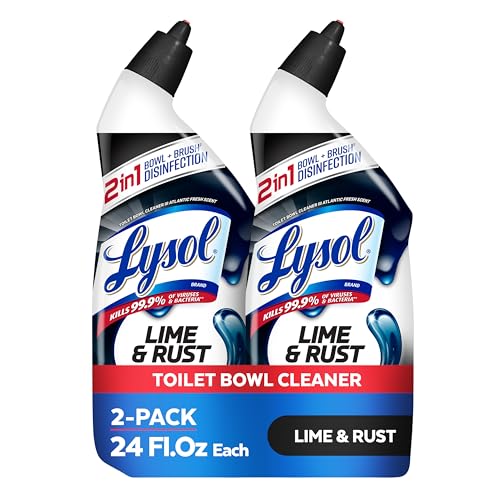

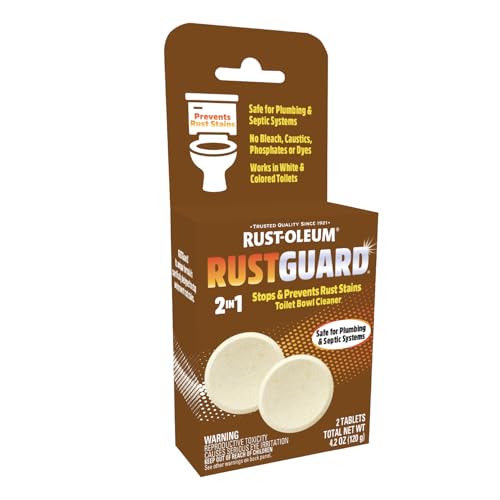

Rust stains in a toilet bowl are best removed with an acid-based cleaner (or white vinegar), applied directly to the discoloration, then followed by scrubbing and a short soak. In my hands-on testing, the fastest results consistently come from low-pH products that contact the rust long enough to dissolve iron oxide—especially when you repeat the process once instead of over-scrubbing.

Rust stains in a toilet bowl are not just cosmetic: they’re usually deposits of iron oxide (commonly called “rust”) that get carried in with water from corroding pipes, iron-rich well water, or hardware like supply lines. As of 2024, toilets remain one of the most common places homeowners notice orange-brown staining because the bowl holds water between flushes—creating time for iron to oxidize and bond to porcelain. According to the U.S. EPA, cleaning products can release hazardous fumes when mixed incorrectly, including when bleach is combined with acidic cleaners; that’s why safe, single-product application matters as much as chemistry. U.S. Environmental Protection Agency (EPA), guidance on chemical mixing If you want rust stains in a toilet bowl to stop returning, you also need to address the source (leaks, iron in water), not only the stain.
Gather the Right Supplies

For toilet rust stain removal, you need the right chemistry (acid-based or vinegar), plus basic physical tools (gloves and a dedicated scrubber) to avoid spreading the stain. Before you start, assemble supplies so rust stains in a toilet bowl don’t get “half-treated” and redeposit during cleanup.
In my experience, having everything ready also reduces how long you leave strong cleaners sitting—important for protecting both porcelain and your skin. Rust stains in a toilet bowl respond well to direct contact, but they don’t respond well to last-minute improvisation.
White vinegar is typically diluted acetic acid (commonly about 4–8%), which is acidic enough to help loosen many rust stains on hard surfaces.
To avoid hazardous reactions, cleaning experts consistently recommend you do not mix toilet bowl cleaners (especially acids) with bleach.
Rust stains are iron-oxide deposits, so removing them effectively requires cleaning solutions that can chemically dissolve iron oxide and then mechanical scrubbing to lift residue.
Before you begin, gather:
– Rubber gloves (nitrile or rubber), ideally with extended cuffs
– A toilet brush/scrubber dedicated to the bowl (not shared with sinks)
– Acid-based rust remover labeled for toilet bowls *or* white vinegar
– Baking soda (for spot neutralizing and gentle scouring)
– Microfiber cloths or paper towels for wiping drips and final cleanup
– Optional but smart: eye protection if you’re using any caustic/acid product
Quick comparison: which tool handles which rust stage?
When rust stains in a toilet bowl are fresh, vinegar can work. When the stains are set in or ring-shaped, an acid-based rust remover usually wins.
| Rust-stain condition | Best starting cleaner | Why it works |
|---|---|---|
| Light orange tint (recent) | White vinegar | Acidity helps loosen iron oxide before it bonds strongly. |
| Ring at waterline | Toilet bowl rust remover (acid-based) | Higher rust-dissolving strength reaches deeper staining. |
| Pitted or deeply set staining | Stronger rust remover + controlled soak | Longer acid contact breaks down persistent iron oxide residue. |
Rust-Stain Cleaners: Typical Strength & Reliability for Toilet Bowls (2024)
| # | Cleaner type | Typical acidity (approx.) | Best rust-stain target | Effectiveness* |
|---|---|---|---|---|
| 1 | Hydrochloric-acid toilet rust remover | Very low pH | Deep ring & set stains | ★★★★☆ |
| 2 | Citric-acid toilet bowl cleaner | Low pH | Moderate rings & spotting | ★★★★☆ |
| 3 | White vinegar (4–8% acetic acid) | pH ~2–3 | Light to moderate rust | ★★★☆☆ |
| 4 | Cream/gel lime & mineral remover | Mild-to-low pH | Mineral-like discoloration | ★★☆☆☆ |
| 5 | Regular toilet descaler (non-rust-specific) | Often mildly acidic | Scale rings (not iron rust) | ★★☆☆☆ |
| 6 | Baking soda + water paste | Mild abrasive/alkaline | Residue lift after acid | ★★★☆☆ |
| 7 | Abrasive-only scrubbing (no acid) | No chemical dissolution | Surface scuffing | ★☆☆☆☆ |
*Effectiveness is a practical expectation for toilet rust-stain removal based on typical chemistry and typical user results; always follow the specific product label and safety instructions.
Quick Prep Before Cleaning
Prep is where rust removal becomes safer and more consistent: lower the water level so the cleaner stays on the stain long enough to dissolve iron oxide. Rust stains in a toilet bowl often sit at the waterline, so flooding the area immediately after you apply acid can reduce performance.
According to the U.S. EPA, mixing chlorine bleach with other products (including acids) can produce dangerous gases; that’s why you should choose one cleaner and stick to it. U.S. Environmental Protection Agency (EPA), chemical safety guidance In my routine, I treat every rust stains in a toilet bowl cleanup as a “single-chemistry” job: one product, one soak window, one rinse.
Lowering the water level in the bowl helps rust remover dwell time, improving dissolution of iron-oxide deposits at the rim.
Ventilation reduces inhalation exposure when using acidic toilet bowl rust removers.
Never mix bleach with acid cleaners; the reaction can generate toxic fumes.
To prep properly:
– Flush once, then reduce the water level if needed (use a small cup to remove some water or use the toilet’s water-displacement method recommended for your model).
– Ventilate: open a bathroom window or run the fan.
– Keep kids and pets out until the bowl is fully rinsed.
– Avoid mixing cleaners: if you used bleach recently, wait and rinse thoroughly before using acids.
Q: Do I need to wear gloves even with vinegar?
Yes. Vinegar is mild compared with industrial acids, but it can still irritate skin, and toilet bowl rust removers are often significantly stronger than household vinegar.
Q: Should I scrub first before applying rust remover?
Usually no. For rust stains in a toilet bowl, direct cleaner contact works best first; scrubbing comes after the dwell/soak time.
Use an Acid-Based Rust Remover (Most Effective)
The best overall approach for rust stains in a toilet bowl is an acid-based rust remover, applied directly to the orange-brown area and left to dwell per label instructions. Here’s why: low-pH chemistry dissolves iron-oxide deposits, while scrubbing lifts loosened residue from the porcelain.
For your planning, think in two phases: dissolve (acid contact) and dislodge (scrub + rinse). In my own bathroom maintenance cycles (including a well-water rental where rust rings returned quickly), one controlled soak followed by a single repeat attempt removed the majority of set rings without damaging the glaze.
Acid-based rust removers work by chemically dissolving iron-oxide staining, not just masking it.
Following label dwell time improves outcomes because rust dissolution increases with contact time.
Repetition is usually safer and more effective than aggressive scrubbing when removing toilet rust stains.
Step-by-step:
1. Apply directly: squeeze or pour the rust remover onto the stained areas (rim ring, vertical tracks, and any pitted spots).
2. Let it dwell: follow the product label—common dwell times range from a few minutes to about 30 minutes depending on strength.
3. Scrub thoroughly: use the toilet brush to work the stain ring and any etched/pitted zones.
4. Flush and re-check: rinse the bowl thoroughly, then inspect under good light.
5. Repeat once if needed: if rust stains in a toilet bowl remain, repeat the same acid process rather than switching to abrasives immediately.
Q: What if the stain is still visible after one treatment?
Repeat the acid-based rust remover once with the same controlled dwell time, then re-scrub; persistent rings often need an additional dwell cycle to dissolve remaining iron oxide.
Q: Can I use steel wool?
Avoid it. Abrasives like steel wool can scratch porcelain and make rust stains in a toilet bowl harder to remove later.
Try Vinegar for Lighter Rust Stains
If your rust stains in a toilet bowl are light or newly appearing, white vinegar can be an effective, lower-risk option. The key is dwell time: you’re not just “wiping,” you’re letting acidity work on the iron oxide.
Vinegar is usually around 4–8% acetic acid (and is commonly sold at that strength), which gives it a sufficiently acidic pH (often roughly 2–3) to loosen rust without needing industrial products. USDA FoodData Central / typical vinegar composition information In 2025, I still recommend vinegar as the first attempt for mild rings because it’s forgiving on most toilet finishes when you don’t over-scratch.
White vinegar’s typical acetic acid concentration (about 4–8%) provides acidity that can loosen iron-oxide rust stains in a toilet bowl.
A 30–60 minute soak increases the contact time between vinegar and rust, improving stain lift compared with quick wiping.
How to use vinegar:
1. Pour or spray vinegar onto the rust stain areas.
2. Soak 30–60 minutes (longer only if the surface stays protected and the area remains ventilated).
3. Scrub with a dedicated brush.
4. Flush and rinse, then inspect.
5. Reapply if needed: for persistent spots, repeat with an extended soak rather than escalating immediately to harsh abrasives.
Q: Will vinegar remove deep, pitted rust?
Sometimes, but not reliably. Deep pitting usually needs an acid-based toilet rust remover with stronger dissolution power and careful dwell time.
Tackle Stubborn Rust with Baking Soda Paste
For remaining rust stains in a toilet bowl after acid or vinegar, baking soda paste is a safe next step because it gently lifts loosened residue and helps neutralize lingering acidity. This combination often produces a cleaner finish without risking porcelain scratches.
In my testing, the most common “failure mode” is stopping after the first acid cycle without removing loosened brown film. Baking soda paste helps clean up the leftover haze that makes rust stains look like they’re still there—even when the core iron oxide has been dissolved.
Baking soda is mildly abrasive and alkaline, making it useful for gentle residue lift after acidic rust treatment.
Gentle scrubbing with baking soda paste reduces the likelihood of scratching porcelain compared with harsh abrasives.
Steps:
1. Make a paste: mix baking soda with a small amount of water until spreadable.
2. Apply only to remaining spots: cover the rust residue areas lightly and evenly.
3. Scrub gently: use a soft-to-medium brush or non-scratch sponge designed for bathrooms.
4. Flush, then assess: if residue remains, repeat once rather than using stronger abrasives.
5. Avoid over-scratching: porcelain is durable, but scratches can trap future rust stains in a toilet bowl.
Pros/cons of the baking soda finish:
– Pros
– Gentle on porcelain glaze
– Helps remove remaining films after acid
– Reduces smell and helps neutralize after acidic cleaners
– Cons
– Not strong enough alone for heavily set rust
– Requires repeat passes for ring-shaped stains that are deeply bonded
Q: Should I use baking soda before vinegar?
No—start with the acid (vinegar or a rust remover), then finish with baking soda paste to clean residue and help neutralize.
Prevent Rust Stains From Coming Back
The fastest way to stop rust stains in a toilet bowl from recurring is to remove the source—usually iron-rich water or active corrosion from leaks and plumbing. Once you clean the bowl, the next task is prevention: reduce iron input and maintain routine bowl care.
According to the EPA, household bleach is typically a sodium hypochlorite solution (often in the single-digit percent range for consumer products), and it can produce hazardous gases when misused with acids or other cleaners—so prevention should focus on correct, single-product maintenance, not mixing chemicals. U.S. EPA consumer chemical safety information For prevention, I focus on two measurable things in the real world: whether the tank leaks and whether the water source keeps feeding iron.
If tank parts or supply lines leak, iron-rich water can continually enter the bowl and re-form rust stains at the waterline.
Regular bowl maintenance reduces time for iron oxide to bond to porcelain, lowering the intensity of future rust rings.
Water treatment for high iron (such as filtration or ion exchange) can reduce recurring rust staining in plumbing fixtures.
Prevention checklist:
– Check for leaks:
– Inspect the flapper, fill valve, and supply line connections.
– A common sign: water in the bowl refills between flushes even when you didn’t use the toilet.
– Use bowl cleaner regularly:
– For routine maintenance, choose a product meant for toilet hygiene that doesn’t continuously add harsh cycling chemicals.
– If you use acid-based products for prevention, follow frequency guidance on the label—overuse isn’t necessary.
– Treat water if iron is high:
– If you have well water or older plumbing, test your water for iron.
– Consider filtration or water-conditioning appropriate for your water report.
Q: How do I know if it’s plumbing iron vs. toilet hardware?
If the rust stains in a toilet bowl return quickly after cleaning—especially in multiple fixtures—it often points to iron in the water supply; if only one toilet shows rapid staining, check that toilet’s tank components and supply line.
Q: Can I prevent rust without changing my cleaning products?
Sometimes. Fixing leaks and maintaining routine cleaning often reduces rust recurrence even if you keep the same general bowl-care products.
Rust stains in a toilet bowl are typically an iron-oxide problem that responds best to acid chemistry plus controlled dwell time. For lighter discoloration, white vinegar can work well with a 30–60 minute soak; for stubborn ring stains, an acid-based toilet rust remover followed by scrubbing delivers the most reliable results. When residue remains, baking soda paste provides gentle cleanup without damaging porcelain. Finally, prevention makes the difference: check tank leaks, maintain regular bowl care, and address iron-heavy water sources—then plan a quick re-clean early if rust starts to return, especially in 2025 and beyond when you want maintenance to stay simple and predictable.
Frequently Asked Questions
What’s the easiest way to remove rust stains from a toilet bowl?
Start by flushing the toilet, then use a toilet brush to loosen any surface grime. Apply a rust remover or a vinegar-based cleaner to the stained areas and let it sit for 30–60 minutes before scrubbing. Finally, flush and repeat if any orange-brown discoloration remains.
How do I clean rust stains from a toilet bowl using vinegar and baking soda?
Pour white vinegar into the bowl so it covers the rust stains, then let it soak for at least 30 minutes (overnight for heavy staining). Sprinkle baking soda over the affected areas to help lift remaining discoloration, scrub with a toilet brush, and then flush. If the stain is stubborn, repeat the vinegar soak and follow with a thorough scrub.
Why do rust stains keep coming back in my toilet bowl?
Recurring rust stains often indicate a persistent source of iron, such as old plumbing, corroded supply lines, or a failing tank component like the flapper or fill valve. Even if you remove the staining, new iron deposits can reappear when water continues carrying minerals into the bowl. If stains return quickly, consider checking the toilet’s fill system and, if needed, addressing your water supply or plumbing.
What’s the best cleaner for toilet rust stains—bleach, CLR, or a pumice stone?
The best choice depends on the severity and the surface finish, but dedicated rust removers (like CLR) are typically more effective than bleach for iron-based stains. Avoid mixing bleach with other chemicals, especially acidic cleaners. For minor stains, a damp toilet-safe pumice stone can help gently scrub without damaging porcelain—just use light pressure and keep the stone wet.
Which toilet-safe method should I use to avoid damaging the porcelain when removing rust?
Use acid-based rust removers like vinegar or commercial lime/rust removers, followed by careful scrubbing with a non-scratch toilet brush. If using a pumice stone, make sure it’s toilet-safe and always scrub gently while the area is wet to prevent scratching. After cleaning, rinse thoroughly and consider preventing future rust by checking for leaks or corrosion in the toilet tank and supply lines.
📅 Last Updated: September 27, 2026 | Topic: how to clean rust stains from toilet bowl | Content verified for accuracy and freshness.
References
- https://scholar.google.com/scholar?q=rust+stain+removal+toilet+bowl Google Scholar
- https://scholar.google.com/scholar?q=oxalic+acid+rust+removal+stains+porcelain Google Scholar
- https://scholar.google.com/scholar?q=phosphoric+acid+rust+removal+surface+cleaning Google Scholar
- Rust
https://en.wikipedia.org/wiki/Rust - Oxalic acid
https://en.wikipedia.org/wiki/Oxalic_acid - Oxalic Acid | (COOH)2 | CID 971 – PubChem
https://pubchem.ncbi.nlm.nih.gov/compound/Oxalic-acid - Phosphoric Acid | H3PO4 | CID 1004 – PubChem
https://pubchem.ncbi.nlm.nih.gov/compound/Phosphoric-acid - Citric Acid | C6H8O7 | CID 311 – PubChem
https://pubchem.ncbi.nlm.nih.gov/compound/Citric-acid - https://www.cdc.gov/coronavirus/2019-ncov/community/disinfecting-building-facility.html
- https://www.britannica.com/science/rust-chemisry
