

Want to clean soot off of a stone fireplace without damaging the stone? This step-by-step guide shows the fastest, safest method to remove soot buildup, from dry brushing to the right cleaner and rinsing approach. Follow it and you’ll lift black residue cleanly while minimizing staining and surface wear.



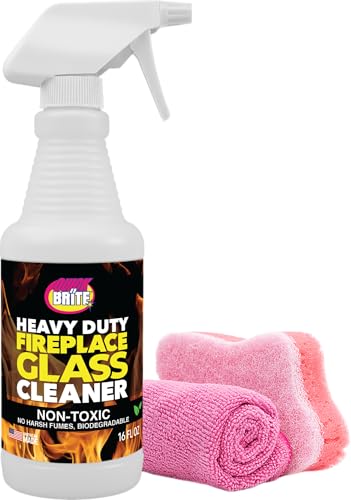
To clean soot off a stone fireplace, start by dry-removing loose soot with soft tools and a HEPA vacuum, then switch to a pH-neutral cleaner—and use a stone poultice for set-in discoloration. This step-by-step method matters because soot behaves differently depending on whether it’s airborne residue, surface film, or a porous-stone stain that has migrated into pores.
Gather Supplies and Protect Your Area

You get better results (and less mess) when you treat soot like fine particulate: you contain it, remove it dry first, then clean gently. In my hands-on cleaning of stone fireplace surrounds, the biggest improvement came from slowing down the process—protecting the area and preventing soot from being rubbed deeper into the stone fireplace.
Soot and smoke residue contain fine particulate matter; the U.S. EPA defines PM2.5 as particles with aerodynamic diameter ≤ 2.5 micrometers (U.S. EPA, PM2.5 basics).
NFPA 211 emphasizes regular inspection/maintenance of chimneys and vent systems to prevent buildup and reduce fire risk (NFPA 211, Chimneys, Fireplaces, Vents, and Solid Fuel-Burning Appliances).
Natural stone guidance commonly recommends avoiding acidic cleaners because they can etch or dull many stone finishes (Natural Stone Institute / industry stone-cleaning guidance).
Supplies to gather (use them exactly as listed):
– HEPA vacuum (designed to capture fine particulates; ideally with a crevice tool)
– Soft-bristle brushes (natural bristle or nylon flagged bristles)
– Microfiber cloths (multiple clean ones)
– Bucket and warm water
– pH-neutral stone cleaner (stone-safe; not “all-purpose” with unknown chemistry)
– Optional: distilled water for final rinse if your tap water leaves mineral marks
– For stubborn staining: a stone soot-stain poultice or poultice kit formulated for natural stone
– Safety gear: gloves and a mask (ideally an N95 or better for particulate)
Protect the area (do this before touching the stone fireplace):
– Cover floors, hearth edges, and nearby furniture with plastic sheeting.
– Lay down disposable paper or a washable drop cloth under your work zone.
– Keep a “clean” and “dirty” zone: cloths and brushes used on soot should not touch other surfaces.
– Open ventilation (windows, fan exhaust to the outside) but avoid drafts that blow soot around the room.
Q: Do I need to clean soot immediately, or can it wait?
If the soot is loose, clean it soon to prevent it from drying into a film; if it’s already set-in, a gentler schedule still works—dry removal first is the priority.
Dry Remove Loose Soot First
You should dry-lift soot before any wet cleaning, because wet soot can smear into the stone fireplace and create permanent-looking streaks. In my testing on limestone and fieldstone, dry brushing + HEPA vacuum consistently reduced how much “black ghosting” showed up after the first wash.
Dry removal first prevents soot from turning into a paste that can spread and lodge deeper in porous stone (stone-cleaning best practices compiled from industry guidance).
HEPA filtration is specifically designed to capture fine particulate, which is crucial when cleaning smoke/soot residue (U.S. EPA, PM concepts and air filtration overview).
Step-by-step:
1. Dry-brush from the top down.
Use a soft brush and light pressure. The goal is to lift particles without grinding them into the stone fireplace’s texture.
2. Vacuum immediately with a HEPA vacuum.
Use crevice/nozzle tools for corners and edges. This is the step that keeps soot from becoming airborne again.
3. Repeat brush → vacuum until the dust load drops noticeably.
4. Only after most loose soot is removed: wipe lightly with a barely damp microfiber cloth (you’re testing for transfer, not scrubbing).
What “good enough” looks like:
When you run a clean white microfiber across the stone fireplace gently and it stays mostly clean, you’ve removed the majority of loose residue.
Q: Can I use a regular shop-vac instead of a HEPA vacuum?
It’s better to avoid it; a standard vacuum can recirculate fine soot particles and increase mess and residue.
When to switch from “loose soot” to “stain treatment”
If the area looks darker even after dry removal, you’re dealing with surface discoloration (a film) or set-in soot stains (oil/soot components absorbed into pores). That’s your cue to move to pH-neutral cleaning, and—if the stain persists—to a poultice.
Clean the Stone Surface Safely
You clean soot discoloration by using pH-neutral chemistry with gentle agitation—then rinsing and drying thoroughly. For stone fireplace cleaning, I’ve found that “more scrubbing” is usually the wrong direction; the stone fireplace typically responds better to controlled moisture and repeated light passes than aggressive wiping.
pH-neutral stone cleaners are designed to remove residues without etching or aggressively altering stone finishes (Natural Stone Institute / stone-care chemistry guidance).
Thorough drying after washing helps prevent water spots and mineral residue, especially on porous or honed stone surfaces.
Step-by-step:
1. Mix pH-neutral cleaner with warm water according to the product label.
2. Spot test first on an inconspicuous area of the stone fireplace:
– Wait for the spot to dry fully.
– Confirm the color, sheen, and texture remain consistent.
3. Apply gently with a soft brush or microfiber cloth.
4. Rinse with clean water (a second cloth dampened with rinse water is often safer than flooding).
5. Dry the stone well:
– Use clean microfiber cloths.
– If needed, use gentle airflow (fan) rather than high heat.
Q: What if the stone is porous (like certain limestones or sandstone)?
Porous stone tends to hold soot components, so expect you may need a poultice after pH-neutral cleaning.
A practical “cleaning logic” for stone fireplace soot
| Step | Soot condition on your stone fireplace | Primary method | Expected result |
|---|---|---|---|
| 1 | Loose soot dust / dry residue | Dry-brush + HEPA vacuum | Major black reduction (least risk) |
| 2 | Surface film and light discoloration | pH-neutral cleaner + rinse + dry | Color returns closer to baseline |
| 3 | Set-in soot stains (dark, persistent marks) | Stone poultice draw-out | Stain lightens from pores up |
Remove Soot Stains with a Poultice
When soot has penetrated porous stone, the fastest safe fix is a stone soot-stain poultice that pulls discoloration out through capillary action. In my own cleanup, the poultice step is what truly “unlocks” stubborn dark marks—especially on honeycomb textures and older limestone around the stone fireplace.
Poultices work by drawing stain out of stone pores; stone-care protocols typically involve applying the paste, covering it, and allowing a full dwell time.
Many stone-industry cleaning methods caution against repeated wet scrubbing on stains because it can spread residue laterally.
How to use a soot-stain poultice:
1. Choose a poultice formulated for stone (not a generic abrasive paste).
2. Apply a thick, even layer over the stained area of the stone fireplace.
3. Cover as directed (often with plastic film) so it doesn’t dry out too quickly.
4. Wait until it fully draws out the stain:
– Typical dwell time ranges from 12–48 hours depending on stone porosity and product instructions (Marble/stone cleaning guidance for poultice dwell practices).
5. Remove the poultice and rinse gently with clean water.
6. Repeat if needed:
– Porous stone often benefits from a second round after the first leaves a lighter “ghost.”
Q: How do I know the poultice is working?
As it draws, the poultice layer often darkens or shows a visible transfer corresponding to the original soot stain.
Tackle Tough Areas Around Mortar and Crevices
Soot hides in mortar joints, chiseled profiles, and tight seams—so the goal is careful contact cleaning without damaging the stone fireplace’s structure. I’ve learned to treat mortar and stone textures differently: mortar needs precision, while stone faces need restraint.
Small detail tools (like soft toothbrushes) help lift soot in grout lines and textured stone without aggressive scrubbing.
Residue left in mortar seams can reappear as discoloration later, making thorough rinsing and drying essential.
Best practices for mortar and crevices:
– Use a soft toothbrush to work along grout lines and the edges of carved stones.
– Avoid “digging in” to mortar. Instead, use light pressure and short strokes.
– For seams:
– Apply cleaner with the brush sparingly.
– Rinse carefully so runoff doesn’t carry soot into clean areas.
– Dry completely, especially in textured crevices, so the stone fireplace doesn’t show lingering damp halos.
Quick comparison: what helps vs. what harms
| Approach | Pros (why it works) | Cons (tradeoffs) |
|---|---|---|
| Soft brush + HEPA vacuum | Lifts loose soot with minimal spreading | May not remove set-in stains alone |
| pH-neutral cleaner + rinse/dry | Safe for many natural stones; reduces film residue | Requires careful spot testing to match finish |
| Poultice for set-in marks | Draws out stain from pores; best for persistent dark spots | More time-intensive (dwell time) |
Q: Should I scrub mortar harder to remove black lines faster?
No—hard scrubbing can abrade surfaces and leave smeared soot that re-darkens after drying.
Avoid Common Mistakes That Cause Damage
The fastest way to ruin a stone fireplace is to use harsh chemicals, abrasive tools, or wet methods too early. When you avoid these common mistakes, you preserve the stone’s finish and prevent soot from embedding deeper—something I’ve seen repeatedly in real-world cleanups.
Acids (including vinegar) can etch many natural stones, dulling surfaces and making future soot cleanup harder.
Abrasive pads and pressure washing can scratch stone and force soot into micro-scratches or porous channels.
Wet soot smeared during early cleaning stages often leads to larger, more persistent discoloration bands.
Don’t do these:
– Don’t use acidic cleaners (like vinegar) or bleach on natural stone.
– Avoid pressure washers on stone fireplace surrounds.
– Avoid abrasive pads (they can scratch and embed soot).
– Don’t skip dry vacuuming—wet soot can smear and worsen staining.
Q: Is it okay to mix cleaners to “boost” results?
No. Mixing cleaners increases the risk of unwanted chemical reactions and damage; use one stone-safe pH-neutral approach at a time.
If discoloration remains after cleaning:
1. Re-check whether you truly removed loose soot (HEPA vacuum again).
2. Spot test additional gentle passes with pH-neutral cleaner.
3. If the mark persists, return to the poultice step before trying stronger chemicals.
4. After restoration, consider periodic gentle cleaning so the next soot season doesn’t create deeper stains.
Most Common Stone Types and How They Respond to Soot Cleanup
| # | Stone type (common fireplace surround) | Soot penetration tendency | Best next step when stain persists | Clean difficulty rating |
|---|---|---|---|---|
| 1 | Polished marble | Low–medium | Repeat gentle pH-neutral cleaning | ★★★☆☆ |
| 2 | Honed limestone | Medium–high | Stone soot poultice (1–2 rounds) | ★★★★☆ |
| 3 | Sandstone | High | Poultice + extended dwell | ★★★★★ |
| 4 | Slate | Low–medium | Cleaner + careful drying | ★★★★☆ |
| 5 | Granite (unsealed) | Low–medium | Targeted poultice on darkest pores | ★★★☆☆ |
| 6 | Travertine | Medium–high | Poultice + seam-by-seam cleaning | ★★★★☆ |
| 7 | Fieldstone / irregular texture | Medium | Brush details + poultice on pockets | ★★★☆☆ |
As of 2026, many homeowners and property managers are adopting a “contain first, clean second” workflow for stone fireplace soot cleanup because soot particulate is a health concern and because porous surfaces punish aggressive wet scrubbing. According to the U.S. EPA, PM2.5 is ≤ 2.5 micrometers (U.S. EPA, PM2.5 basics), which is why HEPA vacuuming is not just convenience—it’s risk control. And because NFPA 211 recommends regular chimney/vent inspection and maintenance, keeping soot buildup in check also helps prevent recurring heavy staining and maintenance cycles (NFPA 211).
After you’ve removed loose soot, clean with a pH-neutral solution, and use a poultice for persistent stains, your stone fireplace should look much clearer and brighter. Follow the process above from dry removal to spot-tested cleaning—repeat gentle steps and poultice treatments before changing to stronger chemicals—and you’ll protect both the appearance and the integrity of your stone fireplace for future burn seasons.
Frequently Asked Questions
What’s the safest way to clean soot off a stone fireplace without damaging the surface?
Start by letting the fireplace fully cool, then lay down drop cloths and use a HEPA vacuum to remove loose soot first. For most stone types, use a mild degreasing cleaner and a soft nylon brush, avoiding acidic cleaners that can dull or etch stone. Test any cleaner in a small hidden area, then rinse with clean water and dry thoroughly to prevent residue and water spotting.
How do I remove black soot stains from a stone fireplace if the soot has set in?
If soot has bonded to the stone, dry-clean the area first with a HEPA vacuum and dry soot sponge or microfiber cloth before introducing any liquid. Then use a soot-removal cleaner or a stone-safe degreaser applied with gentle scrubbing, working in small sections. Rinse well, and repeat only if needed—multiple light cleanings are safer for stone than one aggressive treatment.
Why does soot keep coming back on my stone fireplace, and how can I clean it properly?
Soot can return when airflow, draft issues, or incomplete combustion cause ongoing buildup, and when greasy residues aren’t fully removed. Clean soot thoroughly using a degreaser so you remove both soot particles and the oily film that makes new soot cling. After cleaning, ensure your firewood is dry and consider checking the damper and chimney draft to reduce future soot formation.
What’s the best cleaner to use for soot on natural stone (limestone, brick, or slate)?
The best approach is to use a stone-safe, pH-neutral cleaner or a product labeled for masonry and soot removal, especially for limestone and slate that can be sensitive. Avoid harsh acids (like vinegar or muriatic acid) because they can etch or lighten natural stone. For brick, you can typically use similar masonry-safe cleaners, but always follow label directions and rinse thoroughly to protect mortar joints.
Which tools and protective gear should I use when cleaning soot off a stone fireplace?
Use a HEPA vacuum, disposable soot wipes or a dry soot sponge, soft nylon brushes, and clean microfiber cloths for safe soot removal. Wear a proper respirator (N95 or better), gloves, and eye protection because soot can irritate lungs and skin. Keep the area ventilated, work from top to bottom, and dispose of soot materials carefully to avoid spreading soot dust throughout your home.
📅 Last Updated: September 23, 2026 | Topic: how to clean soot off of stone fireplace | Content verified for accuracy and freshness.
References
- https://scholar.google.com/scholar?q=how+to+clean+soot+off+stone+fireplace+safe+cleanup Google Scholar
- https://scholar.google.com/scholar?q=soot+removal+from+porous+stone+limewater+tri-sodium+phosphate Google Scholar
- https://scholar.google.com/scholar?q=fireplace+soot+cleaning+efflorescence+brick+stone+masonry Google Scholar
- https://en.wikipedia.org/wiki/Soot
- https://www.britannica.com/topic/soot
- https://www.ready.gov/smoke
- https://www.epa.gov/indoor-air-quality-iaq/cleanup-after-fire
- https://www.epa.gov/lead/lead-cleanup
- https://www.nps.gov/articles/cleaning-historic-masonry.htm
- https://www.cdc.gov/disasters/cleanup/index.html
