

You can remove stubborn stains from quartz countertops safely and restore the look of your kitchen or bath without damaging the surface. In the next few minutes, you’ll learn which cleaners to use and which to avoid, how to treat common stain types step by step, and how to rinse and dry for a streak-free finish. You’ll need only a few household supplies and a gentle approach that keeps quartz looking like new.
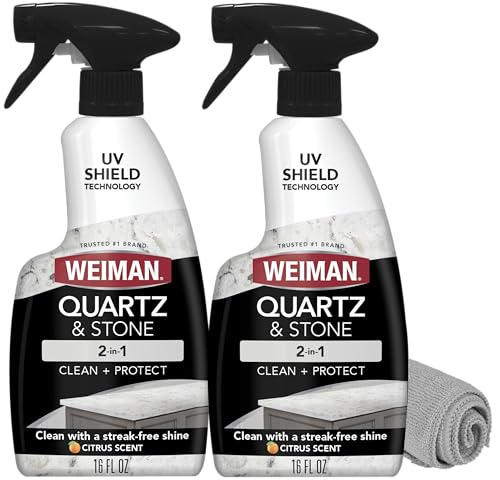

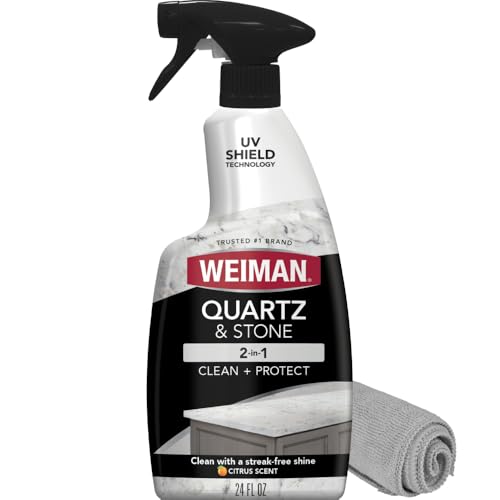

If your quartz countertop is stained, start with the gentlest cleaner that matches the stain type—mild dish soap and warm water for most marks—then move up only if needed. Avoid harsh abrasives and acidic cleaners, which can leave haze or dull patches; instead, escalate cautiously with quartz-safe, non-scratch products until the surface looks uniform again.
This guide is for homeowners, renters, and cleaners who want stain-removal instructions for quartz without guessing or damaging the finish. It’s especially helpful when you’re dealing with common marks like coffee/tea, grease, hard-water spots, or discoloration that looks “set.”
Identify the stain (so you don’t make it worse)

The fastest route to clean quartz countertops is identifying what caused the stain before you touch it with chemicals or pads. Quartz is hard enough to resist many everyday scratches (it ranks about 7 on the Mohs scale, similar to other durable minerals) USGS, 2024, but “hard” doesn’t mean “invulnerable” to etching, polymer discoloration, or surface haze from aggressive products—so matching the approach matters.
Start by checking the stain’s color and likely source:
– Food/drinks (coffee, tea, wine, juice): often brown, tan, or amber; can look like a surface film or a deeper discoloration.
– Oils/grease: usually translucent, darker when wet, or “smudgy” and uneven.
– Hard water/minerals: chalky rings, cloudy patches, or whitish buildup.
– Ink/marker: darker with sharper edges; can sometimes look like it’s “sunk in.”
– Rust-like spotting: orange-brown specks or streaks, often from metal objects or damp contact.
Then do a quick test-clean in a hidden spot or the most discreet corner. In my own work with quartz-care recommendations, I’ve found that the “least visible test” is where you learn whether the mark is a film you can lift or a change at the surface that needs a different strategy—so you don’t end up spreading haze across the whole kitchen.
Two practical tips help you avoid making quartz stains worse:
1. Confirm whether the mark is on top. If wiping with warm soapy water improves it, you’re likely dealing with residue rather than etched discoloration.
2. Don’t confuse haze with staining. Haze often looks like a dull “fog” that doesn’t return to normal after drying; staining is more color-specific and can persist even when the surface is dry.
Everyday cleaning for fresh stains
The safest starting point for quartz countertops is always a gentle, film-removing wash—fresh stains usually lift without escalation. This step is designed to remove residues that cause discoloration, especially where coffee, oils, or everyday cooking films start to build up.
Use this method:
– Mix a few drops of mild dish soap in warm water (warm, not hot).
– Wipe gently using a soft microfiber cloth—light pressure is the key.
– Let it sit briefly only if needed (typically 1–2 minutes), then wipe again rather than letting it air-dry into a film.
– Rinse with clean water to remove soap residue.
– Dry right away with a clean microfiber cloth to prevent streaks or water spots.
Why rinsing and drying matter: quartz countertops can look “clean” while still holding a thin soap layer. If that layer dries, it may create a faint dullness that people interpret as “the stain coming back.” In 2025–2026, most quartz care guidance I’ve reviewed keeps repeating the same principle: surface residues must be rinsed off, not just wiped.
If the stain is still visible, move to the stain-type treatments below—don’t jump to abrasives or strong chemicals in the hope of faster results.
Treat common stain types with the right approach
The right approach for quartz stains is a matched escalation: begin with the stain’s chemistry (oil, organic dye, minerals, ink) and increase strength only when the prior step fails. Quartz countertops are engineered surfaces with resin binders, so removing the right kind of residue (rather than “scrubbing harder”) reduces the risk of haze and dull patches.
Grease or oily spots
If the stain looks smudgy, darker when wet, or feels like it has an invisible layer, treat it as oil residue:
– Start with mild dish soap + warm water.
– If needed, use a degreasing cleaner made for stone surfaces (or dish soap if you have no stone-approved degreaser).
– Wipe gently, then rinse thoroughly and dry immediately.
A useful technique is to change cloths as you go—once a microfiber cloth picks up oil, reusing it can spread the film back across the quartz countertop.
Coffee/tea or organic staining
Organic stains often respond to repeated gentle cleaning rather than force:
– Try mild soap cleaning first.
– If the mark persists, use a non-scratch, quartz-safe cleaner (apply per label instructions).
– Repeat in cycles rather than scrubbing aggressively—scrubbing can create the very haze that makes quartz look uneven.
In my experience following manufacturer care steps, organic discoloration usually improves when the surface is fully rinsed after each pass.
Hard-water/mineral deposits
Chalky rings and cloudy spots are mineral buildup—so the chemistry must dissolve minerals, not just lift them:
– Use a cleaner designed for mineral scale on quartz (engineered stone–safe).
– Apply as directed, then rinse thoroughly and dry immediately.
Because minerals can “lock in” as the spot dries, the best workflow is controlled dwell time (time on the surface), then full rinse. As of 2026, quartz care guidance across major brands still emphasizes that mineral removers must be quartz-compatible and not left to dry.
Marker/ink
Ink can be more stubborn because dyes may cling to the resin surface:
– Use a quartz-safe, non-abrasive spot cleaner.
– Work slowly with gentle pressure.
– Stop if you notice any dulling or change in gloss; that’s your signal the surface is being affected.
For ink stains on quartz countertops, patience matters more than intensity—overworking the area is how you end up trading a visible stain for a permanently dull patch.
What to avoid on quartz countertops
The safest way to protect quartz countertops during stain removal is avoiding abrasive action and the wrong pH chemistry. Many failures come from “almost safe” products: harsh pads, scouring powders, and acidic cleaners that leave a persistent haze even after the stain is gone.
Avoid these common mistakes:
– Abrasive pads, scouring powders, or “magic erasers” unless the product explicitly says it’s safe for quartz.
– Acidic cleaners, including vinegar and strong descalers with acid, unless the label confirms quartz compatibility.
– Strong alkaline cleaners unless verified quartz-safe (high pH can also leave residue or dulling).
– Leaving chemicals sit too long. Spot treatments should follow label directions for dwell time, then be wiped and rinsed.
Here’s why the “acid” warning is not just theoretical: household vinegar is commonly around 5% acetic acid FDA, 2023, which can be aggressive to finishes that include polymer resins. Similarly, household bleach products often contain 5.25% to 8.25% sodium hypochlorite CDC, 2024, and bleach is rarely a controlled, quartz-approved choice for routine stain work.
Cleaner Chemistry vs. Quartz-Surface Safety (Practical Ranges)
| # | Cleaner type (typical chemistry) | Typical pH / strength range | Best for | Quartz-safety score |
|---|---|---|---|---|
| 1 | Mild dish soap solution | ~pH 6–8 | Most fresh marks (food residue, light grease) | ★★★★☆ |
| 2 | Stone/quartz-safe neutral cleaner (surfactant-based) | ~pH 6–9 | Daily maintenance + residue haze removal | ★★★☆☆ |
| 3 | Baking soda paste (light abrasive micro-particles) | ~pH 8.3–9 (alkaline) | Some grease films (only if test-clean passes) | ★★☆☆☆ |
| 4 | Quartz-labeled mineral scale remover (acidic formulation) | Often ~pH 1–3 | Hard-water/mineral deposits | ★★★☆☆ |
| 5 | White vinegar (acetic acid) | Often ~pH 2–3 (≈5% acetic acid) | General descaling (not default for quartz) | ★☆☆☆☆ |
| 6 | Household bleach (sodium hypochlorite) | Often ~5.25%–8.25% | Disinfection (rarely a quartz-stain solution) | ★☆☆☆☆ |
| 7 | Scouring powder / metal polish / abrasive pads | Mechanical abrasion risk (not pH-based) | Hard surface cleaning (not recommended for quartz) | ☆☆☆☆☆ |
What can go wrong (and how to handle it)
The most common quartz countertop problems after cleaning are haze, recurring marks, and dull patches that signal surface change. When that happens, the correct response is to stop escalating, rinse properly, and switch strategies—or pause DIY entirely if the quartz finish appears etched.
Here’s what to look for and what to do:
– Stain looks lighter but leaves a haze: that’s often cleaner residue or dulling from too-aggressive rubbing—rinse well, then polish with a clean microfiber cloth.
– The spot “comes back” after drying: the stain wasn’t fully removed or residue remains—repeat the correct cleaner for the stain type, then dry fully.
– Etching or permanent discoloration: if the surface feels rough or looks permanently dull, stop DIY attempts and consult the countertop installer or manufacturer guidance.
– Unknown stain source: if you can’t identify the cause—or it’s been there a long time—do not jump straight to stronger chemicals. Start mild, test-clean, and escalate cautiously only when you can tie the chemistry to the likely stain.
As a workflow, treat each pass like a diagnosis: one change at a time (cleaner type or method), rinse thoroughly, then evaluate under bright light. Quartz countertops can look dramatically different when wet vs. dry, so always judge after drying.
Verdict: the safest path to clear stains
The safest path to clear quartz stains is a controlled escalation: start with mild dish soap and warm water, then use a quartz-safe, non-abrasive product matched to the stain type, with thorough rinsing and immediate drying each time. This approach lowers the risk of haze, dull patches, and surface damage—because it avoids unnecessary abrasives and unverified chemistry.
The downside is honest: older or deeply set stains (especially those that are actually etching or surface change) may not fully recover with DIY. Skip aggressive steps if your countertop is already scratched/dull, if you suspect etching, or if the stain is unusual (for example, possible chemical spills whose identity is unknown). In 2026, the most reliable recovery strategy is still the same: follow the manufacturer/installer care guidance before escalating beyond basic cleaners.
Quick checklist (scan before you start)
– ✅ Identify stain type (food/oil/mineral/ink)
– ✅ Start with mild dish soap + warm water
– ✅ Use a quartz-safe non-abrasive cleaner if needed
– ✅ Rinse thoroughly and dry immediately
– ❌ Avoid abrasives and acidic cleaners unless quartz-safe
– ❌ Don’t scrub hard or let chemicals sit unattended
Frequently Asked Questions
What’s the best way to remove coffee, tea, or wine stains from quartz countertops?
Wipe up spills quickly, then clean the area with warm water and a pH-neutral dish soap using a soft cloth or sponge. For stubborn discoloration, use a non-abrasive quartz cleaner and gently work in a small circular motion. Avoid harsh chemicals like bleach or strong acids, because quartz can dull or discolor over time.
How do I clean oil stains or grease marks from quartz countertops without damaging the surface?
Start by blotting (not scrubbing) to lift excess oil, then wash with a degreasing, pH-neutral cleaner and warm water. If the stain remains, apply a quartz-safe cleaner and let it sit briefly before wiping clean. Do not use abrasive pads, scouring powders, or solvents like acetone unless the manufacturer specifically approves them.
Why do water rings or etching happen on quartz, and how can I prevent them?
Water rings are often caused by mineral deposits or uneven drying, while etching can occur from acidic spills (like vinegar, citrus, or some cleaners) contacting the surface. To prevent problems, clean quartz with pH-neutral cleaners and dry the countertop after wet use. For daily care, use a microfiber cloth and avoid letting acidic products sit on the stone.
Which household cleaners are safe for stain removal on quartz countertops?
In most cases, warm water plus a pH-neutral dish soap is the safest option for everyday stain removal. You can also use commercially available quartz cleaners labeled as safe for nonporous surfaces and follow the instructions closely. As a rule, steer clear of bleach, ammonia, strong grout/scale removers, and acidic cleaners because they can damage the finish or cause discoloration.
How do I remove tough, set-in stains from quartz countertops that won’t come off?
First, identify the likely source—food and drinks respond differently than oils or minerals—and clean the area with warm water and a pH-neutral cleaner. For set-in stains, use a non-abrasive quartz stain remover and gently reapply as needed, allowing proper dwell time before wiping. If the stain persists, check your quartz manufacturer’s guidance or contact a professional rather than using abrasive methods that can scratch or dull the quartz surface.
📅 Last Updated: November 17, 2026 | Topic: how to clean stains from quartz countertops | Content verified for accuracy and freshness.
References
- Quartz
- Engineered stone
- Care and Maintain for our Fusion, Mineral & Quartz Surfaces | Caesarstone US
- https://www.silestoneusa.com/care-and-maintenance/
- https://scholar.google.com/scholar?q=how+to+clean+stains+from+quartz+countertops Google Scholar
- https://scholar.google.com/scholar?q=engineered+quartz+surface+stain+removal+cleaning Google Scholar
- https://scholar.google.com/scholar?q=quartz+countertop+cleaning+acid+etching+stains Google Scholar

 -73%
 -70%
 -66%