
Cleaning unsealed concrete floors requires careful attention to detail and the right techniques to preserve their appearance and durability. Unlike sealed concrete, which can withstand harsher cleaning methods, unsealed concrete is porous and susceptible to stains and damage. In this guide, we will provide you with effective methods and tips to keep your unsealed concrete floors clean, ensuring they retain their integrity and aesthetic appeal over time.
Understanding Unsealed Concrete Floors
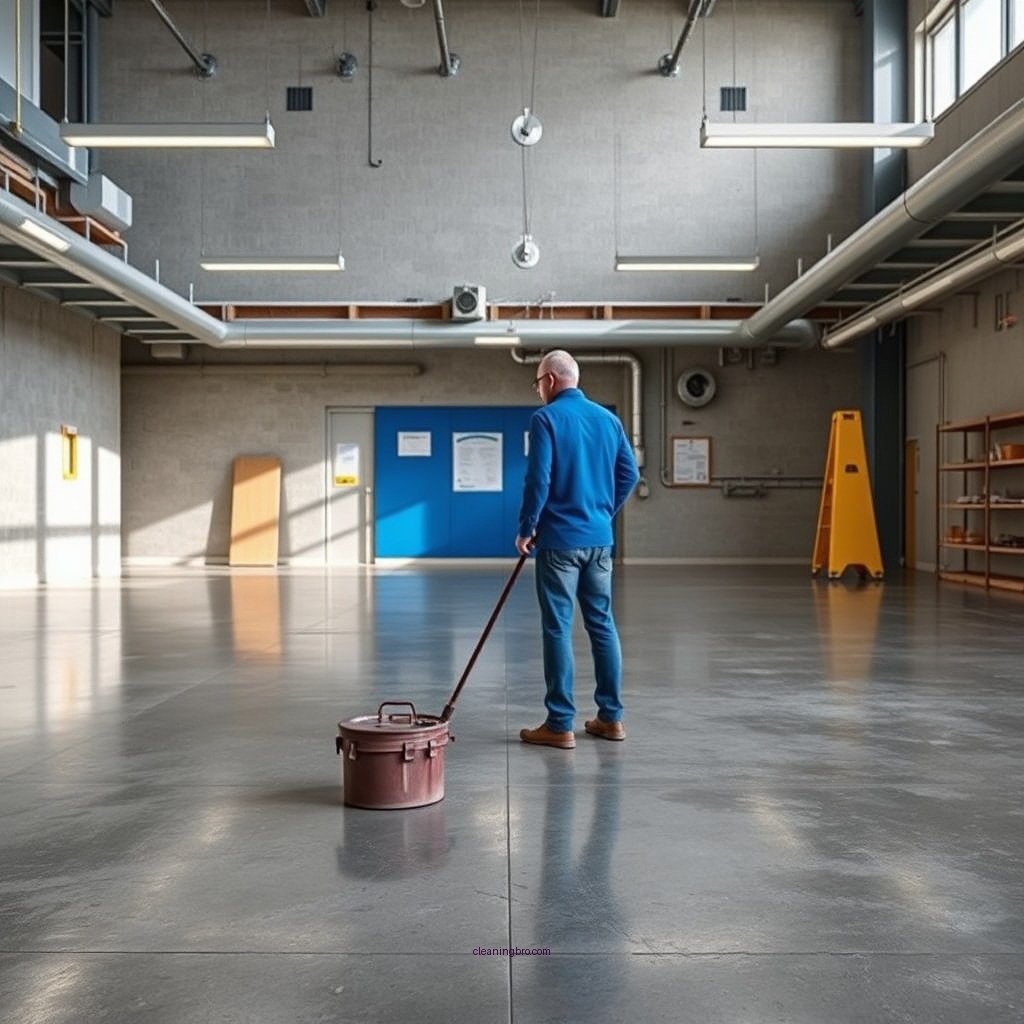
Unsealed concrete floors are commonly found in garages, basements, and industrial settings due to their durability and cost-effectiveness. These surfaces are porous, meaning they can absorb liquids, dirt, and stains easily. Because of this property, cleaning unsealed concrete requires specific methods that differ significantly from those used on sealed concrete, which can be treated with stronger chemicals and abrasive tools. When cleaning unsealed concrete, it is essential to use gentle techniques and solutions to avoid damaging the surface or causing discoloration.
Essential Cleaning Supplies
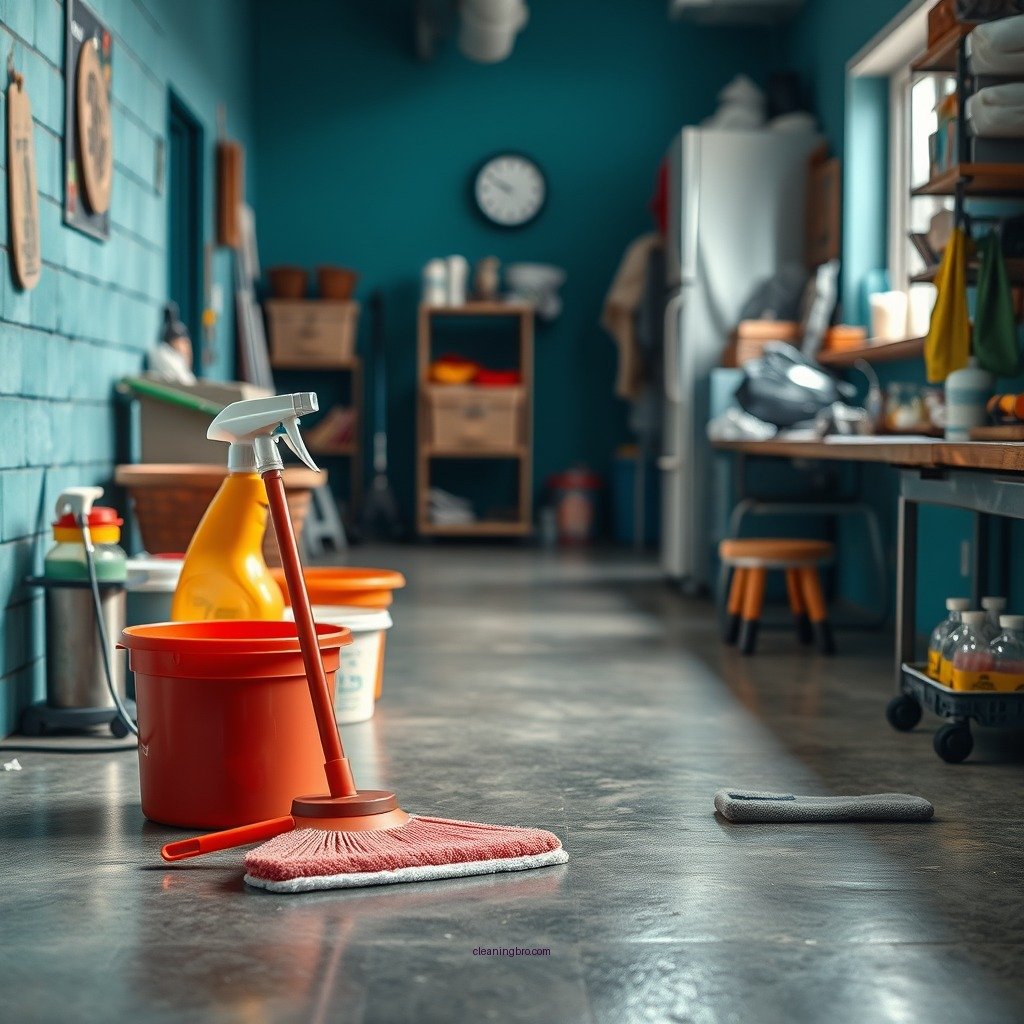
To effectively clean unsealed concrete floors, you’ll need to gather the right tools and supplies. Here’s a list of essential cleaning items:
– Broom or vacuum: A broom with stiff bristles is ideal for sweeping up dust and debris. Alternatively, use a vacuum designed for hard surfaces to ensure thorough cleaning without scratching the floor.
– Mop and bucket: A damp mop paired with a bucket will help you apply cleaning solutions evenly across the floor. Make sure to choose a mop that is suitable for rough surfaces.
– Cleaning solution: Opt for a mild dish soap or a pH-neutral cleaner. These solutions are effective for removing dirt without harming the integrity of the concrete. Avoid acidic or abrasive cleaners that could etch the surface.
Step-by-Step Cleaning Process
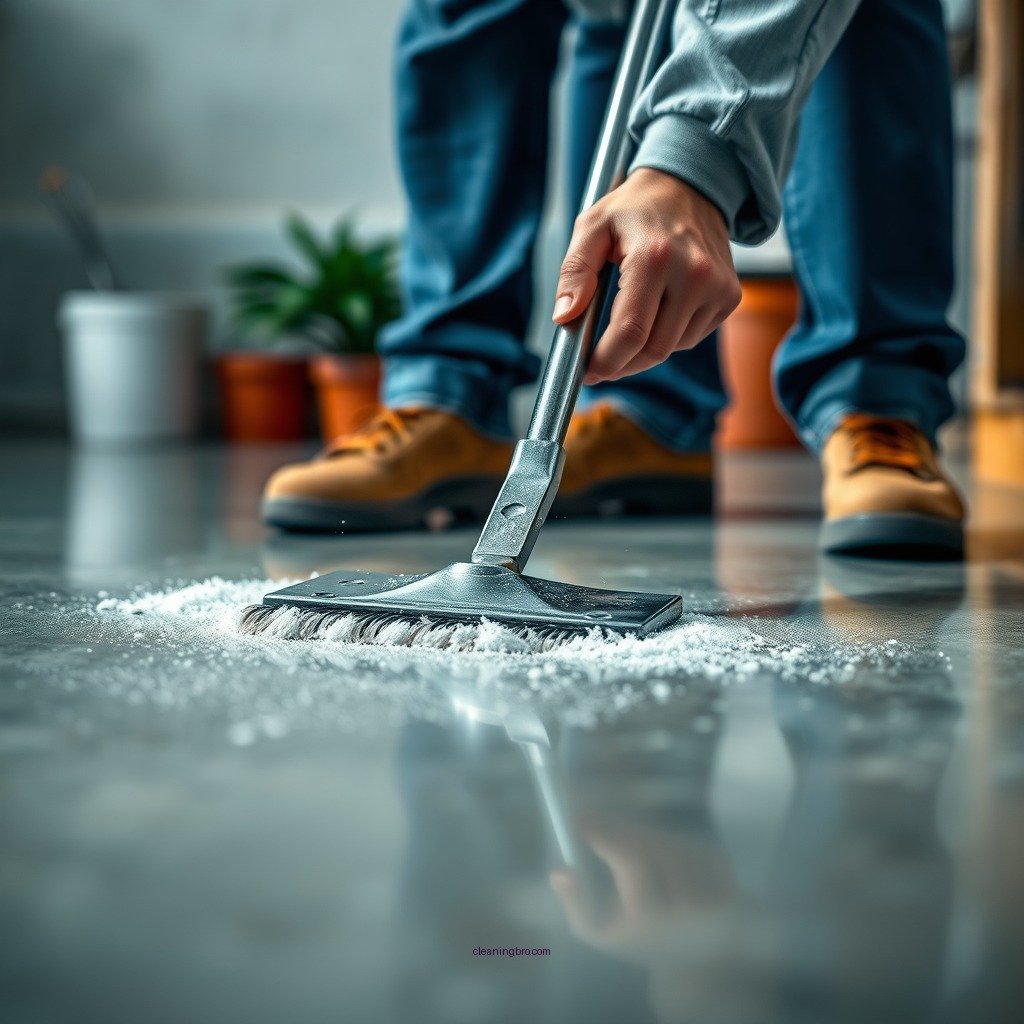
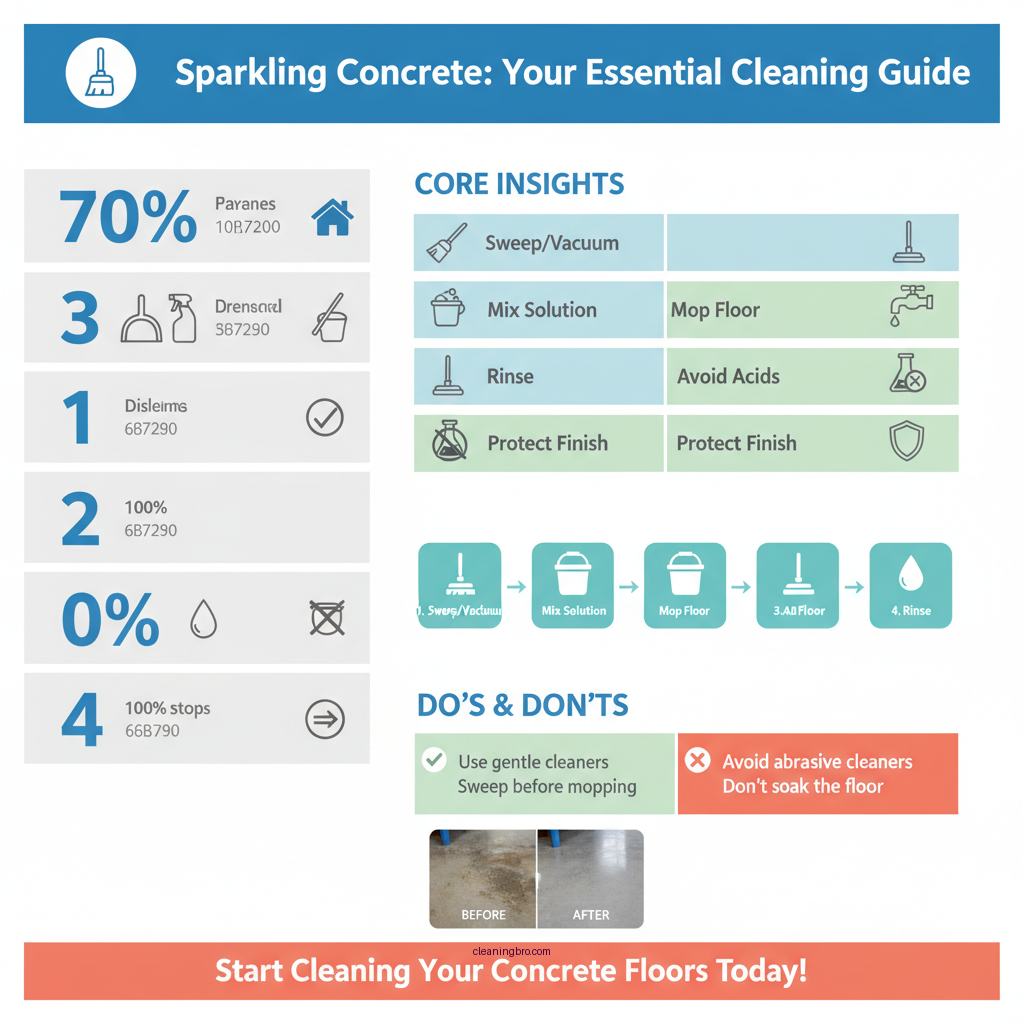
Cleaning unsealed concrete floors can be broken down into a straightforward process:
1. Sweep or Vacuum: Begin by thoroughly removing dust, dirt, and debris from the floor. This step is crucial as it prevents dirt from being ground into the surface when you mop.
2. Mix Cleaning Solution: In a bucket, combine warm water with your chosen cleaning solution. The ratio will generally be a few drops of dish soap per gallon of water, or follow the instructions on the pH-neutral cleaner if using one.
3. Mop the Floor: Dip the mop into the cleaning solution, wring it out to remove excess liquid, and start mopping the floor in sections. Work in small areas to ensure you can keep the mop damp without soaking the concrete. Rinse the mop frequently in the cleaning solution to avoid redistributing dirt.
4. Rinse with Clean Water: After mopping with the cleaning solution, go over the floor again with a clean mop and fresh water to remove any soap residue. This step is vital to prevent a sticky or hazy finish.
Dealing with Stains and Spills
Unsealed concrete floors can be prone to staining from spills or heavy foot traffic. Here are some strategies for managing stains effectively:
– Immediate Action: For spills, quickly blot the area with a clean, dry cloth or paper towel to absorb as much liquid as possible. Avoid rubbing, as this can push the stain deeper into the concrete.
– Stain Removal Techniques: For tougher stains, consider using household items like baking soda or vinegar. Sprinkle baking soda directly on the stain, add a small amount of water to create a paste, and let it sit for about 30 minutes before scrubbing gently with a soft-bristle brush. For grease stains, pour a small amount of vinegar, let it sit, and then scrub with a brush.
Maintenance Tips for Unsealed Concrete
Maintaining unsealed concrete floors is key to preserving their appearance and longevity. Here are some effective maintenance tips:
– Regular Cleaning: Establish a routine cleaning schedule to sweep or vacuum frequently, preventing dirt buildup that can lead to stains or scratches. A weekly cleaning regimen can help keep the floors looking fresh.
– Protective Measures: To minimize wear and tear, consider placing mats in high-traffic areas, especially near entrances. These mats will trap dirt and moisture, protecting the concrete underneath.
– Periodic Deep Cleaning: Depending on the level of foot traffic, a deep clean every few months may be necessary. This can involve using a power washer with a mild detergent or hiring a professional service for thorough cleaning.
When to Seek Professional Help
Some stains or damage may be beyond the average homeowner’s ability to fix. Here are signs that indicate it’s time to call in professionals:
– If stains persist despite your best cleaning efforts, professional-grade solutions may be necessary.
– If the concrete shows signs of significant wear, such as cracks or deep stains, it may require specialized treatment or sealing.
– Professionals can also provide deep cleaning services that may include pressure washing, which is effective for removing embedded dirt and stains.
In conclusion, maintaining unsealed concrete floors does not have to be a daunting task. By following the step-by-step guide outlined above and implementing regular cleaning and maintenance practices, you can keep your floors looking clean and attractive for years to come. Remember to address spills and stains promptly and consider professional assistance when necessary to ensure the longevity of your concrete surfaces. For more tips or expert help, don’t hesitate to consult local cleaning services or concrete care professionals.
Frequently Asked Questions
What are the best methods for cleaning unsealed concrete floors?
The best methods for cleaning unsealed concrete floors include sweeping and vacuuming to remove dirt and debris, followed by mopping with a mixture of warm water and a mild detergent. For tough stains, using a diluted vinegar solution can be effective, but always test in a small area first to prevent damage. Regular maintenance with these methods helps preserve the floor’s appearance and longevity.
How often should unsealed concrete floors be cleaned?
Unsealed concrete floors should ideally be cleaned weekly to prevent dirt accumulation and staining. However, the frequency may vary based on foot traffic and specific activities in the area. In high-traffic zones, consider daily cleaning to maintain a pristine surface and extend the life of the concrete.
Why is it important to use specific cleaners for unsealed concrete floors?
It’s important to use specific cleaners for unsealed concrete floors because traditional cleaners can contain harsh chemicals that may damage the porous surface. Unsealed concrete is more susceptible to staining and absorbing moisture, so using pH-neutral or mild cleaning solutions helps protect the integrity of the floor while effectively cleaning it.
Which tools are essential for cleaning unsealed concrete floors effectively?
Essential tools for cleaning unsealed concrete floors include a stiff-bristle broom, a vacuum cleaner with a hard floor attachment, a mop, and a bucket for mixing cleaning solutions. Additionally, using a scrub brush for tougher stains can be beneficial, along with microfiber cloths for drying and buffing the surface after mopping.
What should I avoid when cleaning unsealed concrete floors?
When cleaning unsealed concrete floors, avoid using abrasive scrubbers or harsh chemical cleaners, as they can scratch or damage the surface. Additionally, do not use excessive water, as it can seep into the pores and lead to mold or mildew growth. It’s also best to steer clear of acidic cleaners, which can etch the concrete and affect its appearance.
References
- https://www.extension.purdue.edu/extmedia/HE/HE-8-W.pdf
https://www.extension.purdue.edu/extmedia/HE/HE-8-W.pdf - https://www.extension.umn.edu/garden/yard-garden/landscaping/cleaning-concrete/
https://www.extension.umn.edu/garden/yard-garden/landscaping/cleaning-concrete/ - Google Scholar Google Scholar
https://scholar.google.com/scholar?q=cleaning+unsealed+concrete+floors - Google Scholar Google Scholar
https://scholar.google.com/scholar?q=how+to+clean+concrete+surfaces - https://www.ncbi.nlm.nih.gov/pmc/articles/PMC7597433/
https://www.ncbi.nlm.nih.gov/pmc/articles/PMC7597433/ - https://www.sciencedirect.com/topics/earth-and-planetary-sciences/concrete-cleaning
https://www.sciencedirect.com/topics/earth-and-planetary-sciences/concrete-cleaning - https://www.nichd.nih.gov/health/topics/home/conditions/cleaning-concrete-floors
https://www.nichd.nih.gov/health/topics/home/conditions/cleaning-concrete-floors - Google Scholar Google Scholar
https://scholar.google.com/scholar?q=how+to+clean+unsealed+concrete+floors - how to clean unsealed concrete floors – Search results
https://en.wikipedia.org/wiki/Special:Search?search=how+to+clean+unsealed+concrete+floors - https://www.ncbi.nlm.nih.gov/search/research-articles/?term=how+to+clean+unsealed+concrete+floors
https://www.ncbi.nlm.nih.gov/search/research-articles/?term=how+to+clean+unsealed+concrete+floors
