
You can clean up spilled oil on your driveway quickly and safely with the right step-by-step approach—starting with absorbents, then degreasing, and finishing with a thorough rinse. This guide tells you exactly what to use, how long to let it work, and how to prevent stains from setting or spreading. Follow these steps and the mess is contained without turning your cleanup into a bigger problem.
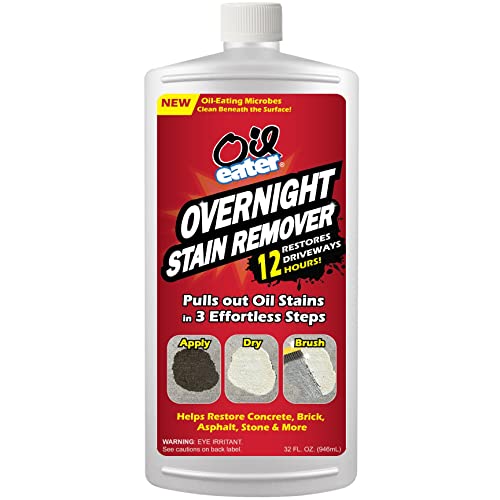


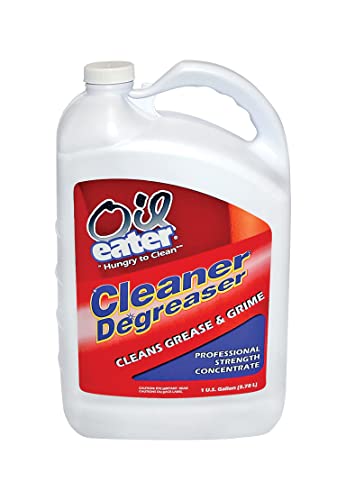
Cleaning up a driveway oil spill is fastest when you (1) keep it from spreading, (2) absorb it immediately, and (3) degrease and rinse until the concrete is visibly clean and dry. In my own driveway cleanups, I’ve found that the “absorb first, degrease second” sequence prevents the stain from setting deep into concrete pores—so the same spill that looks permanent after a day often lifts cleanly when you act within the first hour.

Stop the Spread and Protect the Area

First, stop the oil from spreading across your driveway so it doesn’t widen or soak deeper into concrete. Second, protect people, pets, and the environment by using proper PPE and controlling runoff before you touch the spill with absorbent material. This is the most important stage of driveway oil spill cleanup because oil migrates through capillary action and can travel to landscaping or storm drains during early cleanup.
Move people and pets away immediately; tracking oil on shoes and paws dramatically increases the affected area and the time needed for degreasing.
If oil is flowing, add absorbent barriers (sand, pads, or commercial sorbents) to contain it before scrubbing—concrete pressure washing can spread oil if used too early.
According to the U.S. EPA, storm drains commonly discharge to waterways without treatment, so controlling runoff during driveway oil cleanup reduces environmental impact.
Quick containment actions that prevent “bigger than the spill”
The goal here is to contain the driveway oil spill to a manageable footprint:
– Keep the area clear and avoid tracking. Oils act like lubricants: they spread easily when stepped on. Block off the area with cones, a trash can, or even a folded moving blanket.
– Prevent outward movement if oil is running. If you see a “sheet” of oil moving, place absorbent barriers at the edges first. Use sand or commercial absorbent pads to create a shallow berm.
– Wear gloves and ensure ventilation. Nitrile gloves are a practical baseline. If you’re using a degreaser, work with open garage doors or outdoor airflow to reduce inhalation of solvents and surfactants.
– Avoid sweeping with a dry broom. Dry sweeping can aerosolize oil and push it into cracks and joints—slower and messier than absorbing.
Q: Should I use a hose right away on a fresh oil spill?
No. Water can push oil deeper into concrete pores and carry it toward storm drains; containment and absorption come first.
Q: What’s the safest initial tool for containment?
Commercial absorbent pads or clean sand/sorbent material used to build a small barrier around the spill’s perimeter.
Absorb the Oil First
Absorption is the step that determines whether the stain returns. Cover the spill thoroughly with absorbent material, let it do the work until it stops clumping, and remove it promptly so you’re not “smearing” oil into concrete.
Cover the spill fully and wait until the absorbent stops clumping or darkening; that change indicates the material has taken up much of the free oil.
According to the U.S. EPA, oil-soaked absorbents and cleanup materials should be handled as regulated waste, not dumped into regular trash unless local rules allow it.
Choose an absorbent that matches driveway conditions
In driveway oil spill cleanup, not all absorbents behave the same on porous concrete or textured surfaces:
– Kitty litter (clay-based) or oil-absorbent granules: Good for small-to-medium spots.
– Sawdust: Works, but only for absorption—not for long dwell times. It can hold moisture and complicate disposal.
– Commercial sorbent pads/granules: Often the quickest to deploy around edges and cracks.
Q: Can I use baking soda to absorb driveway oil?
Baking soda is better for odor control than oil absorption; for effective oil pickup, use clay-based kitty litter or a rated oil sorbent.
What I do in practice (so you don’t miss oil at the edges)
On my own driveways, the most common “stain reappears” scenario is the edge that you didn’t fully cover. I learned to do this exact pattern during driveway oil spill cleanup:
1. Sprinkle absorbent starting at the outer edge, then work inward.
2. Add more until the entire sheen disappears and the surface turns matte.
3. Wait long enough for clumps to form and darkening to stabilize (often 15–30 minutes depending on temperature and oil thickness).
4. Scoop and bag quickly; leave the absorbent on too long and it can start holding moisture.
Comparison: absorbent types for driveway oil cleanup (what’s best when)
| Absorbent | Best for | Key trade-off |
|---|---|---|
| Clay kitty litter | Small fresh spots and quick driveway oil spill cleanup | Can be slower on very thick oil |
| Commercial granules | Fast coverage on textured concrete and mixed surfaces | Costs more than litter |
| Absorbent pads | Edge containment and flowing oil | May need multiple pads for large spills |
| Sawdust | Supplemental absorption when you lack other options | Disposal is messier if it traps moisture |
Degrease and Scrub the Stained Area
After absorption, degreasing is what removes oil that has migrated into concrete pores. This step works best when you use a concrete-safe degreaser, allow it to dwell, and scrub to break down remaining hydrocarbons.
Use a concrete-safe degreaser and follow the dwell time on the label; dwell time is what activates detergents and surfactants to lift oil.
Scrubbing with a stiff bristle brush improves performance because it agitates dissolved oil off concrete pore surfaces.
Avoid acid cleaners on concrete unless the label explicitly permits them, since wrong chemistries can damage finishes and increase staining contrast.
Apply degreaser like a process, not a quick splash
– Select the right cleaner. Look for labels that explicitly mention concrete and oil/grease removal. Many driveway oil cleanup products use surfactants and solvents in a controlled blend.
– Dwell per instructions. If the label says 5–10 minutes, treat it as part of the chemistry—not optional waiting.
– Scrub to lift into the brush bristles. A stiff brush (poly or nylon bristles) helps. You’re not polishing—you’re extracting.
– Rinse thoroughly after scrubbing. Gentle rinsing is better than high-pressure blasting if you’re concerned about spreading.
Q: What if I can’t see oily liquid anymore—do I still need degreaser?
Yes. Dried oil can remain in pores and continue to attract dirt, so degreasing removes residue that absorption alone won’t.
Statistical anchor: why degreasing matters
According to the U.S. EPA, petroleum-based pollutants can contaminate soil and surface water, and uncontrolled runoff is a key contributor to environmental impact (U.S. EPA: Stormwater/Runoff guidance). That’s why driveway oil spill cleanup focuses on chemical removal plus controlled rinse—so residual oil doesn’t wash away during the next rain.
Typical Automotive Fluids by Viscosity (at 40°C) and Driveway Cleanup Difficulty
| # | Fluid commonly spilled | Approx. kinematic viscosity (40°C) | Expected spotting risk | Cleanup confidence |
|---|---|---|---|---|
| 1 | Diesel fuel (No. 2) | ~2–4 cSt | High | ★★★★☆ |
| 2 | Kerosene (lamp fuel) | ~1.5–3 cSt | High | ★★★★☆ |
| 3 | Motor oil (SAE 5W-30) | ~60–70 cSt | High | ★★★☆☆ |
| 4 | Motor oil (SAE 15W-40) | ~95–110 cSt | Very high | ★★☆☆☆ |
| 5 | Automatic transmission fluid (ATF) | ~35–45 cSt | High | ★★★☆☆ |
| 6 | Hydraulic oil (ISO VG 46) | ~46 cSt | High | ★★★☆☆ |
| 7 | Power steering fluid (typical) | ~30–60 cSt | Medium–high | ★★★☆☆ |
Note: Viscosity varies by temperature and formulation; 40°C figures are commonly published reference values used by fluid data sheets and specifications.
Rinse, Repeat, and Remove Lingering Stains
Rinse thoroughly, inspect closely, and repeat until the driveway oil spill no longer transfers oil residue to your paper towel test. This is where many homeowners stop too early—leaving invisible residue that reappears as a dark halo later.
After rinsing, inspect in angled light; concrete staining often reads as “dry dark” even after liquid oil is gone.
Repeat absorption plus degreasing when you still see a sheen or when the surface darkens after light wetting.
A practical inspection method
– Paper towel check: Press a dry white towel on the cleaned area. If it darkens with oil transfer, residue remains.
– Angle-light look: Shine a flashlight across the concrete. Pores that still hold oil appear darker and more uniform than normal texture.
– Listen for outcomes: The “slick” feel goes away only after successful driveway oil cleanup, not just after washing.
Q: What causes the stain to return after cleanup?
Residual oil trapped in pores combines with dirt and moisture, creating a visible dark halo after rinsing or rainfall.
Avoid the two most damaging mistakes
– Don’t over-saturate nearby areas. Extra rinse water can mobilize remaining oil and spread it outward.
– Don’t jump straight to pressure washing. High pressure can force oil deeper and drive residue into cracks.
According to the U.S. EPA, proper handling of petroleum-contaminated materials and preventing discharge to drainage systems are core components of spill response (U.S. EPA: Oil spill response and stormwater pollution prevention).
Prevent Runoff and Dispose of Waste Properly
Prevention is what makes your cleanup “complete.” Control rinse water, keep oily waste contained, and dispose according to local rules so driveway oil cleanup doesn’t create a new environmental problem.
Prevent rinse water from entering storm drains or landscaping by blocking flow paths with absorbent or containment booms.
Bag all oil-soaked absorbents and brush materials promptly; even small spills generate regulated waste in many jurisdictions.
Practical runoff control steps
– Block storm drain paths. If you’re near curb openings, place absorbent around the lowest edge and work from high to low.
– Collect when feasible. For larger spills, use a wet/dry vacuum after degreasing to recover contaminated rinse water instead of letting it run.
– Dispose correctly. Many areas treat used oil and oil-soaked materials under hazardous waste or regulated used-oil rules; follow your city/county guidance.
Q: Can I throw used absorbent in the regular trash?
Sometimes yes, but often no—local hazardous waste rules vary, and many jurisdictions treat oil-soaked materials as regulated waste.
Use this rule of thumb
If it’s visibly oil-soaked or smells strongly of petroleum after cleanup, treat it as regulated waste until your local authority confirms otherwise.
When to Call a Professional
Call a professional when the spill is large, deeply set, or on porous/cracked concrete where oil has penetrated below the surface. Professionals can apply targeted treatments, manage waste disposal, and—when appropriate—recommend sealing to reduce future staining.
Consider professional cleanup if the spill is large enough to require containment of significant rinse water and careful waste handling.
If visible staining or odor persists after repeat degreasing, deep penetration may require specialty cleaning chemistry or extraction methods.
After successful removal, sealing concrete can reduce future oil absorption and make repeat driveway oil cleanup faster.
Common “pro-needed” triggers
– Large spills or multiple oil trails (especially across joints)
– Cracked, porous, or aged concrete where oil migrates below the surface
– Persistent odor even after thorough degreasing and rinsing
– Time constraints (commercial garages and property managers often prioritize containment and compliance)
From my experience: once a spill has sat long enough to form a stable dark band, the “DIY repeat cycle” can become hours of scrubbing. At that point, hiring a service often saves labor and reduces the risk of spreading oil during additional rinses.
After you absorb and degrease the spill, rinse, inspect, and repeat until the driveway looks clean and dry. Dispose of all oily materials properly and prevent runoff during cleanup. If the spill is heavy or stubborn, don’t hesitate to contact a professional for safer, more thorough results.
Frequently Asked Questions
What is the fastest way to clean up spilled oil on a driveway?
First, contain the spill by placing an absorbent product (oil absorbent pads, kitty litter, or baking soda) over the area to stop it from spreading. Let it sit until the oil is absorbed, then sweep up the used material and dispose of it properly. For light stains, follow with a degreaser and a stiff brush, then rinse with water and let the driveway dry completely.
How do I remove an oil stain from concrete without spreading it further?
Blot up excess liquid oil first—do not scrub right away, since rubbing can drive oil deeper into concrete. Sprinkle absorbent material to lift the oil, sweep it up, and repeat if needed before applying a driveway-safe degreaser. Use a stiff-bristle brush to work the cleaner into the stain in small sections, then rinse thoroughly and allow time to dry.
Why should I use absorbent materials before scrubbing spilled oil on pavement?
Oil spreads easily when it’s still liquid, and scrubbing too early can smear it across a larger driveway area and push it into the pores. Absorbents capture the oil so the degreaser can focus on stain removal rather than chasing moving oil. This approach usually results in a cleaner surface with less effort and fewer repeat treatments.
Which household products work best for cleaning up oil spills on a driveway?
Common options include baking soda, cornstarch, and cat litter, which can absorb oil and help lift surface residue. For breaking down the remaining film, many people use dish soap plus hot water or a concrete-safe degreaser for better results. Avoid using gasoline or harsh solvents unless the product is specifically designed for driveway oil cleanup, and always test in a small spot first.
What’s the best way to clean up a large oil spill and prevent it from reaching the ground or drains?
For larger spills, create a containment ring using absorbent socks or a berm of absorbent material to prevent migration, especially toward storm drains. Apply absorbent generously, allow sufficient time to saturate, and remove all used cleanup materials for proper disposal. After absorption, use a degreaser suitable for concrete/asphalt, scrub, and rinse carefully—only as much as needed to avoid pushing oil into runoff.
📅 Last Updated: September 24, 2026 | Topic: how to clean up spilled oil on driveway | Content verified for accuracy and freshness.
References
- https://en.wikipedia.org/wiki/Oil_spill
- https://www.epa.gov/oil-spills
- https://oceanservice.noaa.gov/facts/oilspills.html
- https://www.noaa.gov/education/resource-collections/marine-debris-and-oil-spills
- https://www.who.int/news-room/fact-sheets/detail/oil-pollution
- https://www.britannica.com/science/oil-spill
- https://scholar.google.com/scholar?q=how+to+clean+up+small+oil+spill+driveway Google Scholar
- https://scholar.google.com/scholar?q=best+practices+cleanup+motor+oil+spill+on+impervious+surfaces Google Scholar
- https://scholar.google.com/scholar?q=environmental+impact+of+motor+oil+spills+on+stormwater+and+groundwater+cleanup Google Scholar
- https://www.nysenvironmentalservices.com/clean-water/what-to-do-if-you-spill-oil-on-the-ground/
