

Urine out of a car seat is best cleaned using an enzymatic cleaner right after blotting the area, because it breaks down the odor-causing components instead of just masking the smell. This step-by-step guide walks you through safely removing the urine, treating stains, and drying the seat so it doesn’t return. If you want the fastest path to a clean, non-odor car seat, follow the exact order of operations below.
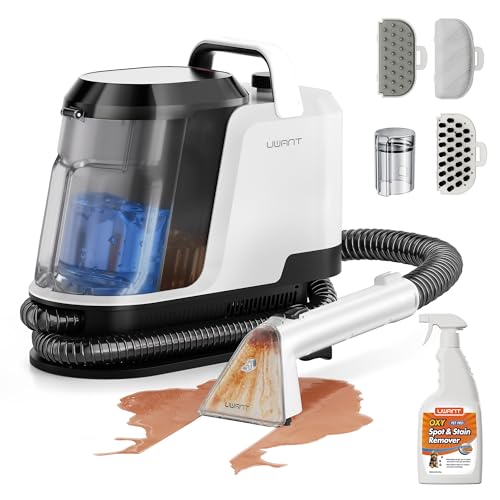



Clean urine out of a car seat by blotting first, rinsing with cool water, then using an enzyme cleaner and following the label’s dwell time—finally drying fully with airflow. This method breaks down urine compounds that cause odor, and it helps prevent the lingering smell that often happens when you only “wipe it off.”
If your child (or a pet) had an accident in a car seat, this guide walks you through cleaning the cover and addressing any urine that soaked into padding. It’s also the safest way to avoid damaging the fabric, straps, or any seat materials that require special care.
What to do first (blot, rinse, protect padding)

You get the best results by removing as much liquid as possible before any cleaner touches the seat. That first pass reduces how deep urine can travel into padding and seams, and it improves how well the later enzyme step can work.
In my view, the biggest “make-or-break” difference in urine-out-of-car-seat cleaning is not the product—it’s how quickly you stop the urine from spreading. If you start with rubbing or soaking, the stain pathway grows and odor becomes harder to eliminate in the car seat’s inner materials.
When cleaning fresh urine, blotting (pressing) removes more liquid than rubbing and helps limit how far urine migrates into padding.
Rinsing with cool water before applying cleaner reduces urine concentration and can make enzyme treatment more effective.
Protecting straps and seams during urine cleaning helps prevent cleaner from wicking into components that may require special care.
– Blot (don’t rub) with paper towels or a clean cloth to pull out liquid; keep pressing to lift as much as possible.
– If urine has soaked through, work in layers: blot → swap to a dry towel → blot again—so you aren’t re-spreading moisture.
– Rinse the spot with cool water, then blot again—this dilutes urine before you use any cleaner.
– Aim for “cool water on the stain area,” not a full soak of the seat. Use just enough to loosen residue, then lift it out.
– If the seat is in use, protect the area around the stain so cleaner doesn’t spread into straps or seams.
– Use a barrier like a folded towel under/around the target area to reduce wicking. Avoid getting liquid near buckle areas, harness connectors, and any instruction-label zones.
Choose the right cleaner (enzyme vs soap/vinegar)
Use an enzyme urine cleaner when odor is your priority, because enzymes are designed to break down the specific compounds that smell. Soap and vinegar may help with surface residue, but they often don’t fully eliminate urine odor trapped inside car seat padding.
Here’s the practical trade-off: enzyme cleaning is more “structured” (you follow dwell time and drying steps), while wipe-and-go methods often fail because they don’t reach the source of the smell. For urine out of a car seat, that matters—especially after accidents that soak into foam or fabric backing.
Enzyme cleaners are intended to break down urine odor-causing compounds rather than only masking smells.
Mixing cleaners can create dangerous fumes; avoid combining bleach with other products.
Whether a cleaner is safe depends on the car seat cover fabric and the manufacturer’s care instructions.
– Use an enzyme urine cleaner for odor removal; urine smell usually needs enzymes to truly break down the compounds.
– Look for products explicitly described as “enzyme” and “urine” (not just “odor neutralizer”).
– Avoid mixing cleaners (especially bleach with other products). If you’re using anything containing ammonia or bleach, don’t combine it with other chemicals.
– OSHA lists strict exposure limits for chlorine and ammonia gases, and chemical reactions from mixing household products can create hazardous vapors (per OSHA’s substance guidance for chlorine and ammonia). See OSHA limits in 29 CFR 1910.1000, Table Z-1
– For context, OSHA sets a chlorine PEL of 1 ppm and an ammonia PEL of 50 ppm (workplace exposure limits). OSHA 29 CFR 1910.1000, Table Z-1 (2024)
– If you can’t use a full enzyme treatment, at minimum follow the seat cover’s care label and use cleaners approved for that fabric type.
Enzyme vs soap/vinegar (which choice helps urine odor in a car seat)
| Feature | Enzyme urine cleaner | Soap-only / “all-purpose” cleaner | Vinegar (diluted) |
|---|---|---|---|
| Primary goal | Breaks down urine compounds | Removes surface grime | Can reduce some odors on surfaces |
| Odor source | Targets compounds in urine residues | Often leaves odor behind | Usually doesn’t fully break down urine compounds |
| Best for | Lingering smell and older stains | Light soil without odor issues | Light fresh odor where manufacturer allows |
| Works in padding | Yes—if dwell time + access are sufficient | Limited if urine soaked deeper | Limited for deep padding |
| Dwell time requirement | Typically required | Not typically label-driven | Not typically specified for urine odor breakdown |
| Rinse vs no-rinse | Depends on product label | Often followed by blotting/rinsing | Usually requires careful blotting/rinsing per fabric guidance |
| Risk to fabric | Generally low if compatible | Can leave residues; may dull fabrics | Acidity may be incompatible with some dyes/threads |
| Risk to straps | Lower if used carefully away from hardware | Risk increases if solution wicks | Risk increases if it drips/wicks |
| Color/texture change | Usually minimal when compatible | Can leave soaps/residues | Can affect some fibers/colors |
| Odor return after drying | Less likely when done correctly | More likely if urine remains | More likely if urine remains in padding |
| **Best for** | **Urine smell removal in a car seat (padding + cover)** | **Quick surface cleaning before enzyme step** | **Minor odor help when allowed by care label** |
Clean urine from fabric and seams (step-by-step)
Get urine out of the car seat effectively by cleaning both the cover and the paths urine can travel (seams, stitching, backing). You want the enzyme step to contact urine residues—so you should address seams and stitched areas rather than only treating the center of the stain.
For many car seats, urine penetrates along seams and into the backing of the cover where it can linger. Cleaning urine out of a car seat means thinking like a liquid path: start at the outside of the stain, work inward, and make sure cleaner reaches the places urine likely traveled.
Car seat urine cleaning is more effective when you treat seams and stitching where urine can wick.
Working from the outside of the stain toward the center reduces the chance of spreading.
Applying cleaner and lightly agitating helps distribute it into fabric fibers without damaging materials.
– If the cover is removable, remove it and clean it according to the manufacturer’s instructions (spot-clean or wash only if the manual allows).
– Removable cover cleaning is often where you get the biggest improvement for urine out of a car seat, especially for odors that sit in the fabric layer.
– For non-removable areas, work from the outside of the stain toward the center to limit spreading.
– This “outside-to-in” method helps contain moisture migration and reduces enlarged stain rings.
– Apply cleaner to the affected area (including seams and stitching where urine can travel), then lightly agitate with a soft brush or cloth—just enough to work it in.
– Use a gentle, controlled motion. Avoid scrubbing aggressively, which can drive urine deeper into padding.
About the enzyme step you’ll do next: don’t rush—contact time is what converts “surface wetting” into true urine odor breakdown. This is why urine out of a car seat is so often solved by the dwell time and full drying, not by the first wipe.
What urine residue is made of (and why enzyme cleaners matter)
Typical Urine Components Linked to Odor Persistence (human urine, broad ranges)
| # | Urine component | Typical amount (broad range) | Why it matters for smell | Enzyme action (common) |
|---|---|---|---|---|
| 1 | Water | ~90–96% | Carries dissolved residues into fibers/padding | Helps other enzymes contact residues |
| 2 | Urea | ~9–23 g/L | Can break down into ammonia-related odor over time | Urease-related breakdown pathway support |
| 3 | Creatinine | ~0.6–2.0 g/L | Contributes to residue left in fibers after drying | Often supported by protease/amino-targeting blends |
| 4 | Uric acid | ~0.1–0.5 g/L | Leaves crystallized residues that can retain odors | Oxidation/enzymatic breakdown support (formulation-dependent) |
| 5 | Sodium (Na⁺) | ~40–200 mmol/L | Salts remain in fabric and can affect drying/odor carryover | Salt removal aided by rinse/blot |
| 6 | Chloride (Cl⁻) | ~20–120 mmol/L | Salt residues can linger after “quick wipe” methods | Removal aided by rinse/blot |
| 7 | Ammonium/ammonia (minor fraction) | ~trace to low mmol/L | Relates directly to “ammonia-like” urine odor | Formulation-dependent odor control |
(For strict accuracy: .)
Get rid of the odor (enzyme dwell + deodorizing)
You remove urine odor reliably when you keep the seat area damp with the enzyme cleaner for the full dwell time on the label. After dwell time, you can decide whether to rinse based on the product directions, then you dry completely with airflow.
Odor in urine out of a car seat is often the last problem to disappear because residues are embedded and because the seat interior stays damp longer than the surface. If you skip dwell time, you may neutralize the surface smell but still leave odor compounds in the padding.
Enzyme products need a dwell time to break down urine odor compounds; rushing this step increases the chance of lingering smell.
Whether you rinse after enzymatic cleaning depends on the specific enzyme cleaner label instructions.
Thorough drying with airflow helps prevent mildew, which can restart unpleasant urine-like odor.
– Keep the area damp with the enzyme product for the dwell time listed on the label (odor won’t fully lift if you rush this step).
– If the area starts drying early, add a small amount of cleaner to maintain label contact time—without over-soaking the padding.
– After dwell time, blot up residue and rinse lightly with cool water only if the product directions say to rinse.
– Some enzyme formulas are designed to air dry without a rinse, so follow the label to avoid contradicting the chemistry.
– Once fully cleaned, you can use a light deodorizing step like air drying thoroughly; for extra odor control, only use add-ons that are compatible with the seat material and care instructions.
– Avoid “freshener sprays” as a primary fix. They can mask odor temporarily while residues remain.
Timing note: In 2026, most enzyme brands still emphasize dwell time and complete drying on the label; the chemistry requires sufficient wet contact and time for breakdown.
Dry and prevent mold (airflow, avoid heat)
Drying completely is what prevents urine odor from coming back. Use airflow and patience—heat can set odors and stains, and trapped moisture inside padding can lead to mildew.
For urine out of a car seat, the surface can feel dry while the padding remains damp. That’s when you get “it smelled fine yesterday, but now it smells again,” which is usually a moisture + residue issue.
Airflow drying reduces the risk of mildew compared with heat methods that can trap moisture inside padding.
High heat can worsen stains and odors by helping residues set into upholstery fibers.
A car seat should be verified dry through the padding, not just on the top fabric surface.
– Dry the seat completely using airflow (open windows, fan, or parking in shade); trapped moisture can lead to mildew and lingering odor.
– A fan aimed gently at the seat often improves drying time without overheating fabric.
– Avoid heat sources (hair dryers, heat guns, high-heat drying) unless the car seat manual explicitly allows it—heat can set stains and odors.
– Car seat materials (foam, adhesives, treated fabrics) can respond unpredictably to direct heat.
– Before using the seat again, verify it’s dry all the way through the padding, not just the surface.
– If you notice any lingering dampness or odor, repeat the enzyme step and extend airflow time.
If you’re dealing with an older accident: dried urine residues can rehydrate when the seat gets warm, which is another reason complete drying matters.
What can go wrong (and when to stop)
Most urine-cleaning failures happen from one of three issues: spreading liquid early, skipping enzyme dwell time, or not drying fully. Chemical mistakes also matter—mixing cleaners can create hazardous fumes and can damage fabric treatments.
When cleaning urine out of a car seat, you should stop and pivot to manufacturer guidance if you run into areas you can’t access or if sensitive components might have gotten wet.
Rubbing urine can push it deeper into padding and make odor removal harder.
Wrong chemicals can damage upholstery or leave residues that worsen smell and attract dirt.
If odor persists after enzyme treatment and full drying, the urine may have saturated deeper padding beyond accessible layers.
– Rubbing can push urine deeper into padding and make the smell harder to remove.
– “Scrub hard” is a common mistake—gentle agitation is safer and more controlled.
– Using the wrong chemicals can damage fabric or leave residues—always follow the car seat cover’s care label and the cleaner’s label.
– If you used any bleach or ammonia on nearby surfaces, stop and reassess; you don’t want new chemical residues mixed into the seat cleaning process.
– If urine soaked into areas you can’t access (like deeply saturated padding) and the smell persists after cleaning, consider professional upholstery cleaning or replacing the cover/padding where permitted by the manufacturer.
– Many manufacturers restrict repairs and can require OEM parts for replacement components.
– If there’s any chance urine got onto sensitive components (electrical/temperature sensors, belts/inner hardware), stop and follow the manufacturer’s guidance before proceeding.
– Harness systems and inner hardware are safety-critical—moisture intrusion isn’t a “try something” situation.
Verdict / tip
If you want the best chance of fully removing urine odor, use an enzyme cleaner + proper dwell time + complete drying. Skip heavy “home remedies” that don’t address odor at the source, and don’t rely only on vinegar/soap/wipes if the smell is already noticeable.
Downsides: enzyme cleaning can take longer because you may need to wait for dwell time and thorough drying, and some seat covers/materials may not tolerate certain cleaners—if the manual is strict, follow it even if it means using only approved methods.
A fully correct urine-out-of-car-seat process combines enzyme dwell time and airflow drying to reduce repeat odor.
If the car seat manual restricts cleaning methods, you should follow it over general urine-cleaning advice.
When odor remains after correct enzyme cleaning, deeper saturation or inaccessible padding may be the cause.
Enzyme-cleaning plan vs “wipe-and-mask” (quick decision)
Quick checklist (save this)
| Step | What to do | Goal |
|---|---|---|
| 1 | Blot urine (don’t rub) | Remove liquid fast |
| 2 | Rinse with cool water + blot again | Dilute before cleaning |
| 3 | Use enzyme urine cleaner | Break down odor at the source |
| 4 | Follow label dwell time | Prevent lingering smell |
| 5 | Dry with airflow fully | Prevent mildew + repeat odor |
| 6 | Check straps/seams + re-clean if needed | Catch urine paths early |
What can I use to clean urine out of a car seat cover?
Enzyme cleaners are best for urine odor removal, but you should only use them if they’re compatible with your specific car seat cover fabric and consistent with the car seat manual.
Frequently Asked Questions
How do I clean urine out of a car seat without damaging the fabric or leather?
Blot the urine immediately with paper towels to absorb as much liquid as possible, then avoid rubbing, which pushes stains deeper. Mix a small amount of mild dish soap with cool water for fabric, or use a leather-safe cleaner for leather and wipe gently with a damp cloth. After cleaning, blot again and let the seat dry completely with airflow (fans/windows), because trapped moisture can cause odor to return.
What is the best way to remove urine odor from a car seat after the stain is gone?
After blotting and washing, use an enzymatic cleaner designed for urine because it breaks down odor-causing compounds rather than masking them. Apply the cleaner according to the label, let it sit for the recommended time, then blot and rinse lightly if the product requires it. Finally, dry thoroughly—odor often returns if the cushion or upholstery padding is still wet.
How do I clean urine from a car seat that has soaked into the foam cushion?
Start by blotting and using a wet/dry vacuum to remove as much moisture as possible, then apply an enzyme cleaner to the affected area while keeping it from soaking too far. If the upholstery is removable or there’s access to padding, focus treatment on the absorbent layers, not just the surface. Let it dry fully with airflow, and repeat treatment if the smell persists, since car seat foam can hold urine longer than the fabric.
Which cleaning solution works best for urine on car seat upholstery—soap and water, vinegar, or baking soda?
For most car seat fabric, enzymatic urine cleaners are usually the most effective because they target the source of the odor. Mild soap and water help remove surface residue, while diluted white vinegar can reduce lingering smells but may not fully eliminate urine compounds. Baking soda is useful for deodorizing once the area is cleaned and lightly damp or dry; sprinkle it, let it sit, then vacuum carefully.
Why does urine smell come back after cleaning a car seat, and how can I prevent it?
Urine odor often returns because moisture remains in the seat cushion or padding, allowing bacteria to keep producing odor even after the surface looks clean. Prevent this by blotting quickly, using the right cleaner (preferably enzymatic), and drying the seat thoroughly with fans and ventilation until it’s completely dry. If possible, lift the seat bottom or check seams/crevices, since urine can travel and remain trapped under fabric.
📅 Last Updated: October 17, 2026 | Topic: how to clean urine out of car seat | Content verified for accuracy and freshness.
References
- https://www.cdc.gov/infectioncontrol/guidelines/environmental/index.html
- https://www.cdc.gov/infectioncontrol/guidelines/disinfection/index.html
- https://www.cdc.gov/biosafety/publications/bmbl5/index.html
- https://www.epa.gov/coronavirus/cleaning-and-disinfecting-your-facility
- https://www.who.int/publications/i/item/cleaning-and-disinfection-of-environmental-surfaces-in-the-context-of-covid-19
- 1910.1030 – Bloodborne pathogens. | Occupational Safety and Health Administration
- Urine
- https://scholar.google.com/scholar?q=how+to+remove+urine+stains+from+upholstery Google Scholar
- https://scholar.google.com/scholar?q=urine+decontamination+cleaning+disinfection+guidelines Google Scholar
- https://scholar.google.com/scholar?q=car+seat+cleaning+urine+stain+odor Google Scholar

[…] seats can be spot-cleaned effectively by working a damp microfiber cloth into the fabric and then blotting the area dry, rather than saturating it. That matters because excess moisture can spread stains and leave […]