

You can clean a wood fence effectively without a pressure washer by using a garden hose with a spray nozzle, a scrub brush, and the right cleaning solution for your mess. In about an afternoon, you can remove dirt, grime, and light mildew while protecting the wood’s surface finish. Start by clearing debris, rinsing thoroughly, then scrubbing in sections with cleaner and water before a final rinse and full drying.
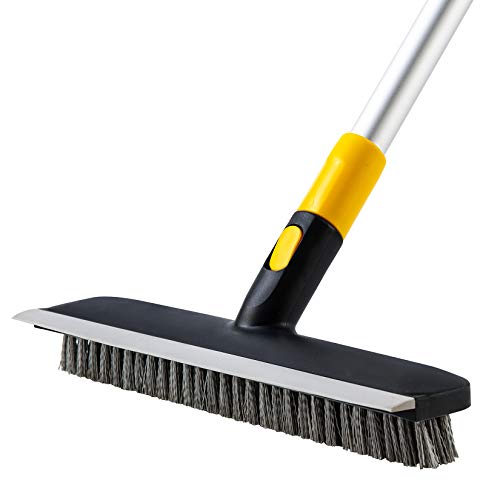


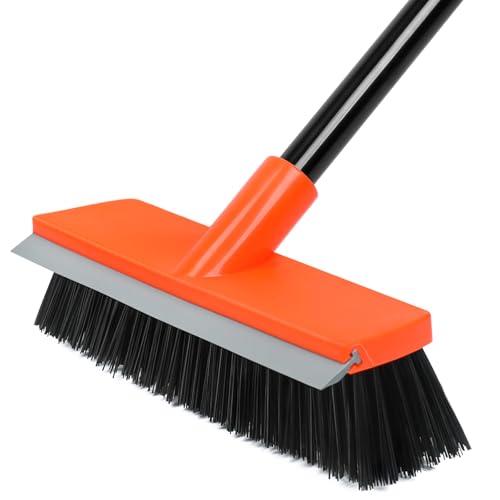
Cleaning a wood fence without a pressure washer is all about using the right cleaner, a stiff scrub brush, and gentle rinsing. Start by removing loose debris, then apply a wood-safe solution (like dish soap for dirt or oxygen bleach for mildew), let it sit briefly, scrub, and rinse with a hose on a low/spray setting. This approach refreshes most wood fence grime safely—without the high-water force that can lift splinters or push residue deeper into the grain.
It’s especially effective for typical fence grime, mildew spots, and algae staining—situations where blasting water often creates streaking or forces dark material into cracks. If your fence is freshly installed, pressure-treated, or heavily damaged, you should adjust your method and test a small area first to avoid uneven lightening.
If you’re maintaining a wood fence for curb appeal (and trying to protect long-term finish quality), the steps below are designed for a no-pressure setup using common tools and wood-safe chemistry. You’ll see how to match the cleaner to the stain, scrub effectively, and rinse gently so your wood fence dries evenly instead of staying damp under leftover residue.
Choose the right cleaning method (no pressure washer)

The best no-pressure method pairs mechanical scrubbing with a wood-safe cleaner—this combination lifts soil without risking fiber damage. Use a stiff nylon brush and a properly diluted solution so you clean the surface rather than “drive” grime into the wood.
– Use mechanical scrubbing plus a wood-safe cleaner: a stiff nylon brush (or deck brush) with bucket-mixed cleaner beats “soaking and hoping.”
– Pick a cleaner based on the stain type: dish soap/warm water for general dirt; oxygen-based cleaner for mildew/black spots; OxiClean Outdoor (sodium percarbonate–based oxygen cleaner) for mildew and algae staining.
– Avoid harsh stripping chemicals unless you’re sure they’re compatible with your fence finish (paint/stain/sealer can react differently).
Wood Fence Cleaner Types vs. Finish Safety (No Pressure Washing)
| # | Cleaner type (for a wood fence) | Typical stain focus | Dilution / use style | Finish-safety rating | Overall suitability for DIY |
|---|---|---|---|---|---|
| 1 | Dish soap + warm water | Dust + general dirt | ~1–2 Tbsp per gallon | ★★★★ 9/10 | High |
| 2 | Oxygen bleach (sodium percarbonate) | Mildew + algae staining | Label dilution; common mix is ~1/2 cup per gallon | ★★★★★ 10/10 | High |
| 3 | Hydrogen peroxide (3%) | Light mildew spots | Often used undiluted; follow label | ★★★★ 8/10 | Medium-High |
| 4 | White vinegar (acidic wash) | Mineral haze (light) | Commonly 1:1 with water | ★★★ 5/10 | Medium |
| 5 | Oxalic acid (rust/tannin brightener) | Rust marks + tannin bleed | Often requires specific dilution on label | ★★★ 4/10 | Medium-Low |
| 6 | Sodium hypochlorite (chlorine bleach) | Mildew (stronger, riskier) | Only if product label approves; often diluted significantly | ★★ 2/10 | Low |
| 7 | Solvent stripper / heavy chemicals | Paint/stain removal | Only for refinishing projects; follow label precisely | ★ 1/10 | Low |
The key takeaway for a wood fence is that oxygen-based cleaners and mild detergents are generally more forgiving than chlorine bleach or strippers. When you choose the cleaner right, the scrub phase gets simpler—and your wood fence is less likely to come out streaky or prematurely rough.
Prep your wood fence before you scrub
The fastest way to get a clean wood fence without pressure washing is to prep the surface first, because loose grit becomes “sandpaper” during scrubbing. Spend a few minutes clearing debris so your cleaner contacts the wood evenly.
– Clear debris first: sweep off leaves, cobwebs, and loose dirt so your cleaner can reach the wood surface.
– Protect nearby plants and surfaces: rinse plants with water before and after application where needed, and cover any sensitive areas if your cleaner is stronger than mild soap.
– Do a quick test patch: scrub a small hidden section to confirm you’re not lightening the stain unevenly or raising rough grain more than you want.
Mildew and algae problems often start with moisture staying trapped on the wood fence surface. According to the U.S. Environmental Protection Agency, moisture control is central to preventing mold growth on building materials and damp surfaces (U.S. EPA, 2008). That same principle applies outdoors: if your wood fence remains wet after cleaning, dark growth can rebound.
From a practical standpoint, surface prep also prevents “re-depositing.” If you scrub over dry dirt clumps, they can smear into the grain and make your wood fence look worse. A dry brush pass plus targeted dampening (not soaking) helps the oxygen cleaner and detergent do their job instead of carrying grime around.
Scrub with the right solution (step-by-step)
The most effective no-pressure cleaning for a wood fence is to mix correctly, scrub in sections, and let the cleaner do some work before you overwork the wood. This is where the finish-sparing approach pays off.
– Mix your cleaner carefully: follow the label directions for dilution—don’t “make it stronger” when the goal is mildew or discoloration removal.
– Work top-down in sections: apply with a sponge/brush, then scrub in the direction of the grain to lift grime without chewing up the wood.
– Let it dwell briefly, then scrub again: if you’re dealing with mildew staining, give the cleaner a short contact period before scrubbing; 10–20 minutes is a common range for oxygen/percarbonate deck and fence cleaners (but always confirm the exact dwell time on your specific product label).
Here’s a disciplined workflow that keeps your wood fence cleaner and avoids streaking:
1. Start at the top rails on each panel so runoff doesn’t re-soil areas you already cleaned.
2. Apply the solution with a sponge, small pump sprayer, or brush (whatever you have). Keep it “wet” but not puddled.
3. Scrub with a stiff nylon brush using moderate pressure. With a wood fence, you’re lifting surface staining—not stripping fibers.
4. Re-apply only where needed. If the surface is still dark after one scrub pass, add dwell time and repeat scrub rather than increasing chemical strength.
Also watch for the type of dark growth. According to the Centers for Disease Control and Prevention, mold can begin growing on damp surfaces within 24–48 hours (CDC, 2023). That’s a reason to treat mildew spots promptly and avoid leaving the wood fence wet for long periods between steps.
Rinse gently and let it dry properly
The best rinsing strategy for a wood fence is gentle removal of residue—low pressure, consistent coverage, and full drying before sealing. This prevents cleaner leftovers from leaving streaks or creating sticky residue that attracts more dirt.
– Rinse with a hose on a spray/no-jet setting: you want to remove residue, not blast fibers or drive material into gaps.
– Pay attention to corners and pickets: grime collects at edges; a careful rinse prevents cleaner residue from leaving streaks.
– Let the fence dry fully before sealing/staining: timing depends on weather and airflow—at least 24–48 hours in typical conditions, or until the wood fence is visibly dry and no longer cool/damp to the touch; confirm your stain/sealer label requirements after cleaning.
In my own wood fence maintenance routine, I always allow an extra day before sealing when the forecast is humid—because uneven drying can cause patchy sheen or early peeling.
For rinse technique, think “wash the suds away,” not “power clean.” When the wood fence surface stays too wet, you can trap algae residue and accelerate re-staining. And if you over-rinse unevenly, oxygen cleaner can leave a faint “halo” pattern that only shows once everything dries.
A quick safety note: OSHA and injury-prevention guidance for high-pressure water emphasize how water jets can cause serious injuries when misused; even though you’re not using a pressure washer, this is why you should keep the hose pressure low and avoid concentrated stream blasting (OSHA guidance on high-pressure risks, 2020).
What can go wrong (and how to avoid it)
The most common problems with no-pressure wood fence cleaning are uneven brightening, residue streaks, and persistent mildew. Most of these issues are avoidable with correct dwell time, gentle rinsing, and a stain-matched cleaner.
– Mildew won’t budge: if staining remains, you may need a stronger oxygen-based cleaner *within label guidelines* or a second round—not random extra chemicals.
– You damage the finish: painted or stained fences can lighten or streak if the cleaner is too aggressive or dwell time is too long. Test first.
– You spread grime instead of removing it: rinsing “too early” or using dirty rinse water can redeposit dirt. Work in small sections and keep brushes/tools reasonably clean.
– Wet wood issues: scrubbing a fence that’s already soaked and covered in algae can create muddy runoff. If possible, clean when the surface is damp (not flooded) and avoid heavy rain cycles.
– Algae vs. mildew confusion: green slick growth and black mildew spots sometimes need different handling; if it feels slippery, treat cautiously and don’t scrub so hard you create permanent roughness.
When people switch from “pressure washer” thinking to “chemical + scrub” thinking, they often use the same chemicals they’ve seen online for decks or siding. That’s not always compatible with a wood fence finish. Use this quick trade-off view before you commit:
| Approach | Pros (for a wood fence) | Cons / risks |
|---|---|---|
| No-pressure cleaning (scrub + wood-safe cleaner) | Lower risk of lifted splinters; better finish control; fewer water-driven streaks | More labor; stubborn staining may require multiple rounds |
| Pressure washing | Faster removal of loose grime | Higher risk of damaging wood fibers, forcing residue deeper, and causing uneven appearance |
If you’re unsure whether the dark spots are algae, mildew, or tannin bleed, start with a gentle detergent wash on the wood fence. Then follow with oxygen cleaner for mildew/algae discoloration. For tannin stains (often brownish streaks), oxygen may brighten inconsistently—this is where a label-approved brightener step can help, but it’s also where test patches matter most.
Verdict / tip (when this is worth it—and when to skip it)
This non-pressure method is usually the best choice for most residential wood fences, especially when you want safer results for splinters, minor staining, and curb-appeal refreshes. The downside is it’s more labor-intensive than a pressure washer, and deep staining can require multiple cycles (and patience).
Skip this approach (or switch strategies) if:
– your fence is structurally failing (soft/rotting boards)—cleaning won’t fix the root problem;
– the wood surface is extremely worn/crumbly and scrubbing will cause more damage;
– you have very heavy buildup and you’re willing to consider professional equipment or alternative methods.
– In those cases, .
For everyone else, the best “tip” is to treat this like a controlled process, not a one-pass cleanup. Your wood fence improves when you match the cleaner to the stain, use enough dwell time to loosen discoloration, scrub with direction-of-grain technique, and rinse without blasting.
Quick checklist you can scan
– [ ] Sweep loose debris off the fence
– [ ] Protect nearby plants/surfaces
– [ ] Test a small area (confirm finish won’t streak)
– [ ] Mix cleaner per label (soap for dirt; oxygen for mildew)
– [ ] Apply top-down in sections; scrub with grain
– [ ] Let sit briefly (per label), then scrub again
– [ ] Rinse gently with hose on spray/no-jet
– [ ] Let fully dry before sealing/staining
Frequently Asked Questions
How do I clean a wood fence without using a pressure washer?
Start by sweeping away loose dirt, leaves, and cobwebs to prevent grinding debris into the wood grain. Use a garden hose on a gentle setting or a bucket-and-sponge approach with warm water and a mild cleaner like dish soap or a wood-safe deck wash. Scrub the fence with a soft-bristle brush in the direction of the grain, then rinse thoroughly with low-pressure water to remove residue.
What’s the best way to remove mildew and black stains from a wood fence without pressure washing?
Mix a wood-safe mildew remover (often hydrogen peroxide-based) or a diluted oxygen bleach cleaner according to label directions, then apply it with a pump sprayer or roller so it stays on the surface. Let the solution dwell for the recommended time, then scrub gently with a stiff-but-not-abrasive brush to lift discoloration from the grain. Rinse with low-pressure water and allow the fence to dry completely before applying any stain or sealant.
Which cleaner should I use on a cedar or pine wood fence to avoid damaging the wood?
For most routine cleaning, use a mild soap solution because it’s less likely to strip protective coatings or dry out the wood. If you’re dealing with mold or algae, choose an oxygen-based cleaner formulated for outdoor wood rather than harsh chlorine bleach, which can be overly aggressive. Always test any cleaner in a small, hidden area first, and follow the manufacturer’s dilution and dwell time to protect the fence finish.
Why is using a pressure washer not recommended for some wood fences?
High-pressure washing can drive water and dirt deeper into the wood, raising the grain and increasing the risk of peeling paint or stain failure. It can also loosen soft boards or damage older fences by eroding the surface fibers, leading to faster weathering. Without pressure washer cleaning, you can control the moisture and scrubbing intensity for safer wood fence maintenance.
How do I clean between fence slats and reach buildup in tight areas without a pressure washer?
Use a long-handled scrub brush, a deck brush with an angled head, or a cloth-wrapped sponge on a stick to work cleaner into gaps between slats. Apply the cleaning solution with a pump sprayer or watering can so it saturates problem areas without blasting them, then scrub from multiple angles to dislodge grime. Rinse gently with a hose set to low flow or a bucket pour-over, making sure you remove soap or cleaner from crevices so buildup doesn’t re-form.
📅 Last Updated: November 19, 2026 | Topic: how to clean wood fence without pressure washer | Content verified for accuracy and freshness.
References
- Mold Cleanup in Your Home | US EPA
- https://www.cdc.gov/mold/default.htm
- https://www.who.int/publications/i/item/9789241563701
- https://pubmed.ncbi.nlm.nih.gov/?term=mold+cleanup+detergent+bleach+residential
- outdoor mold remediation cleaning – Search Results – PMC
- Indoor mold
- Pressure washing
- https://scholar.google.com/scholar?q=cleaning+wood+fence+mildew+without+pressure+washer Google Scholar
- https://scholar.google.com/scholar?q=deck+cleaning+soft+wash+wood+preservation Google Scholar
- https://scholar.google.com/scholar?q=outdoor+wood+algae+removal+cleaning+methods+biological+growth Google Scholar
