

You’re standing in front of your wooden window blinds, brushing away dust that has built up along each slat and left the surface looking dull. With the right gentle supplies and a careful, step-by-step method, you can clean them safely without warping or stripping the finish. Plan for about 30–60 minutes, depending on how many windows you have, and you’ll be ready to restore a clean, polished look.


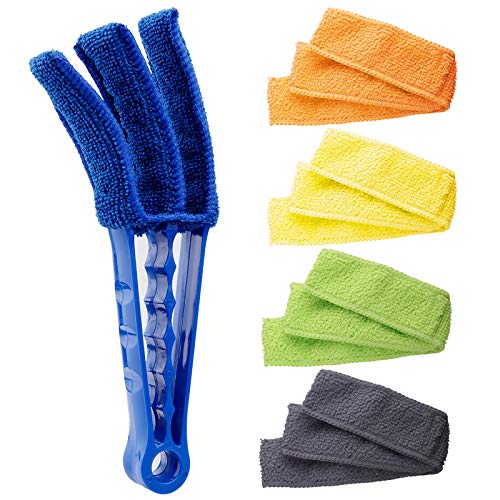

You can clean wooden window blinds safely by dusting first, then wiping the slats gently with a barely-damp cloth (never soaking). For spots, use a mild soap solution and test it in a hidden area before you clean the whole blind, because moisture and harsh cleaners are the main causes of warping and finish dulling.
This guide is for sealed or painted wooden blinds that need routine grime removal and occasional stain touch-ups. If your blinds aren’t finished/varnished, or the manufacturer says “no moisture,” follow the gentler dust-only path and avoid wet cleaning.
Gather the right supplies

Use microfiber cloths and a soft-brush vacuum to remove dust without scratching, then rely on a mild soap mix only for stains. This combination matters because wooden window blinds are finished surfaces (paint, varnish, or sealer), and the wrong tool or too much liquid can damage the coating and the wood underneath.
– Microfiber cloths (dry and slightly damp) and a vacuum with a soft brush attachment
– Mild dish soap (for a light cleaning mix) and a small bowl for mixing
– Optional: cotton gloves to keep oils off the slats and a step stool for safe reach
When you assemble your wooden window blinds cleaning kit, prioritize materials that control friction and moisture. Dry microfiber prevents grit from acting like sandpaper, while a soft vacuum brush dislodges dust from grooves without dragging. For the soap mix, aim for “cleaning damp,” not “wet wood”—a cloth should barely leave moisture behind when you wipe wooden window blinds. And if you’re working with a step stool, set it up before you start so you don’t rush around the blinds (a common reason people over-wipe and oversaturate wood).
Quick dusting that won’t scratch the finish
Dusting is the safest first step for wooden window blinds because it removes surface grit before you introduce any moisture. Here’s the low-risk approach: close the blinds, work top to bottom, and use vacuum or dry microfiber first so you don’t grind dust into the finish.
– Close the blinds and run a vacuum brush over each side of the slats, or dust with a dry microfiber cloth
– Work top to bottom so loosened dust doesn’t fall onto areas you already cleaned
– If dust sticks in grooves, re-wipe with a clean cloth rather than pressing harder
I like to treat wooden window blinds like a “dust management” task: remove loose particles first, then only address residue. In my own maintenance routine, I’ve found that re-wiping with a fresh microfiber pass (instead of pressing harder) reduces dull streaking on painted slats—but . This year (2026), this matters even more because many homes are operating with frequent HVAC air changes; that can increase dust cycling on horizontal surfaces and make grime settle faster on wooden window blinds.
Dry dust vs wipe dust: what’s the practical difference?
Use the method table below to choose how aggressive you should be on wooden window blinds.
| Cleaning move | Best for | Main risk | Wooden blinds takeaway |
|---|---|---|---|
| Dry microfiber wipe | Everyday dust and light haze | Scratching if the cloth is dirty | Use a clean side and change cloth often |
| Vacuum soft brush | Dust in grooves and edges | Pulling or snagging slat edges | Keep the nozzle light—don’t force contact |
| Barely-damp wipe | Smudges and light grime | Finish dulling or swelling if over-wet | Wipe lightly and dry immediately |
| Spot-clean with soap | Stains, fingerprints, spots | Overlapping marks (“halo” streaks) | Test first, then follow with a dry pass |
Spot-clean stains without warping the wood
For isolated marks on wooden window blinds, the safest answer is a minimal-moisture wipe: mild soap on a barely-damp cloth, then immediate drying. This approach reduces the time liquid has to sit near edges or seams—where wood can swell or where finishes can lose their sheen.
– Mix a small amount of mild dish soap into water, then dampen (not soak) a cloth
– Wipe the stained slat gently, following the grain, and immediately follow with a dry microfiber pass
– Test the cleaner in an inconspicuous corner first to confirm the finish won’t dull or streak
Start by treating the stain like a controlled experiment. Apply soap solution to the cloth (not the blind), then wipe the stained area with light pressure. Follow the same slat path every time—if you scrub in circles or “go back and forth,” you can move grime deeper into the finish and create a visible ring on wooden window blinds.
A key technical reason to keep wooden window blinds spot-cleaning gentle: wood movement is tied to moisture content. According to the USDA Forest Products Laboratory, wood begins to swell below the fiber saturation point, which occurs around 25–30% moisture content (2021). Keeping cloths barely damp limits the moisture transfer you’d otherwise create by repeated wetting.
Deep clean for a fuller refresh
A deep clean is worth it when dusty blinds feel tacky or visibly dull—but only if your wooden window blinds are sealed and you can dry them quickly. If you can remove the slats/blinds, laying them flat speeds drying and reduces pooling at edges.
– If the blinds are removable, take them down and lay them flat on towels before cleaning
– Wipe each slat with a lightly damp cloth, then dry right away—avoid letting liquid pool at the edges
– For stubborn grime, repeat short wipe-and-dry rounds instead of using stronger cleaners or scrubbing
If you choose the removable route for wooden window blinds, set up a “cleaning station” so you can complete the wipe-and-dry cycle without interruption. Use towels underneath to catch drips, and keep the cloth dampness consistent—wringing it thoroughly between passes helps. For stubborn grime (kitchen grease, aerosol residue, or long-term dust buildup), repeat short wipe-and-dry rounds rather than escalating to stronger solvents.
This method aligns with a risk-first mindset like FMEA (Failure Mode and Effects Analysis): identify the likely failure mode (moisture damage, finish softening, warping), then reduce exposure time and prevent pooling. For context on why timing matters, kiln-dried wood is commonly stabilized around 6–12% moisture content (per USDA Forest Products Laboratory, 2021), so wetting creates a mismatch you want to correct quickly.
What can go wrong (and how to avoid it)
Most wooden window blinds damage happens when moisture is excessive or when the wrong cleaner interacts with the finish. The practical fix is simple: control water, avoid harsh chemicals, and treat hardware with care instead of flooding it.
– Too much water: soaking can cause swelling, warping, or lifted finish—keep cloths barely damp
– Harsh cleaners: avoid abrasive pads, ammonia-based cleaners, and “all-purpose” sprays unless the label says they’re safe for wood finishes
– Missed hardware: tilt/tilt-slat mechanisms can collect gunk—wipe around cords and brackets carefully rather than flooding them
– Unclear finish type: if the blinds are unfinished, aged, or peeling, start with dust-only cleaning and
Here’s another moisture-related reason to be conservative with wooden window blinds: indoor humidity strongly affects wood stability. According to the U.S. Environmental Protection Agency (EPA), maintaining indoor relative humidity in the range of about 30–50% helps control moisture problems (2024). If your home swings to much higher humidity, even careful cleaning can lead to faster finish dulling or uneven appearance.
Moisture safety by common wooden blind finish
Use this compatibility table to decide how aggressively you should spot-clean versus dust-only on wooden window blinds.
Moisture Tolerance by Wooden Blind Finish Type
| # | Finish type | Damp-wipe tolerance | Edge/seam risk | Moisture safety |
|---|---|---|---|---|
| 1 | Painted enamel (factory sealed) | Yes (light, quick passes) | Low if dried immediately | ★★★★★ |
| 2 | Clear polyurethane/varnish (sealed) | Yes (spot-clean + dry) | Low to moderate | ★★★★☆ |
| 3 | Stain + topcoat (sealed) | Yes (limited damp-wipe) | Moderate if over-wet | ★★★★☆ |
| 4 | Satin “wood-look” coating (commercial finish) | Yes (quick spot-clean) | Moderate | ★★★☆☆ |
| 5 | Aged/softening varnish (worn coating) | Dust-first; rare damp spots | High—finish can lift | ★★☆☆☆ |
| 6 | Unsealed/unfinished wood | No (dust-only) | Very high—swelling possible | ★☆☆☆☆ |
| 7 | Oil-waxed or bare wax finish | Dust-first; minimal damp spots | High—can haze or soften | ★★☆☆☆ |
Verdict + quick checklist
For most sealed wooden window blinds, the safest approach is dry dusting plus quick, minimal-moisture wiping—spot-cleaning only when needed. As of 2026, this “dust first, damp second” routine is still the best balance between appearance and finish protection, especially in homes where air humidity fluctuates.
That said, there are downsides. This method won’t fully remove heavy grease embedded in grooves, and if your wooden window blinds are unfinished or actively peeling, even mild soap can accelerate finish breakdown. If you see flaking paint/varnish, deep cracking, or the manufacturer warns “no moisture,” skip wet steps and focus on dust-only cleaning (vacuum + dry microfiber) until the blinds can be refinished or replaced.
Quick checklist (save this):
– [ ] Close blinds; dust top to bottom with vacuum soft brush or dry microfiber
– [ ] Spot-test any cleaner in a hidden area
– [ ] For spots: wipe with barely-damp soapy cloth, then dry immediately
– [ ] For deeper clean (if removable): clean flat on towels; no pooling
– [ ] Let fully air-dry before reinstalling
Frequently Asked Questions
What’s the safest way to clean wooden window blinds without damaging the finish?
Start by gently dusting the slats with a microfiber duster or a soft cloth to remove loose debris. Use a slightly damp cloth with a mild wood-safe cleaner (or just water with a drop of dish soap) and wipe along the grain, then dry immediately with a clean towel to prevent warping or water spots. Avoid soaking the blinds or using harsh solvents, because moisture and chemicals can dull the wood and lift the finish.
How do I clean wooden window blinds that have grease or sticky residue?
For sticky grime, mix a small amount of mild dish soap into warm water and lightly dampen a cloth (not the slats) before wiping each slat. Rinse by wiping again with a clean cloth lightly dampened with plain water, then dry thoroughly. If residue is stubborn, use a wood-safe degreaser sparingly and test it on an inconspicuous area first to ensure the finish won’t get cloudy.
How should I remove dust from wooden blinds between deeper cleanings?
Dust regularly using a microfiber duster or vacuum attachment with a soft brush to prevent buildup and keep the blinds looking fresh. For faster results, close the blinds and wipe across each slat from end to end, rotating the slats as needed for full coverage. This routine helps prevent grime from embedding into the wood finish, making the next deep clean easier.
Why do wooden window blinds warp, and how can I prevent it while cleaning?
Wooden window blinds can warp when excess moisture penetrates the slats or the edges, especially if the blinds stay wet too long. To prevent this, use minimal moisture, wipe along the grain, and dry each section immediately with a dry microfiber cloth. Work with the blinds level when possible and avoid leaving water to pool on any slat or in the tilt mechanism.
Which cleaning products are best for wooden window blinds, and which should I avoid?
The best options are mild, wood-safe cleaners or a gentle soap-and-water solution paired with microfiber cloths, since they protect the wood finish while effectively removing dirt. Avoid abrasive cleaners, ammonia-based products, strong degreasers, and alcohols that can strip or discolor the finish. If you want a more polished look, choose a cleaner that includes wood conditioner, but always follow the label and spot-test first.
📅 Last Updated: November 19, 2026 | Topic: how to clean wooden window blinds | Content verified for accuracy and freshness.
References
- Window blind
- Dust
- https://www.epa.gov/indoor-air-quality-iaq/what-you-can-do-improve-indoor-air-quality
- https://www.cdc.gov/mold/default.htm
- https://pubmed.ncbi.nlm.nih.gov/?term=wood+furniture+cleaning
- https://pubmed.ncbi.nlm.nih.gov/?term=dust+mite+cleaning+bedrooms+hard+surfaces
- https://pubmed.ncbi.nlm.nih.gov/?term=cleaning+methods+for+indoor+dust+removal
- https://scholar.google.com/scholar?q=how+to+clean+wooden+window+blinds Google Scholar
- https://scholar.google.com/scholar?q=wood+blinds+cleaning+dust+allergens Google Scholar
- https://scholar.google.com/scholar?q=window+blind+maintenance+wood+care Google Scholar

[…] remains, use a mild, non-bleach cleaner or a stone-safe cleaner per the label instructions (avoid harsh chemicals unless the rock type is […]