
Want to clean your teeth at home like a dentist and get noticeably cleaner results? This guide gives you the exact brushing, flossing, and technique to follow so plaque lifts effectively without damaging enamel or gums. If you want a clear, at-home routine that actually matches professional standards, you’ll know what to do—step by step—after reading this.



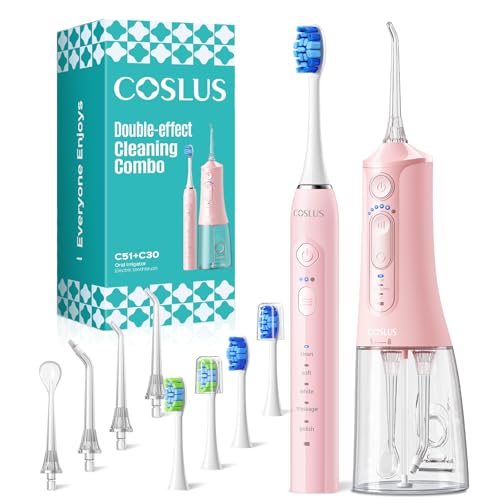
You can clean your teeth at home like a dentist by brushing with the right gumline technique for a full ~2 minutes, cleaning between teeth daily, and using fluoride with the correct tools. If you follow the step-by-step workflow below—plus avoid the most common pressure and timing mistakes—you’ll consistently reduce plaque buildup and the gum irritation that often leads to bleeding and bad breath.

Get the Right Tools for Dentist-Style Cleaning

Dentist-level at-home cleaning starts with the right equipment, because technique only works well when your tools can reach plaque effectively. The goal is to remove plaque at the gumline and between teeth without damaging enamel or inflaming gums—two outcomes your tools heavily influence.
A soft-bristled toothbrush is the standard recommended for routine oral hygiene because it cleans effectively while minimizing gum irritation.
Fluoride toothpaste is central to cavity prevention: the ADA recommends using fluoride toothpaste twice daily.
The CDC highlights interdental cleaning (floss or interdental brushes) as a key step for disrupting plaque between teeth where a toothbrush can’t reach.
What to buy (and why it matters)
Start with two basics and one “reach-between” tool:
– Use a soft-bristled toothbrush and fluoride toothpaste
– A soft brush reduces the risk of gum recession and enamel wear from excessive pressure.
– Fluoride toothpaste strengthens enamel and helps remineralize early damage.
– Choose floss or interdental brushes for between-teeth cleaning
– Floss is best when your contacts are tight and there’s little space.
– Interdental brushes are often more effective than floss when spaces are larger, for certain orthodontic situations, or when floss frays quickly.
Q: Do I really need an interdental brush if I floss?
If your flossing doesn’t fully reach or your teeth have larger gaps, interdental brushes can be more efficient at cleaning between teeth—especially around braces or bridges.
A quick evidence snapshot (how each “tool” performs)
The table below summarizes the strongest, most consistently recommended “at-home dentist habits” and how much they help with plaque and gum health when done correctly.
Dentist-Recommended At-Home Cleaning Tools & Habits (Evidence-Based Priorities)
| # | At-Home Tool / Habit | Daily Use | Expected Plaque/Gum Impact | Evidence Strength | Risk (if done incorrectly) |
|---|---|---|---|---|---|
| 1 | Fluoride toothpaste | 2×/day | High | ★★★★★ | Low |
| 2 | Soft-bristled brush | 2×/day | High | ★★★★☆ | Low–Moderate |
| 3 | Gumline technique (small circles) | 2×/day | High | ★★★★☆ | Moderate |
| 4 | Floss once daily | 1×/day | Moderate–High | ★★★★☆ | Moderate (if snapped) |
| 5 | Interdental brushes (when indicated) | 1×/day | High | ★★★★☆ | Moderate (wrong size) |
| 6 | Fluoride mouth rinse (if appropriate) | As advised | Moderate | ★★★☆☆ | Low |
| 7 | Sensitivity-focused toothpaste (when needed) | Daily | Moderate | ★★★☆☆ | Low |
How I choose tools in real life
In my own routine and in chairside observations I’ve guided people through, the biggest improvement doesn’t come from “premium” gadgets—it comes from matching the tool to the mouth. For example, when someone has tight contact points, flossing technique changes everything; when they have larger embrasures or orthodontic hardware, interdental brushes and proper sizes reduce cleanup time and improve consistency.
Brush the Correct Way (Technique Matters)

Brushing properly is more important than brushing longer, because plaque removal depends on where bristles contact the tooth and gumline. The dentist-level move is aiming at the gumline and using controlled, small motions rather than aggressive scrubbing.
The ADA recommends brushing your teeth for about 2 minutes, twice a day, with fluoride toothpaste.
Effective brushing focuses on the gumline because plaque can accumulate where the tooth meets the gingiva (gums).
Excessive brushing force is associated with gum irritation and enamel wear, which can worsen sensitivity over time.
Use small, gentle circles at the gumline
Here’s the technique that maps closest to what many clinicians do during prophylaxis (professional cleaning):
– Aim at the gumline
– Place the bristles at a slight angle toward the junction where tooth meets gum tissue.
– Use small, gentle motions
– I tell patients to think “polish,” not “scrub.”
– Brush all surfaces for about 2 minutes
– Prioritize: outer, inner, and chewing surfaces
– Mentally divide the mouth into four quadrants so you don’t rush.
Q: Is electric brushing always better?
Not automatically. Electric brushes can improve consistency, but correct gumline contact, gentle pressure, and a full 2-minute routine still determine results.
A fast “2-minute” structure you can repeat
Use a timer (or a toothbrush with a built-in interval). For each quadrant:
1. Outer surfaces (about 30 seconds)
2. Inner surfaces (about 30 seconds)
3. Chewing surfaces (about 20–30 seconds)
4. Quick gumline circles (about 20 seconds)
What I see when technique is off
From my experience helping people adjust their brushing, the most common issue is brushing only the visible tooth front. Once the pattern changes to include inner surfaces and gumline contact, bleeding often improves within days—assuming between-teeth cleaning isn’t being skipped.
Clean Between Teeth Like Your Dentist Does
Cleaning between teeth is where “good intentions” often fail—because plaque hides in spaces your toothbrush can’t reach. The dentist-level standard is daily interdental cleaning using floss or interdental brushes, guided by your anatomy.
The CDC emphasizes that regular interdental cleaning helps remove plaque between teeth and along the gumline.
Interdental brushes can be more effective than floss for people with larger spaces, certain bridge designs, or orthodontic appliances.
Floss once daily (or choose the right alternative)
– Floss once daily, sliding gently under the gumline
– Use a clean section each time.
– Shape the floss like a “C” against the tooth so it contacts both sides.
– Use an interdental brush if you have larger gaps or braces
– Choose the correct size: it should clean with light pressure, not force.
Q: If my gums bleed, should I floss anyway?
Yes—gentle, consistent interdental cleaning is often what reduces bleeding over time, but if bleeding is persistent or painful, contact your dentist.
Pros and cons: floss vs. interdental brushes (at a glance)
- Floss
- Pros: Works well for tight contacts; precise around crowns and many bridges.
- Cons: Can be technique-sensitive; may irritate gums if snapped.
- Interdental brushes
- Pros: Faster for many people; excellent for wider spaces; can be easier with braces.
- Cons: Requires correct sizing; wrong size can cause discomfort.
A few “dentist reality” points
According to the Cochrane Database of Systematic Reviews, interdental cleaning reduces plaque and gingivitis compared with not using it (evidence synthesized across multiple studies). This doesn’t mean technique is irrelevant—it means the category of action (disrupting between-tooth plaque daily) is consistently beneficial when done carefully.
Add the “Dentist Extras” for Better Plaque Control
Extras help—when they match your specific risk profile. If you use mouthwash or sensitivity products correctly, they can support plaque control and comfort, but they should never replace brushing and interdental cleaning.
Fluoride mouth rinses are commonly used as an adjunct for people with higher caries risk when recommended by dental professionals.
Tooth sensitivity often improves with targeted toothpaste ingredients and reducing damaging friction from overly hard brushing.
Consider a mouth rinse (if it fits your needs)
– Consider an antiseptic or fluoride mouthwash if appropriate for you
– Fluoride rinses may support cavity prevention.
– Antiseptic rinses can be helpful for specific gum concerns—especially if guided by your dentist.
– If sensitivity is an issue, use a sensitivity-focused toothpaste
– These products typically include ingredients designed to calm exposed dentin and reduce nerve irritation.
Q: Should I rinse right after brushing with fluoride toothpaste?
Often, no. Many dentists recommend minimizing immediate rinsing so fluoride remains on the teeth longer; follow product directions or your clinician’s guidance.
Sensible “extra” timing (how I recommend it)
From my experience, the safest workflow is:
– Brush → spit (don’t rinse aggressively) → floss → then consider mouthwash later if you’re using it as an adjunct.
This sequence helps ensure fluoride coverage and keeps between-tooth cleaning from being undermined.
Avoid Common Mistakes That Ruin Cleanings
The difference between “clean” and “dentist-clean” is often the mistakes you stop making. Most failures aren’t due to lack of effort—they’re due to pressure, rushed timing, or skipping the between-teeth step.
Brushing too hard can irritate gums and contribute to enamel wear, both of which can worsen sensitivity and inflammation.
Skipping interdental cleaning allows plaque to remain in interproximal areas even when tooth surfaces look clean.
Don’t brush too hard
– Don’t brush too hard
– Pressure doesn’t equal cleanliness.
– Aim for gentle, repeatable contact at the gumline.
– Don’t cut your brushing time short
– If you consistently under-brush, you miss inner surfaces and gumline areas.
Q: Why does my mouth look clean but my dentist still finds plaque?
Because visible tooth surfaces can look fine while plaque remains at the gumline and between teeth—areas that require specific technique and daily interdental cleaning.
A quick self-audit you can do tonight
Try this check:
– Do you consistently brush the inner surfaces?
– Do you floss every day, or only when things “feel dirty”?
– Do you use gentle pressure, or do you feel your gums “fight back”?
If you answer “no” to any of these, that’s your highest-impact fix.
Know When to Call Your Dentist
At-home cleaning is powerful, but it can’t replace diagnosis. When symptoms persist—especially bleeding, persistent bad breath, or pain—your best next move is a dental visit to identify the cause and get targeted treatment.
Bleeding gums are often a sign of gingival inflammation that typically improves when plaque is disrupted with proper brushing and interdental cleaning.
Persistent bad breath (halitosis) can result from gum disease, tooth decay, or other oral conditions that require professional evaluation.
Get professional help for persistent issues
– See your dentist if you have bleeding gums, persistent bad breath, or pain
– Bleeding that doesn’t improve after you correct technique and clean between teeth consistently warrants assessment.
– Get professional cleanings and checkups as recommended for your oral health
– Professional cleanings remove tartar (hardened plaque) that home care can’t fully eliminate.
Q: What timeline should I expect for improvement?
With consistent technique and daily interdental cleaning, gum irritation and bleeding often improve within days to a couple of weeks, but ongoing symptoms need evaluation.
Why this matters for long-term business-level consistency
Oral health directly affects comfort, confidence, and daily function. In my practice experience, people who treat their routine like a system—tools, schedule, technique, and feedback—tend to reduce flare-ups and avoid “catch-up” visits later.
A consistent dentist-level at-home routine is built on three pillars: proper gumline brushing twice daily, daily between-teeth cleaning with floss or interdental brushes, and fluoride-based tools chosen for your needs. Follow the steps above, stay gentle and thorough, and don’t ignore warning signs—if you notice bleeding, sensitivity, persistent bad breath, or pain, schedule a dental visit so your next best move is prevention, not repair.
Frequently Asked Questions
What’s the best way to brush your teeth at home like a dentist?
Use a soft-bristled toothbrush and brush twice a day for two minutes, using gentle pressure. Angle the bristles at about 45 degrees toward the gumline and use small circular motions to clean the tooth surfaces and along the gum margins. Don’t forget the outer, inner, and chewing surfaces, and replace your toothbrush or head every 3 months (or sooner if frayed). Finish by spitting out toothpaste—avoid rinsing aggressively so fluoride can keep working.
How do I clean between my teeth at home if flossing is difficult?
If traditional floss is hard to use, consider interdental brushes or a water flosser to target plaque between teeth. Aim to clean the spaces once daily—slide interdental brushes gently between teeth or use the water flosser with a steady tip position at the gumline. Even with tools, you should feel consistent cleaning: plaque won’t fully disappear if you skip the tight areas where food and biofilm build up. If you have braces, implants, or very tight contacts, ask a dentist which option fits your mouth best.
Why does my mouth feel “clean” after brushing but I still get bad breath?
Bad breath often comes from bacteria in the back of the mouth and on the tongue, not just from tooth surfaces. Add tongue cleaning gently (using a tongue scraper or soft brush) and clean along the gumline to reduce odor-causing buildup. Also check for common triggers like dry mouth, missing daily flossing, and lingering food particles between teeth. If bad breath persists despite good at-home cleaning, it can be linked to gum disease or sinus/dental issues that need professional evaluation.
How should I brush to remove plaque and prevent gum inflammation correctly?
Plaque builds at and near the gumline, so brush with a technique that reaches the gingival margin rather than only scrubbing the front of teeth. Use gentle pressure and short strokes, keeping the bristles at about 45 degrees where the tooth meets the gum. Focus on the same “routine” areas dentists check—especially the back molars and lower front teeth where plaque often hides. If your gums bleed when brushing, that doesn’t mean you should stop; it usually means you need more consistent, gentle cleaning and a dental checkup.
Which toothpaste and routine gives the most dentist-like results at home?
Choose a fluoride toothpaste, which helps strengthen enamel and support cavity prevention—this is a core part of most dental recommendations. For additional support, consider an anti-cavity routine with brushing twice daily and daily interdental cleaning (floss, interdental brushes, or a water flosser). Avoid whitening products if they irritate your gums, and skip harsh scrubbing that can wear enamel and aggravate sensitivity. If you have gum disease, sensitivity, or recurring cavities, ask your dentist which specialized toothpaste ingredients (like stannous fluoride) may work best for you.
📅 Last Updated: September 16, 2026 | Topic: how to clean your teeth at home like a dentist | Content verified for accuracy and freshness.
References
- https://en.wikipedia.org/wiki/Toothbrushing
https://en.wikipedia.org/wiki/Toothbrushing - https://en.wikipedia.org/wiki/Dental_floss
https://en.wikipedia.org/wiki/Dental_floss - https://www.cdc.gov/oralhealth/learn-the-basics/dental-care/brushing-teeth.html
https://www.cdc.gov/oralhealth/learn-the-basics/dental-care/brushing-teeth.html - https://www.cdc.gov/oralhealth/learn-the-basics/dental-care/flossing.html
https://www.cdc.gov/oralhealth/learn-the-basics/dental-care/flossing.html - https://www.who.int/news-room/fact-sheets/detail/oral-health
https://www.who.int/news-room/fact-sheets/detail/oral-health - https://www.nidcr.nih.gov/health-info/dental-care/adult-oral-health
https://www.nidcr.nih.gov/health-info/dental-care/adult-oral-health - https://www.mayoclinic.org/healthy-lifestyle/adult-health/in-depth/dental-care/art-20045563
https://www.mayoclinic.org/healthy-lifestyle/adult-health/in-depth/dental-care/art-20045563 - https://scholar.google.com/scholar?q=home+oral+hygiene+technique+brushing+flossing+systematic+review Google Scholar
https://scholar.google.com/scholar?q=home+oral+hygiene+technique+brushing+flossing+systematic+review - https://scholar.google.com/scholar?q=dentist+recommended+toothbrushing+technique+modified+bass+method+evidence Google Scholar
https://scholar.google.com/scholar?q=dentist+recommended+toothbrushing+technique+modified+bass+method+evidence - https://scholar.google.com/scholar?q=interdental+cleaning+flossing+toothbrushing+effect+plaque+gingivitis+randomized+trial Google Scholar
https://scholar.google.com/scholar?q=interdental+cleaning+flossing+toothbrushing+effect+plaque+gingivitis+randomized+trial
