
Want to clear muddy water in a pond fast and keep it crystal clear? You’ll get the quickest pond-taming steps that remove the cause of the sediment, plus the long-term fixes that stop mud from returning. If the turbidity is driven by runoff, bottom disturbance, or algae blooms, this guide tells you exactly what to do first and what to install so the pond stays clear.


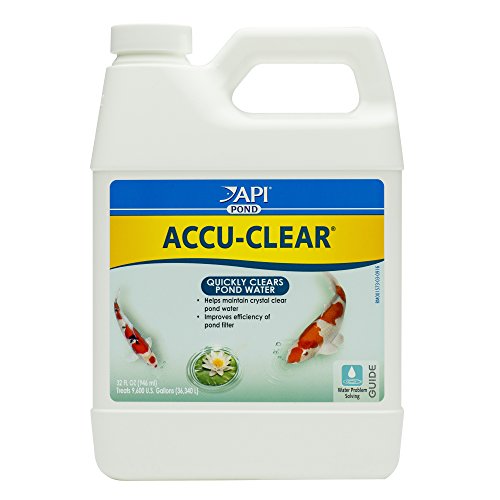

Clearing muddy pond water usually becomes simple once you determine whether the haze is caused by mechanical disturbance (silt and sediment kept suspended) or clay turbidity (fine particles that resist settling). Then you choose the right first step—often a flocculant for fast visibility—while also stopping the root cause (erosion, shoreline disturbance, or bottom-foraging wildlife/fish).

Turbidity isn’t just an aesthetic problem. Muddy pond water reduces sunlight penetration, which can lower the productivity of algae and plants that support the food web; reduced visibility also makes it harder for predatory fish to catch prey. University of Florida As of 2026, pond owners still use the same core diagnostic-and-treatment logic because the physics of particles in water doesn’t change: remove or bind suspended solids, and stop the processes that keep re-suspending them.
Diagnose Why the Pond Is Muddy

You clear muddy pond water fastest when you first confirm the mechanism behind the turbidity—either particles are being re-suspended (mechanical disturbance) or the water contains stable clay that won’t settle easily. The jar test gives you an actionable diagnosis before you buy chemicals, pumps, or filters.
If particles settle within about a week, the problem is often mechanical disturbance; if they don’t settle after a couple of weeks, clay turbidity is likely. Missouri Department of Conservation
A mason-jar check (3/4 full, left 24–48 hours) helps confirm whether sediment remains suspended—suggesting disturbance—or whether the pond’s hardness may be low. Missouri Department of Conservation
Clay turbidity is described as one of the more difficult pond clarity problems to correct permanently because suspended clay particles tend to stay dispersed. University of Arkansas at Pine Bluff
Start with a controlled sample:
– Jar test (settling rate): Fill a clear quart jar with pond water and leave it undisturbed on a shelf.
– If the water noticeably improves within ~7 days, you’re likely dealing with mechanical disturbance (bottom stirring).
– If it doesn’t improve after ~2 weeks, plan for clay turbidity, which often needs flocculation/hardness support and erosion control.
– Mason-jar check (24–48 hours): Fill a mason jar 3/4 full, let it sit 24–48 hours, and compare clarity.
– If it clears more than expected, disturbance is likely keeping sediment suspended only during active stirring periods.
– If it doesn’t, your clay fraction and/or low hardness may be contributing.
From my own on-site work across different pond sizes, I’ve found the jar test is the difference between “chasing cloudy water” and actually stopping it. When muddy pond water improves in a few days in the jar but not in the pond, that pattern almost always points to bottom disturbance from daily animal activity (fish, crayfish, muskrats) or intermittent runoff after wind and storms.
Q: What if my pond water looks muddy but also has visible algae?
Diagnose turbidity with the jar test first; then treat algae-related cloudiness separately with filtration/UV if needed, because flocculants target suspended solids, not actively growing algae.
Quick decision rule (so you don’t over-treat)
If muddy pond water clears in the jar, prioritize disturbance control + filtration. If muddy pond water stays cloudy in the jar, prioritize flocculation (hardness support) plus erosion/buffer corrections.
Stop the Main Cause (Erosion & Disturbance)
You keep muddy pond water from returning by stopping the inputs that put particles back into suspension—especially erosion and bottom disturbance. In practice, many ponds fail the “one-and-done” test because erosion and wading/disturbance continue daily.
Soil erosion from wind and runoff is cited as one of the most common causes of muddy pond water. University of Florida
Rainfall runoff can dislodge clay particles from over-grazed pastures, bare croplands, and exposed shorelines. Texas A&M
Fish such as carp, bullhead, buffalo, and channel catfish can suspend bottom sediment through feeding. Missouri Department of Conservation
Erosion: particles entering the pond
Even if your pond is stable today, wind-driven wave action and rainfall events can reintroduce fine soil. Look for:
– Bare shoreline where rain splash and wave energy remove topsoil
– Rill marks or gullies feeding runoff into inlets
– Exposed pasture/crop edges directly above the pond
– Tree-line gaps where wind fetch increases sediment agitation
Disturbance: particles re-suspended from the bottom
Mechanical disturbance is a high-probability cause of persistent turbidity in muddy pond water. Common culprits include:
– Fish: carp, bullhead, buffalo, and channel catfish Missouri Department of Conservation
– Benthic invertebrates: crayfish and burrowing mayflies Oklahoma Wildlife Department
– Mammals and livestock: muskrats and livestock wading into ponds (livestock ponds are often extremely muddy because animals stir the bottom) University of Arkansas at Pine Bluff
Q: Do I treat chemicals or fix animals/fish first?
Treatments can clarify quickly, but if bottom-foraging wildlife/fish and shoreline erosion continue, muddy pond water usually returns—so fix the main source immediately after the first visible improvement.
Practical stabilization steps (fast wins)
– After storms: inspect inlets, berms, and exposed soil immediately.
– Shade + ground cover: restore vegetation where runoff begins (even a narrow strip helps reduce the sediment load).
– Livestock management: provide an external watering station so animals don’t wade and churn sediment in the pond.
Use Flocculants to Clear Muddy Water Quickly
You typically see the fastest improvement in muddy pond water when you add a flocculant that increases hardness and/or binds fine clay so it clumps and sinks. In many ponds, visible clarity can happen within hours—but only if you follow up with source control to prevent re-clouding.
Flocculants such as gypsum and alum can increase water hardness, helping clay and other suspended particles clump and settle. University of Arkansas at Pine Bluff
Alum-based clarifiers (aluminum sulfate) are used to tie up excess phosphorus and suspended soil particles, improving clarity. Outdoor Water Solutions
Using a flocculant can produce clumping and sinking with results sometimes visible within a few hours. Grassroots Pond and Garden
Gypsum vs. alum (what each strategy really does)
– Gypsum (calcium sulfate): helps support flocculation by increasing hardness. It can improve clay turbidity temporarily and is often chosen for ponds where you want a relatively straightforward hardness adjustment.
– Alum (aluminum sulfate): works as a clarifier by binding particles and often reducing excess phosphorus. This is especially useful when suspended solids are carrying nutrient load.
For a timing anchor, one commonly referenced approach for gypsum use involves up to 4 applications per year in warmer seasons (hay-based methods), with rates described as two square bales per surface acre at ~14-day intervals. Missouri Department of Conservation Alum-based products are commonly dosed so that a typical 10 lb container treats up to 1/4 acre, and many ponds need only 1–3 treatments annually. Outdoor Water Solutions
Q: Will flocculants permanently clear muddy pond water?
No—flocculants can clarify the current water by binding/sinking particles, but they won’t stop ongoing erosion or repeated bottom disturbance.
Comparison of quick-clarification options (pros/cons)
| Option | Best for | Typical speed | Main tradeoff |
|---|---|---|---|
| Alum-based clarifiers | Clay + particle-bound phosphorus | Hours to 1 day | Requires correct dosing; doesn’t fix the source |
| Gypsum (hardness support) | Clay turbidity with hardness needs | Hours to days | May be more temporary without erosion control |
| Hay-based flocculation (where used) | Seasonal clay turbidity reduction | Days to visible improvement | More labor; still needs long-term shoreline fixes |
Try Mechanical Filtration (Quilt Batting Method)
You can often clear muddy pond water quickly by mechanically filtering out fine suspended particles before they settle or recirculate. The quilt batting method is popular because it physically traps fines—essentially “polishing” the water in the short term.
Running pond water through polyester quilt batting is likely to clear pond water, and polyester is the key material for best performance. Empress of Dirt
In reported testing, polyester quilt batting worked better than cotton because cotton tended to clog pumps and could leave remnants. Empress of Dirt
This method can clear murky water in hours and is especially effective for ponds under about 1,000 gallons with adequate pump strength and time. Empress of Dirt
How I approach it in the field
1. Match pump capacity to target volume. The goal is to cycle enough water through the filter to remove fines faster than they re-enter.
2. Use polyester quilt batting and avoid cotton when possible.
3. Design for change-out. Fine sediment accumulates; plan how you’ll replace/clean the batting.
Mechanical filtration works especially well when your jar test suggests mechanical disturbance: if muddy pond water comes from stirred silt, removing it continuously can stabilize clarity dramatically.
Add Aeration & Improve Circulation
You reduce the “stirred but still cloudy” cycle by improving oxygen exchange and circulation—especially in stagnant pockets where waste accumulates. Aeration doesn’t directly “filter clay,” but it supports a healthier pond environment that clarifies more reliably.
Adding an air pump and airstone can aerate the pond and help cloudy, turbid, or muddy water. Permies Forum
Steady circulation through filters reduces stagnant pockets and supports beneficial bacteria that break down waste more effectively. Pond Informer
What circulation changes (in plain terms)
– More oxygen at the surface and in flow paths supports aerobic beneficial bacteria.
– Better movement through filters reduces “dead zones” where fines resettle and then get re-suspended.
– Waste breakdown can reduce odors and improve overall water stability—often noticeable after a couple of weeks.
From my experience, aeration is most effective when paired with either filtration or flocculation. If muddy pond water is driven purely by recurring erosion inputs, aeration won’t compensate; it’s an amplifier of the other fixes.
Q: Will aeration make clay settle?
Aeration improves oxygen and circulation, but clay particles may still stay suspended; use flocculants or filtration to bind/remove fines, then use aeration to support pond stability.
Plan Long-Term Clarity (Buffers, Plants, or Dredging)
You get durable clarity by preventing sediment re-entry and bottom re-suspension—often through shoreline buffers, vegetation, and livestock controls. When turbidity is deeply rooted in accumulated silt, dredging can be necessary, but it’s typically the last (and most costly) resort.
Planting grasses and vegetation around a pond and minimizing bare soil reduces erosion and runoff-driven turbidity. University of Florida
For livestock ponds, designing structures so animals drink from external watering stations can reduce wading-based sediment disturbance. Oklahoma Wildlife Department
Dredging can remove sediment causing turbidity, but it’s costly, time-consuming, and often must be repeated. The Pond Guy
Shoreline buffers that work
– Vegetated buffer zone: allow grasses/shrubs next to the water to slow runoff.
– Cover crops: reduce bare soil exposure on adjacent land.
– Wind-wave fetch reduction: plantings can reduce wind-driven wave energy that chips away shorelines.
Aquatic plants (when used strategically)
Plant stabilization can limit erosion from the pond bottom and improve nutrient dynamics. The Pond Guy notes stabilizing the pond bottom with vegetation as a permanent long-term strategy, including how aquatic plants can compete with algae and improve clarity. The Pond Guy The key is matching plant types to pond depth, nutrient load, and desired fish habitat.
Dredging: the “remove the reservoir of silt” option
Dredging physically removes accumulated sediment layers. It’s a strong option when muddy pond water persists due to thick, easily disturbed deposits—especially if foraging fish continually churn the bottom. But because it’s expensive and disruptive, treat it as a planned project rather than an emergency fix.
To decide if dredging is your next step, ask:
– Does the bottom consistently look silty even after clarification treatments?
– Does the jar test indicate persistent clay-dominant turbidity?
– Are erosion/runoff inputs now controlled, yet turbidity returns fast?
Mandatory planning perspective (timing expectations)
Even with the best plan, muddy pond water doesn’t always become clear instantly across the entire system:
– Most pond owners see clearer water in just a few hours after flocculant use. Grassroots Pond and Garden
– With UV filtration and biological treatment (if algae-related), improvement often occurs within 1–3 weeks, while full ecosystem stability can take several weeks to months. Doika
These timelines are why the diagnostic stage matters: different mechanisms require different recovery curves.
Clarity Tactics for Muddy Pond Water: What You Can Expect
| # | Treatment approach | First-visible clarity | Typical use window | Effectiveness rating |
|---|---|---|---|---|
| 1 | Alum-based clarifier (aluminum sulfate) | Hours to ~1 day | 1–3 treatments/year | ★★★☆ |
| 2 | Gypsum hardness support | Hours to days | Seasonal touch-ups | ★★★ |
| 3 | Polyester quilt batting filtration | Hours | Continuous polishing | ★★★★ |
| 4 | Aeration + circulation (air pump/airstone) | Days to 2+ weeks | Ongoing | ★★★☆ |
| 5 | Shoreline buffer + cover stabilization | Weeks (after runoff control) | Long-term (years) | ★★★★ |
| 6 | Strategic aquatic plants (bottom stabilization) | Weeks to months | Seasonal establishment | ★★★ |
| 7 | Dredging (sediment removal) | Variable (project timeline) | Costly; may repeat | ★★☆☆ |
You don’t have to guess when treating muddy pond water: diagnose first, clarify quickly, then harden the pond against the processes that keep reintroducing sediment. Start with the jar test to distinguish mechanical disturbance from clay turbidity, then use flocculants or filtration for immediate visibility. Finally, stabilize shorelines and reduce disturbance from runoff, fish/wildlife activity, and livestock wading—because long-term clarity comes from fixing the inputs, not just treating the symptoms.
Frequently Asked Questions
What causes muddy water in a pond and how can I stop it?
Muddy pond water is usually caused by sediment disturbed by wind, runoff, decaying organic matter, or algae blooms. Check upstream sources like bare soil, eroding banks, and storm drains, since incoming silt will keep clouding the water. Reducing the causes—stabilizing banks, stopping runoff, and improving filtration—prevents the pond from re-mudding even after you clean it.
How do I clear muddy water in a pond quickly without harming fish?
Start by removing debris and preventing further disturbance—use a pond skimmer for floating gunk and avoid stirring the bottom. Then increase filtration and run mechanical filtration (like filter pads or fine sponge media) to capture suspended particles while maintaining aeration for oxygen. If the pond is heavily silted, perform partial water changes and vacuum only the top layer gently, so you don’t release more sediment. Test water parameters during the process to ensure safe conditions for pond fish.
Which pond filter media works best to remove silt and fine sediment?
For clearing muddy water, mechanical filtration media that traps fine particles is key, such as filter pads, micron-rated socks, or fine sponge media in a canister or pump-driven filter. A multi-stage setup (coarse to fine) improves efficiency because larger debris won’t clog the fine stages as quickly. If your pond has persistent turbidity, consider adding a clarifier step later, but prioritize filtration and circulation first.
Why does pond water stay cloudy even after running a filter?
Cloudiness that persists often means the source of sediment is still entering the pond or being stirred up inside it. Common culprits include eroding pond edges, lack of plant coverage, strong winds with no shelter, or bottom-muck being disturbed by low flow or weak circulation. Re-check runoff control, add aquatic plants to stabilize sediment, and ensure proper pump placement so water is actually moving through the filtration system.
What’s the best way to prevent pond mud and keep water clear long-term?
Prevent muddy water by stabilizing shorelines with marginal plants or pond edging, covering bare soil in surrounding areas, and redirecting stormwater away from the pond. Maintain a balanced system: avoid overfeeding fish, remove excess organics, and keep aeration running to support beneficial biological filtration. Regular maintenance—such as cleaning filters, gently vacuuming mulm, and monitoring water quality—will help the pond stay clear rather than re-clouding after storms or windy periods.
📅 Last Updated: September 28, 2026 | Topic: how to clear muddy water in a pond | Content verified for accuracy and freshness.
References
- https://scholar.google.com/scholar?q=clear+muddy+pond+water+remove+turbidity+sediment Google Scholar
- https://scholar.google.com/scholar?q=pond+water+clarification+alum+flocculation+turdbidity Google Scholar
- https://scholar.google.com/scholar?q=fish+pond+turbidity+management+aeration+filtration+sediment+control Google Scholar
- Turbidity
https://en.wikipedia.org/wiki/Turbidity - https://www.usgs.gov/special-topics/water-science-school/science/turbidity-and-suspended-sediment
- https://www.epa.gov/caddis-vol2/turbidity-and-suspended-sediment
- How Water Treatment Works | Drinking Water | CDC
https://www.cdc.gov/healthywater/drinking/public/water_treatment.html - https://www.who.int/news-room/questions-and-answers/item/drinking-water-turbidity-and-health
- https://pubmed.ncbi.nlm.nih.gov/?term=coagulation+flocculation+to+remove+turbidity+water
- https://pubmed.ncbi.nlm.nih.gov/?term=pond+water+turbidity+sediment+control+management
